Stroke And Vision Loss: Causes, Symptoms, And Recovery
Discover how strokes disrupt vision, from field defects to eye movement issues, and learn vital strategies for management and recovery.
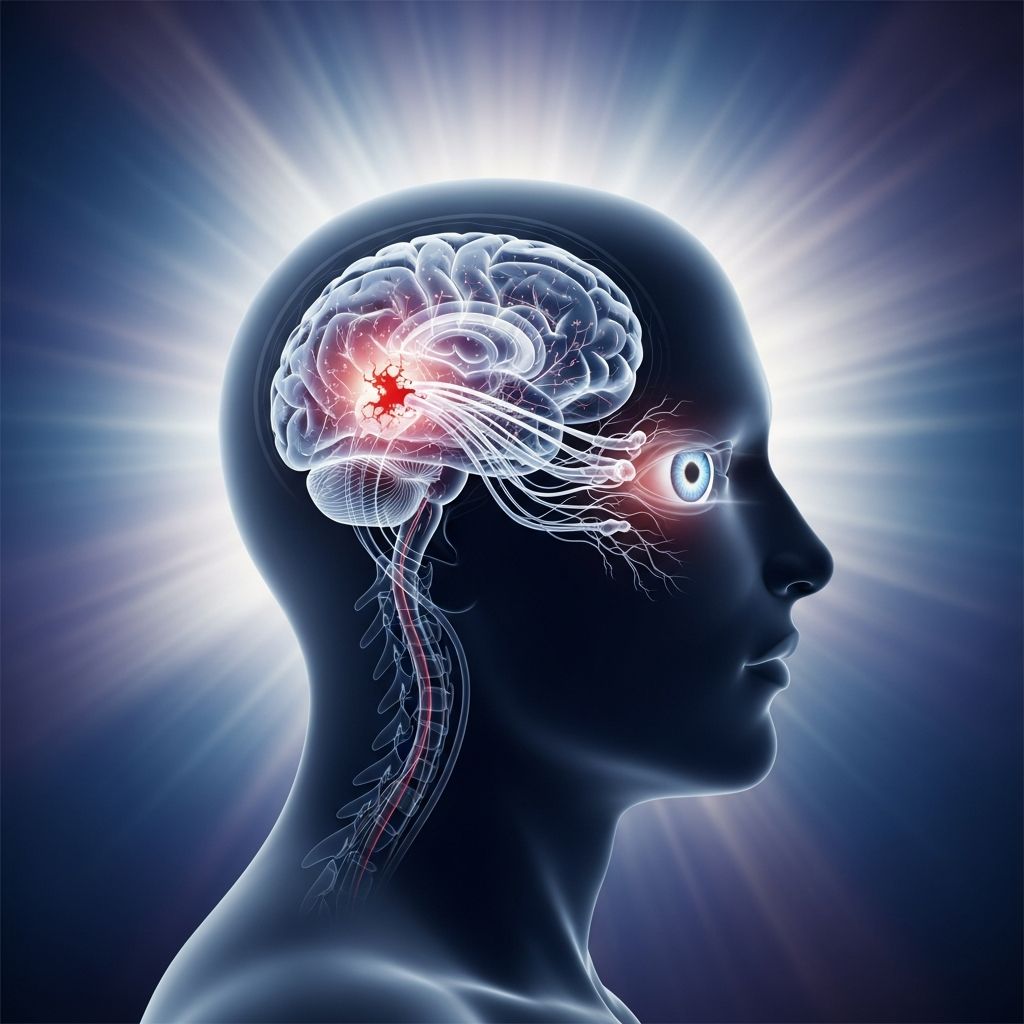
Strokes can profoundly impact vision by disrupting the delicate pathways that connect the eyes to the brain, leading to a range of impairments from partial field loss to perceptual distortions. These effects arise when blood flow is interrupted to critical visual processing areas, affecting up to 60% of stroke survivors with some form of visual deficit.
The Link Between Brain Blood Flow and Sight
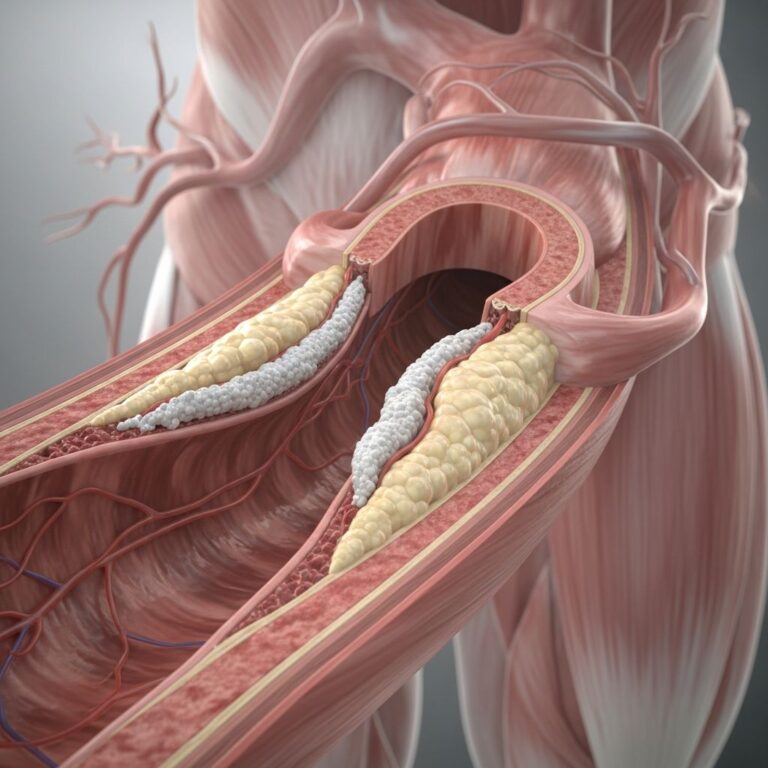
The visual system relies on a complex network spanning from the retina through the optic nerves, tracts, and into the brain’s occipital lobe for processing. A stroke, defined as a sudden interruption of blood supply to brain tissue, can occur in ischemic form (blockage) or hemorrhagic (bleeding), both capable of damaging these pathways. For instance, blockages in the carotid arteries may extend to retinal vessels, causing abrupt monocular vision loss described as a descending curtain over the sight.
When strokes hit the occipital lobe, they often produce homonymous hemianopia, where half the visual field in both eyes vanishes—left-sided loss from right-brain damage and vice versa. Brainstem strokes, meanwhile, target cranial nerves controlling eye muscles, resulting in misalignment and diplopia (double vision).
Primary Visual Symptoms After Stroke
Survivors frequently report immediate changes in how they perceive the world. Common manifestations include:
- Visual field defects: Missing sectors, such as quadrantanopia (pie-shaped losses) from temporal or parietal lobe damage.
- Blurred or double vision: Due to uncoordinated eye movements or nerve palsies.
- Movement disorders: Nystagmus (involuntary eye jiggling) or impaired tracking (pursuit and saccades).
- Perceptual issues: Difficulty judging distances, recognizing faces, or detecting motion.
These symptoms not only hinder daily tasks like reading or driving but also contribute to falls and reduced independence.
Understanding Visual Field Defects
Visual field loss, particularly hemianopia, affects the entire span of what one can see without head movement. In homonymous hemianopia, the outer or inner half of vision in both eyes is obliterated, creating blind zones that complicate navigation. Superior quadrantanopia, or ‘pie in the sky,’ stems from inferior temporal lobe infarcts, while inferior losses link to superior parietal damage.
Patients might collide with objects on the affected side or struggle with text, as words on one side vanish during reading. Unlike simple blindness, these defects persist because the brain fails to compensate fully, though scanning training can help.
Table: Types of Visual Field Loss Post-Stroke
| Type | Description | Brain Area Affected | Common Impact |
|---|---|---|---|
| Homonymous Hemianopia | Loss of half visual field in both eyes | Occipital lobe | Navigation, reading difficulties |
| Superior Quadrantanopia | Upper quarter loss | Inferior temporal lobe | Overhead awareness issues |
| Inferior Quadrantanopia | Lower quarter loss | Superior parietal lobe | Floor-level obstacles missed |
| Monocular Loss | One eye affected | Retinal artery occlusion | Sudden blackout in single eye |
Eye Movement and Alignment Challenges
Strokes damaging the brainstem or cranial nerves (III, IV, VI) disrupt ocular motility. Diplopia arises when eyes misalign, doubling images and straining focus. Strabismus (squint) or gaze palsies prevent eyes from converging on targets, worsening with fatigue.
Related Stories



Nystagmus adds rhythmic oscillations, blurring stationary views and inducing vertigo. Pursuit issues hinder smooth tracking of moving objects, like watching traffic, while saccade deficits slow shifts between fixation points, impeding reading or scanning crowds.
Higher-Order Visual Processing Disruptions
Beyond basic sight, strokes impair interpretation. Visual neglect, prevalent after right-hemisphere events, causes ignorance of left-sided stimuli despite intact fields—patients may eat half a plate or shave one cheek.
Other deficits include agnosia (failure to recognize objects/faces), akinetopsia (motion perception loss), and visuospatial errors misjudging distances. Hallucinations or photophobia can emerge, compounding distress.
Eye Stroke: A Specialized Concern
Distinct from brain strokes, ocular strokes involve retinal or optic nerve ischemia, often from emboli. Central retinal artery occlusion (CRAO) presents painless, profound unilateral vision drop, sometimes with a cherry-red fundus spot. Anterior ischemic optic neuropathy mimics this but affects the optic disc. Amaurosis fugax, transient episodes, signals carotid disease warranting urgent intervention.
Recognizing Stroke Warning Signs in Vision
Vision alerts demand immediacy: transient monocular blackout, sudden field cuts, diplopia, or pupil asymmetry signal FAST (Face, Arms, Speech, Time). Dizziness or nystagmus amplifies risk. Prompt imaging (MRI/CT) and ophthalmology consults are crucial.
Diagnostic Approaches for Vision Issues
Evaluation starts with visual field perimetry mapping defects, followed by fundoscopy for retinal signs and neuro-ophthalmic exams for motility. MRI pinpoints lesions; carotid ultrasound detects embolic sources.
Management and Rehabilitation Strategies
Treatment targets underlying stroke (thrombolysis, antiplatelets) alongside vision therapy. Optical aids like prisms shift images into seeing fields; scanning exercises train compensatory head turns.
- Visual restoration therapy stimulates border zones.
- Botulinum for strabismus; lubricants for dry eyes.
- Occupational therapy for neglect and daily adaptation.
Multidisciplinary teams yield best outcomes, with many regaining functional vision.
Prevention: Safeguarding Sight from Stroke
Control hypertension, diabetes, and lipids; quit smoking; maintain activity. Annual eye exams catch at-risk vasculopathy early.
Frequently Asked Questions (FAQs)
Can vision fully recover after a stroke?
Partial recovery is common within months via neuroplasticity, but full restoration varies by damage extent. Therapy accelerates progress.
Is double vision permanent post-stroke?
Often temporary if nerve-related, resolving in weeks; persistent cases may need prisms or surgery.
How does visual neglect differ from field loss?
Neglect is attentional, ignoring intact fields; field loss is true blindness.
Should I worry about temporary vision blurring?
Yes—amaurosis fugax predicts stroke; seek emergency care.
What daily aids help with hemianopia?
High-contrast markings, 360° mirrors, and apps for scanning reminders.
Long-Term Outlook and Support
With rehab, most adapt, though 30% face lasting deficits impacting quality of life. Support groups and low-vision clinics provide resources. Early intervention preserves independence.
References
- Stroke-related eye conditions — RNIB. 2023. https://www.rnib.org.uk/your-eyes/eye-conditions-az/stroke-related-eye-conditions/
- Vision problems after stroke — Stroke Association. 2024. https://www.stroke.org.uk/stroke/effects/physical/vision-problems-after-stroke
- The impact of stroke on vision — UK Healthcare. 2023. https://ukhealthcare.uky.edu/wellness-community/blog/impact-stroke-vision-heres-what-you-should-know
- Vision Changes After a Stroke — UMass Memorial Health. 2024. https://www.ummhealth.org/health-library/vision-changes-after-a-stroke
- Eye Signs in Stroke — PMC (NCBI). 2022-12-01. https://pmc.ncbi.nlm.nih.gov/articles/PMC9795711/
Similar Articles








Read full bio of medha deb