Strokes And Vision Loss: 4 Common Post-Stroke Visual Problems
Discover how strokes disrupt vision, common symptoms to watch for, and effective rehabilitation strategies for recovery.
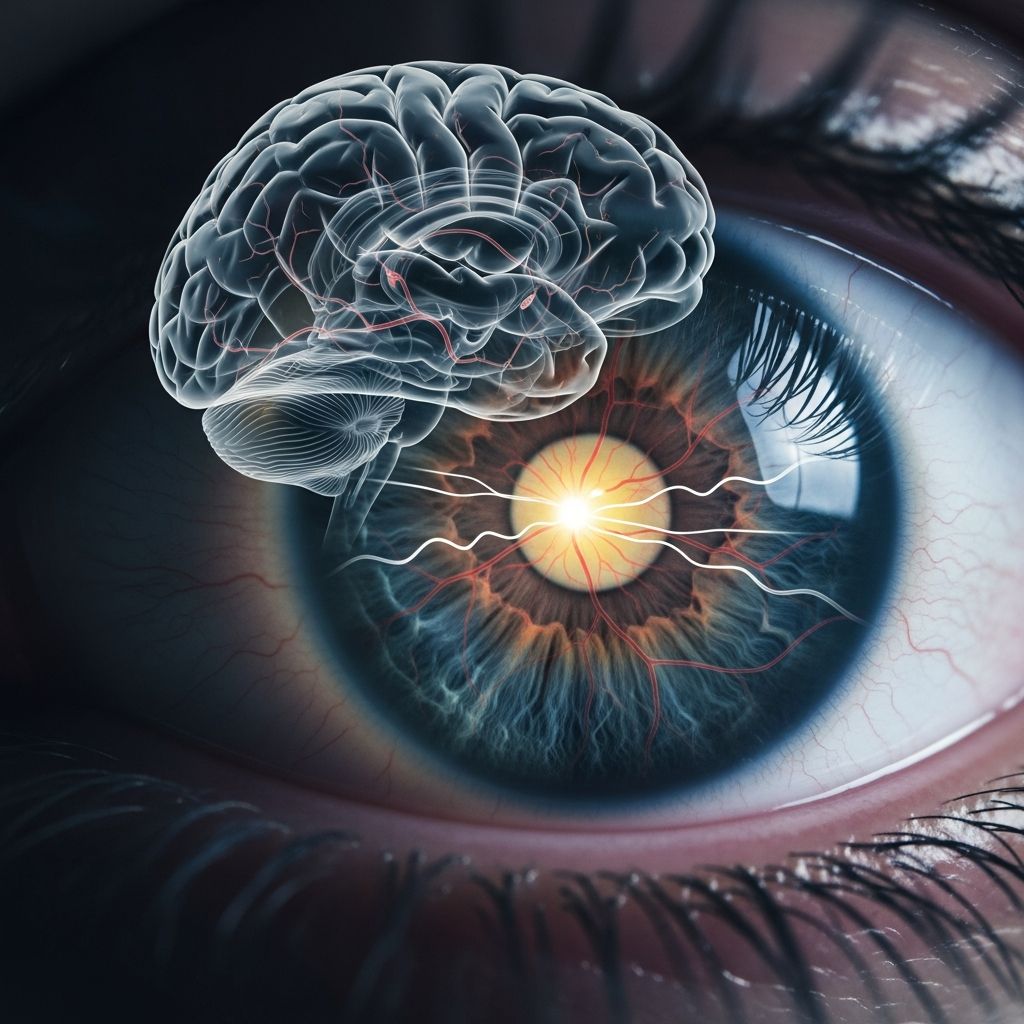
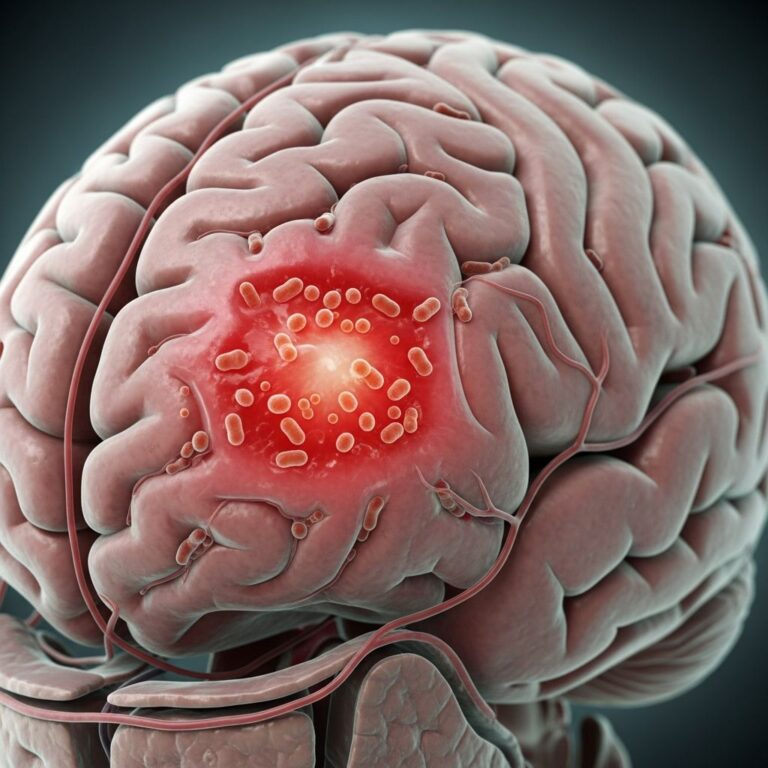
Strokes disrupt blood flow to the brain, often leading to significant visual impairments that affect daily life for many survivors. Approximately 60% of individuals experience some form of vision problem post-stroke, ranging from field defects to eye movement disorders.
Understanding the Stroke-Vision Connection
The brain processes visual information through complex networks involving the occipital lobe, optic nerves, and cranial nerves. When a stroke occurs—typically from a clot or bleed—it damages these areas, causing disruptions in how eyes capture and interpret the world. Right-hemisphere strokes often impact left visual fields, while left-hemisphere events affect the right side. This unilateral damage explains why survivors might ignore one side of their environment, complicating tasks like reading or navigating spaces.
Visual issues arise not just from eye damage but from brain lesions affecting sensory, motor, and perceptual functions. Sensory problems involve acuity and fields; motor issues disrupt eye alignment; perceptual deficits impair object recognition.
Recognizing Warning Signs Before and During a Stroke
Vision changes can herald an impending stroke. Transient monocular visual loss, or amaurosis fugax, feels like a curtain descending over one eye, lasting seconds to minutes due to carotid emboli. Sudden shadows, dark spots, or light sensitivity in the visual field demand immediate care.
During a stroke, FAST symptoms (Face drooping, Arm weakness, Speech difficulty, Time to call emergency) extend to vision: partial loss, blurriness, or blind spots in one or both eyes. Post-event, up to 48% of admissions show impairments, with 56% central vision loss and 40% eye movement issues.
Primary Visual Impairments After Stroke
Stroke survivors face diverse challenges. Here’s a breakdown:
- Visual Field Loss: Affects 30% of cases, creating blind spots or hemianopsia where half the field vanishes. Reading becomes arduous without scanning training.
- Double Vision (Diplopia): Occurs in 16.5% due to cranial nerve damage (III, IV, VI), causing misalignment and strain.
- Blurred or Distorted Vision: Erratic eye teamwork leads to fuzzy sights, worsened by nerve damage.
- Eye Movement Disorders: Nystagmus or gaze paralysis hinders shifting focus, impacting balance.
| Symptom | Prevalence | Brain Area Affected |
|---|---|---|
| Visual Field Loss | 28-30% | Occipital lobe, optic pathways |
| Eye Movement Issues | 40% | Brainstem, cranial nerves |
| Diplopia | 16.5% | Cranial nerves III-VI |
| Central Vision Loss | 56% | Visual cortex |
Data synthesized from clinical studies.
Advanced Perceptual and Spatial Disruptions
Beyond basic sight, strokes cause higher-order issues. Visual neglect, hitting 80% of right-stroke survivors, leads to ignoring one space side—e.g., clock-drawing omits numbers. Agnosia prevents recognizing faces or objects despite intact eyes.
Visual Midline Shift Syndrome (VMSS) skews perceived body center, causing leans, gait instability, and posture shifts as the brain compensates. Bálint syndrome, rarer, features simultanagnosia (missing scene wholes), optic ataxia (reach errors), and apraxia (gaze fixation failure).
Photophobia and poor depth perception further hinder mobility and cognition, linking vision to balance loss.
Diagnosing Vision Problems Post-Stroke
Comprehensive exams by neuro-optometrists or ophthalmologists are vital. Tests assess fields (perimetry), motility, acuity, and perception. Tools like line guides aid reading evaluation; balance checks reveal VMSS.
Early screening post-stroke is crucial, as untreated issues exacerbate motor and cognitive deficits. Healthcare teams tailor plans, predicting recovery timelines.
Rehabilitation Strategies for Vision Recovery
Therapy restores function through targeted exercises. Key approaches:
- Scanning Training: Teaches sweeping gazes to compensate for field cuts.
- Vision Therapy: Improves convergence, reduces diplopia via prisms or lenses.
- Perceptual Retraining: Builds recognition via computer programs.
- Balance Integration: Addresses VMSS with posture exercises.
Related Stories



Optometric rehab often outperforms general care, enhancing memory, reading, and independence. Relaxation techniques ease strain during adaptation.
Prevention: Safeguarding Eyes and Brain
Strokes are preventable. Manage hypertension, diabetes, cholesterol; quit smoking; exercise. Regular eye exams detect risks like carotid disease early. Aspirin or anticoagulants may follow physician advice for high-risk individuals.
Awareness of transient symptoms prompts rapid intervention, averting major events.
Living with Post-Stroke Vision Changes
Adaptations include larger fonts, high-contrast aids, and environmental tweaks like clear pathways. Support groups aid emotional coping. Many regain substantial function with persistence.
Frequently Asked Questions (FAQs)
Can vision issues predict a stroke?
Yes, sudden shadows, monocular loss, or sensitivity signal urgency—seek ER care.
How common are vision problems after stroke?
About 60% of survivors face them, varying by stroke site.
Is recovery possible?
Often yes, via therapy; outcomes depend on damage extent and timeliness.
What’s eye stroke versus brain stroke?
Eye stroke hits retinal arteries, causing painless one-eye loss; brain strokes broadly affect processing.
Who treats these issues?
Neuro-optometrists, ophthalmologists, and stroke teams collaborate.
Vision loss post-stroke profoundly alters life, but informed action—from swift diagnosis to rehab—offers hope. Consult professionals for personalized guidance.
References
- How a Stroke Impacts Vision — Aspire Vision Care. 2023. https://www.aspirevisioncare.com/eye-care-services/vision-therapy-optometrist/how-a-stroke-impacts-vision/
- 4 Ways a Stroke Can Impact Vision — North Park Vision. 2023. https://www.northparkvision.com/5-ways-a-stroke-can-impact-vision/
- FAST Signs of Stroke… are there other signs? — Heart and Stroke Foundation. 2024-02-23. https://www.heartandstroke.ca/stroke/signs-of-stroke/fast-signs-of-stroke-are-there-other-signs
- Visual Disturbances — American Stroke Association. 2023. https://www.stroke.org/en/about-stroke/effects-of-stroke/vision-and-hearing/visual-disturbances
- Eye Stroke – Symptoms and Causes — Penn Medicine. 2024. https://www.pennmedicine.org/conditions/eye-stroke
- Eye Signs in Stroke — PMC (National Library of Medicine). 2022-12-20. https://pmc.ncbi.nlm.nih.gov/articles/PMC9795711/
- Can Vision Changes or Vision Loss Be a Sign of Stroke? — Virtua Health. 2023. https://www.virtua.org/articles/can-vision-changes-or-loss-be-a-sign-of-stroke
Similar Articles








Read full bio of Sneha Tete