Stronger Core: 8 Safer Exercises Instead Of Sit-Ups
Discover effective core exercises that work better than traditional sit-ups for building core strength.
Want a Stronger Core? Skip the Sit-Ups
Building a strong core is essential for overall fitness, improved posture, and better spinal health. However, many people rely on traditional sit-ups as their go-to core exercise. While sit-ups have been a fitness staple for decades, they may not be the most effective or safe way to strengthen your core. In fact, fitness experts increasingly recommend skipping sit-ups in favor of more functional and safer alternatives that engage your core muscles more effectively.
A strong core extends far beyond aesthetics or achieving visible abdominal muscles. Your core encompasses all the muscles that stabilize and support your spine, including your abdominals, obliques, lower back muscles, and glutes. These muscles work together to maintain proper posture, protect your spine, and enable efficient movement in daily activities and sports.
Why Sit-Ups May Not Be Your Best Option
Sit-ups have long been considered a staple of core training, but research and expert analysis reveal several limitations with this traditional exercise. While sit-ups do engage some abdominal muscles, they may not be the most effective choice for developing a truly strong and functional core.
Limited Muscle Activation
Traditional sit-ups primarily target only a portion of your core muscles, particularly the rectus abdominis (the front abdominal muscle). This narrow focus means you’re missing out on strengthening the deeper stabilizer muscles, your obliques, and your lower back. A truly strong core requires balanced development of all these muscle groups working together as an integrated unit.
Potential Spinal Stress
Sit-ups involve repetitive spinal flexion, which can place significant stress on your cervical and lumbar spine, especially when performed with poor form. Many people tend to pull on their neck during sit-ups, increasing strain on the cervical spine. Over time, this repeated flexion can contribute to lower back discomfort and may exacerbate existing spinal issues.
Poor Functional Carryover
Sit-ups don’t closely mimic the way your core muscles function in real-life situations. In everyday activities and sports, your core primarily works to stabilize your spine and maintain proper posture, not to repeatedly flex your spine. Exercises that emphasize stability and anti-rotation are more functionally relevant to how your core actually works.
Superior Core Strengthening Exercises
Modern fitness science has identified numerous exercises that provide superior core strengthening benefits compared to traditional sit-ups. These exercises target multiple core muscle groups, reduce spinal stress, and develop the functional strength you need for daily activities.
The Plank: A Full-Body Core Builder
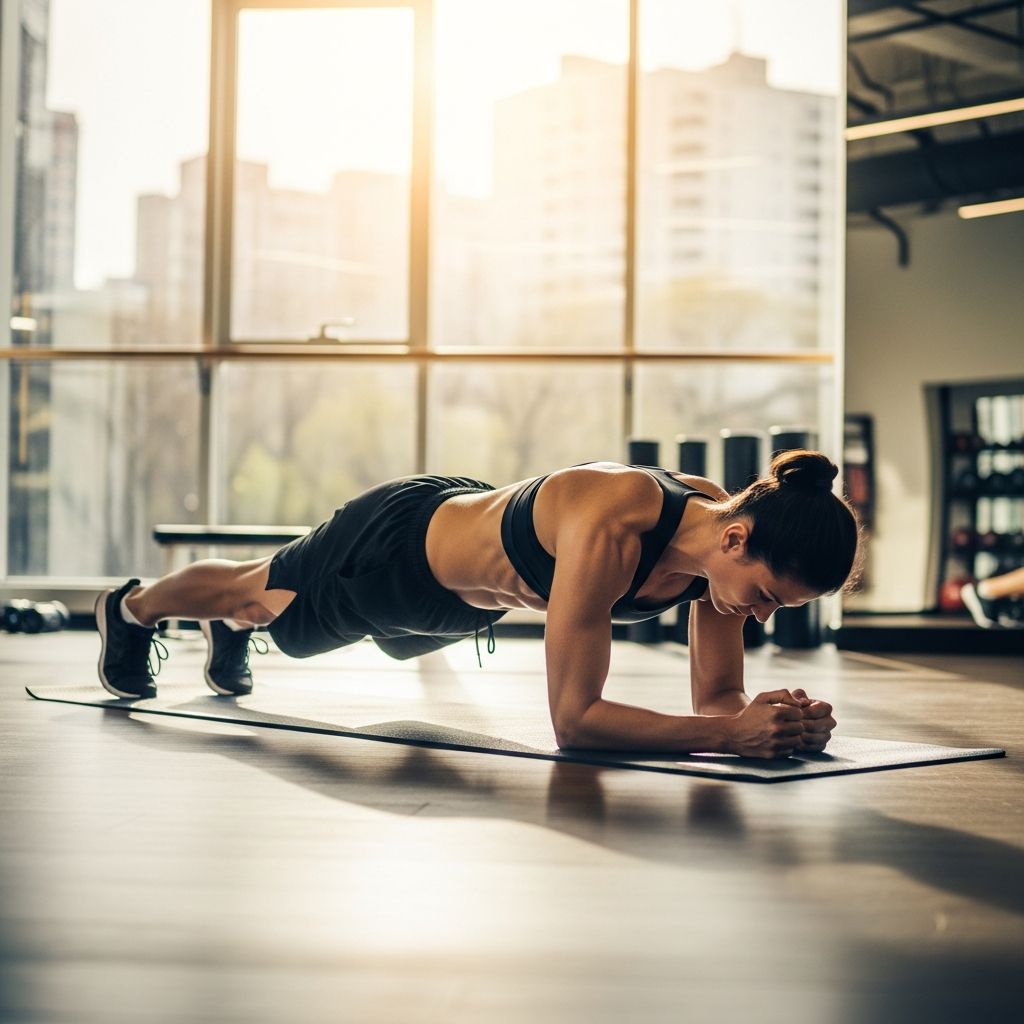
The plank stands out as one of the most effective core exercises available. This exercise is an excellent full-body workout that focuses primarily on your core while simultaneously engaging your arms, back, shoulders, legs, and glutes. Unlike sit-ups, planks emphasize stability and endurance, which translates better to real-world functionality.
To perform a plank correctly, start by kneeling on all fours with your hands positioned directly below your shoulders and your knees below your hips. Tighten your abdominal muscles and straighten your legs into a push-up position. Instead of lowering yourself into a push-up, hold this position steady for 10 seconds or longer. As you progress and build strength, gradually increase your hold time. Beginners can modify this exercise by keeping their knees on the ground, making it more manageable while still providing excellent core engagement.
Related Stories



Side Plank: Targeting Oblique Muscles
The side plank is a valuable variation that shifts focus to the lateral aspects of your core. This exercise effectively strengthens the side of your body, including your obliques and lateral stabilizers, which are often neglected by traditional sit-ups. Side planks also challenge your balance and improve rotational stability.
Begin in a standard plank position, then lift one arm off the ground toward the sky while rotating your body to the side. Your arms should form one straight line from wrist to wrist. Hold this position as long as you can maintain proper form, then lower your arm back to plank position and repeat on the opposite side. If you’re new to this exercise, you can modify it by keeping your knees on the ground to reduce the difficulty while building strength.
The Bridge: Strengthening Your Posterior Chain
Often called the pelvic tilt, the bridge is an excellent exercise for strengthening the muscles in your abdomen and glutes, which work together to protect your lower back and improve your posture. This exercise is particularly beneficial for people who spend extended periods sitting, as it activates and strengthens posterior chain muscles that can become weakened from prolonged sitting.
To perform the bridge, lie on your back with knees bent and arms at your sides, palms facing down. Tighten your core and buttock muscles while raising your hips off the ground, keeping your upper back and shoulders on the floor. Your body should create a straight line from your knees through your hips to your shoulders. Slowly lower your hips back down and repeat for 10 to 15 repetitions. Rest for a minute, then perform another set of repetitions.
Toe Taps: Engaging All Core Muscles
Toe taps, a Pilates-based exercise, may appear simple but effectively engages all your core muscles, including your abdominals, hips, glutes, and legs. This exercise is particularly suitable for individuals with lower back issues or those beginning their core training journey, as it provides an excellent alternative to crunches without the spinal flexion concerns.
Lie on your back and lift your feet off the floor with your hips and knees bent at a 90-degree angle. Place your arms at your sides with palms facing down. Tighten your core muscles while lowering your right foot to gently tap the floor, then return your right leg to the 90-degree position. Repeat with your left leg and continue alternating for 5 to 15 repetitions on each side.
The Crunch: A Modified Approach
While traditional sit-ups may be problematic, crunches offer a more limited range of motion that can reduce spinal stress while still engaging abdominal muscles. However, crunches should be performed with proper form to minimize neck and shoulder strain.
Lie on your back with your knees bent or place your feet on a wall so your knees bend at a 90-degree angle. Cross your arms across your chest. Tighten your abdominal muscles and lift only your head and upper back off the floor, holding this position for three seconds. Slowly lower your upper body back to the floor. Perform as many repetitions as you can maintain with proper form, remembering to keep your neck and shoulders relaxed and lift using your abdominal muscles only.
Reverse Crunches: Targeting Lower Abdominals
Reverse crunches specifically target your lower abdominal muscles near the pelvis, providing balanced core development when combined with upper abdominal exercises. This exercise offers a safer alternative to traditional sit-ups while effectively engaging a different portion of your core.
From a crunch position, lift your feet off the floor with knees at a 90-degree angle and ankles crossed. Place your arms on the floor next to your sides with palms down for support. Tighten your abdominal muscles and pull your hips toward your rib cage, lifting your hips and bottom slightly off the floor. Hold for one second, then slowly lower your hips to the starting position. Aim for 10 to 20 repetitions.
Side Rotation: Engaging Oblique Muscles
Side rotations target your side abdominals and oblique muscles, which are crucial for rotational stability and lateral strength. This exercise develops the muscles that often remain underdeveloped with sit-up-only training programs.
Lie on your back with knees bent and tighten your abdominal muscles. Slowly twist your lower body while dropping your knees as far to the right as is comfortable. The key is to move slowly—the slower movement ensures better muscle engagement. It should feel like a stretch but never painful. Use your abdominal muscles to slowly pull your knees back up to the starting position. Repeat this movement on the left side and continue the sequence up to 15 times.
Standing Side Crunch: Functional Integration
The standing side crunch targets your side abdominals while also engaging your thighs, quadriceps, and glutes, making it a more functional, integrated movement. This standing variation mirrors movement patterns used in daily activities and sports.
Stand with your feet slightly wider than shoulder-width apart, with toes turned slightly outward. Place your hands behind your head and keep your chest open. Bend your knees and squat toward the floor just a few inches—only go as low as feels comfortable. Holding this squatting position, bend your torso to one side as if trying to touch your right thigh with your right elbow. Repeat this movement on the left side. Perform 10 to 15 repetitions on each side.
Building Your Core Training Program
Developing a strong core doesn’t require performing hundreds of sit-ups. Instead, focus on incorporating a variety of effective exercises that target different aspects of your core. A balanced core training program should include:
Stability exercises like planks and side planks that develop endurance and prevent excessive spinal movement. Anti-rotation exercises that strengthen the muscles preventing unwanted rotational movement. Dynamic movements like bridges and crunches that develop strength through controlled motion. Functional exercises like standing side crunches that translate to real-world movement patterns.
Proper Form and Safety Considerations
Regardless of which core exercises you choose, proper form is essential for both effectiveness and injury prevention. Maintain a neutral spine position whenever possible, engage your core muscles throughout each movement, and avoid jerky or ballistic motions. If any exercise causes pain—rather than the expected muscle fatigue—stop immediately and consult a fitness professional or healthcare provider.
When beginning a new core training program, start with exercises that feel manageable and gradually progress to more challenging variations. Building core strength is a progressive process, and consistent practice with proper form will yield better results than attempting advanced exercises with poor technique.
Frequently Asked Questions
Q: Are sit-ups completely bad for core strength?
A: Sit-ups aren’t inherently bad, but they’re less effective than other options and may place unnecessary stress on your spine. Modern core training emphasizes exercises that develop functional strength while minimizing spinal stress.
Q: How often should I perform core exercises?
A: Most fitness experts recommend core training 3-4 times per week. This frequency allows adequate rest between sessions while providing sufficient stimulus for strength development and muscle adaptation.
Q: Can I see visible abdominal muscles with these exercises?
A: These exercises will strengthen your core and build abdominal muscles, but visible definition depends largely on overall body fat percentage. Combined with proper nutrition and cardiovascular exercise, these core workouts contribute to a stronger, more defined midsection.
Q: How long does it take to build a stronger core?
A: Most people notice improved core strength and better posture within 4-6 weeks of consistent training. However, significant strength gains typically develop over several months of regular practice.
Q: Can I perform these exercises if I have lower back pain?
A: Many of these exercises, particularly toe taps, bridges, and planks, are suitable for people with lower back issues. However, consult your healthcare provider before beginning any new exercise program, especially if you have existing back problems.
References
- 9 Best Exercises to Strengthen Your Core — Healthgrades. 2024. https://resources.healthgrades.com/right-care/bones-joints-and-muscles/9-best-exercises-to-strengthen-your-core
- Core Stability and Back Pain: Research and Clinical Applications — American Academy of Orthopaedic Surgeons. 2024. https://www.aaos.org
- The Effectiveness of Core Stability Exercises in Chronic Low Back Pain Management — National Center for Biotechnology Information (NCBI). 2023. https://www.ncbi.nlm.nih.gov/pubmed
- Pilates and Core Strength Training Benefits — American Council on Exercise. 2024. https://www.acefitness.org
Similar Articles








Read full bio of Sneha Tete