The Structure of Normal Skin: Layers, Cells, and Functions
Understanding skin anatomy: The epidermis, dermis, and subcutis explained.
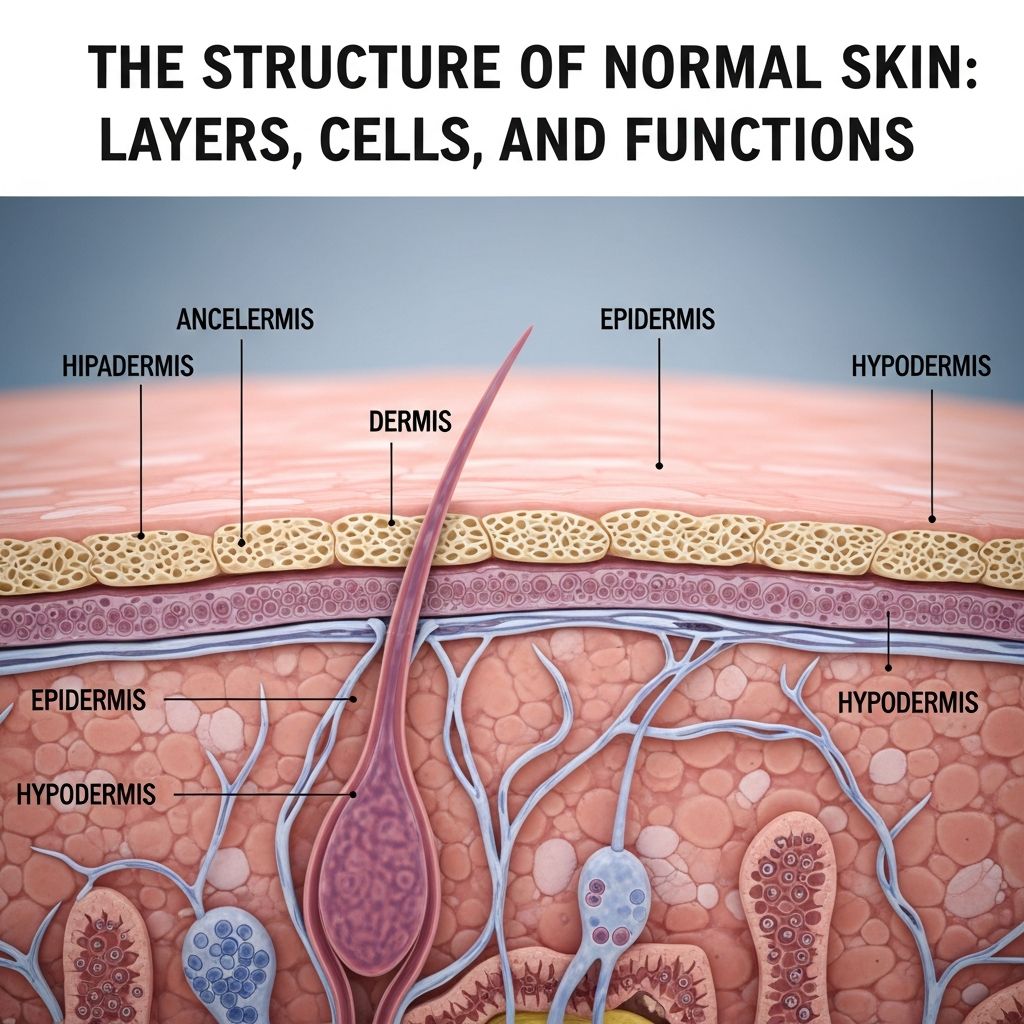
The Structure of Normal Skin
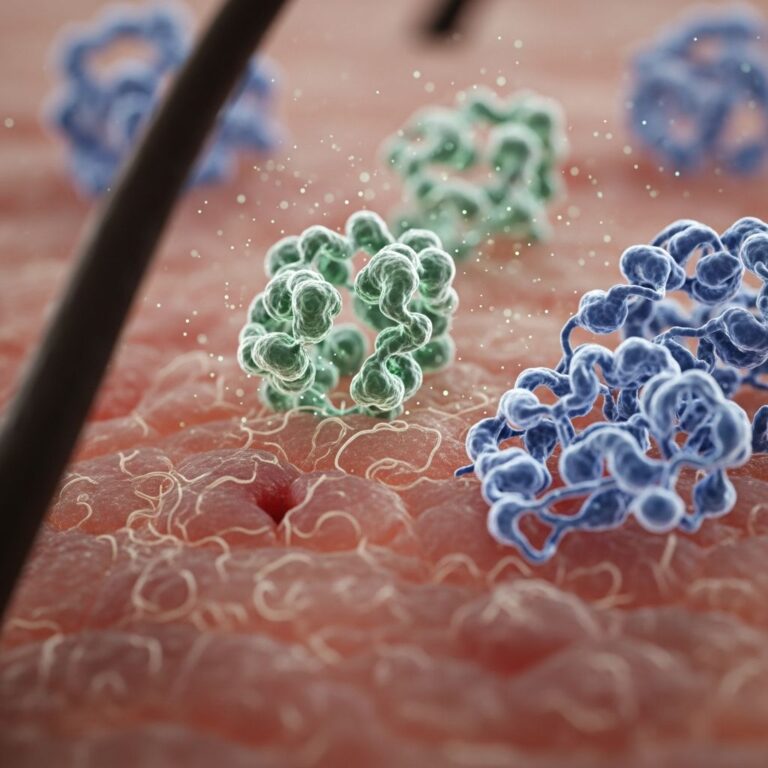
Skin is the largest organ of the human body and serves as a protective barrier between the internal environment and the external world. From top to bottom, the skin consists of three distinct layers: the epidermis, the dermis, and the subcutis. Each layer has specialized structures and functions that work together to maintain skin health, protect against pathogens and environmental damage, and support overall bodily functions such as temperature regulation and sensation.
A. The Epidermis: The Outer Protective Layer
The epidermis is the uppermost or epithelial layer of the skin and represents the interface between the body and the environment. This remarkable layer is composed of stratified squamous epithelium, meaning it consists of multiple layers of flattened cells that are constantly renewing themselves. Keratinocytes make up approximately 95% of the epidermis and are normally renewed every 15 to 30 days, a process that accelerates when the epidermis is injured or in certain skin diseases such as psoriasis.
Epidermal Layers and Cell Types
The epidermis forms an undulating appearance with intermittent regular protrusions called rete ridges or pegs that extend into the upper layers of the underlying dermis. In some areas of the body such as the palms and soles, these rete pegs are less pronounced. The epidermal layer is organized into four distinct sublayers, described from the most superficial to the deepest:
| Layer | Function and Characteristics |
|---|---|
| Stratum Corneum (Horny Layer) | The outermost layer composed of flattened, dead, anuclear keratinocytes. Provides a waterproof barrier and protects against environmental damage. |
| Stratum Granulosum (Granular Layer) | Contains keratinocytes with visible granules of keratin and lipids. Cells begin to flatten and lose their nuclei. |
| Stratum Spinosum (Spinous/Prickly Cell Layer) | Contains keratinocytes connected by desmosomes that give a spiky appearance under microscopy. Cells continue to mature and accumulate keratin. |
| Stratum Basale (Basal Layer) | The deepest epidermal layer where keratinocyte stem cells undergo mitosis to generate new cells that migrate upward. |
As keratinocytes move from the basal layer toward the surface, they become progressively more mature or differentiated and accumulate keratin proteins. Eventually, these cells flatten and form the cornified cells of the stratum corneum, which then fall or rub off as new cells push upward from below.
Specialized Epidermal Cells
Beyond keratinocytes, the epidermis contains three other important specialized cell types, each with distinct roles in skin function and protection:
- Melanocytes: Found primarily in the basal layer of the epidermis, melanocytes are responsible for producing melanin, a pigment that determines skin color and provides protection against ultraviolet (UV) radiation. Melanin is packaged into small structures called melanosomes, which are then transferred to keratinocytes to provide pigmentation and photoprotection.
- Langerhans Cells: These specialized immune cells are distributed throughout the epidermis and function as antigen-presenting cells. They are responsible for helping the body learn and later recognize new allergens and foreign materials, making them crucial for the adaptive immune response of the skin.
- Merkel Cells: Located in the basal layer of the epidermis, Merkel cells are mechanoreceptors involved in touch sensation. However, their exact role and function are not completely understood, and special immunohistochemical stains are required to visualize these elusive cells.
The Basement Membrane Zone
Immediately below the epidermis is the basement membrane zone, a specialized structure that lies between the epidermis and dermis and serves as a critical adhesion interface. This zone includes various protein structures that link the basal layer of keratinocytes to the basement membrane through hemidesmosomes, and the basement membrane to the underlying dermis through anchoring fibrils. The basement membrane plays an essential role in ensuring that the epidermis remains firmly attached to the underlying dermis, maintaining skin integrity and preventing blistering or separation.
Epidermal Appendages and Adnexal Structures
The epidermis gives rise to several specialized appendages also called adnexal structures or adnexae. These include:
Related Stories



- Hair Follicles: Invaginations of the epidermis that extend deep into the dermis. Hair follicles are associated with sebaceous (oil) glands that produce sebum, and with arrector pili smooth muscles. These muscles are responsible for creating goose bumps on the skin in response to cold or emotional stimuli.
- Sweat Glands: Including eccrine glands (thermoregulatory) and apocrine glands (found in specific regions like armpits).
- Nails: Specialized structures formed by the direct extension and modification of epidermal tissue.
B. The Dermis: The Supportive Connective Tissue Layer
The dermis is the fibrous connective tissue layer or supportive layer of the skin, located directly beneath the epidermis. This layer is significantly thicker than the epidermis and provides the skin with essential nutrients, structural support, and toughness. The dermis is organized into two distinct regions: the papillary dermis and the reticular dermis.
Dermal Structure and Organization
The papillary dermis is the upper portion of the dermis situated just below the epidermis, characterized by thin, haphazardly arranged collagen fibers, thin elastic fibers, and ground substance. The dermis contains numerous peg-like formations called dermal papillae that extend upward beneath the basement membrane zone, creating a supportive structure for the overlying epidermis. Each double row of papillae underlies an epidermal ridge, creating the characteristic dermal-epidermal junction pattern.
The reticular dermis comprises the lower portion of the dermis and extends from the papillary dermis down to the subcutaneous tissue. This region is composed of coarse elastic fibers and thick collagen bundles arranged parallel to the skin surface, providing greater tensile strength and elasticity to the skin.
Fibrous Components of the Dermis
The major structural fibers in the dermis include:
- Collagen Fibers: The predominant structural component providing strength and tensile properties to the skin. Collagen fibers are organized differently in the papillary dermis (thin and haphazard) versus the reticular dermis (thick and parallel).
- Elastic Fibers: Composed of elastin protein, these fibers provide elasticity and resilience, allowing the skin to stretch and return to its original shape.
- Ground Substance: A mucopolysaccharide gel that binds collagen and elastic fibers together and provides a medium through which nutrients and waste products can diffuse to and from other tissue components.
Dermal Cells and Cellular Components
The dermis contains various resident cells and transient inflammatory cells essential for skin function and immune defense:
| Cell Type | Function |
|---|---|
| Fibroblasts | Produce and maintain collagen and elastic fibers; synthesize ground substance components. |
| Dermal Dendritic Cells | Present antigens and participate in immune surveillance and response. |
| Mast Cells | Release histamine and other mediators in response to allergic reactions and immune stimulation. |
| Lymphocytes (T cells, B cells, NK cells) | Provide adaptive and innate immune responses; protect against infections and malignancies. |
| Transient Leukocytes | White blood cells that migrate from blood vessels to heal wounds, destroy infections, or respond to inflammatory signals. |
Dermal Innervation and Vascularization
The dermis contains extensive networks of blood vessels and nerves that are critical for skin function. Blood vessels provide nutrients to the epidermis through diffusion across the basement membrane and contribute to thermoregulation through vasodilation and vasoconstriction. Sensory nerves provide the skin’s ability to detect touch, temperature, and pain, making the skin one of the most important sensory organs of the body.
Cellular Communication in the Dermis
The skin cells communicate through the release of biologically active cytokines and chemotactic factors that regulate cellular function and movement. These signaling molecules are too small to visualize on light microscopy but are essential for coordinating immune responses, inflammation, wound healing, and tissue remodeling within the dermis.
C. The Subcutis: The Insulating Fat Layer
The subcutis, also called the subcutaneous tissue, hypodermis, or panniculus, is the deepest layer of skin located immediately below the dermis. This specialized layer functions as a shock-absorbing cushion, provides thermal insulation, and serves as an energy storage depot for the body.
Composition and Organization
The subcutis is mainly composed of fat cells called adipocytes, along with nerves and blood vessels. Fat cells are organized into distinct compartments called lobules, which are separated by structures known as septae. The septae contain nerves, larger blood vessels, fibrous tissue, and additional fibroblasts that maintain the structural integrity of the subcutaneous layer.
Structural Features and Skin Appearance
The organization of fat lobules and septae has important implications for skin appearance. Fibrous septae may create dimples or indentations in the skin, a condition known as cellulite. The thickness and distribution of subcutaneous fat varies across different body regions and between individuals, contributing to differences in skin contour and appearance.
Variation in Skin Structure Across Body Sites
The appearance and structure of normal skin varies significantly according to the site of origin of the tissue and the age, sex, and ethnicity of the subject. For example, the scalp is covered with thick hair for thermal protection, the palms and soles have particularly thick epidermis for protection against mechanical stress, and the face contains large numbers of sebaceous glands that contribute to the skin’s natural moisturization and protective lipid barrier.
The Skin Barrier and Protective Functions
The three-layer structure of skin works in concert to create a sophisticated barrier against environmental threats while maintaining hydration and homeostasis. The stratum corneum acts as a waterproof shield, the basement membrane maintains epidermal-dermal adhesion, and the dermis provides structural support and immune surveillance. This integrated architecture represents millions of years of evolutionary refinement, making skin one of the most remarkable organs of the human body.
Frequently Asked Questions (FAQs)
Q: How often does the epidermis renew itself?
A: Keratinocytes, which comprise 95% of the epidermis, are normally renewed every 15 to 30 days. This process accelerates in response to skin injury or certain diseases like psoriasis.
Q: What is the function of melanocytes?
A: Melanocytes produce melanin, a pigment that determines skin color and provides protection against harmful ultraviolet (UV) radiation. Melanin is packaged into melanosomes and transferred to keratinocytes for photoprotection.
Q: What role do Langerhans cells play in skin immunity?
A: Langerhans cells are immune cells in the epidermis that act as antigen-presenting cells. They help the body recognize and respond to allergens and foreign materials, making them crucial for adaptive immune responses in the skin.
Q: Why is the basement membrane zone important?
A: The basement membrane zone serves as the critical adhesion interface between the epidermis and dermis through hemidesmosomes and anchoring fibrils. It ensures the epidermis remains firmly attached to the dermis, maintaining skin integrity and preventing blistering.
Q: What gives skin its elasticity?
A: Elastic fibers composed of elastin protein in the dermis provide the skin’s elasticity and resilience, allowing it to stretch and return to its original shape.
Q: How does the subcutis contribute to skin function?
A: The subcutis functions as a shock-absorbing cushion, provides thermal insulation, and serves as an energy storage depot. It is primarily composed of adipocytes organized into lobules separated by septae containing nerves and blood vessels.
References
- The Structure of Normal Skin — DermNet New Zealand. 2024. https://dermnetnz.org/topics/the-structure-of-normal-skin
- Principles of Dermatological Practice: Structure of the Epidermis — DermNet New Zealand. 2024. https://dermnetnz.org/cme/principles/structure-of-the-epidermis
- Structure of the Dermis and Subcutis — DermNet New Zealand. 2024. https://dermnetnz.org/cme/principles/structure-of-the-dermis-and-subcutis
- Skin Barrier Function — DermNet New Zealand. 2024. https://dermnetnz.org/topics/skin-barrier-function
Similar Articles








Read full bio of Sneha Tete