Sturge-Weber Syndrome: Overview and Management
Understanding Sturge-Weber Syndrome: causes, symptoms, diagnosis, and treatment options.
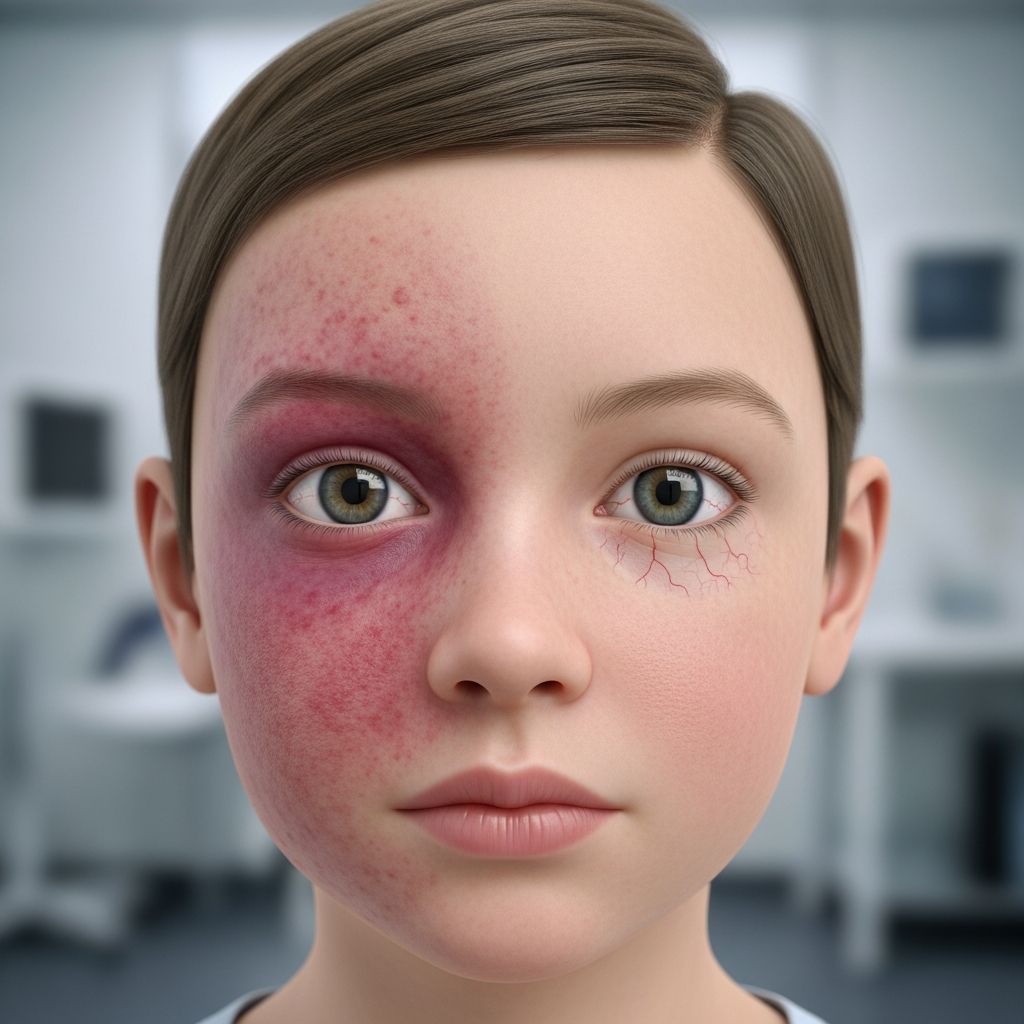
Sturge-Weber Syndrome: A Comprehensive Overview
Sturge-Weber Syndrome (SWS) is a rare congenital neurovascular disorder that affects the development and function of blood vessels in three primary systems: the skin, brain, and eyes. Present at birth, this condition occurs sporadically and is not inherited, meaning it does not run in families. Unlike many genetic disorders, SWS arises from somatic mutations that occur randomly during early development. Individuals with this condition experience a spectrum of symptoms that can vary dramatically from person to person, ranging from mild manifestations affecting only one system to severe involvement impacting all three systems simultaneously.
What Causes Sturge-Weber Syndrome?
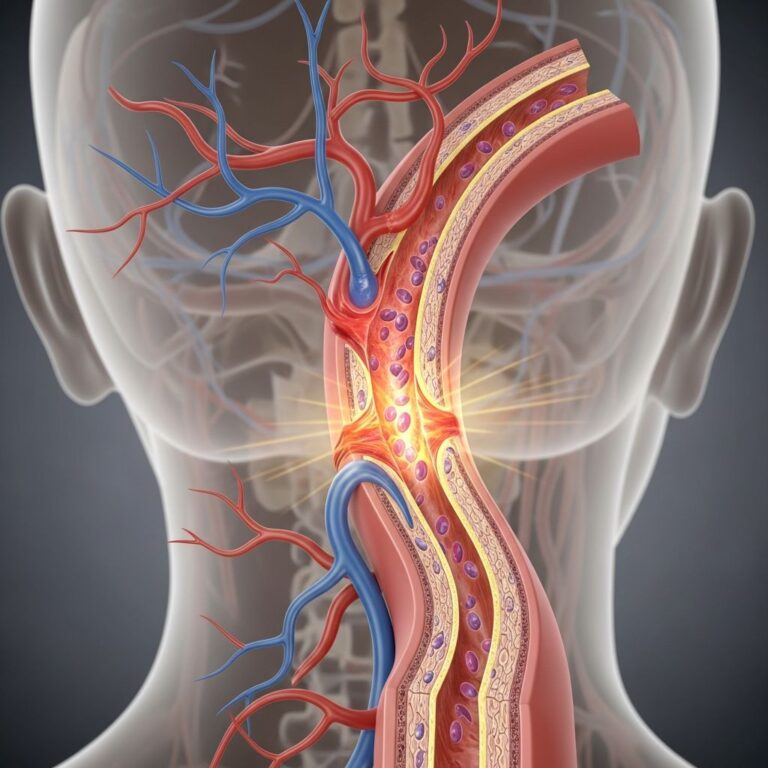
Sturge-Weber Syndrome is caused by a somatic mosaic gene variant, most commonly in the GNAQ gene, with emerging evidence also implicating the GNA11 gene. These mutations are postzygotic, meaning they occur after fertilization during early embryonic development. This results in affected individuals having some cells with a normal gene copy and other cells carrying the mutation—a condition referred to as mosaicism. The presence of this genetic variant leads to abnormal development and proliferation of certain blood vessels, primarily affecting the capillary networks in affected tissues.
The variability of symptoms observed in SWS patients is partly explained by the mosaic pattern of mutations. The ratio of healthy cells to abnormal cells, as well as which specific tissues contain the mutated cells, determines the severity and extent of clinical manifestations. Because somatic variants are not inherited, parents of affected individuals typically have no family history of the condition, and affected individuals do not pass the mutation to their children.
Clinical Features and Symptoms
Cutaneous Manifestations
The hallmark feature of Sturge-Weber Syndrome is the presence of a port-wine birthmark (PWB), also called a port-wine stain or capillary malformation. This distinctive facial birthmark results from an overabundance of capillaries just below the skin’s surface. These tiny blood vessels form an abnormal network that gives the birthmark its characteristic appearance—typically appearing as a flat, pink to deep purple patch on the face.
Port-wine birthmarks commonly appear on the upper face and eyelid, though they can occur elsewhere on the body. If left untreated, these birthmarks may undergo progressive changes over time, including deepening in color, thickening of the skin, and development of blood blisters (blebs) that can rupture and cause spontaneous bleeding. The cosmetic and physical changes associated with port-wine stains can significantly impact quality of life and psychological well-being, particularly in children and adolescents.
Neurological Manifestations
Neurological complications are common in SWS, affecting approximately 70-80% of patients. These complications arise from abnormal malformations of blood vessels on the brain’s surface (leptomeningeal angiomas), which can result in inadequate blood supply, lack of oxygen, formation of blood clots, and tissue death. The spectrum of neurological manifestations is broad and includes:
Seizures: Among the most frequent neurological manifestations, seizures typically begin in infancy or early childhood, often presenting as infantile spasms before the first year of age. Though rare, first seizures can occur in adulthood. Initial seizures may be focal and go unrecognized, but they often progress to generalized seizures and, in severe cases, status epilepticus. Early seizure onset, medical intractability, bilateral brain involvement, and severe unilateral lesions indicate poor prognosis and may require advanced treatment approaches.
Related Stories



Stroke and Stroke-Like Episodes: “Stroke-like” episodes or transient/permanent hemiparesis (weakness or paralysis on one side of the body) occur with relative frequency in SWS. These episodes typically manifest between 6 months and 5 years of age, though when occurring before 6 months, they may result in long-lasting or permanent neurological consequences. Some patients experience transient ischemic attacks (mini-strokes) that can cause temporary weakness or visual field defects.
Cognitive and Developmental Issues: Developmental delays and intellectual disability ranging from mild learning disabilities to severe cognitive deficits can occur, particularly in pediatric patients. Children with severe or uncontrolled seizures commonly experience cognitive impairments. Younger age at seizure onset correlates with lower cognitive function and quality of life. Behavioral problems such as attention deficit disorder, mood disorders, and social difficulties have also been documented, particularly in children with greater seizure frequency and lower cognitive function.
Other Neurological Symptoms: Patients may experience headaches, including migraines, and visual field defects such as hemianopsia (loss of vision in half the visual field). Brain calcifications and cerebral atrophy can develop over time, contributing to progressive neurological decline in some individuals.
Ophthalmological Manifestations
Up to 50% of patients with SWS develop ocular abnormalities of varying severity. The two most common eye-related complications are:
Glaucoma: Patients with SWS face an elevated risk of developing glaucoma, characterized by dangerously high fluid pressure within the eyeball. This condition can lead to progressive vision loss and blindness if not properly managed.
Choroidal Hemangiomas: Vascular malformations in the choroid layer of the eye are common in SWS patients. Additional eye vascular anomalies may affect the conjunctiva, episclera, retina, and choroid regions, potentially leading to optic atrophy and blindness.
Other ocular symptoms can include abnormal accumulation of fluid inside the eyeball (buphthalmos), degeneration of cranial nerves transmitting light signals to the brain (optic atrophy), clouding or displacement of the lenses, retinal detachment, angioid streaks in the retina, and cortical blindness resulting from visual cortex lesions. Some affected individuals may have eyes of different colors (heterochromia iridis).
Diagnosis of Sturge-Weber Syndrome
Diagnosis of SWS typically begins with clinical assessment based on the characteristic triad of port-wine birthmark, brain vascular abnormalities, and ocular involvement. The presence of a facial port-wine birthmark, particularly in the V1 and V2 distribution (upper and mid-face areas), warrants further investigation for SWS.
Neuroimaging studies, particularly MRI with contrast enhancement, can reveal leptomeningeal angiomas and brain abnormalities. MRI may show abnormal venous vasculature, cortical calcifications, and areas of brain atrophy. Some patients may undergo PET imaging to assess cerebral metabolism and identify seizure foci.
Ophthalmologic evaluation is essential to assess for glaucoma and other eye abnormalities. Baseline intraocular pressure measurements and ophthalmic examination should be performed in all suspected cases. Genetic testing for GNAQ and GNA11 mutations can confirm the diagnosis, though clinical and radiological findings are often sufficient for diagnosis.
Management and Treatment Options
Dermatological Treatment
Port-wine birthmarks can be managed through various dermatological interventions. Laser therapy, particularly pulsed-dye laser treatment, is the gold standard for managing facial port-wine stains. This non-invasive approach can reduce the color and thickness of the birthmark, prevent progression, and improve cosmetic appearance. Multiple treatment sessions are typically required, and early intervention in childhood often yields the best results.
Neurological Management
Seizure management is a critical component of SWS treatment. Antiepileptic medications are the first-line approach for seizure control. However, some patients may develop medically refractory seizures that do not respond adequately to multiple medications. In such cases, surgical interventions such as cortical resection or hemispherectomy may be considered, particularly when seizures originate from a focal region and significantly impact quality of life.
Early seizure detection and aggressive management are crucial to prevent cognitive decline and neurological complications. Continuous monitoring for stroke-like episodes is important, and some patients may benefit from prophylactic anticoagulation therapy.
Ophthalmological Care
Regular ophthalmologic screening and monitoring are essential for all SWS patients. Intraocular pressure should be measured periodically to detect and manage glaucoma early. Topical or systemic medications may be prescribed to lower intraocular pressure. In cases of uncontrolled glaucoma, surgical interventions such as glaucoma drainage implants or laser procedures may be necessary to prevent vision loss.
Multidisciplinary Approach
Because SWS is a multi-system disorder, optimal management requires a coordinated multidisciplinary team including dermatologists, neurologists, ophthalmologists, neuroradiologists, and other specialists as needed. Regular follow-up and monitoring throughout the patient’s lifetime are necessary to address emerging complications and adjust treatment plans accordingly.
Prognosis and Quality of Life
The prognosis for individuals with Sturge-Weber Syndrome varies considerably depending on the extent and severity of involvement. Several factors influence long-term outcomes, including age at seizure onset, extent of port-wine birthmark involvement, presence of bilateral brain involvement, and degree of glaucoma development.
Individuals with greater extensive skin involvement, bilateral glaucoma, and more extensive overall SWS involvement typically experience lower quality of life outcomes. Those with earlier seizure onset and more severe neurological manifestations face greater risks of cognitive impairment and disability. However, with appropriate multidisciplinary management, many individuals with SWS can achieve good seizure control, maintain reasonable cognitive function, and lead fulfilling lives.
Frequently Asked Questions
Q: Is Sturge-Weber Syndrome inherited?
A: No, Sturge-Weber Syndrome is not inherited. It occurs sporadically due to random somatic mutations that arise after fertilization. Affected individuals do not pass the condition to their children, and it does not run in families.
Q: When do symptoms of SWS typically appear?
A: Most symptoms are present at birth, with the characteristic port-wine birthmark visible immediately. Seizures typically begin in infancy or early childhood. However, some symptoms, such as glaucoma or stroke-like episodes, may not develop until later in childhood or, rarely, in adulthood.
Q: Can port-wine birthmarks associated with SWS be treated?
A: Yes, pulsed-dye laser therapy is the standard treatment for port-wine birthmarks. This non-invasive procedure can reduce color and thickness, prevent progression, and improve cosmetic appearance. Early treatment in childhood typically produces the best results.
Q: What percentage of SWS patients develop seizures?
A: Seizures affect approximately 70-80% of patients with Sturge-Weber Syndrome, making them one of the most common neurological complications. Early-onset seizures in infancy require prompt medical management.
Q: Are there surgical options for treating SWS?
A: Yes, surgical interventions may be considered for patients with medically refractory seizures, uncontrolled glaucoma, or significant cosmetic concerns. Options include cortical resection for seizure management and glaucoma drainage implants for eye pressure control.
Q: How often should SWS patients be monitored?
A: Individuals with SWS should receive regular multidisciplinary follow-up throughout their lifetime, including periodic neurological assessments, ophthalmologic evaluations, and imaging studies as clinically indicated to monitor for complications and adjust treatment accordingly.
References
- Sturge-Weber Syndrome: A Review of Pathophysiology, Genetics, and Clinical Manifestations — National Center for Biotechnology Information (NCBI). 2023. https://pmc.ncbi.nlm.nih.gov/articles/PMC10145477/
- Sturge Weber Syndrome – Symptoms, Causes, Treatment — National Organization for Rare Disorders (NORD). https://rarediseases.org/rare-diseases/sturge-weber-syndrome/
- Updates on Sturge-Weber Syndrome — American Heart Association Journal. 2022. https://www.ahajournals.org/doi/10.1161/STROKEAHA.122.038585
- Sturge-Weber Syndrome Information — Mount Sinai Health System. https://www.mountsinai.org/health-library/diseases-conditions/sturge-weber-syndrome
Similar Articles








Read full bio of medha deb