Stye: Causes, Symptoms, and Treatment Guide
Complete guide to understanding styes: causes, symptoms, and effective treatment options.
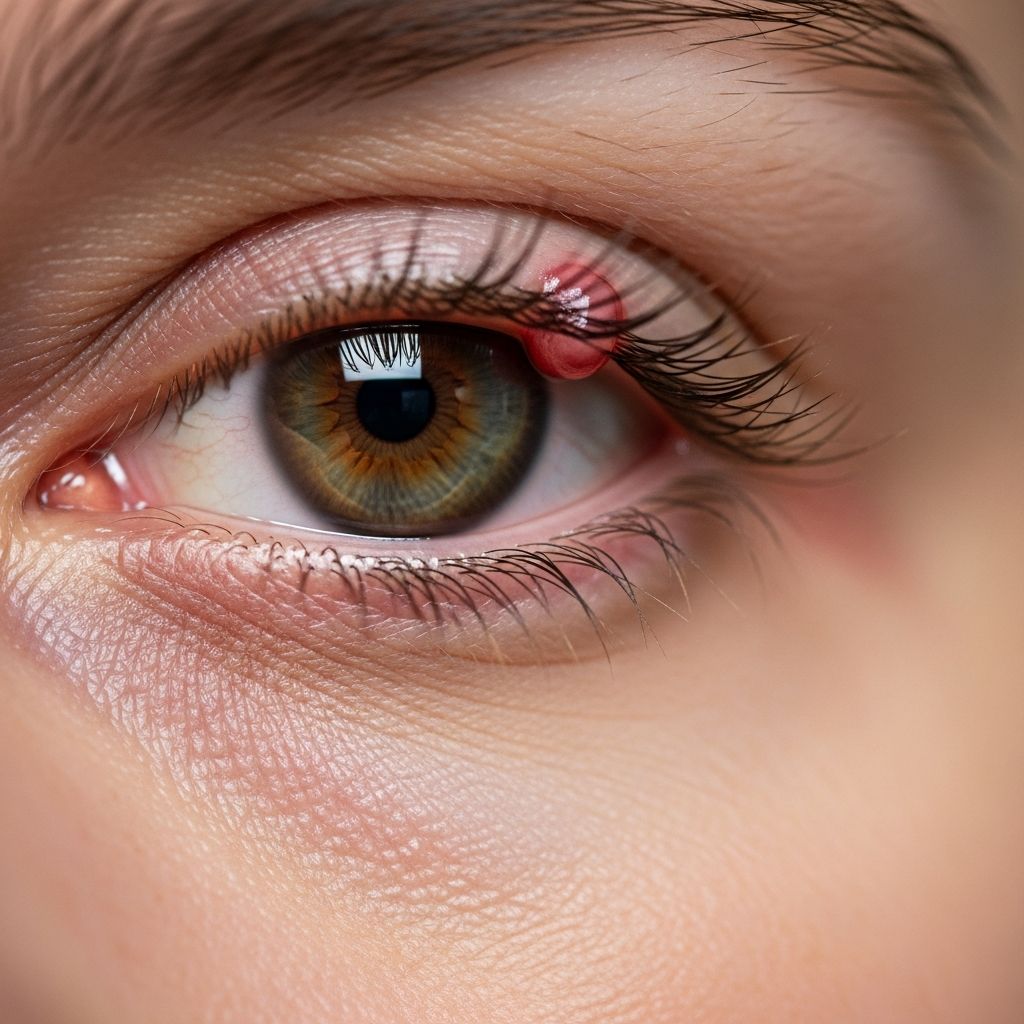
A stye is a common eyelid condition that causes discomfort and irritation for many people. Also known medically as a hordeolum, a stye is an infection that occurs in the oil glands of your eyelids, resulting in a painful, red bump that resembles a pimple. While styes are typically minor inconveniences that resolve on their own, understanding what causes them, how to recognize symptoms, and when to seek treatment can help you manage this condition effectively.
What Is a Stye?
A stye is a bacterial infection that develops in the oil-producing glands of your eyelid. This localized infection causes inflammation and the formation of a painful lump, typically appearing as a red bump on the edge of your eyelid. The condition is caused specifically by the bacterium Staphylococcus aureus, which is one of the most common bacteria found on human skin, eyelids, and eyelashes. While styes are extremely common and tend to go away on their own within one to three weeks, some severe cases may require treatment from an eye care provider to drain the infection or prescribe antibiotics.
Styes are often compared to acne pimples and can be tender to the touch. The infected area becomes swollen and fills with pus, creating the characteristic bump that appears on your eyelid. Most people will experience at least one stye during their lifetime, making it one of the most frequent eye-related complaints.
Types of Styes
Styes can develop in different locations on the eyelid, and understanding which type you have can help you better manage the condition.
External Styes
External styes form on the outer part of your upper or lower eyelid and are the most common type of stye. These develop due to eyelash follicles becoming infected with bacteria. Because they form on the outer surface of the eyelid, they are often more visible and accessible, though this doesn’t mean you should attempt to pop them.
Internal Styes
Internal styes form on the inner eyelid on the side facing your eyeball. This type of stye occurs when an infection develops in the inner eyelid gland that produces oils to keep your eye moisturized. Internal styes may be more uncomfortable since they are located on the sensitive tissue that contacts your eye directly, and they are not as easily visible as external styes.
What Causes a Stye?
Styes are caused by bacterial infections in your eyelid’s oil-producing glands. The most common culprit is Staphylococcus aureus, a bacterium that is found in 20 to 30 percent of human nasal cavities without causing harm. However, when this bacterium gets under the skin, it can become a pathogen and cause infection. Several factors can contribute to the development of a stye:
Common Risk Factors
Several conditions and circumstances increase your likelihood of developing a stye:
- Past stye infections
- Blepharitis (inflammation of the eyelid)
- Certain skin conditions such as acne, rosacea, or dandruff (seborrheic dermatitis)
- Diabetes
- Dry eye syndrome
- Hormonal changes
- High lipid levels (elevated cholesterol)
Related Stories



Styes are most common in adults because adults’ oil glands are thicker and more prone to blockages than children’s glands. If you have a history of styes or experience any of these risk factors, you may be more susceptible to developing this condition.
How Styes Develop
A stye typically forms when bacteria enter the oil glands in your eyelids through various means. You might develop a stye if you rub your eyes with dirty hands, use expired or contaminated cosmetics, share eye makeup with others, or touch surfaces infected with Staphylococcus aureus. Once bacteria enter the follicle or gland, it becomes blocked and infected, leading to the inflammatory response that creates the painful bump.
Recognizing Stye Symptoms
While the main symptom of a stye is the trademark red bump along your eyelid, several other symptoms may accompany this visible sign of infection. Being aware of these symptoms can help you identify a stye early and seek appropriate care:
Primary and Secondary Symptoms
- Red, painful bump on the eyelid
- Swelling of part or the entire eyelid
- Eye discharge or pus
- Crusting around the eyelid
- Light sensitivity
- Soreness and itching
- Excessive eye tearing
- Scratching sensation underneath the eye
The severity of these symptoms can vary depending on the size and location of the stye. Some people experience only mild discomfort, while others may have more pronounced symptoms that affect their daily activities.
Stye vs. Chalazion: Understanding the Difference
Styes are often confused with another eyelid condition called a chalazion, but these are distinct problems requiring different approaches to treatment. Understanding the differences between these conditions is important for proper management.
| Feature | Stye | Chalazion |
|---|---|---|
| Cause | Bacterial infection (usually Staphylococcus aureus) | Blocked and inflamed oil gland (non-infectious) |
| Appearance | Painful, red bump close to eyelashes | Painless or mildly uncomfortable bump farther back on eyelid |
| Onset | Acute development | Slow-growing over time |
| Pain Level | Typically painful and tender | Usually painless unless it becomes infected |
| Duration | Usually resolves in 1-3 weeks | Can last several weeks to months |
While both conditions involve blocked oil glands and appear as bumps on the eyelid, the key difference is that styes are caused by bacterial infection while chalazia result from inflammation without infection. If you experience painful swelling in a bump, monitor it closely and consider scheduling an appointment with an eye doctor if the condition doesn’t improve.
How Long Does a Stye Last?
Most styes follow a predictable timeline for healing. According to eye care professionals, styes typically last about three days before they pop, and then heal completely within about a week. In total, the entire duration from appearance to complete resolution is usually between one to three weeks. The stye will typically go away without requiring any specific medical treatments during this period.
However, you should contact your doctor if certain warning signs develop:
- Your eyelid is swollen shut
- Pus or blood is leaking from the bump
- Pain or swelling increases after a couple of days
- Blisters have formed around the stye
- Your eyelid feels hot
- Your vision has changed or become blurred
- Styes keep coming back repeatedly
Home Treatment and Care for Styes
Most styes can be effectively managed at home with self-care measures that reduce pain and swelling while allowing the infection to resolve naturally. Rather than attempting to pop the stye, which can make the infection worse and cause complications, healthcare professionals recommend letting a stye run its course of about two to three weeks while using home remedies.
Recommended Home Care Strategies
To alleviate symptoms and encourage healing, try the following remedies:
- Apply warm compresses to the affected eyelid multiple times daily to reduce pain and swelling
- Use over-the-counter pain relievers as directed for discomfort
- Avoid touching, rubbing, or squeezing the stye
- Refrain from wearing contact lenses until the stye heals
- Avoid using eye makeup during the healing period
- Keep the area clean and avoid sharing eye products with others
- Maintain good eyelid hygiene by gently cleaning the area
Why You Shouldn’t Pop a Stye
While the urge to pop a stye may be strong, attempting to squeeze or pop it can actually make the condition worse. Popping a stye can cause the infection to spread, leading to increased inflammation and potentially more severe complications. Instead of providing relief, this action typically results in greater pain, swelling, and a longer healing time. Let the stye heal naturally through warm compress treatment and proper hygiene.
When to Seek Medical Treatment
While most styes resolve on their own with home care, certain situations warrant professional medical attention. A healthcare provider can assess the stye and determine if additional treatment is necessary.
Consider seeing a healthcare provider if:
- The stye doesn’t improve within one to two weeks with home remedies
- The stye becomes extremely painful or affects your vision
- Styes are a recurrent issue that keeps returning
- You develop a fever or experience concerning symptoms
- The infection appears to be spreading beyond the initial bump
Professional Treatment Options
If a stye doesn’t respond to home treatment, your healthcare provider may recommend:
- Antibiotic eye drops to help clear the bacterial infection
- Oral antibiotics if the infection is more severe
- An office procedure to drain the stye and relieve pressure
- Investigation to ensure the diagnosis is correct, as persistent bumps should sometimes be biopsied to rule out other conditions
In rare cases, if a stye persists and forms a non-infectious lump caused by blockage and inflammation called a chalazion, surgical drainage may be considered, though surgery is rarely necessary.
Potential Complications
While styes are generally not serious, complications can occasionally develop if left untreated or if the infection spreads. In extremely rare cases, a stye can develop into a more serious condition called orbital cellulitis, where the infection spreads around the eye and behind the eye, potentially affecting vision permanently. This is why seeking treatment for a particularly severe or worsening stye is important.
Preventing Future Styes
While you cannot always prevent styes completely, certain hygiene practices and lifestyle modifications can reduce your risk of developing them:
- Avoid touching your eyes with dirty hands
- Replace eye makeup regularly and discard expired products
- Never share eye makeup or eye care products with others
- Clean your eyelids regularly with gentle cleansers
- Remove contact lenses before bed and maintain proper lens hygiene
- Manage underlying conditions like diabetes and skin conditions
- Maintain healthy cholesterol levels through diet and exercise
- Address hormonal changes with appropriate medical guidance
- Practice good overall hygiene and avoid touching common surfaces and then your eyes
Frequently Asked Questions
Q: Can I get rid of a stye overnight?
A: No, styes typically cannot be eliminated overnight. Most styes last about three days before they pop and then continue healing for approximately a week. However, warm compresses and proper care can help speed up the healing process and reduce discomfort during this time.
Q: Is a stye contagious?
A: While the stye itself is not contagious, the bacteria that causes it (Staphylococcus aureus) can be transmitted to others through direct contact or sharing personal items like eye makeup or towels. Maintain good hygiene to prevent spreading the infection to others.
Q: Can I wear contact lenses with a stye?
A: It’s best to avoid wearing contact lenses while you have a stye. Contact lenses can interfere with healing and may increase discomfort. Switch to glasses during the healing period.
Q: What if my stye keeps coming back?
A: Recurrent styes may indicate an underlying condition such as blepharitis, diabetes, or chronic eyelid problems. If you experience frequent styes, consult with a healthcare provider to identify and address the underlying cause.
Q: Will a stye affect my vision?
A: In most cases, a stye will not affect your eyeball or vision. However, if a stye becomes very swollen, it may droop down into your line of sight and temporarily obscure vision. This typically resolves as the stye heals.
References
- What Is a Stye? — Cleveland Eye Clinic. 2025-02-13. https://clevelandeyeclinic.com/2025/02/13/what-is-a-stye/
- Chalazion vs. Stye: What’s the Difference? — Cleveland Clinic Health. https://health.clevelandclinic.org/chalazion-vs-stye
- Lid Cyst and Stye — Cleveland Clinic Abu Dhabi. https://www.clevelandclinicabudhabi.ae/en/health-hub/health-resource/diseases-and-conditions/lid-cyst-and-stye
- Why You Shouldn’t Pop a Stye — Cleveland Clinic Health. https://health.clevelandclinic.org/can-you-pop-a-stye
- What Causes a Stye and the Best Ways to Get Rid of One — Duke Eye Center. https://dukeeyecenter.duke.edu/news/what-causes-stye-and-best-ways-get-rid-one-featuring-singh
- How To Get Rid of a Stye (Overnight?) — Cleveland Clinic Health. https://health.clevelandclinic.org/how-to-get-rid-of-a-stye
Similar Articles








Read full bio of medha deb