Stye: 4 Effective Home Treatments And When To See A Doctor
Discover causes, symptoms, treatments, and prevention for styes to relieve eyelid discomfort fast.
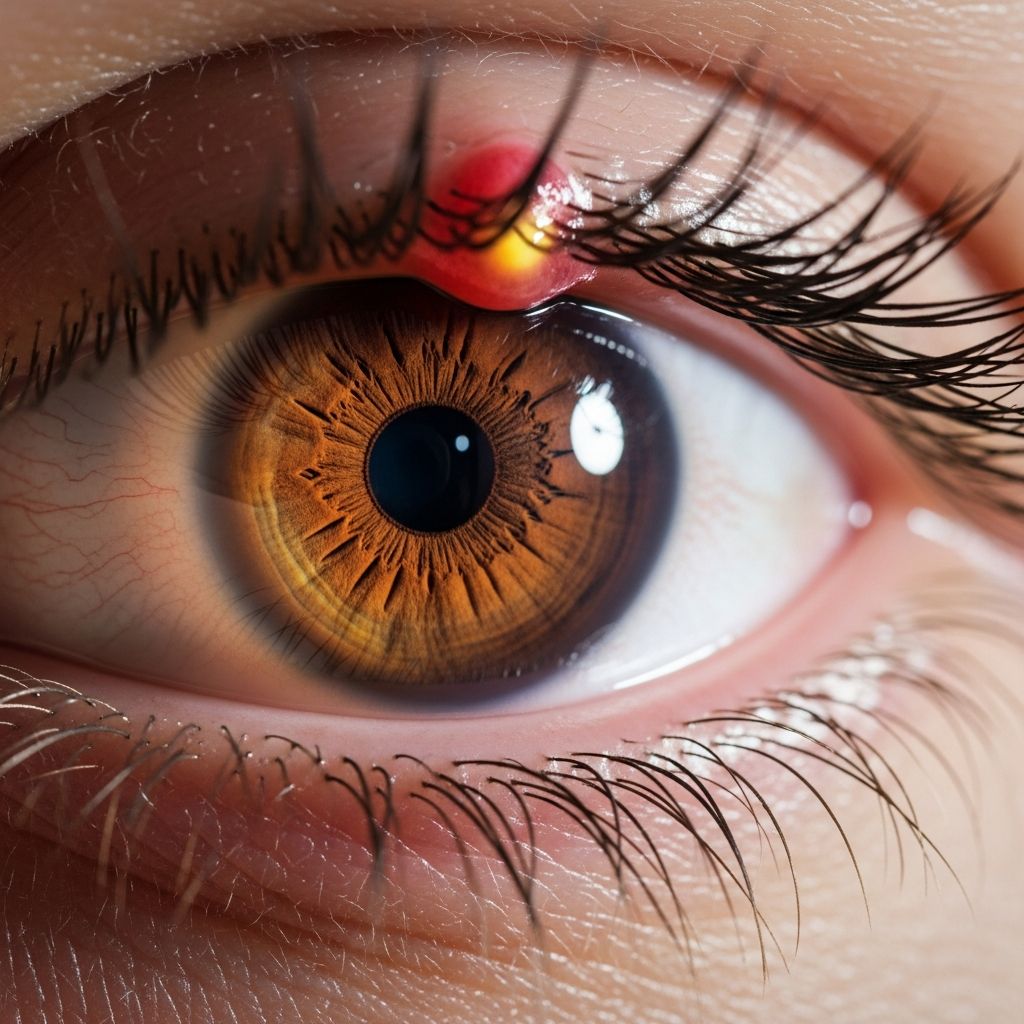
A stye, medically termed hordeolum, represents a common yet uncomfortable eyelid condition characterized by a localized infection in the oil-producing glands.Styes typically manifest as tender, red lumps along the eyelid edge, often resolving with simple care but occasionally requiring professional attention.
What Causes a Stye?
Styes develop when bacteria, primarily Staphylococcus aureus, block and infect the sebaceous glands of the eyelid. These glands, including the glands of Zeis and Moll externally or meibomian glands internally, produce oils to keep eyes lubricated. Blockage from dirt, oil, or dead skin traps bacteria, sparking acute inflammation.
Risk factors amplify susceptibility:
- Poor eyelid hygiene, such as infrequent cleaning or rubbing eyes with unwashed hands.
- Chronic conditions like blepharitis (eyelid inflammation) or meibomian gland dysfunction.
- Systemic issues including diabetes, rosacea, or immunosuppression.
- Habits like heavy makeup use, contact lens wear without proper sanitation, or sharing eye products.
External styes form at eyelash bases, resembling pimples, while internal ones swell the entire lid due to deeper gland involvement. Understanding these triggers empowers proactive eyelid care.
Recognizing Stye Symptoms
Early detection hinges on distinct signs. A stye often begins as localized tenderness and redness at the lid margin, progressing to a swollen, pus-filled nodule within days.
| Symptom | Description | External vs. Internal |
|---|---|---|
| Pain/Tenderness | Sharp discomfort, worse on touch | More focal in external |
| Redness/Swelling | Inflamed area, possible full lid puffiness | Generalized in internal |
| Pus Discharge | Yellow-white head forms | Visible externally |
| Other Effects | Tearing, light sensitivity, crusting, blurred vision if large | Both types |
These align with inflammatory responses: edema from fluid buildup, vascular changes causing warmth, and potential purulent collection. Differentiate from chalazia, which are painless, chronic blockages without infection.
How Styes Progress and Potential Complications
Styes evolve through phases: initial obstruction, bacterial invasion, peak inflammation (days 2-3), drainage, and resolution (1-2 weeks). Most self-resolve, but mismanagement risks escalation.
Complications include:
- Chalazion transformation: Post-infection blockage hardens into a firm lump.
- Preseptal cellulitis: Spread to surrounding eyelid skin, causing broader swelling.
- Orbital cellulitis: Rare but serious orbital extension, demanding urgent IV antibiotics.
- Recurrence: Linked to untreated blepharitis or diabetes, frustrating chronic cases.
Fibrosis or scarring may occur in persistent instances, with granulomatous reactions in chronic forms.
Home Management Strategies
Conservative measures suffice for most styes, promoting drainage and reducing inflammation without antibiotics unless severe.
- Warm Compresses: Apply a clean cloth soaked in warm (not hot) water for 10-15 minutes, 4-6 times daily. This softens the lesion, encourages pus release, and eases pain.
- Lid Hygiene: Gently clean lids with diluted baby shampoo or commercial scrubs. Avoid squeezing to prevent spread.
- Pain Relief: Over-the-counter ibuprofen or acetaminophen for discomfort.
- Hygiene Practices: Discard old makeup, wash hands frequently, avoid contact lenses until healed.
Avoid home lancing; it risks deeper infection. Improvement typically shows in 48 hours.
When to Consult an Eye Specialist
Seek prompt care if:
- No improvement after 48 hours of home treatment.
- Vision changes, severe pain, or fever emerge.
- Swelling affects the entire face or blocks vision.
- Recurrent styes suggest underlying issues.
Related Stories



Diagnosis involves history review (onset, risk factors) and exam for nodule, erythema, discharge. No routine cultures needed for typical cases.
Professional Treatment Options
For persistent styes:
- Antibiotics: Topical erythromycin ointment or oral for cellulitis.
- Steroid Injection: For chalazion conversion, reducing inflammation.
- Incision and Drainage: Outpatient procedure for large, non-draining lesions.
Recurrent cases warrant blepharitis management or systemic evaluation. Biopsy rarely checks for rare malignancies.
Preventing Future Styes
Proactive steps minimize recurrence:
- Maintain daily lid hygiene routines.
- Replace eye makeup every 3-6 months.
- Manage chronic conditions like diabetes or rosacea.
- Avoid eye rubbing; use artificial tears for dryness.
These habits foster healthy meibomian function, curbing blockages.
Stye vs. Similar Conditions
| Condition | Key Features | Treatment Difference |
|---|---|---|
| Stye | Painful, acute, infected | Warm compresses, antibiotics if needed |
| Chalazion | Painless, chronic lump | Warm compresses, steroid/surgery |
| Blepharitis | Chronic lid inflammation | |
| Cellulitis | Diffuse swelling, systemic signs | Systemic antibiotics urgently |
Styes demand swift action due to infection risk, unlike sterile chalazia.
Frequently Asked Questions (FAQs)
Can I pop a stye like a pimple?
No. Popping spreads bacteria, worsening infection. Use warm compresses for natural drainage.
How long does a stye last?
Typically 7-14 days with care; up to a week for drainage alone.
Are styes contagious?
Not usually person-to-person, but bacteria transfer via shared towels or poor hygiene.
Do babies get styes?
Yes, though less common; same treatments apply with pediatric caution.
Can stress cause styes?
Indirectly, via lowered immunity or poor hygiene during stress.
This guide equips you to handle styes effectively, promoting eye health through informed action.
References
- Hordeolum (Stye) – StatPearls — NCBI Bookshelf, NIH. 2023-07-17. https://www.ncbi.nlm.nih.gov/books/NBK459349/
- Chalazion and Hordeolum (Stye) — Merck Manuals Professional Edition. 2023-12-01. https://www.merckmanuals.com/professional/eye-disorders/eyelid-and-lacrimal-disorders/chalazion-and-hordeolum-stye
- Stye (Sty): What It Is, Causes, Symptoms & Treatment — Cleveland Clinic. 2023-11-15. https://my.clevelandclinic.org/health/diseases/17658-stye
- Hordeolum (stye) — American Optometric Association (AOA). 2023-01-10. https://www.aoa.org/healthy-eyes/eye-and-vision-conditions/hordeolum
- Stye — NHS UK. 2022-09-22. https://www.nhs.uk/conditions/stye/
Similar Articles








Read full bio of medha deb