Subacute Cutaneous Lupus Erythematosus: Causes, Symptoms & Treatment
Understanding SCLE: Causes, clinical features, diagnosis and effective management strategies for photosensitive lupus skin disease.
Subacute Cutaneous Lupus Erythematosus: A Comprehensive Overview
Subacute cutaneous lupus erythematosus (SCLE) is a distinctive subtype of cutaneous lupus erythematosus that presents as a widespread, non-scarring photosensitive rash affecting the skin. This condition represents a significant subset of lupus pathology, affecting approximately 10% of all patients diagnosed with lupus. Unlike the systemic manifestations seen in systemic lupus erythematosus (SLE), SCLE primarily targets the skin, though it can be associated with underlying systemic disease in some patients. Understanding the clinical presentation, etiology, and management of SCLE is essential for dermatologists and primary care physicians who encounter this condition in their practice.
Demographics and Epidemiology
SCLE demonstrates specific demographic patterns that distinguish it from other forms of cutaneous lupus. The condition affects individuals across various age groups, though it typically emerges in adults. Notably, SCLE shows different gender prevalence patterns compared to systemic lupus erythematosus. Geographic and ethnic variations in disease prevalence have been documented, with certain populations showing higher predisposition due to underlying genetic factors. The condition’s prevalence data emphasizes the importance of clinical recognition and appropriate diagnostic evaluation in affected populations.
Causes and Pathogenesis
The etiology of SCLE involves a complex interplay between genetic predisposition and environmental triggers. Understanding these causative factors is crucial for both disease prevention and patient counseling.
Genetic Factors
SCLE demonstrates strong genetic associations, particularly with specific human leukocyte antigen (HLA) haplotypes. The condition is predominantly associated with the HLA-A1-B8-DR3-DQ2-DRw52-C4null ancestral haplotype. Additional genetic associations have been identified, contributing to the overall disease susceptibility profile. These genetic markers indicate that individuals carrying these specific HLA types have a substantially increased risk of developing SCLE when exposed to environmental triggers. The genetic component explains the familial clustering of lupus-related conditions and the heritable nature of disease susceptibility.
Environmental Triggers
Environmental factors play a pivotal role in initiating autoimmunity and breaking immune tolerance in genetically predisposed individuals. The primary environmental triggers include:
- Ultraviolet radiation (UVR): Exposure to ultraviolet light is the most significant environmental trigger for SCLE. UVR increases the expression of Ro/SSA antigen on the surface of keratinocytes, which subsequently binds anti-Ro/SSA antibodies, perpetuating the disease process.
- Photosensitizing drugs: Certain medications can increase skin sensitivity to sunlight, exacerbating disease manifestations.
- Tobacco use: Smoking has been documented to reduce the efficacy of antimalarial treatment and may worsen disease progression.
- Infections: Viral and bacterial infections may serve as disease triggers in susceptible individuals.
- Other environmental exposures: Pesticide exposure and other environmental pollutants have been implicated as potential disease triggers.
Drug-Induced SCLE
Approximately 20–40% of SCLE cases are drug-induced, representing a significant proportion of disease burden. The incubation period for drug-induced SCLE varies considerably, ranging from a few days for chemotherapy agents such as capecitabine and paclitaxel to several years for other medications. One documented case reported disease onset five years after initiating thiazide diuretic therapy. Medications commonly associated with SCLE include ACE inhibitors, calcium channel blockers, proton pump inhibitors, thiazide diuretics, anti-fungal agents, and tumor necrosis factor (TNF) inhibitors. Other pharmacologic agents that may trigger SCLE include various antibiotics and anti-seizure medications. Recognition of drug-induced etiology is important because discontinuation of the causative agent may lead to disease resolution, though this process can be protracted, with studies showing a mean resolution time of seven weeks.
Related Stories



Malignancy Association
Emerging evidence indicates temporal associations between SCLE and underlying malignancies, including carcinoma of the lung, esophagus, prostate, cholangiocarcinoma, and B-cell lymphoma. Patients with newly diagnosed SCLE should be evaluated for occult malignancy, particularly in cases with atypical presentations or rapid disease progression.
Clinical Features and Presentation
SCLE manifests with characteristic cutaneous lesions that typically develop on sun-exposed areas of the body. The clinical presentation includes two distinct morphologic patterns:
Papulosquamous Lesions
The papulosquamous variant presents as red, scaly patches that resemble pimples but rapidly spread to cover extensive skin surface areas. These lesions typically appear on the shoulders, back, and chest, with a strong correlation to sun exposure. The lesions are non-scarring but may leave residual skin discoloration following resolution.
Annular Lesions
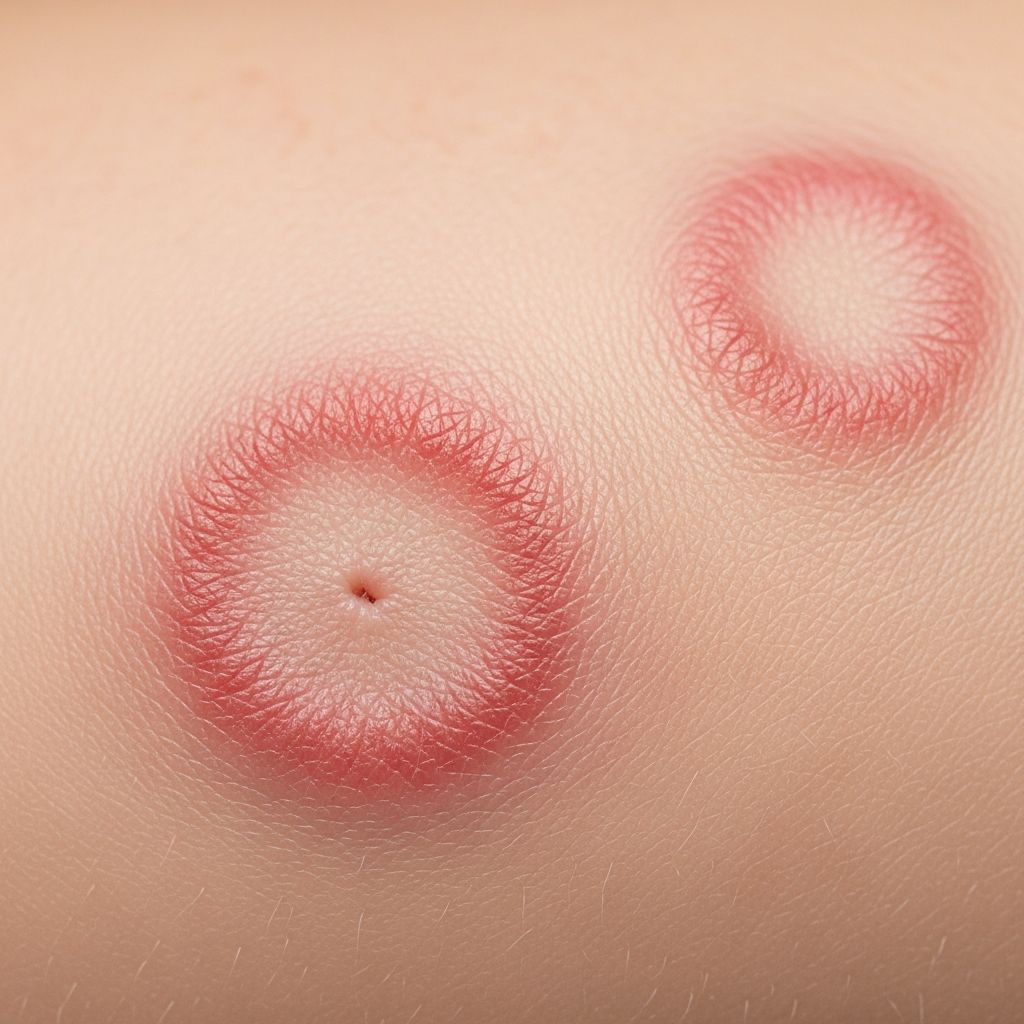
The annular variant manifests as flat pink circles with red exterior borders. These lesions demonstrate considerable variability in size and can develop on most body surfaces except the face. Annular lesions may be mistaken for psoriasis or other dermatologic conditions, underscoring the importance of accurate clinical diagnosis through appropriate investigations.
General Characteristics
SCLE lesions are predominantly non-pruritic and non-painful, distinguishing them from certain other cutaneous conditions. The rash is non-scarring but frequently produces post-inflammatory hyperpigmentation or hypopigmentation upon resolution. Lesions are characteristically photosensitive and typically flare upon sun exposure, particularly during summer months. The distribution pattern predominantly affects the trunk and extremities, with facial involvement being uncommon.
Complications
While SCLE primarily affects the skin, systemic involvement occurs in a subset of patients. Approximately 10–15% of SCLE patients develop systemic lupus erythematosus, including renal and neurological involvement. This progression underscores the importance of monitoring patients for systemic manifestations and performing appropriate laboratory investigations. Some patients develop associated autoimmune conditions such as Sjögren syndrome, requiring comprehensive clinical assessment and multidisciplinary management.
Diagnosis
Accurate diagnosis of SCLE requires clinical assessment combined with appropriate diagnostic investigations. The characteristic presentation on sun-exposed areas combined with serology findings typically supports the diagnosis. Skin biopsy demonstrates features of subacute inflammation at the dermal-epidermal junction, though histologic findings cannot distinguish between drug-induced and idiopathic SCLE. Serologic testing reveals anti-Ro/SSA antibodies in the majority of SCLE cases, with anti-La/SSB antibodies present in a subset of patients. Direct immunofluorescence microscopy demonstrates lupus band patterns, with deposition of immunoglobulins and complement components at the basement membrane zone.
Differential Diagnoses
Several conditions may resemble SCLE and should be considered in the differential diagnosis:
- Other cutaneous lupus variants, particularly acute cutaneous lupus and discoid lupus erythematosus
- Psoriasis, especially when annular lesions are present
- Tinea corporis and other fungal infections
- Polymorphous light eruption
- Erythema multiforme
- Secondary syphilis
- Pityriasis rosea
Careful clinical evaluation, histopathologic examination, and serologic testing help differentiate SCLE from these conditions and establish an accurate diagnosis.
Treatment Strategies
Management of SCLE is multifaceted, focusing on sun protection, topical therapies, and systemic antimalarial agents as first-line treatment.
Sun Protection
Sun protection is paramount in SCLE management and should be emphasized to all patients. Protective measures include wearing protective clothing, using broad-spectrum sunscreen with sun protection factor (SPF) of 30 or higher, seeking shade during peak ultraviolet hours (10 AM to 4 PM), and avoiding photosensitizing medications when possible.
Topical Therapies
Topical treatments may include topical corticosteroids of varying potency, calcineurin inhibitors, and other anti-inflammatory agents. These agents provide symptomatic relief and may reduce local inflammation, though they do not address the underlying systemic component of disease.
Antimalarial Therapy
Hydroxychloroquine represents the main systemic treatment for SCLE and is considered first-line therapy. This antimalarial agent demonstrates efficacy in controlling disease manifestations and preventing flares. Chloroquine represents an alternative antimalarial option, though it carries a higher risk of ocular toxicity compared to hydroxychloroquine. Unfortunately, antimalarial efficacy is diminished in smokers, making smoking cessation an important adjunctive intervention. Response to antimalarial therapy typically occurs over weeks to months, requiring patient patience and compliance with long-term treatment.
Second-Line Agents
In approximately 25% of cases, monotherapy with antimalarial agents proves insufficient, necessitating combination therapy or alternative agents. Second-line treatment options include:
- Systemic corticosteroids at the lowest effective dose
- Retinoids, including acitretin or isotretinoin
- Immunosuppressive agents such as azathioprine or mycophenolate mofetil
- TNF inhibitors in select cases
- Other investigational agents in refractory disease
Treatment Outcomes and Prognosis
SCLE generally responds well to appropriate treatment, with most patients achieving significant improvement in skin manifestations. However, the condition is characterized by a propensity for seasonal flares, particularly during summer months when ultraviolet exposure intensifies. Long-term disease control requires adherence to sun protection measures and consistent pharmacologic therapy. Drug-induced SCLE may show prolonged resolution after discontinuation of the offending agent, with studies demonstrating a mean resolution time of approximately seven weeks. Patients require long-term follow-up and monitoring for systemic disease progression, particularly given the 10–15% risk of developing systemic lupus erythematosus with associated renal or neurological involvement.
Patient Management and Lifestyle Considerations
Living with SCLE requires comprehensive disease management extending beyond pharmacologic interventions. Patients should maintain consistent sun protection practices year-round, with particular vigilance during summer months and outdoor activities. Regular follow-up appointments allow for disease monitoring, treatment optimization, and early detection of systemic manifestations. Dermatologic and internal medicine collaboration ensures comprehensive care addressing both cutaneous and systemic aspects of disease. Patient education regarding disease triggers, medication adherence, and long-term disease trajectory facilitates informed decision-making and improved health outcomes. Support groups and patient resources provide psychological support and practical strategies for living with chronic skin disease.
Frequently Asked Questions
Q: Can SCLE develop into systemic lupus erythematosus?
A: Yes, approximately 10–15% of patients with SCLE develop systemic lupus erythematosus with potential renal and neurological involvement. Regular monitoring is essential for early detection of systemic disease.
Q: Is SCLE caused by medications reversible?
A: Drug-induced SCLE may improve after discontinuing the causative medication, though resolution can take a mean of seven weeks or longer. Consult with your physician before stopping any medications.
Q: How effective is hydroxychloroquine for SCLE treatment?
A: Hydroxychloroquine is the first-line antimalarial treatment for SCLE and demonstrates good efficacy in most patients. However, effectiveness is reduced in smokers, making smoking cessation important for optimal treatment response.
Q: Does SCLE cause permanent scarring?
A: No, SCLE is characteristically non-scarring. However, lesions may leave temporary skin discoloration (hyperpigmentation or hypopigmentation) after resolution.
Q: What triggers SCLE flares?
A: Ultraviolet radiation exposure is the primary trigger for SCLE flares. Sun protection measures, including sunscreen use and protective clothing, are essential for preventing disease exacerbations.
References
- Subacute Cutaneous Lupus Erythematosus — DermNet NZ. 2024. https://dermnetnz.org/topics/subacute-cutaneous-lupus-erythematosus
- Subacute Cutaneous Lupus: What It Is, Symptoms & Treatment — Cleveland Clinic. 2024. https://my.clevelandclinic.org/health/diseases/21583-subacute-cutaneous-lupus
- Types of Cutaneous Lupus — NYU Langone Health. 2024. https://nyulangone.org/conditions/cutaneous-lupus/types
- Lupus – Symptoms & Causes — Mayo Clinic. 2024. https://www.mayoclinic.org/diseases-conditions/lupus/symptoms-causes/syc-20365789
- Cutaneous Lupus Symptoms and Treatment — Arthritis Foundation. 2024. https://www.arthritis.org/diseases/more-about/cutaneous-lupus-symptoms-and-treatments
- Lupus Symptoms — MedlinePlus, U.S. National Library of Medicine. 2024. https://medlineplus.gov/lupus.html
- Subacute Cutaneous Lupus Erythematosus — StatPearls, National Center for Biotechnology Information. 2024. https://www.ncbi.nlm.nih.gov/books/NBK554554/
Similar Articles








Read full bio of medha deb