Subarachnoid Hemorrhage (SAH): Symptoms & Treatment
Understanding SAH: A medical emergency requiring immediate intervention and specialized care.
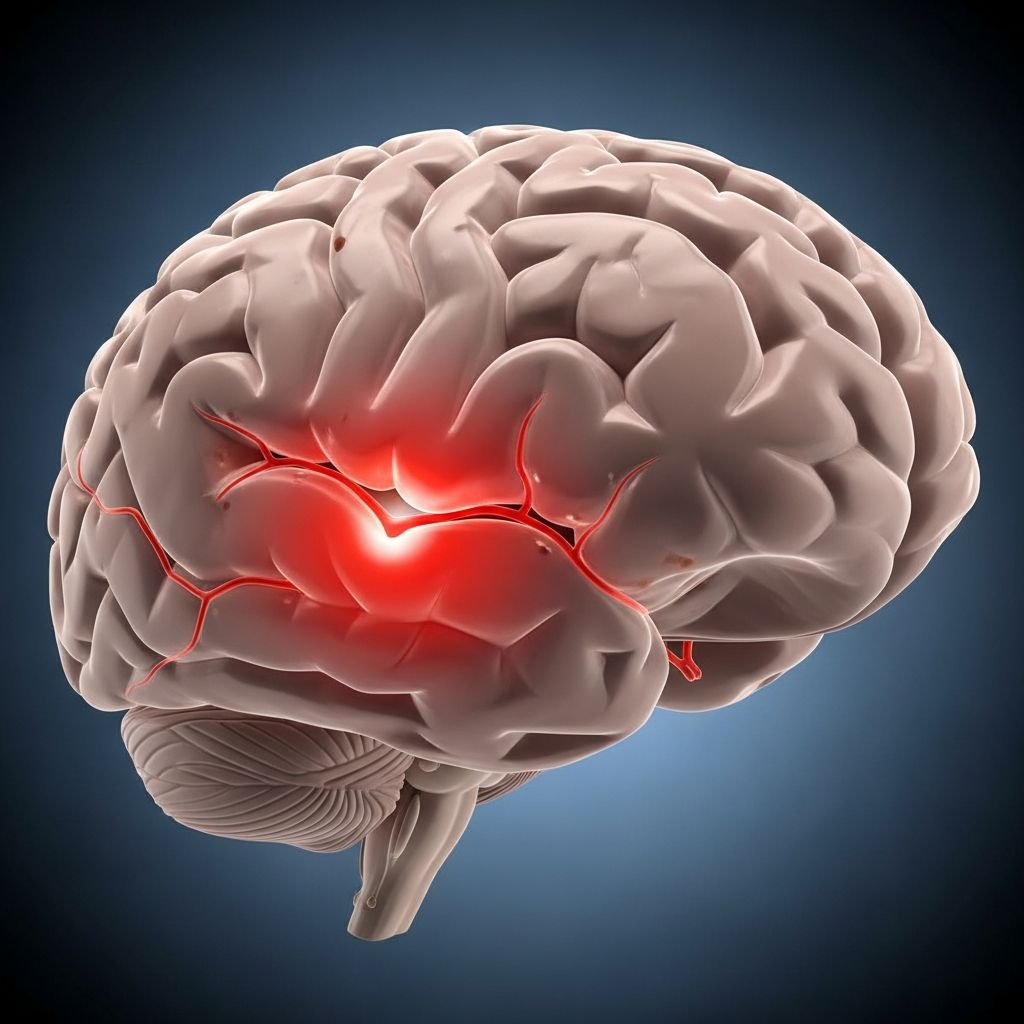
Understanding Subarachnoid Hemorrhage (SAH)
A subarachnoid hemorrhage (SAH) is a life-threatening medical emergency characterized by bleeding in the space between the arachnoid mater and pia mater—the protective membranes that surround the brain and spinal cord. This delicate space, known as the subarachnoid space, normally contains cerebrospinal fluid that cushions and protects the brain. When bleeding occurs in this region, it can cause immediate and severe consequences, including brain damage, stroke, and death if not treated promptly. Understanding the causes, symptoms, and treatment options for SAH is critical for both patients and their families.
What Causes Subarachnoid Hemorrhage?
Subarachnoid hemorrhage can result from various causes, with the most common being a ruptured cerebral aneurysm. An aneurysm is a weakened area in a blood vessel wall that balloons outward, and when it ruptures, blood spills into the subarachnoid space. Other significant causes include:
- Head trauma or severe head injuries
- Arteriovenous malformations (AVMs)—abnormal connections between arteries and veins in the brain
- Blood vessel disorders such as vasculitis
- Anticoagulant medications or bleeding disorders
- Cocaine use, particularly when combined with hypertension
- Severe hypertension leading to blood vessel rupture
While ruptured aneurysms account for approximately 80-85% of non-traumatic SAH cases, identifying the underlying cause is essential for determining the most appropriate treatment approach.
Recognizing Symptoms of Subarachnoid Hemorrhage
The symptoms of SAH typically appear suddenly and can be severe and debilitating. Patients often describe experiencing the worst headache of their life, accompanied by other acute neurological symptoms. Key warning signs include:
- Sudden, severe headache—often described as thunderclap or explosive
- Neck stiffness and pain
- Photophobia—sensitivity to light
- Nausea and vomiting
- Changes in vision or eye pain
- Dizziness and loss of consciousness
- Seizures or convulsions
- Weakness or paralysis in parts of the body
- Altered mental status or confusion
- Loss of consciousness
These symptoms can develop within minutes to hours following the bleeding event. Any person experiencing a sudden, severe headache combined with other neurological symptoms should seek emergency medical attention immediately, as SAH is a medical emergency requiring rapid intervention.
Diagnosis of Subarachnoid Hemorrhage
Prompt and accurate diagnosis is crucial in SAH management. Medical professionals use several diagnostic tools to confirm the presence of bleeding and identify its cause. The diagnostic process typically includes:
- Computed Tomography (CT) Scan—The primary imaging tool that can detect blood in the subarachnoid space with high sensitivity, particularly when performed within the first 24 hours
- Lumbar Puncture (Spinal Tap)—Performed if CT scan is negative but clinical suspicion remains high; reveals blood in cerebrospinal fluid
- Cerebral Angiography—Identifies the source of bleeding, particularly aneurysms or AVMs
- Magnetic Resonance Imaging (MRI)—May be used to detect vascular abnormalities and assess brain tissue damage
- Blood pressure and heart rate monitoring—Assesses hemodynamic stability
These diagnostic procedures not only confirm the diagnosis but also guide treatment planning by identifying the specific cause of the hemorrhage.
Emergency Treatment and Stabilization
SAH is a medical emergency requiring immediate hospitalization and specialized care. The initial treatment focuses on stabilizing the patient and preventing life-threatening complications. The emergency management team checks and monitors:
- Breathing and oxygen levels
- Blood pressure and heart rate
- Blood flow to critical organs
- Neurological function through Glasgow Coma Scale assessment
- Electrolyte levels and blood sugar
Pain management is initiated immediately, typically using opioid analgesics for severe headaches. However, aspirin and other nonsteroidal anti-inflammatory medications are avoided, as they can worsen bleeding. Additionally, stool softeners are prescribed to prevent straining during bowel movements, which can increase intracranial pressure and trigger rebleeding.
Related Stories



Surgical and Endovascular Treatment Options
The definitive treatment for SAH depends on the underlying cause and severity. When an identifiable source such as an aneurysm or AVM is present, surgical or endovascular intervention is typically necessary to prevent rebleeding. The primary surgical options include:
Neurosurgical Clipping
This traditional surgical approach involves making an incision in the scalp and removing a small piece of bone from the skull to access the aneurysm. A tiny metal clip is then placed directly on the aneurysm to seal it and prevent blood flow. After the clip is secured, the bone is replaced and the incision is closed. This procedure provides immediate aneurysm occlusion and has been the gold standard for many decades.
Endovascular Coiling
A less invasive alternative to surgical clipping, endovascular coiling involves threading a thin, flexible catheter through blood vessels, typically entering through an artery in the groin or leg. The catheter is guided to the site of the aneurysm, and detachable platinum coils are passed through the catheter into the aneurysm. These coils induce blood clotting within the aneurysm, reducing blood flow and sealing the rupture. This minimally invasive technique often results in shorter recovery times compared to surgical clipping.
Advanced Endovascular Techniques
Newer treatment modalities have been developed for complex aneurysms that may not be suitable for standard coiling or clipping:
- Stent-Assisted Coiling—Combines coils with stent placement to provide structural support and improved aneurysm occlusion
- Balloon-Assisted Coiling—Uses temporary balloon inflation to support coil placement
- Flow Diversion—Specialized devices that redirect blood flow away from the aneurysm
- Embolization—Injection of glue-like substances to encourage blood clotting within the lesion
Treatment for Arteriovenous Malformations
When SAH results from AVM rupture, treatment options may include embolization, surgical resection, or radiosurgery. The choice depends on factors such as AVM location, size, and hemodynamic characteristics.
Managing Complications and Symptoms
Beyond treating the primary cause of bleeding, comprehensive management focuses on preventing and treating complications that commonly develop after SAH.
Vasospasm Prevention and Treatment
Vasospasm, a constriction and narrowing of blood vessels in the brain, is a common and serious complication occurring in 30-40% of SAH patients. Blood in the subarachnoid space irritates arteries, causing them to constrict and reducing blood flow, which can trigger stroke. Prevention and treatment strategies include:
- Nimodipine Administration—A calcium channel blocker that is the only medication with consistent, high-quality evidence for decreasing delayed cerebral ischemia (DCI) and is now standard of care.
- Blood Pressure Management—Careful regulation of blood pressure to maintain adequate cerebral perfusion while preventing rebleeding
- Endovascular Techniques—If vasospasm is resistant to medication, endovascular procedures such as balloon angioplasty or intraarterial vasodilators may be employed
Hydrocephalus Management
Hydrocephalus, the accumulation of cerebrospinal fluid in brain cavities, develops in up to 30% of patients with intraventricular hemorrhage. Blood in the cerebrospinal fluid interferes with normal fluid circulation, leading to increased intracranial pressure. Treatment options include:
- Ventricular Drain Placement—A catheter inserted into the brain to drain excess cerebrospinal fluid
- Lumbar Drain Placement—Drainage through the lower back to relieve pressure
- Permanent Shunt Placement—For patients requiring long-term fluid management
Anti-Seizure Medication
If SAH causes seizures or presents a high risk for seizure development, anti-seizure medications are prescribed to prevent this complication.
Supportive Care Measures
Comprehensive supportive care includes pain control, anti-nausea medications, electrolyte and fluid balance management, and close neurological monitoring. Patients remain in a dedicated neuro ICU during the at-risk period for complications.
Hospital Stay and Recovery
The length of hospitalization for SAH varies significantly based on individual health status, severity of the hemorrhage, and complications that develop. Most patients remain hospitalized for 10 to 20 days following their initial event. This extended stay allows for:
- Close neurological monitoring
- Treatment of complications
- Rehabilitation assessment
- Planning for long-term care needs
Recovery outcomes vary considerably. Some patients recover with minimal side effects or deficits, particularly if the hemorrhage was small and quickly treated. However, others experience lasting cognitive and physical challenges requiring ongoing rehabilitation and support.
Long-Term Management and Rehabilitation
Following acute treatment and hospital discharge, patients often require continued medical management and rehabilitation services. This may include physical therapy, occupational therapy, and speech therapy to address neurological deficits. Regular follow-up appointments with the neurosurgical team are essential to monitor for delayed complications and assess recovery progress.
Risk Factor Management
For patients who have experienced SAH or those at risk for this condition, managing underlying risk factors is critical for prevention. Key preventive measures include:
- Controlling high blood pressure through lifestyle modifications and medications
- Avoiding stimulant drugs, particularly cocaine
- Preventing head injuries through safety measures
- Regular medical screening if there is a family history of aneurysms
- Maintaining healthy lifestyle habits including exercise and stress management
Frequently Asked Questions About Subarachnoid Hemorrhage
Q: What is the difference between a subarachnoid hemorrhage and other types of stroke?
A: A subarachnoid hemorrhage is a type of hemorrhagic stroke, distinct from ischemic strokes caused by blood clots. SAH specifically involves bleeding in the space between brain protective membranes, while other hemorrhagic strokes involve bleeding within brain tissue itself.
Q: Can subarachnoid hemorrhage be prevented?
A: While not all SAH can be prevented, managing risk factors such as high blood pressure, avoiding cocaine use, and seeking treatment for known aneurysms can reduce risk. Those with family history of aneurysms may benefit from screening.
Q: What is the survival rate for subarachnoid hemorrhage?
A: Approximately 50% of people survive SAH, with outcomes depending on hemorrhage severity, treatment timing, and individual factors. Prompt treatment significantly improves survival and functional outcomes.
Q: How long does recovery from subarachnoid hemorrhage take?
A: Recovery varies widely. While acute hospitalization typically lasts 10-20 days, full neurological recovery can take months to years, with some patients experiencing permanent deficits requiring long-term rehabilitation.
Q: Can a subarachnoid hemorrhage happen again?
A: Rebleeding risk is highest in the first 24 hours after initial hemorrhage, with rapid treatment reducing this risk significantly. With proper aneurysm treatment, rebleeding risk is substantially decreased.
References
- Subarachnoid haemorrhage — Better Health Channel, State Government of Victoria, Australia. 2024. https://www.betterhealth.vic.gov.au/health/conditionsandtreatments/subarachnoid-haemorrhage
- Subarachnoid Hemorrhage Diagnosis & Treatment — Columbia University Department of Neurosurgery. 2024. https://www.neurosurgery.columbia.edu/patient-care/conditions/subarachnoid-hemorrhage
- Subarachnoid Hemorrhage — University of Rochester Medical Center. 2024. https://www.urmc.rochester.edu/encyclopedia/content?contenttypeid=134&contentid=68
- Subarachnoid Hemorrhage (SAH) — Barrow Neurological Institute. 2024. https://www.barrowneuro.org/condition/subarachnoid-hemorrhage/
- Subarachnoid haemorrhage — National Health Service (NHS), United Kingdom. 2024. https://www.nhs.uk/conditions/subarachnoid-haemorrhage/
- Subarachnoid Hemorrhage — Merck Manuals Medical Consumer Version. 2024. https://www.merckmanuals.com/home/brain-spinal-cord-and-nerve-disorders/stroke/subarachnoid-hemorrhage
- Subarachnoid hemorrhage — Diagnosis and treatment — Mayo Clinic. 2024. https://www.mayoclinic.org/diseases-conditions/subarachnoid-hemorrhage/diagnosis-treatment/drc-20361014
- Subarachnoid Hemorrhage — StatPearls, National Center for Biotechnology Information (NCBI), U.S. National Library of Medicine. 2024. https://www.ncbi.nlm.nih.gov/books/NBK441958/
Similar Articles








Read full bio of Sneha Tete