Subclavian Vein: Anatomy, Function, and Clinical Significance
Understanding the subclavian vein: its anatomy, tributaries, and clinical importance.
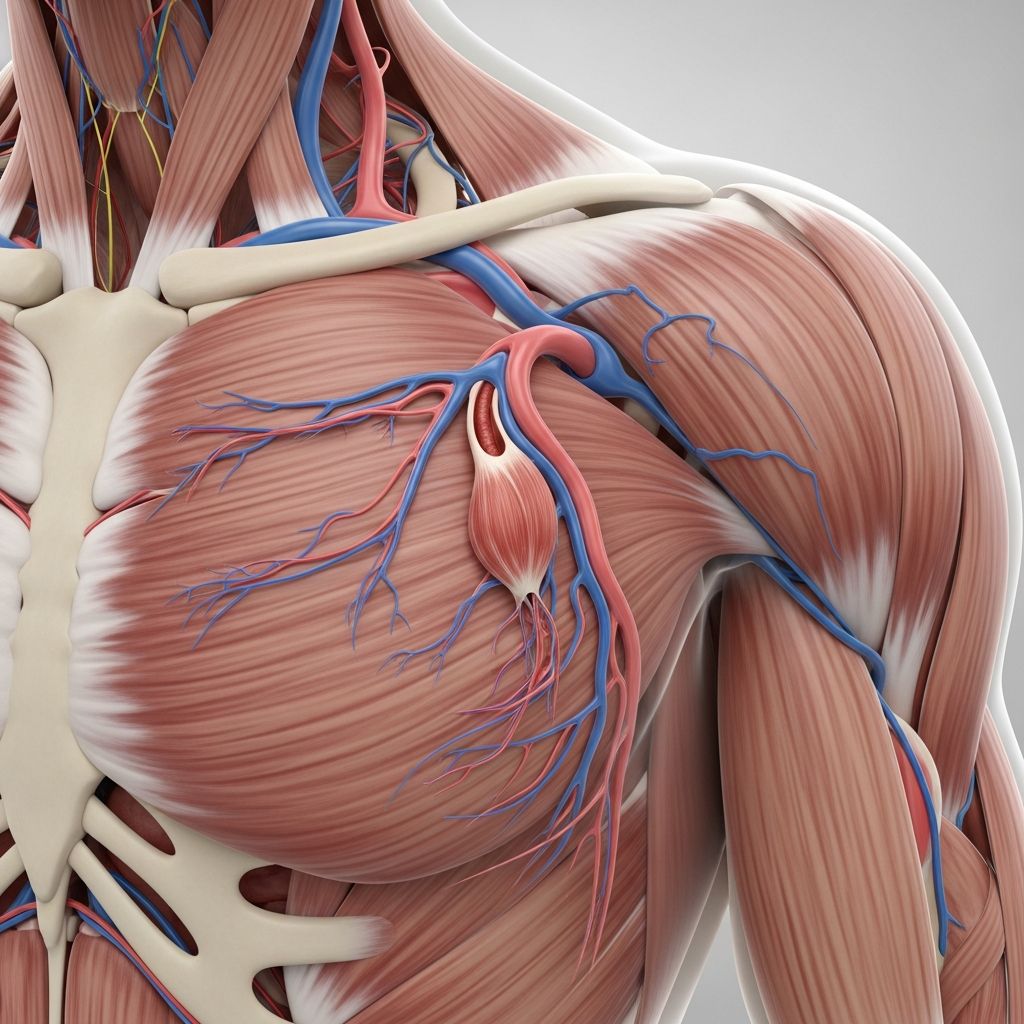
The subclavian vein is the major vein of the arm, shoulder, and neck, serving as a critical component of the upper body’s venous drainage system. Its name originates from its anatomical position, literally meaning “under the clavicle,” as it passes beneath the collarbone while entering the thorax. This vessel plays an essential role in returning oxygen-poor blood from the upper extremities and head back to the heart, making it vital for proper cardiovascular function. Understanding the anatomy and clinical significance of the subclavian vein is important for healthcare professionals and patients alike, as it has substantial clinical relevance in various medical procedures and conditions.
Anatomical Course and Important Relations
The subclavian vein is a paired structure, meaning one vein exists on each side of the body—a right subclavian vein and a left subclavian vein. Each vein runs under the clavicle and positioned anteriorly to the subclavian artery of the same side. The diameter of each subclavian vein is approximately that of a small finger, making it a substantial vessel capable of handling significant blood volume.
Origin and Course
Each subclavian vein serves as a direct continuation of the axillary vein, which passes under the pectoralis minor muscle. The transition from axillary vein to subclavian vein occurs when the vessel crosses the lateral border of the first rib. At this critical junction, the superficial cephalic vein joins the axillary vein, further contributing to the venous drainage of the upper extremity.
The subclavian vein then ascends toward the medial border of the anterior scalene muscle. From this point, it merges with the internal jugular vein to form the brachiocephalic vein. The angle where these two veins unite is termed the ‘venous angle’ and represents an important anatomical landmark present on both sides of the body.
Relationship with Surrounding Structures
The subclavian vein follows a course parallel to the subclavian artery, though these vessels maintain distinct anatomical relationships. The anterior scalene muscle serves as a key separator between them: the subclavian vein lies anterior to the anterior scalene, while the subclavian artery lies posterior to the anterior scalene and anterior to the middle scalene muscle. The subclavius muscle, which lies below the clavicle and connects to the first rib, also contributes to the anatomical relationships in this region.
Tributaries and Venous Drainage
The subclavian vein functions as a major collecting vessel, receiving venous blood from multiple tributaries throughout the upper body and neck region. Understanding these tributary veins is essential for comprehending the complete venous drainage pattern of the upper extremity and head.
Primary Tributaries
The subclavian vein receives venous blood from several important sources:
- Internal and external jugular veins — These jugular veins drain the lateral cervical region and face, carrying blood from the head and neck structures
- Dorsal scapular vein — This vessel drains the region of the dorsal scapula, contributing blood from the shoulder and back areas
- Anterior jugular vein — Located on the front of the neck, this vein adds additional drainage from anterior cervical structures
- Cephalic vein — This superficial vein of the arm joins the subclavian vein as it transitions from the axillary vein
Lymphatic Drainage
Beyond blood drainage, the subclavian vein region is significant for lymphatic drainage. Near the junction of the left subclavian vein and left internal jugular vein, the thoracic duct drains into the venous system. The thoracic duct is the body’s largest lymphatic vessel, carrying lymph—a fluid consisting mainly of water, solutes, and chylomicrons (the body’s transporters of lipids from the intestines)—from the abdominal and thoracic cavities back into the circulation.
Related Stories



Similarly, the right thoracic duct (also called the right lymphatic duct) drains into the junction between the right subclavian vein and right internal jugular vein. This drainage pattern ensures that lymphatic fluid is efficiently returned to the bloodstream for circulation throughout the body.
Clinical Significance and Applications
The subclavian vein has substantial clinical importance, serving as a critical site for various medical interventions and being susceptible to several clinically significant conditions. Healthcare providers must understand these clinical aspects to manage patients effectively.
Central Venous Access
One of the most important clinical applications of the subclavian vein is its use for central venous access. When patients have experienced significant blood loss or present with difficult venous access, physicians may resort to catheterization of the subclavian vein as a central access route. This procedure involves inserting a large-bore cannula through the skin into the subclavian vein.
The primary purposes for establishing subclavian central venous access include:
- Long-term venous access — For patients requiring extended medication administration or fluid management
- Infection minimization — Central access can reduce infection rates compared to peripheral venous lines when properly maintained
- Central venous pressure monitoring — Direct measurement of pressure in the vena cava provides important hemodynamic information
- Fluid and medication administration — Large bore central catheters allow rapid infusion of medications and crystalloids
Complications Associated with Central Venous Catheters
Subclavian vein thrombosis represents a significant complication associated with indwelling central venous catheters left in place for extended periods. These catheters can induce turbulent blood flow within the vein, creating conditions that promote abnormal clotting. The formation of blood clots can obstruct the vein, potentially causing symptoms such as swelling, pain, and reduced venous drainage from the upper extremity. Prevention strategies include regular catheter care, maintaining sterile technique, and removing catheters as soon as they are no longer clinically necessary.
Clavicular Fracture Complications
The anatomical relationship between the subclavian vein and the clavicle has clinical implications for patients with clavicular fractures. The middle third of the clavicle is the most common site of fracture. When fractures occur in this location, the medial segment is typically pulled upward by the sternocleidomastoid muscle, while the lateral segment is pulled downward by the pectoral muscles and the weight of the upper limb.
This displacement pattern can result in compression of the subclavian vessels, including both the vein and artery in the clavicular region. The subclavian vein, which lies anterior to the anterior scalene muscle, is particularly vulnerable to compression from displaced bone fragments. This complication can impair venous drainage from the upper extremity and may necessitate urgent surgical intervention to restore vascular patency.
Relationship to Adjacent Vascular Structures
The subclavian vein exists as part of an integrated venous drainage system. The brachiocephalic vein is formed by the union of the subclavian vein and the internal jugular vein. This merger creates an important vessel that continues the drainage of blood from the upper body toward the heart. The left brachiocephalic vein typically travels a longer course than the right, taking a more circuitous route as it descends to join with the right brachiocephalic vein and form the superior vena cava. Both brachiocephalic veins then empty into the superior vena cava, which delivers oxygen-poor blood directly into the right atrium of the heart.
Clinical Variation and Anatomical Differences
While the standard anatomical course of the subclavian vein is consistent, anatomical variations do occur in some individuals. These variations can have implications for clinical procedures involving the region. The most common variation in the brachiocephalic venous system is the retroaortic brachiocephalic vein, where the left brachiocephalic vein passes below the aortic arch rather than above it, creating a different drainage pathway than the typical anatomy.
Frequently Asked Questions
Q: What is the primary function of the subclavian vein?
A: The primary function of the subclavian vein is to drain oxygen-poor blood from the upper extremities, shoulders, and neck region back toward the heart. It serves as the continuation of the axillary vein and merges with the internal jugular vein to form the brachiocephalic vein, which eventually delivers blood to the superior vena cava and right atrium.
Q: Why is the subclavian vein used for central venous catheters?
A: The subclavian vein is commonly used for central venous catheter placement because it provides long-term venous access with relatively low infection rates compared to peripheral lines. It allows for monitoring of central venous pressure, rapid administration of medications and fluids, and is particularly useful in patients with difficult peripheral vascular access or significant blood loss.
Q: What are the risks associated with subclavian vein catheters?
A: The main risks include subclavian vein thrombosis (blood clot formation), infection, bleeding, pneumothorax (collapsed lung), and damage to surrounding nerves or arteries. Regular catheter maintenance, prompt removal when no longer needed, and proper insertion technique can minimize these complications.
Q: How can a clavicular fracture affect the subclavian vein?
A: Fractures of the middle third of the clavicle can cause bone displacement that compresses the subclavian vein and artery. This compression can impair blood flow and venous drainage from the upper extremity and may require surgical intervention to restore normal vascular function.
Q: Where does the thoracic duct drain?
A: The thoracic duct, the body’s largest lymphatic vessel, drains into the junction of the left subclavian vein and left internal jugular vein. The right lymphatic duct similarly drains into the junction of the right subclavian vein and right internal jugular vein. This allows lymphatic fluid to return to the bloodstream for circulation.
Q: What anatomical variations might affect the subclavian vein?
A: Some individuals may have anatomical variations such as a retroaortic brachiocephalic vein, where the left brachiocephalic vein passes below the aortic arch instead of above it. These variations can affect the course of the subclavian vein and have implications for medical procedures in the region.
Summary
The subclavian vein is a critical component of the upper body’s venous drainage system, serving as the primary vessel responsible for returning blood from the arms, shoulders, and neck to the heart. Its anatomical position beneath the clavicle, paired structure on both sides of the body, and relationships with surrounding structures make it an important landmark in clinical medicine. With its numerous tributaries including the jugular veins and dorsal scapular vein, the subclavian vein efficiently collects blood from multiple upper body regions. Its clinical applications in central venous access have made it invaluable for patient care, though healthcare providers must be aware of potential complications including thrombosis and compression from adjacent bone fractures. Understanding the anatomy, function, and clinical significance of the subclavian vein is essential for healthcare professionals involved in diagnosis, treatment, and patient management.
References
- Anatomy, Thorax, Subclavian Veins — National Center for Biotechnology Information (NCBI) StatPearls. 2024. https://www.ncbi.nlm.nih.gov/books/NBK532885/
- Subclavian Vein: Anatomy and Tributaries — Kenhub Educational Platform. 2024. https://www.kenhub.com/en/library/anatomy/the-subclavian-vein
- Brachiocephalic Vein: Anatomy and Function — Cleveland Clinic. 2024. https://my.clevelandclinic.org/health/body/23466-brachiocephalic-vein
- Thoracic Duct: Function and Anatomy — Cleveland Clinic. 2024. https://my.clevelandclinic.org/health/body/thoracic-duct
- Jugular Veins: Anatomy and Function — Cleveland Clinic. 2024. https://my.clevelandclinic.org/health/body/23148-jugular-vein
- Veins: Anatomy and Function — Cleveland Clinic. 2024. https://my.clevelandclinic.org/health/body/23360-veins
Similar Articles








Read full bio of medha deb