Subconjunctival Hemorrhage: Causes, Symptoms & Treatment
Understanding subconjunctival hemorrhage: A comprehensive guide to causes, symptoms, diagnosis, and management.
Understanding Subconjunctival Hemorrhage
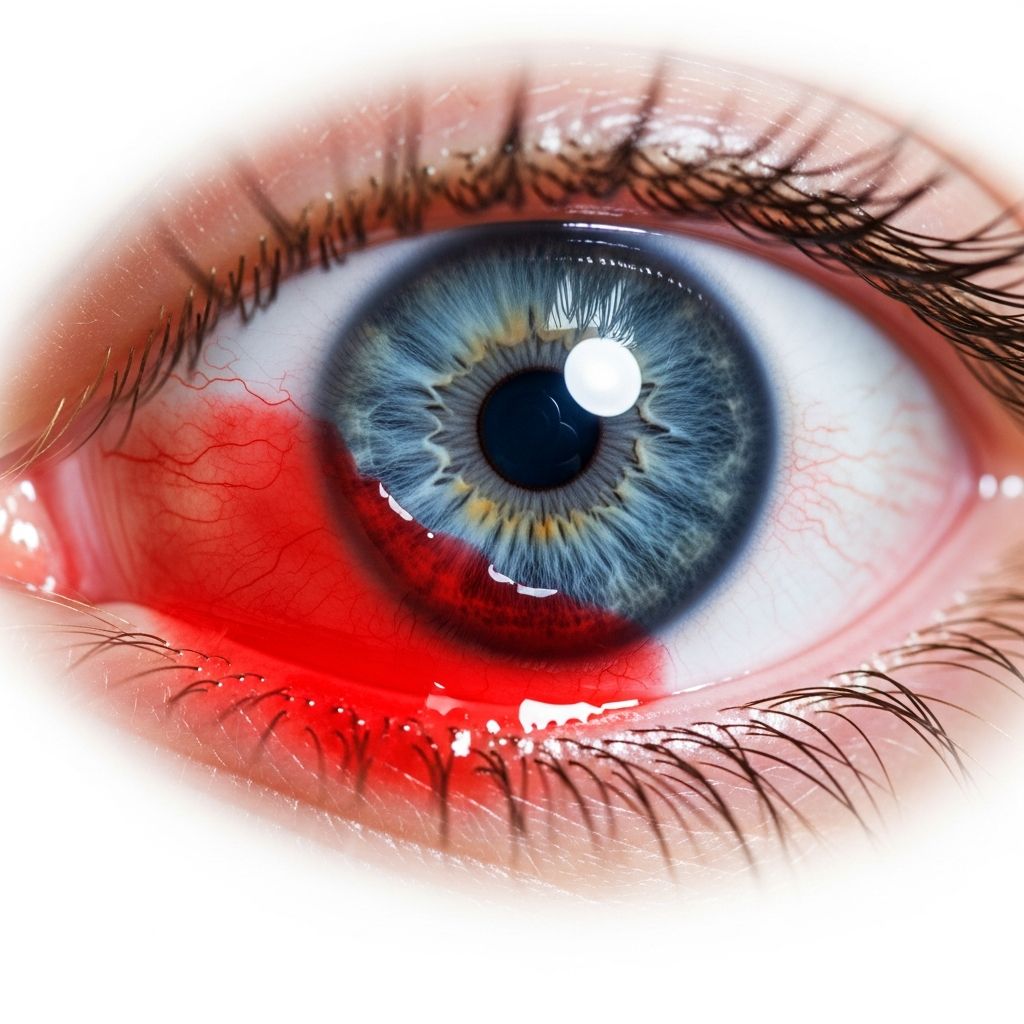
A subconjunctival hemorrhage is a common eye condition that occurs when a small blood vessel beneath the conjunctiva ruptures and bleeds. The conjunctiva is the thin, transparent membrane that covers the white part of your eye, known as the sclera, and lines the inside of your eyelids. When blood vessels in this delicate tissue break, blood pools underneath the conjunctiva, creating a visible red or dark patch on the white of your eye. Despite its alarming appearance, a subconjunctival hemorrhage is typically a benign condition that resolves on its own without causing serious complications.
The condition is characterized by painless acute appearance of bright red discoloration, sharp circumscribed bleeding, and an absence of discharge or inflammation in surrounding areas. Most importantly, subconjunctival hemorrhage does not affect your vision or cause discomfort, making it one of the less serious eye conditions that patients encounter.
What Causes Subconjunctival Hemorrhage?
Subconjunctival hemorrhage can develop from various causes, ranging from minor everyday activities to underlying medical conditions. Understanding these causes is essential for determining whether further medical evaluation is necessary.
Common Triggering Activities
Many cases of subconjunctival hemorrhage occur due to increased pressure in the eye and head, which can rupture fragile blood vessels in the conjunctiva. These common triggering activities include:
- Vigorous coughing or sneezing
- Heavy lifting or straining during exercise
- Vomiting
- Sudden Valsalva maneuver (forced exhalation against closed airway)
- Minor eye trauma or rubbing the eye forcefully
- Contact lens-related trauma or improper use
Ocular Causes
Direct eye-related factors can also lead to subconjunctival hemorrhage. These include local trauma to the globe, injuries to the orbit, acute inflammation of the conjunctiva, conjunctival tumors, and complications from ocular surgery. Contact lens usage is a particularly notable cause, with studies reporting that contact lens-related subconjunctival hemorrhage occurs in approximately 5.0% of contact lens wearers. Additionally, subconjunctival hemorrhage is a recognized complication of ocular surgery, particularly during anesthesia administration, with incidence rates during sub-Tenon’s anesthesia ranging from 7% to 56%.
Systemic Medical Conditions
In older patients, subconjunctival hemorrhage is frequently associated with systemic vascular disorders that weaken blood vessel walls. These conditions include:
- Hypertension (high blood pressure)
- Diabetes mellitus
- Arteriosclerosis (hardening of the arteries)
- Heart infections (endocarditis)
- Widespread infections (sepsis)
- Meningitis
- Severe viral infections such as herpes simplex virus (HSV)
Medications and Blood Disorders
Certain medications, particularly blood-thinning agents, increase the risk of subconjunctival hemorrhage by affecting the body’s clotting mechanisms. Common medications associated with this condition include warfarin (Jantoven) and aspirin. Patients with blood-clotting disorders or bleeding dyscrasias are also at elevated risk. When patients on anticoagulation therapy develop subconjunctival hemorrhage, careful evaluation is necessary to determine whether the medication is the primary cause or if secondary factors such as trauma or systemic hypertension are contributing.
Related Stories



Risk Factors
Certain demographic and health characteristics increase susceptibility to subconjunctival hemorrhage. Age plays a significant role, with different risk factors predominating in different age groups. In younger patients, trauma and contact lens usage represent the major risk factors. However, among elderly patients, systemic vascular diseases such as hypertension, diabetes, and arteriosclerosis become increasingly common contributors.
Individuals with diabetes face elevated risk due to changes in blood vessel integrity and increased fragility. Those with high blood pressure experience constant stress on blood vessel walls, making rupture more likely. Patients taking blood-thinning medications must be particularly vigilant, as these drugs impair the body’s natural clotting mechanisms. Additionally, individuals with hereditary bleeding disorders are at substantially higher risk of developing subconjunctival hemorrhage.
Symptoms and Diagnosis
Recognizing the Signs
The primary symptom of subconjunctival hemorrhage is a bright red or dark red patch on the white part of the eye. This discoloration may appear suddenly and can vary in size from small spots to larger areas covering a significant portion of the sclera. The key distinguishing features of subconjunctival hemorrhage include the absence of pain, no changes in vision, and typically no discharge or swelling.
Unlike eye infections such as conjunctivitis (pink eye), subconjunctival hemorrhage produces no gritty sensation, itching beyond mild irritation, or eye discharge. The only discomfort may be minimal itching or irritation. Vision remains completely unaffected, and the eye functions normally. Many patients first notice the condition when looking in a mirror or when others comment on the appearance of their eye.
Diagnostic Evaluation
A thorough diagnostic approach is essential, particularly in cases of recurrent or persistent subconjunctival hemorrhage. The evaluation typically begins with a careful slit-lamp examination to determine whether trauma to the eye has occurred and to rule out other local ocular conditions that might contribute to hemorrhage.
After excluding local ocular factors, systemic evaluation becomes necessary. Blood pressure should be checked routinely in all patients with subconjunctival hemorrhage, particularly in older adults. Additional diagnostic tests may include:
- Blood tests to evaluate blood sugar levels and assess for diabetes
- Coagulation laboratory tests to determine if blood-thinning medications or clotting disorders are contributing
- International Normalized Ratio (INR) testing if the patient takes warfarin
- Workup for bleeding disorders and hypocoagulable states in recurrent cases
- Evaluation for systemic hypertension, bleeding disorders, systemic and ocular malignancies, and drug side effects in persistent cases
Treatment and Management
Natural Resolution
In most cases, subconjunctival hemorrhage requires no specific treatment. The condition typically resolves spontaneously as the body reabsorbs the blood. Patients can be reassured that the hemorrhage will disperse naturally over approximately 2 to 3 weeks, with blood gradually changing color from red to brown and then to yellow. This natural progression reflects the body’s physiological processes for clearing the bleeding.
Supportive Care
While awaiting natural resolution, patients can take several steps to support healing and comfort:
- Apply cold compresses during the first 24 to 48 hours to help reduce inflammation
- Use lubricating eye drops to manage any mild irritation
- Avoid strenuous activities and heavy lifting during the recovery period
- Refrain from contact lens wear during acute phases if the hemorrhage resulted from contact lens trauma
- Take over-the-counter pain relievers if needed for discomfort
Advanced Treatment Options
Currently, there is no approved treatment specifically designed to accelerate the resolution and absorption of subconjunctival hemorrhage. However, experimental approaches have been reported in medical literature. Some cases have been treated with tissue plasminogen activator (tPA), a fibrin-dissolving agent that has also been used in vitreous hemorrhage and glaucoma filter bleb management. This advanced treatment option remains reserved for severe cases and requires careful medical supervision.
Managing Underlying Conditions
When subconjunctival hemorrhage is linked to underlying health conditions, treatment focuses on managing those conditions. Controlling hypertension through medications or lifestyle modifications can significantly lower the risk of blood vessel rupture. Similarly, stabilizing blood sugar levels through proper diabetes management is critical to prevent further eye-related complications. If blood-thinning medications are contributing factors, your healthcare provider may adjust dosages or switch medications to reduce bleeding risk.
When to Seek Medical Attention
While most cases of subconjunctival hemorrhage resolve without intervention, certain situations warrant professional medical evaluation. Consult a healthcare provider if you experience any of the following:
- The red patch does not fade within two weeks
- You notice recurrent subconjunctival hemorrhages
- You have underlying conditions like high blood pressure or diabetes requiring attention
- You experience pain, changes in vision such as blurred or double vision
- You develop light sensitivity or eye discharge
- You notice unusual symptoms such as swelling, headaches, or nausea
- You injure your eye
- You experience frequent subconjunctival hemorrhages or other easy bruising or bleeding
These warning signs may indicate more serious underlying conditions requiring comprehensive medical evaluation and management.
Prevention Strategies
While not all cases of subconjunctival hemorrhage can be prevented, several lifestyle modifications and preventive measures may reduce your risk:
Manage Chronic Conditions
Properly controlling high blood pressure and diabetes through medications, diet, and exercise significantly reduces the risk of blood vessel rupture. Regular monitoring of these conditions ensures that treatment remains effective.
Contact Lens Care
If you wear contact lenses, follow proper insertion and removal techniques, maintain strict hygiene protocols, and replace lenses according to recommended schedules. Avoid rubbing your eyes forcefully, and remove lenses if they cause discomfort.
Avoid Strenuous Activities
During periods of respiratory illness, minimize heavy lifting, intense exercise, and activities that increase intra-ocular pressure. If you must engage in strenuous activities, use proper techniques to avoid straining.
Regular Eye Check-ups
Scheduled eye examinations allow early detection of conditions that may increase subconjunctival hemorrhage risk and enable proactive management.
Key Takeaways
Subconjunctival hemorrhages are commonly caused by activities that increase pressure in the eye, such as coughing, sneezing, or heavy lifting. The main symptom is a red patch on the white of the eye without pain or changes in vision. Lifestyle changes, addressing underlying conditions such as high blood pressure and diabetes, and regular eye check-ups may help reduce the risk of future occurrences. Most cases resolve naturally within 2-3 weeks without specific treatment. If you notice unexplained eye redness that persists or recurs, consider consulting an eye specialist for evaluation and personalized advice.
Frequently Asked Questions
Q: Is a subconjunctival hemorrhage painful?
A: No, subconjunctival hemorrhage is typically painless. While there may be mild itching or irritation, significant pain is not characteristic of this condition. If you experience eye pain, this may indicate a different condition requiring medical evaluation.
Q: Will a subconjunctival hemorrhage affect my vision?
A: No, subconjunctival hemorrhage does not affect vision. Your eye functions normally, and visual acuity remains unchanged. The bleeding occurs underneath the conjunctiva and does not interfere with light reaching the retina.
Q: How long does it take for a subconjunctival hemorrhage to heal?
A: Most subconjunctival hemorrhages resolve naturally within 2 to 3 weeks as the body reabsorbs the blood. The red discoloration gradually changes to brown and then yellow as healing progresses.
Q: Can subconjunctival hemorrhage be prevented?
A: While not all cases can be prevented, managing chronic conditions like high blood pressure and diabetes, practicing proper contact lens care, and avoiding activities that increase eye pressure can reduce your risk.
Q: Should I be concerned about recurrent subconjunctival hemorrhages?
A: Recurrent subconjunctival hemorrhages warrant medical evaluation to identify underlying causes such as bleeding disorders, hypertension, or medication side effects. A healthcare provider can determine whether additional testing or treatment is necessary.
Q: Is subconjunctival hemorrhage contagious?
A: No, subconjunctival hemorrhage is not contagious. It is a localized bleeding condition under the conjunctiva and cannot be transmitted to other people through contact or any other means.
Q: Can contact lens wear cause subconjunctival hemorrhage?
A: Yes, improper contact lens use or trauma during insertion and removal can cause subconjunctival hemorrhage. If you wear contact lenses, follow proper hygiene and insertion techniques to minimize risk.
References
- Subconjunctival hemorrhage: risk factors and potential indicators — National Institutes of Health (NIH/NCBI). 2012. https://pmc.ncbi.nlm.nih.gov/articles/PMC3702240/
- Subconjunctival Hemorrhage: Causes, Care, and Prevention — Rupa Health. 2024. https://www.rupahealth.com/post/subconjunctival-hemorrhage-causes-care-and-prevention
- Subconjunctival hemorrhage (broken blood vessel in eye) — Mayo Clinic. 2024. https://www.mayoclinic.org/diseases-conditions/subconjunctival-hemorrhage/symptoms-causes/syc-20353826
Similar Articles








Read full bio of medha deb