Subcorneal Pustular Dermatosis: Causes, Diagnosis & Treatment
Complete guide to Sneddon-Wilkinson disease: symptoms, diagnosis, and effective treatment options.
Subcorneal Pustular Dermatosis (Sneddon-Wilkinson Disease)
Subcorneal pustular dermatosis (SPD), commonly known as Sneddon-Wilkinson disease, is a chronic pustular skin condition characterized by the formation of sterile pustules beneath the corneal layer of the skin. This relatively rare autoimmune disorder affects individuals across different age groups and is characterized by recurrent episodes of pustulation that can significantly impact quality of life. Understanding this condition is essential for both patients and healthcare providers to ensure timely diagnosis and effective management.
What Is Subcorneal Pustular Dermatosis?
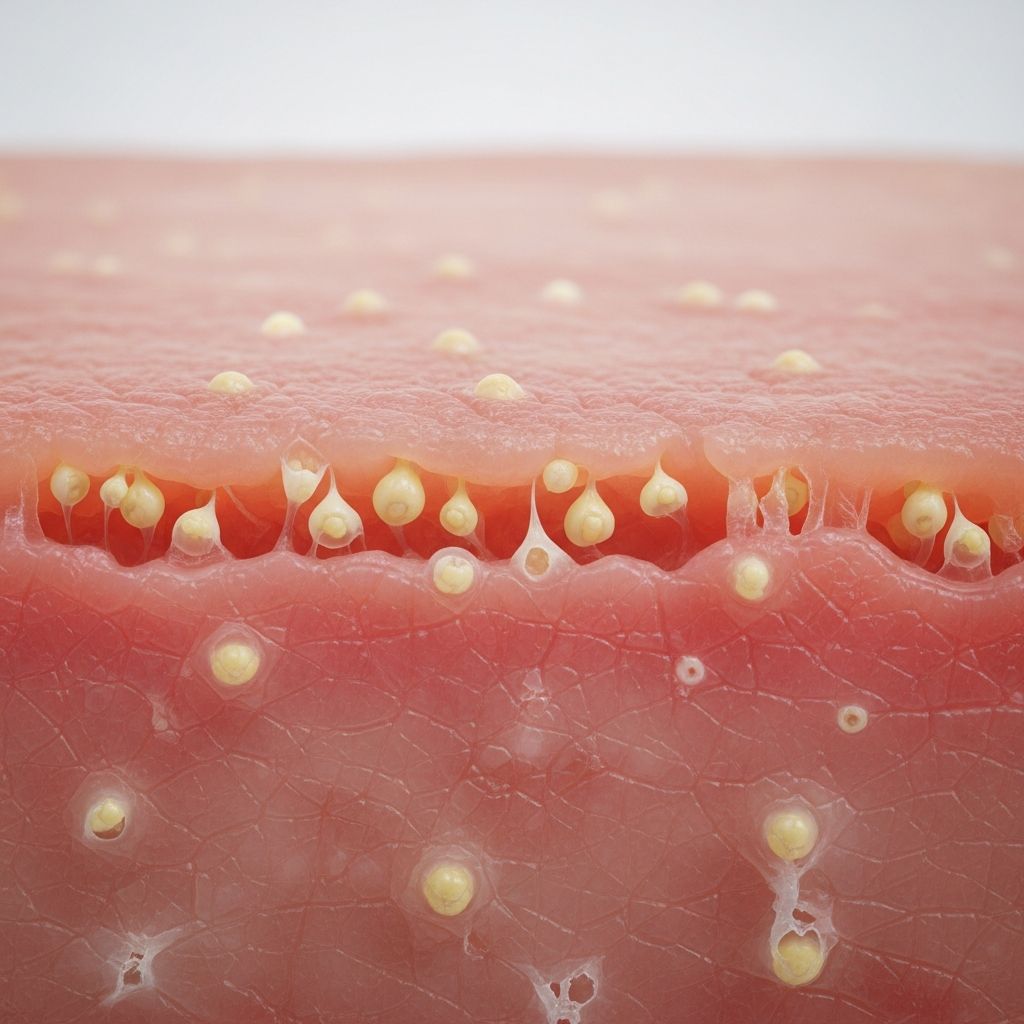
Subcorneal pustular dermatosis is a chronic blistering and pustular skin disorder that primarily affects the uppermost layers of the epidermis. The condition is marked by the development of sterile pustules—fluid-filled bumps containing white blood cells but not bacteria—that form just below the stratum corneum, the outermost layer of the skin. The pustules are filled with polymorphonuclear neutrophils, which are white blood cells that respond to inflammation. Unlike bacterial infections, these pustules are sterile, meaning they do not contain infectious organisms.
The condition was first described by dermatologists Sneddon and Wilkinson, hence the alternative name Sneddon-Wilkinson disease. While the exact cause remains unknown, research has identified various associated conditions that may trigger or accompany SPD, including monoclonal IgA gammopathy, rheumatoid arthritis, inflammatory bowel diseases, and in some cases, certain cancers or infections.
Clinical Features and Symptoms
Patients with subcorneal pustular dermatosis typically present with distinctive clinical features that help differentiate this condition from other pustular dermatoses:
- Recurrent crops of small pustules and vesicles appearing on the skin surface
- Pustules that tend to be more prominent in flexural areas and lower abdomen
- Lesions that may coalesce to form larger pustular areas
- Associated symptoms of itching or mild pain at the affected sites
- Hyperpigmentation following resolution of lesions
- Relapsing and remitting course with periods of flare-up and relative quiescence
- Typically benign course without systemic manifestations in most cases
The clinical presentation can vary among patients, with some experiencing mild intermittent pustules while others suffer from more extensive and frequent outbreaks. The condition is typically non-life-threatening, though it can be socially and psychologically distressing for patients due to the visible nature of skin lesions.
Diagnostic Procedures
Accurate diagnosis of subcorneal pustular dermatosis requires a combination of clinical evaluation and confirmatory testing. The diagnostic approach includes several key components:
Skin Biopsy and Histopathology
Confirmation of SPD diagnosis is established through skin biopsy, which involves taking a small sample of affected skin under local anesthesia for microscopic examination. Histopathological findings characteristic of SPD include the presence of a sterile subcorneal pustule—a collection of neutrophils resting just beneath the stratum corneum. Key diagnostic features observed under the microscope include the absence of acantholysis (loss of cell-to-cell connections), absence of spongiosis (intercellular edema), and negative direct immunofluorescence studies. These histological features help differentiate SPD from other similar conditions such as pemphigus vulgaris, pemphigus foliaceus, and pustular psoriasis.
Related Stories



Immunofluorescence Testing
Direct immunofluorescence examination of the biopsied tissue is routinely performed and typically shows negative results in SPD, which helps distinguish it from other autoimmune blistering disorders. Indirect immunofluorescence may sometimes reveal circulating IgA antibodies, particularly in cases associated with IgA pemphigus or IgA-mediated disease.
Additional Diagnostic Tests
To rule out infectious causes and identify underlying associated conditions, additional tests may be performed:
- Skin swabs or scrapings to exclude bacterial infections such as impetigo
- Blood tests to screen for monoclonal IgA gammopathy and other associated systemic conditions
- Complete blood count and differential to assess inflammatory markers
- Serological testing for rheumatoid factor and other autoimmune markers if clinical suspicion warrants
Differential Diagnosis
Distinguishing subcorneal pustular dermatosis from other pustular and blistering disorders is crucial for appropriate treatment. Conditions that may resemble SPD include:
- Pustular Psoriasis: While histologically similar in some cases, pustular psoriasis typically shows parakeratosis and may have a different clinical presentation
- IgA Pemphigus: This autoimmune condition can present similarly but is distinguished by specific immunofluorescence patterns and circulating IgA antibodies
- Pemphigus Foliaceus: Characterized by acantholysis and positive immunofluorescence for desmoglein-1
- Generalized Exanthematous Pustulosis (AGEP): Typically drug-induced with acute onset and systemic features
- Dermatitis Herpetiformis: Associated with celiac disease and shows granular IgA deposition at the basement membrane zone
- Bacterial Impetigo: Positive bacterial cultures and response to antibiotics differentiate this infectious condition
Treatment Options
Treatment of subcorneal pustular dermatosis is aimed at preventing complications, controlling symptoms, and achieving disease remission. The therapeutic approach is individualized based on disease severity, patient tolerance, and response to initial therapy.
First-Line Treatment: Dapsone
Dapsone remains the gold standard and first-line treatment for subcorneal pustular dermatosis, demonstrating efficacy in the majority of patients. This medication works through its antineutrophilic properties, suppressing the inflammatory response characteristic of SPD.
- Dosing: Typical initial dose ranges from 50–100 mg daily
- Response Timeline: Lesions typically resolve within 1 to 4 weeks of treatment initiation
- Maintenance Therapy: Ongoing maintenance at lower doses is often required to prevent relapses and maintain remission
- Diagnostic Significance: Rapid response to dapsone is considered highly suggestive of SPD diagnosis and can support clinical diagnosis
Patients receiving dapsone require regular monitoring through blood tests to assess for potential side effects, including hemolytic anemia and other hematologic complications. Baseline and periodic glucose-6-phosphate dehydrogenase (G6PD) testing is essential before initiating therapy, as dapsone use in G6PD-deficient individuals can cause severe hemolytic reactions.
Second-Line and Alternative Treatments
For patients who cannot tolerate dapsone, achieve inadequate response, or develop adverse effects, several alternative therapeutic options are available:
Antineutrophilic Agents
- Colchicine: Possesses antineutrophilic properties and has demonstrated effectiveness as a second-line agent, with some specialists recommending it as a preferred alternative to dapsone
- Sulfapyridine: Another antineutrophilic medication that can be used when dapsone is contraindicated
Oral Retinoids
Oral retinoids including acitretin and etretinate have been successfully used for SPD management, offering several advantages:
- Quick response with symptom resolution typically occurring within 8–15 days
- Good tolerability profile for many patients
- Particularly useful in pregnancy-related cases where dapsone may be contraindicated
Tetracycline Antibiotics
Tetracycline-based antibiotics, including doxycycline and minocycline, have been reported as effective alternatives. These medications possess anti-inflammatory properties beyond their antimicrobial effects and can be valuable for patients with contraindications to other agents.
Phototherapy
Light-based therapies have demonstrated efficacy in treating SPD:
- PUVA (Psoralen plus Ultraviolet A): Can be used as monotherapy with notably quick response; combining PUVA with dapsone has shown remarkably rapid therapeutic effects
- Narrowband UVB (NB-UVB): Effective as solo therapy in selected patients and can be used as adjunctive treatment
Immunosuppressive Medications
For more resistant cases, various immunosuppressive agents have been successfully employed:
- Methotrexate
- Cyclosporine
- Mycophenolate mofetil
- Azathioprine
Biologic Agents
Biologic medications targeting tumor necrosis factor-alpha (TNF-α) have emerged as highly effective options for multidrug-resistant SPD:
- Adalimumab: TNF-α inhibitor showing efficacy in challenging cases
- Infliximab: Another TNF-α inhibitor with documented clinical improvements in resistant disease, with complete remission achievable within one month of treatment initiation
- Etanercept: TNF-α receptor antagonist used in difficult-to-treat cases
These biologic agents have demonstrated dramatic clinical improvements in patients who failed multiple lines of conventional therapy. However, management of secondary loss of response due to development of anti-drug antibodies may be necessary, potentially requiring switching between different TNF-α inhibitors or consideration of alternative biological agents targeting other cytokines such as interleukin-6 (IL-6).
Adjunctive and Supportive Treatment
Topical corticosteroids and retinoids are often used as adjunctive treatments alongside systemic medications to provide additional symptomatic relief and accelerate healing. However, it is important to note that systemic corticosteroids are generally ineffective for SPD and may paradoxically precipitate flare-ups of the disease, necessitating their avoidance in routine management.
Management of Associated Conditions
Since subcorneal pustular dermatosis is frequently associated with underlying systemic conditions, particularly monoclonal IgA gammopathy, addressing these associated conditions in conjunction with dermatological treatment can significantly improve clinical outcomes. Comprehensive evaluation for and management of associated rheumatoid arthritis, inflammatory bowel diseases, malignancies, and infections should be part of the overall treatment strategy.
Prognosis and Long-Term Outcomes
Subcorneal pustular dermatosis does not impact life expectancy, and the condition carries no significant systemic health consequences in most cases. However, there is currently no cure for the disease, and most patients require ongoing medication to maintain disease control and prevent relapses. The chronic nature of SPD necessitates long-term management strategies and regular follow-up with dermatology specialists to optimize treatment and monitor for complications or adverse medication effects.
Many patients experience a relapsing-remitting course, with periods of quiescence interspersed with flare-ups. With appropriate therapy, most patients achieve good disease control and can maintain normal quality of life, though some may require dose adjustments or medication changes over time as disease patterns or medication tolerability evolve.
Frequently Asked Questions
Q: Is subcorneal pustular dermatosis contagious?
A: No, SPD is not contagious. The pustules are sterile and result from an autoimmune inflammatory process rather than infection. There is no risk of transmitting this condition to other individuals.
Q: How long does treatment take to work?
A: Response time varies by medication. Dapsone typically shows improvement within 1-4 weeks, while oral retinoids may demonstrate response within 8-15 days. Biologic agents like infliximab can show improvement within 48 hours with complete remission by one month in some cases.
Q: Can SPD occur during pregnancy?
A: Yes, SPD can occur during pregnancy. In such cases, dapsone may be contraindicated, and alternative treatments such as oral retinoids (acitretin) combined with topical corticosteroids have been successfully used to manage the condition while maintaining pregnancy safety.
Q: What should I do if dapsone doesn’t work?
A: If dapsone is ineffective, several alternative options exist including colchicine, tetracycline antibiotics, oral retinoids, phototherapy (PUVA or UVB), immunosuppressive medications, or biologic agents. Your dermatologist will determine the best alternative based on your individual circumstances.
Q: Does subcorneal pustular dermatosis leave permanent scars?
A: Most lesions resolve without permanent scarring, though hyperpigmentation may occur after pustule resolution. With appropriate and timely treatment, the risk of significant scarring is minimized.
References
- Treatment of Subcorneal Pustular Dermatosis (Sneddon-Wilkinson Disease): Role of Anti-TNFα — National Center for Biotechnology Information (NCBI). 2021. https://pmc.ncbi.nlm.nih.gov/articles/PMC8435096/
- Subcorneal Pustular Dermatosis: Comprehensive Review and Report of an Unusual Case — National Center for Biotechnology Information (NCBI). 2020. https://pmc.ncbi.nlm.nih.gov/articles/PMC7330443/
- Subcorneal Pustular Dermatosis (Sneddon-Wilkinson Disease) — DermNet New Zealand. https://dermnetnz.org/topics/subcorneal-pustular-dermatosis
- Subcorneal Pustular Dermatosis Update — Skin Health Info. 2021. https://www.skinhealthinfo.org.uk/wp-content/uploads/2018/11/Subcorneal-pustular-dermatosis-update-January-2021-Lay-reviewed-November-2020-1.pdf
- Subcorneal Pustular Dermatosis — Orphanet. 2024. https://www.orpha.net/en/disease/detail/48377
- Treatment of Subcorneal Pustular Dermatosis without Dapsone: A Systematic Review — Wiley Online Library. 2024. https://onlinelibrary.wiley.com/doi/10.1155/2024/8140483
Similar Articles








Read full bio of Sneha Tete