Subcutaneous Emphysema: Causes, Symptoms, and Treatment
Understanding subcutaneous emphysema: A comprehensive guide to this air-trapping condition.
Understanding Subcutaneous Emphysema
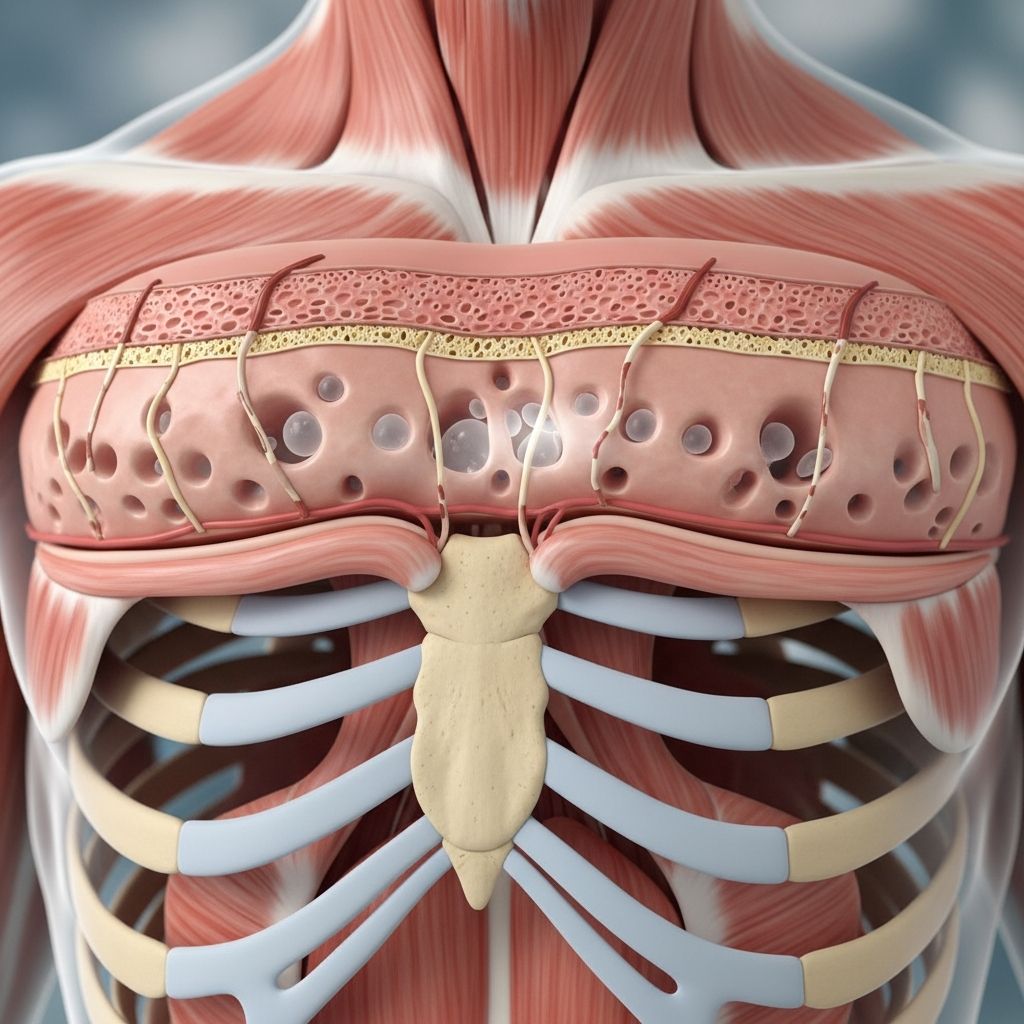
Subcutaneous emphysema is a medical condition characterized by the abnormal presence of air in the subcutaneous tissues, which are the layers of tissue beneath the skin. This condition occurs when air becomes trapped in these soft tissues, often as a result of an underlying condition that allows air to escape from the lungs or airways into surrounding tissues. While subcutaneous emphysema can sound alarming, understanding its causes, symptoms, and treatment options can help patients and healthcare providers manage this condition effectively.
The condition is often associated with pneumomediastinum, which is air within the central compartment of the thoracic cavity. When both conditions occur together, it is sometimes referred to as Hamman’s syndrome, a term named after Dr. Louis Hamman, who first described this medical phenomenon in 1945. Subcutaneous emphysema occurs in 40 to 100 percent of cases where pneumomediastinum is present.
Causes of Subcutaneous Emphysema
Subcutaneous emphysema can develop through various mechanisms, and understanding these causes is essential for proper diagnosis and management. The condition typically results from increased intrathoracic pressure that causes weakened alveolar membranes to rupture. When this occurs, air escapes from the lungs and travels through connective tissue pathways.
Primary Causes
The most common mechanism behind subcutaneous emphysema is related to the Macklin phenomenon, which involves a rise in intra-alveolar pressure. This increased pressure can result from several activities and conditions:
– Excessive coughing or vomiting- Severe hyperventilation- Childbirth and labor- Traumatic injuries to the chest or airways- Mechanical ventilation complications- Surgical procedures, particularly laparoscopic surgery- Diabetic ketoacidosis with associated hyperventilation
Secondary Causes
Secondary pneumomediastinum, which can lead to subcutaneous emphysema, occurs more frequently than spontaneous cases. Secondary causes include esophageal rupture, pneumothorax, and other significant chest injuries. However, many cases of subcutaneous emphysema are discovered incidentally during examination or imaging for other conditions.
Symptoms and Clinical Presentation
The symptoms of subcutaneous emphysema can vary widely, ranging from asymptomatic presentations to more noticeable signs. Patients may not experience any symptoms at all, or they may present with various clinical manifestations depending on the severity and extent of the condition.
Common Symptoms
When symptoms are present, they may include:
– Crepitus, described as a crackling or popping sensation underneath the skin- Facial swelling and puffiness- Dyspnea or difficulty breathing- Dysphonia or hoarseness of voice- Chest pain or discomfort- Low-grade fevers- Difficulty swallowing in some cases
Hamman’s Sign
A classical finding referred to as Hamman’s sign consists of precordial crunching sounds that are synchronous with the heartbeat. This distinctive sound is heard when listening to the chest with a stethoscope and occurs in approximately half of all cases of Hamman’s syndrome. The crunching sound is caused by air bubbles moving within the mediastinal space.
Related Stories



Diagnosis of Subcutaneous Emphysema
Diagnosing subcutaneous emphysema involves a combination of clinical examination and imaging studies. While the condition can be detected clinically through physical examination, imaging confirmation is typically necessary to determine the extent and severity of the condition.
Clinical Examination
During physical examination, healthcare providers may detect crepitus by palpating the affected areas. The characteristic crackling or popping sensation under the fingers is a telltale sign of subcutaneous emphysema. Providers will also listen for Hamman’s sign using a stethoscope.
Imaging Studies
Several imaging modalities can confirm the diagnosis of subcutaneous emphysema:
– Chest X-ray: Often the first imaging study performed, revealing diffuse subcutaneous emphysema throughout the neck and extending to various regions- Computed tomography (CT) scan: Provides detailed visualization of the distribution of air in subcutaneous tissues and the mediastinum- Electrocardiogram (EKG): May be performed to rule out cardiac involvement
Ruling Out Serious Conditions
An essential part of diagnosis is ruling out more severe causes of pneumomediastinum, such as pneumothorax, esophageal perforation, and Boerhaave’s syndrome. This may require additional investigations such as bronchoscopy or gastroscopy to evaluate for perforation or other significant injuries. Healthcare providers must perform thorough examinations and investigations to prevent missing complications while treating the underlying condition.
Risk Factors
Certain factors increase the likelihood of developing subcutaneous emphysema. These risk factors help healthcare providers identify patients who may be at higher risk and warrant closer monitoring:
– Pregnancy and labor- Conditions causing severe coughing or vomiting- Diabetic ketoacidosis with hyperventilation- Mechanical ventilation in intensive care settings- Surgical procedures, particularly minimally invasive laparoscopic procedures- Asthma or other respiratory conditions with acute exacerbations- Blunt or penetrating chest trauma- Interstitial lung disease
Treatment and Management
The good news is that subcutaneous emphysema is typically a self-limiting condition, meaning it often resolves on its own with conservative management. The treatment approach focuses on supportive care and monitoring rather than aggressive intervention.
Conservative Management
In the majority of cases, subcutaneous emphysema responds well to conservative management strategies:
– Close observation and monitoring of vital signs- Oxygen supplementation if needed to maintain adequate oxygenation- Treatment of the underlying cause, such as management of diabetic ketoacidosis- Pain management as needed- Monitoring for resolution of symptoms
Follow-up Care
Patients typically require follow-up imaging to confirm resolution of the condition. Repeat chest X-rays performed several days after initial diagnosis usually show significant improvement or complete resolution of the subcutaneous emphysema. Most patients can be discharged home with outpatient follow-up, particularly if no serious underlying conditions have been identified.
When Hospitalization is Needed
Hospitalization may be necessary if:
– There are concerns about esophageal perforation or other serious underlying conditions- The patient requires treatment for a secondary cause- Close cardiac monitoring is indicated- Complications develop requiring intervention
Prognosis and Outcomes
The prognosis for subcutaneous emphysema is generally excellent, particularly when it occurs as a spontaneous condition without associated serious pathology. Most patients experience spontaneous resolution of symptoms within days to weeks. In the case of Hamman’s syndrome occurring postpartum, symptoms typically resolve completely without long-term consequences.
However, the prognosis can vary depending on the underlying cause. When subcutaneous emphysema is secondary to serious conditions such as esophageal rupture or severe infection, the outcome depends on prompt recognition and appropriate management of the underlying condition. Early diagnosis and investigation significantly improve disease outcomes and help prevent complications.
Complications to Monitor
While subcutaneous emphysema itself is often benign, potential complications can arise if the underlying cause is not properly identified and managed:
– Tension pneumothorax requiring urgent intervention- Cardiac tamponade if air extends into the pericardial space- Airway compromise if swelling extends to the neck- Complications related to esophageal rupture or other underlying injuries- Secondary infections of affected tissues
When to Seek Medical Attention
Patients should seek immediate medical attention if they experience any of the following:
– Severe chest pain or pressure- Difficulty breathing or shortness of breath- Difficulty swallowing or speaking- Rapid or irregular heartbeat- Severe swelling of the face or neck- Signs of infection such as fever or increasing pain- Symptoms that worsen despite initial improvement
Frequently Asked Questions
Q: Is subcutaneous emphysema dangerous?
A: Subcutaneous emphysema itself is typically benign and self-limiting. However, it can indicate an underlying serious condition, such as esophageal rupture, which requires prompt diagnosis and treatment. The key is proper evaluation to rule out dangerous underlying causes.
Q: How long does it take for subcutaneous emphysema to resolve?
A: Most cases of subcutaneous emphysema resolve spontaneously within days to weeks with conservative management. Repeat imaging after one to two weeks typically shows significant improvement or complete resolution.
Q: Can subcutaneous emphysema recur?
A: Recurrence is uncommon if the underlying cause has been addressed. However, patients with conditions that cause repeated coughing or hyperventilation may be at higher risk for future episodes.
Q: What is the difference between subcutaneous emphysema and pneumothorax?
A: Subcutaneous emphysema is air in the subcutaneous tissues beneath the skin, while pneumothorax is air that enters the pleural space around the lungs. These are different conditions, though they can occur together. Pneumothorax is generally more serious and may require intervention.
Q: Is surgery needed to treat subcutaneous emphysema?
A: In most cases, no surgery is needed. Subcutaneous emphysema typically responds to conservative management alone. Surgery may be necessary only if an underlying condition such as esophageal rupture is identified.
Q: Can subcutaneous emphysema occur during pregnancy?
A: Yes, subcutaneous emphysema can occur during labor and delivery, particularly during the bearing-down phase of labor. This is known as Hamman’s syndrome when it occurs during pregnancy and is typically self-limiting.
Conclusion
Subcutaneous emphysema is a condition characterized by air in the subcutaneous tissues that requires appropriate diagnosis and management. While the condition itself is usually benign and self-limiting, recognizing its symptoms and seeking timely medical evaluation is crucial to rule out serious underlying causes. Healthcare providers must maintain awareness of the risk factors and manifestations of subcutaneous emphysema for proper diagnosis. Most patients recover completely with conservative management and supportive care, making the prognosis generally favorable when appropriate medical supervision is provided.
References
- A finding of subcutaneous emphysema: Diagnosing and managing Hamman’s syndrome — International Journal of Clinical Reports and Images. 2019. https://www.ijcriog.com/archive/article-full-text/100052Z08JB2019
- Spontaneous Pneumomediastinum and Subcutaneous Emphysema in a Patient with Diabetic Ketoacidosis — National Center for Biotechnology Information (NCBI). 2024. https://pmc.ncbi.nlm.nih.gov/articles/PMC11194142/
- Subcutaneous Emphysema — Cleveland Clinic Journal of Medicine. https://www.ccjm.org/keyword/subcutaneous-emphysema
- Pneumomediastinum and Subcutaneous Emphysema During Diagnostic and Operative Laparoscopy — PubMed Central (NCBI). https://pubmed.ncbi.nlm.nih.gov/2146045/
Similar Articles








Read full bio of Sneha Tete