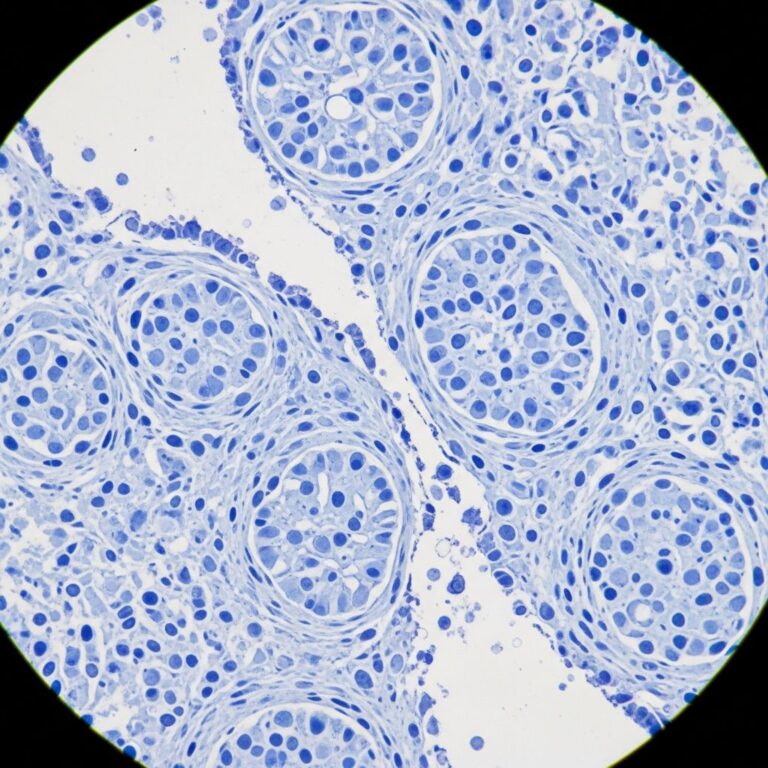
Subcutaneous Fat: What It Is and Why It Matters
Understanding subcutaneous fat: its role, risks, and how to manage it for better health.
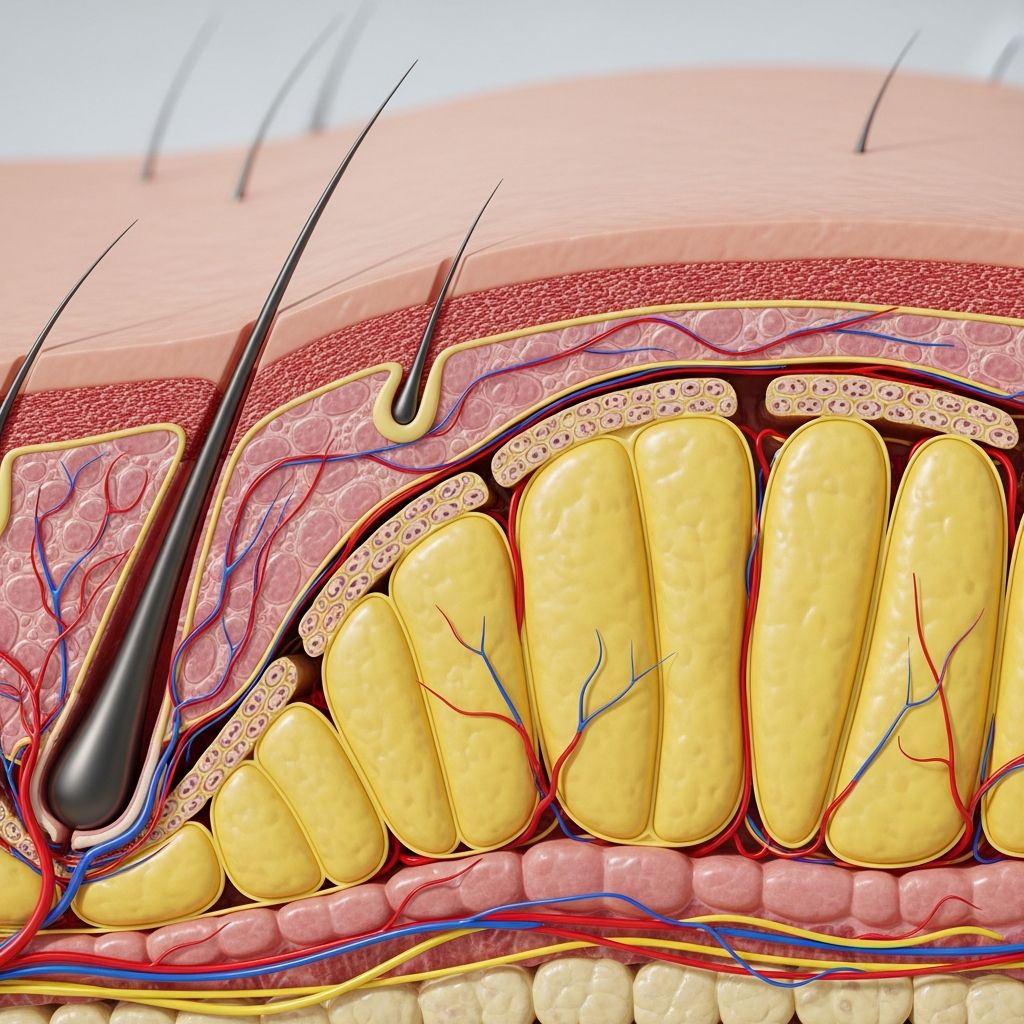
What Is Subcutaneous Fat?
Subcutaneous fat is the layer of fat located just beneath the skin. It is the most visible type of body fat and can be found all over the body, including the arms, legs, abdomen, and buttocks. This fat is soft and squishy to the touch, distinguishing it from visceral fat, which is deeper and surrounds internal organs.
Functions of Subcutaneous Fat
- Energy Storage: Subcutaneous fat stores excess calories as a reserve for when the body needs extra energy.
- Insulation: It helps insulate the body, protecting against extreme temperatures.
- Cushioning: It provides a cushion for soft organs and tissues, reducing the risk of injury.
- Hormone Regulation: Subcutaneous fat secretes hormones that help regulate energy balance, hunger, and satiety.
Subcutaneous Fat vs. Visceral Fat
Understanding the differences between subcutaneous and visceral fat is crucial for assessing health risks.
| Characteristic | Subcutaneous Fat | Visceral Fat |
|---|---|---|
| Location | Just under the skin | Deep in the belly, surrounding organs |
| Appearance | Soft and squishy | Hard |
| Examples | “Love handles” and “muffin tops” | “Beer belly” or “apple shape” |
| Health Risks | Increased risk of visceral fat | High blood pressure, high cholesterol, high blood sugar |
Health Implications of Subcutaneous Fat
While subcutaneous fat is not as dangerous as visceral fat, having excess subcutaneous fat can still pose health risks. It often indicates a higher risk of visceral fat accumulation, which is linked to serious health conditions such as diabetes, heart disease, and stroke.
Factors Affecting Subcutaneous Fat Accumulation
- Genetics: Family history plays a significant role in how and where fat is distributed in the body.
- Diet: Consuming excess calories, especially from fatty foods and carbohydrates, can lead to increased subcutaneous fat.
- Physical Activity: Lack of exercise can result in more fat storage.
- Stress: High levels of stress can increase cortisol, a hormone that promotes fat storage.
Managing Subcutaneous Fat
Reducing subcutaneous fat involves a combination of lifestyle changes and, in some cases, medical interventions.
- Diet: Eating a balanced diet rich in fruits, vegetables, lean proteins, and whole grains can help manage fat levels.
- Exercise: Regular physical activity, including both aerobic and strength training, is effective in burning fat.
- Stress Management: Techniques such as meditation, yoga, and deep breathing can help reduce stress and cortisol levels.
- Medical Interventions: For severe cases, medications or surgical options may be considered.
FAQs About Subcutaneous Fat
Q: Is subcutaneous fat dangerous?
A: Subcutaneous fat is not as dangerous as visceral fat, but excess amounts can increase the risk of visceral fat and related health issues.
Q: Can I target subcutaneous fat loss?
A: There is no easy way to target losing subcutaneous fat specifically. Lifestyle changes and overall fat loss are the most effective approaches.
Q: How does subcutaneous fat affect my health?
A: Excess subcutaneous fat can lead to increased risk of visceral fat, which is associated with serious health conditions like diabetes and heart disease.
Q: What are the best ways to reduce subcutaneous fat?
Related Stories



A: A combination of a healthy diet, regular exercise, stress management, and, if necessary, medical interventions can help reduce subcutaneous fat.
Q: Can genetics influence subcutaneous fat distribution?
A: Yes, genetics play a significant role in how and where fat is distributed in the body.
References
References
- Visceral Fat vs. Subcutaneous Fat: What Are They? — Cleveland Clinic. 2023. https://health.clevelandclinic.org/visceral-fat-vs-subcutaneous-fat
- Adipose Tissue (Body Fat): Anatomy & Function — Cleveland Clinic. 2023. https://my.clevelandclinic.org/health/body/24052-adipose-tissue-body-fat
- Managing obesity in older adults — Cleveland Clinic Journal of Medicine. 2023. https://www.ccjm.org/content/92/11/686
Similar Articles








Read full bio of Sneha Tete