Subdural Hematoma: Causes, Symptoms, and Treatment
Understanding subdural hematoma: brain bleeding after head injury, symptoms, diagnosis, and treatment options.
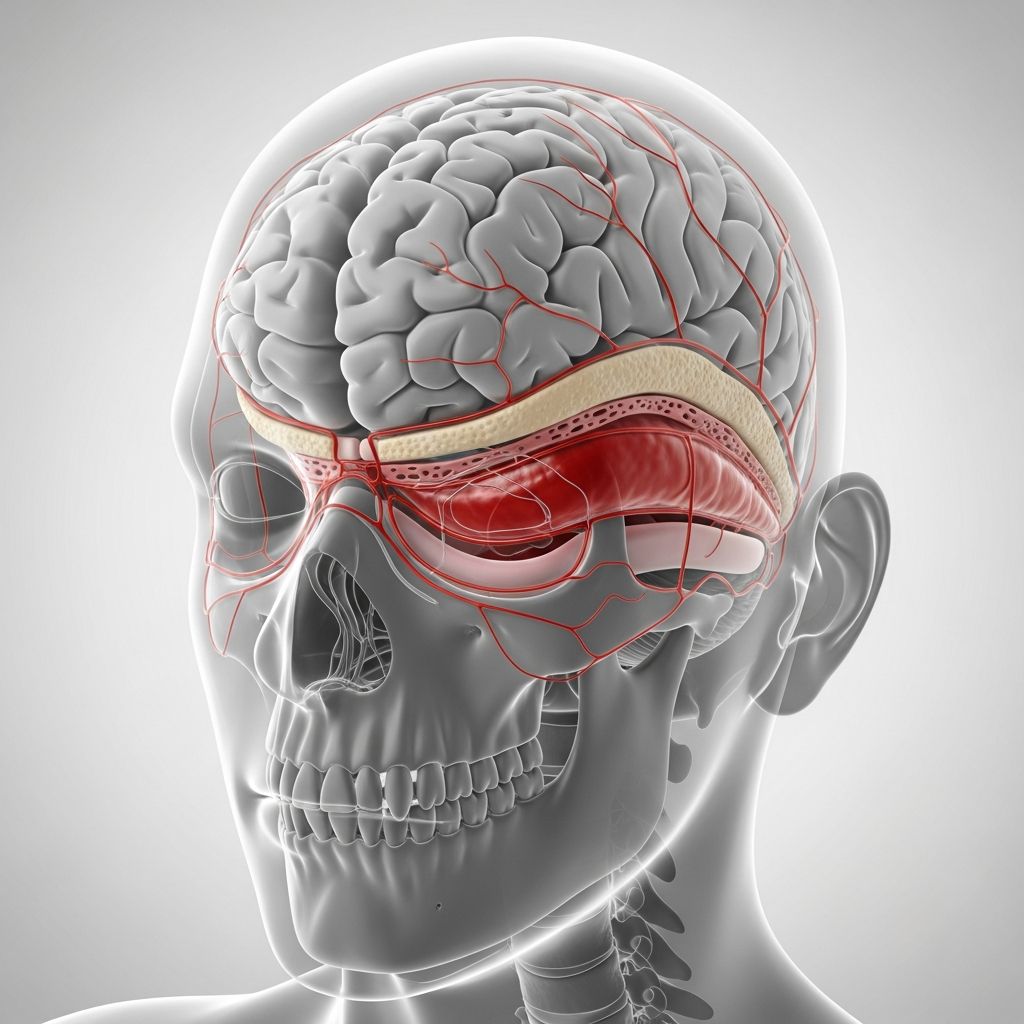
What Is a Subdural Hematoma?
A subdural hematoma is a collection of blood that accumulates between the brain and the skull, specifically in the space beneath the protective membrane called the dura mater. This condition represents a serious medical emergency that can develop after a head injury or trauma. The bleeding occurs when blood vessels rupture due to the impact, and blood pools in the subdural space rather than flowing normally through the circulatory system.
This type of brain bleeding can range from minor to life-threatening depending on the severity of the initial injury, the amount of blood that accumulates, and how quickly medical intervention occurs. Understanding what constitutes a subdural hematoma is essential for recognizing when immediate medical attention is necessary.
Types of Subdural Hematomas
Subdural hematomas are classified into three distinct categories based on the timeline of their development and progression:
Acute Subdural Hematoma
Acute subdural hematomas develop within minutes to hours following a head injury and represent the most dangerous classification. These injuries cause immediate symptoms and require urgent medical intervention. The rapid accumulation of blood creates increased pressure on the brain, which can lead to severe neurological complications if not treated promptly. Acute subdural hematomas account for a significant portion of traumatic brain injuries and carry the highest mortality rates.
Subacute Subdural Hematoma
Subacute subdural hematomas develop within days to weeks after the initial trauma. These injuries may not cause immediate symptoms, which can delay diagnosis and treatment. Patients might feel relatively normal initially but gradually develop worsening symptoms as the blood collection grows or pressure on the brain increases. This delayed presentation makes subacute hematomas particularly challenging to diagnose without proper medical follow-up.
Chronic Subdural Hematoma
Chronic subdural hematomas are more prevalent in individuals over 65 years of age and develop slowly, with bleeding occurring over weeks to months before symptoms become apparent. In elderly patients, the brain naturally shrinks with age, creating extra space between the brain tissue and the skull. This stretches the blood vessels, making them more susceptible to tearing even from minor trauma. Chronic subdural hematomas can be particularly insidious because patients may not remember the triggering injury or may minimize its significance.
Causes of Subdural Hematomas
Various types of head trauma can result in subdural hematoma development. Common causes include:
– Head injury or trauma from car crashes- Falls and head impact- Sports-related head injuries- Assault or physical abuse- Motor vehicle accidents- Workplace accidents- Falls from heights
The severity of the initial trauma does not always correlate with the likelihood of developing a subdural hematoma. Even minor falls can result in significant bleeding in certain individuals, particularly those with risk factors.
Who Is at High Risk?
Certain populations face elevated risk for developing subdural hematomas. Understanding these risk factors helps identify individuals who require extra caution and preventive measures:
Related Stories



Older Adults
As individuals age, the brain naturally shrinks, creating additional space within the skull. This brain atrophy stretches the delicate blood vessels that traverse the subdural space. When trauma occurs, even from relatively minor falls, these vulnerable vessels tear more easily, leading to bleeding. This is why older adults develop subdural hematomas from head injuries that might cause no lasting damage in younger individuals.
Athletes
Athletes participating in contact sports face repeated risks of head trauma. Sports such as football, hockey, boxing, and rugby involve significant collision risks. Repeated head injuries, even subconcussive ones, can contribute to vessel vulnerability and increase subdural hematoma risk.
Individuals on Blood Thinners
Patients taking anticoagulant medications or antiplatelet agents for conditions such as atrial fibrillation, heart disease, or previous thrombosis face increased subdural hematoma risk. These medications prevent blood from clotting normally, so when vessels rupture, bleeding does not stop as easily, resulting in longer and more severe hemorrhage.
Hemophiliacs and Those with Clotting Disorders
Individuals with hemophilia or other bleeding disorders are predisposed to prolonged and severe bleeding due to clotting abnormalities. Even minor head trauma can result in significant intracranial bleeding in these patients.
Chronic Alcohol Users
Chronic alcohol consumption damages the liver, affecting clotting factor production. Additionally, alcoholism often involves falls and head injuries, and alcohol itself interferes with normal clotting mechanisms, creating a dual risk for severe subdural hematomas.
Prevalence and Statistics
Subdural hematomas represent a significant public health concern. Research indicates that up to 25 percent of individuals experiencing head trauma develop subdural hematomas. This statistic underscores the importance of proper evaluation and imaging following any significant head injury, particularly in at-risk populations.
Symptoms of Subdural Hematoma
Symptoms of subdural hematoma vary widely depending on the hematoma’s size, location, and rate of development. Some symptoms appear immediately after injury, while others develop gradually over time.
Common Symptoms Include:
– Persistent headache or severe head pain- Nausea and vomiting- Dizziness and loss of balance- Confusion and disorientation- Altered mental status- Memory loss- Personality changes- Slurred speech- Vision changes or blurred vision- Weakness or paralysis on one side of the body- Difficulty walking or loss of coordination- Irritability and behavioral changes- Drowsiness or difficulty staying awake- Altered level of consciousness- Seizures (in severe cases)
The severity of symptoms generally correlates with the severity of bleeding. Larger bleeds produce more severe symptoms and require more urgent intervention. In older adults, confusion, memory loss, and personality changes may be the primary presenting symptoms, sometimes mimicking dementia or other age-related conditions, which can delay proper diagnosis.
Diagnosis of Subdural Hematoma
Accurate diagnosis is essential for appropriate treatment planning. Healthcare providers employ several diagnostic approaches:
Physical and Neurological Examination
Diagnosis begins with a thorough physical and neurological examination. Healthcare providers will inquire about the history of head injury, current medications, chronic health conditions, and lifestyle habits. They will perform detailed neurological assessments including blood pressure checks, balance and strength tests, and vision evaluations. These examinations help establish baseline neurological function and identify deficits.
Imaging Tests
Imaging represents the definitive diagnostic tool for subdural hematoma:
Computed Tomography (CT) Scan
CT scans provide rapid, detailed images of the brain and skull. They effectively identify bleeding locations, determine hematoma size, and reveal other associated injuries. CT imaging is typically the first-line imaging modality in emergency settings due to its speed and availability.
Magnetic Resonance Imaging (MRI) Scan
MRI scans provide highly detailed images of brain tissue and can detect bleeding in different stages. MRI is particularly useful for identifying subacute and chronic subdural hematomas and can be used for follow-up monitoring in patients being managed conservatively.
Treatment Options for Subdural Hematoma
Treatment depends on multiple factors including hematoma size, location, symptom severity, and the patient’s overall health status. Treatment approaches range from conservative management to emergency surgery.
Conservative Management for Small Hematomas
For small subdural hematomas with minimal or no symptoms, conservative management may be appropriate. This approach includes:
– Careful observation of symptoms- Regular monitoring of vital signs- Bed rest to minimize further injury risk- Vitamin K therapy to support clotting function- Medications to reduce brain swelling and intracranial pressure- Regular imaging studies to monitor hematoma resolution
Patients managed conservatively require close follow-up and must report any symptom changes immediately to their healthcare provider. Most small, uncomplicated subdural hematomas resolve over time with appropriate monitoring.
Surgical Treatment for Large or Symptomatic Hematomas
Large or severe subdural hematomas causing significant neurological symptoms require emergency surgical intervention. Surgical approaches include:
Craniotomy
A craniotomy involves removing a section of the skull to access the bleeding site. The surgeon carefully irrigates the area to remove blood clots and stops the bleeding at its source. This approach provides maximum access and control, making it effective for large hematomas or those with complex anatomy. After the hematoma is evacuated, the bone flap is replaced and secured.
Burr Hole Drainage
Burr hole drainage involves drilling small holes through the skull into the subdural space. The accumulated blood is irrigated with saline solution until the fluid runs clear, and a drain catheter is placed to allow continued fluid drainage. This less invasive approach is effective for many subdural hematomas and can be performed more quickly than craniotomy.
Emergency Stabilization
In emergency situations, healthcare providers will immediately stabilize breathing and other vital signs. This may include intubation and mechanical ventilation to protect the airway and maintain adequate oxygenation while surgical teams prepare for emergency intervention.
Complications and Outcomes
Subdural hematoma outcomes vary significantly based on injury severity, time to treatment, and patient factors. Potential complications include recurrent bleeding, brain swelling, seizures, permanent neurological deficits, and in severe cases, death. Early recognition and appropriate treatment significantly improve outcomes.
Recovery and Follow-Up
Recovery from subdural hematoma depends on injury severity and treatment received. Some patients recover completely, while others experience lasting neurological effects. Rehabilitation, including physical therapy, occupational therapy, and cognitive rehabilitation, supports optimal recovery. Regular follow-up imaging ensures proper healing and identifies any complications.
Prevention Strategies
While not all head injuries are preventable, certain measures reduce subdural hematoma risk:
– Wear appropriate protective equipment during sports and recreation- Use seat belts consistently while driving- Avoid distracted or impaired driving- Maintain home safety to prevent falls, particularly for older adults- Install proper lighting and remove trip hazards- Use assistive devices when needed for balance and mobility- Follow fall prevention protocols in healthcare settings- Participate in balance and strength training to prevent falls
When to Seek Emergency Care
Seek immediate emergency medical attention if you experience any of the following after a head injury:
– Severe or worsening headache- Confusion or difficulty concentrating- Loss of consciousness or difficulty staying awake- Vomiting or severe nausea- Weakness or paralysis- Difficulty speaking or slurred speech- Vision changes- Seizures- Personality or behavioral changes- Difficulty walking or loss of coordination
Frequently Asked Questions
Q: Can a subdural hematoma go away on its own?
A: Yes, some small subdural hematomas resolve on their own with careful monitoring and conservative management. However, larger hematomas or those causing symptoms typically require surgical treatment. Regular imaging ensures proper healing.
Q: How long does recovery from subdural hematoma take?
A: Recovery time varies significantly depending on hematoma severity, treatment received, and individual factors. Some patients recover within weeks, while others require months of rehabilitation. Chronic subdural hematomas may take longer to fully resolve.
Q: Is subdural hematoma life-threatening?
A: Yes, subdural hematomas can be life-threatening, particularly acute types with rapid bleeding and significant volume. Prompt medical attention and appropriate treatment substantially improve survival rates and outcomes.
Q: Can you drive after a subdural hematoma diagnosis?
A: Driving should be avoided until cleared by your healthcare provider. Recovery requires time, and driving restrictions depend on symptom resolution and medical clearance following appropriate follow-up imaging.
Q: What medications should be avoided with subdural hematoma?
A: Follow your healthcare provider’s medication recommendations carefully. Blood thinners and certain pain medications may need adjustment. Always inform providers about all medications you are taking.
Q: Are older adults at higher risk for subdural hematoma?
A: Yes, older adults face significantly increased risk due to brain atrophy that stretches blood vessels and increased fall risk. Even minor head trauma can cause significant bleeding in elderly individuals.
References
- Subdural Hematoma: What It Is, Causes, Symptoms & Treatment — Cleveland Clinic. 2024. https://my.clevelandclinic.org/health/diseases/21183-subdural-hematoma
- Subdural Haematoma — Healthdirect Australia. 2024. https://www.healthdirect.gov.au/subdural-haematoma
- Subdural-Hematoma: Nursing Diagnosis & Interventions — Nurse.com Clinical Guides. 2024. https://www.nurse.com/clinical-guides/subdural-hematoma/
- ARISE I Consensus Statement on the Management of Chronic Subdural Hematoma — American Heart Association. 2023. https://www.ahajournals.org/doi/10.1161/STROKEAHA.123.044129
- Traumatic Subdural Hematoma — Cleveland Clinic Journal of Medicine. https://www.ccjm.org/content/1/3/99
Similar Articles








Read full bio of medha deb