Substance Abuse & Chemical Dependency: Causes, Symptoms & Treatment
Understanding substance abuse disorder: recognition, causes, treatment options and recovery pathways.
Understanding Substance Abuse and Chemical Dependency
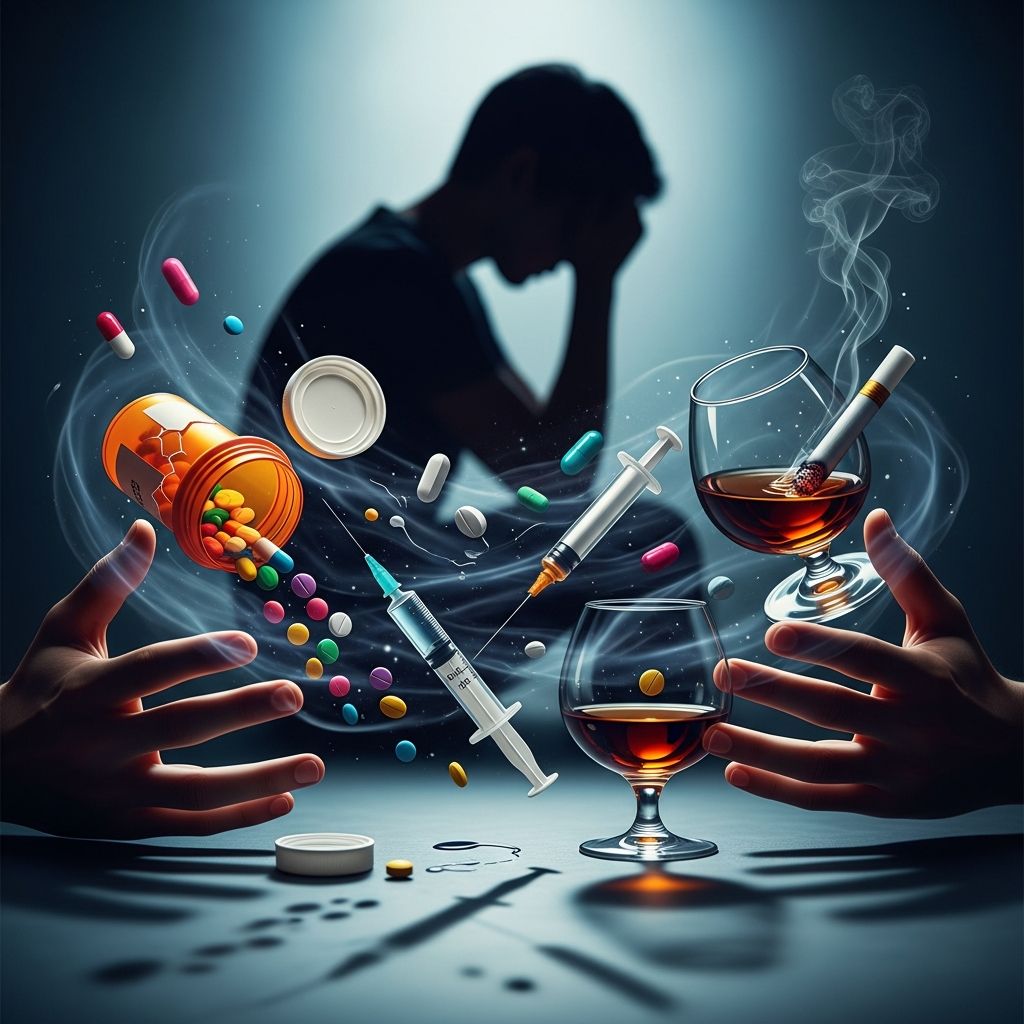
Substance abuse and chemical dependency represent serious public health challenges affecting millions of individuals and families across the United States. Substance use disorder is a medical condition characterized by an inability to control the use of drugs or alcohol despite harmful consequences. Unlike occasional use, chemical dependency involves physical and psychological dependence on substances, where the body and mind adapt to the presence of the drug, leading to withdrawal symptoms when use stops. Understanding these conditions is essential for individuals, families, and healthcare providers seeking to address the growing epidemic of addiction.
Currently, substance use disorder affects more than 20 million Americans ages 12 and over, representing a significant public health emergency. The opioid crisis has intensified this problem, with nearly 92,000 people in the U.S. fatally overdosing on drugs during a recent 12-month period. With a multifaceted approach, people with substance use disorders can recover and lead fulfilling lives.
What Is Chemical Dependency?
Chemical dependency, also known as addiction, occurs when an individual develops a physical and/or psychological reliance on a substance. This condition involves changes in brain chemistry and function, particularly affecting areas responsible for reward, motivation, learning, and judgment. When a person becomes chemically dependent, they experience cravings for the substance and may suffer withdrawal symptoms when attempting to stop or reduce use.
The distinction between substance abuse and chemical dependency is important. Substance abuse refers to the use of a substance in a way that is harmful or dangerous, while chemical dependency involves a compulsive need to use the substance despite negative consequences. Many individuals progress from occasional use to abuse to dependency over time.
Causes and Risk Factors
Substance abuse and chemical dependency result from a complex interaction of genetic, environmental, psychological, and social factors. No single cause determines whether someone will develop an addiction; rather, multiple risk factors contribute to vulnerability.
Genetic Factors
Research indicates that genetic predisposition plays a significant role in addiction susceptibility. Family history of substance abuse increases the likelihood that an individual will develop dependency. Studies show that approximately 40-60% of addiction risk is attributed to genetic factors, meaning that individuals with relatives struggling with addiction face higher vulnerability.
Environmental Influences
Environmental factors including peer pressure, stress, trauma, and access to substances significantly influence addiction risk. Early exposure to drugs or alcohol, particularly during adolescence, increases the likelihood of developing dependency. Adolescents whose brains are still developing show greater vulnerability to addiction when exposed to substances.
Age of Onset
Early-onset drug use significantly increases the risk for developing dependency problems. There is substantial evidence that alcohol, tobacco, and cannabis dependence problems surface more quickly when use begins before adulthood. The teenage brain continues developing until approximately age 25, and substance exposure during this critical period can cause lasting changes to reward pathways and impulse control mechanisms.
Psychological Factors
Mental health conditions including depression, anxiety, trauma, and other psychiatric disorders increase addiction vulnerability. Many individuals use substances as a form of self-medication to cope with underlying psychological issues, creating a cycle of dependency.
Social and Economic Factors
Poverty, unemployment, social isolation, and lack of community support contribute to increased addiction risk. Individuals facing economic hardship or social marginalization may turn to substance use as a coping mechanism.
Related Stories



Symptoms and Signs of Substance Abuse
Recognizing the symptoms of substance abuse is crucial for early intervention and treatment. Symptoms vary depending on the substance used, the duration of use, and individual factors, but common indicators include:
Behavioral Signs
- Continued use despite knowing the harm it causes
- Unsuccessful attempts to cut down or control use
- Spending significant time obtaining, using, or recovering from the substance
- Neglecting responsibilities at work, school, or home
- Engaging in risky behaviors while intoxicated
- Relationship problems related to substance use
- Social withdrawal and isolation
- Changes in sleep patterns and appetite
Physical Symptoms
- Changes in appearance and personal hygiene
- Track marks, nasal damage, or other physical signs of drug use
- Tremors or other neurological symptoms
- Weight loss or gain
- Increased tolerance requiring larger doses
Psychological Symptoms
- Anxiety and paranoia
- Mood swings and irritability
- Depression and hopelessness
- Impaired judgment and decision-making
- Memory problems and difficulty concentrating
Diagnosis and Assessment
Healthcare providers diagnose substance use disorder using criteria established in the Diagnostic and Statistical Manual of Mental Disorders (DSM-5). Diagnosis involves a comprehensive assessment including medical history, physical examination, psychological evaluation, and potentially laboratory testing.
Diagnostic Criteria
Substance use disorder is diagnosed when a person meets two or more criteria within a 12-month period, including continued use despite social or interpersonal problems, failure to fulfill major role obligations, recurrent legal problems, tolerance development, withdrawal symptoms, and unsuccessful efforts to cut down use.
Assessment Tools
Healthcare providers use standardized screening tools and questionnaires to assess severity and type of substance use. Blood and urine tests may detect specific substances and determine levels of drug metabolites in the body. Imaging studies may reveal brain changes associated with chronic substance use.
Treatment Options and Recovery
Effective treatment for substance abuse and chemical dependency typically involves a multifaceted approach combining medication, behavioral therapy, counseling, and support services. Treatment should be personalized based on individual needs, substance type, co-occurring mental health conditions, and social circumstances.
Medication-Assisted Treatment
For opioid use disorder, medication-assisted treatment (MAT) has proven highly effective. Medications including buprenorphine, methadone, and naltrexone reduce cravings and withdrawal symptoms while allowing individuals to function normally. Recent advances in buprenorphine administration have accelerated treatment initiation, with patients now able to begin receiving buprenorphine within 24-48 hours after hospitalization through a microdosing approach that prevents severe withdrawal symptoms and allows concurrent pain management.
Behavioral Therapies
Cognitive-behavioral therapy (CBT) helps individuals identify triggers, develop coping strategies, and modify behaviors and thinking patterns associated with substance use. Motivational interviewing supports individuals in resolving ambivalence about recovery. Contingency management provides incentives for abstinence and treatment engagement.
Counseling and Support Services
Individual and group counseling addresses underlying psychological issues, trauma, and co-occurring mental health disorders. Peer support groups including Alcoholics Anonymous, Narcotics Anonymous, and SMART Recovery provide community and accountability. Family therapy helps repair relationships and establish healthy family dynamics.
Inpatient and Outpatient Programs
Inpatient or residential treatment programs provide intensive, structured care in a controlled environment suitable for severe dependency. Outpatient programs allow individuals to live at home while attending treatment sessions, suitable for less severe cases or as step-down care following inpatient treatment.
Harm Reduction Approaches
Harm reduction strategies focus on reducing the negative consequences of substance use without requiring complete abstinence. These evidence-based interventions include needle exchange programs, supervised consumption sites, naloxone distribution, and substance testing services. Harm reduction recognizes that protecting the health of people who use drugs requires providing the services and resources they need, even as individuals work toward recovery.
Hospital-Based Treatment Innovations
Recent research from Johns Hopkins Medicine has documented innovative approaches to treating hospitalized patients with substance use disorder. A study published in Drug and Alcohol Dependence documented treatment of 72 patients using three different approaches based on substances present in their bodies. The rapid microdosing method has proven to be a game-changer for people with opioid use disorder, allowing buprenorphine administration to begin within 24-48 hours after admission while patients receive concurrent pain management and other hospital treatments.
This dosing approach marks a significant advance in addiction medicine, as traditionally buprenorphine could not be administered during hospitalization due to interactions with pain medications and methadone. The new method involves administering buprenorphine intravenously in small doses that are increased over time until an outpatient sublingual treatment dose is achieved, supporting patients throughout their hospitalization so they are further along in their recovery process when discharged.
Withdrawal Symptoms and Management
Withdrawal occurs when an individual who has developed physical dependency stops or significantly reduces substance use. Withdrawal symptoms vary by substance but may include anxiety, depression, tremors, sweating, muscle aches, insomnia, and intense cravings. While withdrawal from most substances is not life-threatening, alcohol and benzodiazepine withdrawal can be dangerous and requires medical supervision.
Medical management of withdrawal may include medications to reduce symptoms, counseling, and monitoring. Medically-assisted withdrawal through medication-assisted treatment reduces discomfort and improves treatment success rates by allowing individuals to focus on psychological recovery rather than physical distress.
Co-Occurring Mental Health Disorders
Many individuals with substance use disorder have co-occurring mental health conditions including depression, anxiety, bipolar disorder, and post-traumatic stress disorder. The relationship between substance abuse and mental illness is bidirectional—substances may temporarily mask mental health symptoms while exacerbating the underlying condition, and individuals with mental health disorders may use substances to self-medicate.
Integrated treatment addressing both substance use and mental health conditions simultaneously produces better outcomes than treating conditions separately. Effective integrated treatment includes psychiatric medication management, evidence-based psychotherapy, substance abuse counseling, and social support services.
Prevention and Early Intervention
Prevention efforts targeting youth, families, and communities help reduce substance abuse initiation and progression to dependency. Evidence-based prevention programs in schools teach refusal skills, address risk factors, and build protective factors including resilience and positive peer relationships. Family-based prevention programs strengthen family bonds and communication.
Early intervention with individuals showing signs of problematic use before dependency develops can prevent progression to more severe addiction. Brief interventions, screening, and referral to treatment help identify and address substance abuse early.
Recovery and Long-Term Management
Recovery from substance abuse is a long-term process extending far beyond initial treatment completion. Successful long-term recovery involves maintaining abstinence or controlled use, managing triggers and cravings, addressing underlying mental health and social issues, rebuilding relationships, and reestablishing healthy functioning at work, school, and in the community.
Continuing care through outpatient counseling, peer support groups, medication management, and community support services helps sustain recovery. Many individuals benefit from ongoing participation in support groups throughout their lives. Relapse can occur but does not indicate treatment failure; rather, it signals the need for treatment adjustment or intensification.
Living With Substance Use Disorder
Individuals in recovery learn to live with their vulnerability to substance use while building healthy coping mechanisms and meaningful lives. Strategies for successful long-term recovery include developing healthy habits and routines, cultivating meaningful relationships and community involvement, pursuing education and employment, addressing trauma and underlying issues, and maintaining regular treatment engagement.
Family members and loved ones play crucial roles in supporting recovery through patience, establishing healthy boundaries, participating in family therapy, and accessing their own support resources. Support groups for families help members understand addiction and develop strategies for supporting recovery while maintaining their own well-being.
Frequently Asked Questions
Q: What is the difference between substance abuse and addiction?
A: Substance abuse refers to harmful use of a substance, while addiction involves compulsive use despite negative consequences and physical/psychological dependence. Addiction represents a more advanced stage involving brain changes and dependency.
Q: Can substance use disorder be cured?
A: Substance use disorder is a chronic condition that can be effectively managed through treatment, but typically requires ongoing care. Many individuals achieve long-term recovery and abstinence, while others maintain controlled use with continued support.
Q: Is medication-assisted treatment safe?
A: Yes, medication-assisted treatment with FDA-approved medications like buprenorphine and methadone is safe and effective when prescribed and monitored by healthcare providers. These medications reduce overdose risk and support long-term recovery.
Q: How long does substance abuse treatment take?
A: Treatment duration varies based on individual factors, severity of addiction, and type of treatment. Inpatient programs typically last 28-90 days, while outpatient treatment continues for months or years. Most experts recommend at least 90 days of treatment for best outcomes.
Q: Can family support help with recovery?
A: Yes, family support is crucial to recovery success. Healthy family involvement, participation in family therapy, and support group attendance improve treatment outcomes and long-term recovery rates.
Q: What should I do if I suspect someone has a substance use problem?
A: Express concern, avoid judgment, encourage treatment-seeking, and suggest speaking with a healthcare provider or calling the SAMHSA National Helpline (1-800-662-4357) for confidential referral to local treatment services.
References
- Johns Hopkins Medicine Researchers Find Quicker Way to Treat Hospitalized Patients with Substance Use Disorder — Johns Hopkins Medicine. 2024. https://www.hopkinsmedicine.org/
- Substance Use Disorder and Public Health — Johns Hopkins Bloomberg School of Public Health. 2024. https://publichealth.jhu.edu/topics/substance-use-disorder-and-public-health
- What Is Harm Reduction? — Johns Hopkins Bloomberg School of Public Health. 2022. https://publichealth.jhu.edu/2022/what-is-harm-reduction
- Early-onset drug use and risk for drug dependence problems — Johns Hopkins University Research. https://pure.johnshopkins.edu/
- Drug and Alcohol Dependence Journal — Elsevier. 2024. https://www.journals.elsevier.com/drug-and-alcohol-dependence
- National Center for Health Statistics — Centers for Disease Control and Prevention (CDC). 2024. https://www.cdc.gov/nchs/
- SAMHSA National Helpline — Substance Abuse and Mental Health Services Administration. https://www.samhsa.gov/find-help/national-helpline
Similar Articles








Read full bio of medha deb