Subtle Clues Your Child’s Eyes Need Help
Discover the overlooked behaviors signaling vision issues in kids that could impact learning and daily life—early detection changes everything.
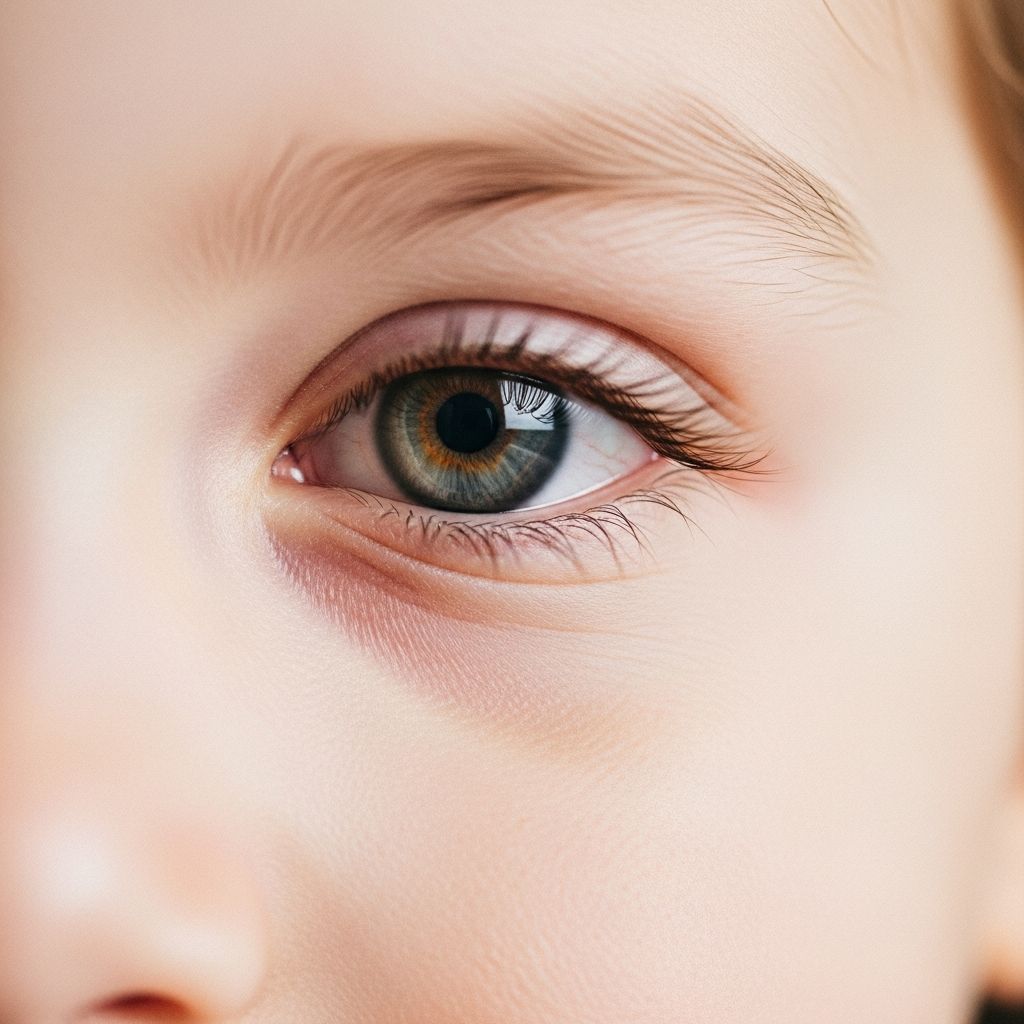
Children’s vision develops rapidly, yet issues often go unnoticed because kids rarely complain about blurry sight. These problems can hinder learning, play, and growth if overlooked. Understanding behavioral hints allows parents to act early, ensuring sharp vision supports every milestone.
Why Vision Matters More Than You Think in Childhood
From birth to school age, a child’s eyes undergo critical changes. By age 6, most have adult-sized eyes, but refractive errors like myopia or hyperopia can emerge. Undetected issues strain developing brains, leading to frustration and avoidance of visual tasks. School demands—reading blackboards, screens, crafts—rely on clear sight. Statistics show up to 1 in 4 schoolchildren have vision problems affecting performance.
Regular exams catch these early. The American Academy of Ophthalmology recommends checkups at birth, preschool, and before first grade. Beyond obvious squinting, subtle cues reveal trouble.
Key Behavioral Indicators Parents Should Watch
Children adapt creatively to poor vision, masking symptoms. Here’s a breakdown of common hidden signs, drawn from pediatric eye care insights.
- Struggles with sustained focus: Kids losing interest fast in detailed activities like puzzles or books may fight eye fatigue, not boredom.
- Reading tracking difficulties: Skipping lines or words signals poor eye coordination or refractive errors.
- Preference for distance over detail: Ditching crafts or homework for outdoor play hints at near-vision strain.
- Unusual head positioning: Tilting or turning the head compensates for misalignment or blur.
Deep Dive: Short Attention Span as an Eye Red Flag
A fleeting focus isn’t always ADHD. Visual tasks demand constant refocusing; uncorrected vision turns them exhausting. A child might start a drawing enthusiastically but abandon it midway, eyes watering unnoticed. This stems from accommodative dysfunction, where eyes tire switching focus.
Parents report kids zoning out during storytime or games. Compare: normal attention holds 10-15 minutes per age year; vision-impaired drops sharply on visual demands. Mayo Clinic notes this as a top hidden sign, urging exams over assumptions.
When Reading Becomes a Maze: Losing Place Frequently
Follow-the-line reading falters with lazy eye (amblyopia) or convergence issues—eyes drifting inward. Kids use fingers covertly or reread silently, grades slipping unnoticed. This affects 2-3% of children, per vision studies.
Observe during homework: frequent back-skipping? It disrupts comprehension, mimicking dyslexia. Early intervention with patching or therapy restores smooth tracking.
Avoidance Patterns: Dodging Detail Work
Smartphones lure, but aversion to books, art, or Lego screams near-work phobia. Farsightedness blurs close objects, causing headaches post-effort. Kids pick recess over reading circles, widening academic gaps.
Track patterns: consistent opt-outs from visual hobbies? Behavioral optometrists link this to 80% of undiagnosed cases. Encourage without pressure, but schedule checks.
Head Tilts and Turns: Body’s Silent Vision Fix
To sharpen one eye’s view, children crane necks oddly. Astigmatism or strabismus prompts this; one field clears while compensating. Watch TV time: side-glances? It’s a refractive error hallmark.
This habit strains neck muscles, causing complaints misattributed to posture. Kansas Health System highlights it as myopia or hyperopia cues, treatable with lenses.
Beyond the Core Four: Additional Warning Signals
Expand vigilance with these:
| Sign | Possible Cause | Action Step |
|---|---|---|
| Frequent eye rubbing | Dryness or strain | Limit screens, check allergies |
| Headaches after school | Eye fatigue | Eye exam pronto |
| Closing one eye | Binocular issues | Assess light sensitivity |
| Sitting too close to screens | Myopia onset | 20-20-20 rule |
| Light sensitivity/tearing | Refractive error | Shade trials |
Related Stories



These compound core signs, painting fuller pictures. Poor grades or mood shifts often tie back visually.
Risk Factors Amplifying Vision Troubles
Family history doubles odds for myopia. Excessive near-work (3+ hours daily screens) surges risks 2-3x. Premature birth or developmental delays heighten vulnerabilities. Balance with outdoor time: 2 hours daily cuts myopia by 50%, per research.
Steps to Take if You Spot These Signs
- Document behaviors over a week: note triggers, duration.
- Book pediatrician visit; request vision screening.
- Seek comprehensive exam from optometrist/ophthalmologist—beyond 20/20 acuity.
- Follow recommendations: glasses, vision therapy, or monitoring.
Don’t delay; amblyopia treatment window closes post-7 years.
Preventive Strategies for Lifelong Clear Sight
Proactive habits safeguard eyes:
- Annual exams from age 3.
- Screen hygiene: distance 16-18 inches, blue-light filters.
- Outdoor play mandates.
- Balanced lighting for tasks.
- Nutrient-rich diets (leafy greens, fish).
These slash progression rates, fostering healthy habits.
Common Myths About Kids’ Vision Debunked
- Myth: Kids outgrow issues. Fact: Myopia worsens without intervention.
- Myth: School screenings suffice. Fact: They miss 50% of problems.
- Myth: No complaints means fine. Fact: Kids normalize blur.
FAQs: Answering Parents’ Top Questions
At what age should my child get a first eye exam?
Birth for at-risk, 6-12 months routine, then preschool and school entry. Annual if issues arise.
Can vision problems mimic learning disabilities?
Yes—reading struggles often stem from eyes, not cognition. Exams differentiate.
What if my child passes a vision test but shows signs?
Basic tests miss tracking/binocular skills. Specialist functional assessments needed.
How do screens contribute to these problems?
Prolonged focus promotes myopia; follow 20-20-20 breaks.
Are glasses harmful for young kids?
No— they correct, preventing strain and aiding development.
Empowering Your Child’s Visual Future
Vigilance turns subtle cues into triumphs. Early action unlocks potential, from aced tests to joyful play. Partner with eye pros; healthy vision fuels every adventure.
References
- Hidden signs of vision problems in children — Mayo Clinic Health System. 2023-05-15. https://www.mayoclinichealthsystem.org/hometown-health/speaking-of-health/hidden-signs-of-vision-problems-in-children
- Four Hidden Signs of Vision Problems in Kids — The University of Kansas Health System. 2024-01-10. https://www.kansashealthsystem.com/news-room/blog/0001/01/vision-problems-signs
- 12 Signs Your Child Could Be Having Vision Problems — All About Vision. 2025-02-01. https://www.allaboutvision.com/eye-care/parents-kids/schoolage-vision-problems/
- Hidden Signs of Vision Problems in Children — Cheyenne Eye Clinic. 2024-08-20. https://cheyenneeyeclinic.com/blog/hidden-signs-vision-problems-kids/
- 7 Hidden Signs of Vision Problems in Children — Valley Eye Care Associates. 2023-11-12. https://valleyeyecareassociates.com/blog/hidden-signs-of-vision-problems-in-children/
Similar Articles








Read full bio of Sneha Tete