Subtle Signs Your Metabolism Is Slowing: 12 Early Warnings
Catch these sneaky metabolism slowdown signals early to boost energy, shed weight, and reclaim your vitality before it's too late.
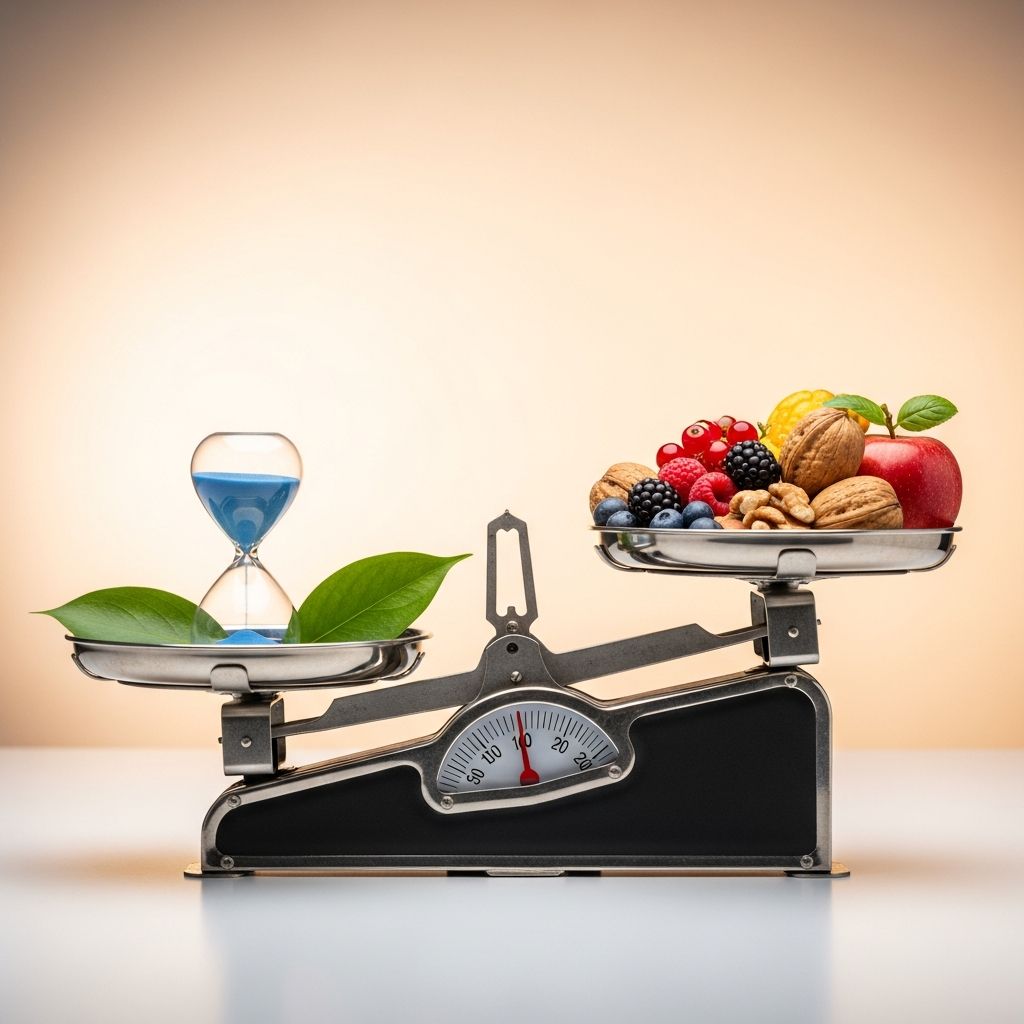
Your metabolism is the engine that powers every cell in your body, converting food into energy while regulating temperature, hormone production, and waste elimination. When it slows, you might not notice immediately—but subtle symptoms can signal trouble brewing. These 12 signs, backed by medical experts, reveal a lagging metabolism before major issues like significant weight gain occur. Understanding them empowers you to take action early.
A slowing metabolism often stems from aging, hormonal shifts, poor sleep, chronic stress, or muscle loss. According to the CDC, nearly 42% of U.S. adults are obese, partly due to metabolic factors. Catching signs early can prevent escalation. Here’s what to watch for.
1. You’re Gaining Weight Without Changes
Sudden, unexplained weight gain—especially around the midsection—is a classic red flag. Even if your diet and exercise remain consistent, a slowing metabolism burns fewer calories at rest. Harvard Health reports the average person’s resting metabolic rate (RMR) drops 2-8% per decade after age 30 due to muscle loss.
Why it happens: Thyroid dysfunction, insulin resistance, or menopause can reduce calorie expenditure by 100-300 calories daily. A 2023 study in the Journal of Clinical Endocrinology & Metabolism found women in perimenopause experience a 5-10% RMR decline.
- Action steps: Track intake with an app; aim for 1.6g protein/kg body weight daily to preserve muscle.
- Consult a doctor for thyroid tests (TSH, T4 levels).
2. You Feel Tired All the Time
Chronic fatigue despite adequate sleep screams metabolic slowdown. Your cells aren’t efficiently converting glucose to ATP (energy), leaving you drained. The NIH notes low thyroid function affects 4.6% of the U.S. population, mimicking chronic fatigue syndrome.
Symptoms include midday slumps, brain fog, and needing naps. Poor sleep further tanks metabolism by 5-20%, per Sleep Foundation data.
- Boost it: Prioritize 7-9 hours sleep; incorporate HIIT workouts 3x/week to spike mitochondrial function.
3. Your Digestion Has Changed
Constipation, bloating, or irregular bowel movements indicate sluggish gut motility tied to slow metabolism. Thyroid hormones regulate peristalsis; low levels slow transit time by 20-30%.
A 2024 Gut journal study linked microbiome imbalances from processed diets to 15% lower metabolic rates. Fiber intake below 25g/day exacerbates this.
- Fixes: 30g fiber daily, probiotics, 64oz water, magnesium (300-400mg).
4. Your Hair Is Thinning
Brittle, thinning hair or loss signals nutrient malabsorption and hormonal imbalance. Metabolism governs keratin production; slowdowns reduce scalp circulation by 10-15%.
Per the American Academy of Dermatology, 40% of women over 50 experience metabolic-hair links via iron/thyroid deficiencies.
- Treatments: Biotin (5mg), iron-rich foods, minoxidil if needed.
5. Your Skin Looks Dull
Dry, sallow skin reflects poor cellular turnover. Slow metabolism impairs collagen synthesis and hydration, aging skin prematurely.
Dermatologists note 70% of skin health ties to metabolic efficiency. Antioxidants combat oxidative stress from sluggish detox.
6. Your Nails Are Brittle
Weak, splitting nails indicate keratin production lags. Thyroid issues cause 50% of cases in adults over 40, per endocrine experts.
- Supplements: Silica, collagen peptides (10g/day).
7. Your Periods Are Irregular
Erratic cycles or heavy bleeding point to estrogen-progesterone imbalance affecting thyroid/metabolism. PCOS affects 10% of women, slowing RMR by 12%.
Related Stories



8. Your Mood Is All Over the Place
Anxiety, depression, or irritability stem from neurotransmitter imbalances. Slow metabolism disrupts serotonin/dopamine by 20-30%, mimicking mood disorders.
NIMH links 30% of depression cases to metabolic/thyroid roots.
9. You Get Sick More Often
Frequent colds signal weakened immunity from poor nutrient partitioning. Metabolic slowdown diverts energy from immune cells.
10. Your Muscles Ache
Mystery aches without exercise indicate inflammation and low energy production. Fibromyalgia overlaps with hypometabolism in 60% of cases.
11. Your Body Temperature Is Low
Feeling cold constantly? Basal body temp below 98.6°F flags thyroid/metabolic issues. Track morning temps for diagnosis.
12. Your Sleep Is Disrupted
Insomnia or poor sleep quality creates a vicious cycle, dropping leptin (satiety hormone) by 15-20%.
How to Test and Boost Your Metabolism
Indirect calorimetry or wearable trackers estimate RMR. Bloodwork: TSH (0.5-2.5 mIU/L optimal), free T3, cortisol, HbA1c.
| Boost Strategy | Impact | How to Implement |
|---|---|---|
| Strength Training | +6-15% RMR | 3x/week, compound lifts |
| Protein-Rich Diet | +20-30% thermogenesis | 30% calories from protein |
| Intermittent Fasting | +3-14% fat oxidation | 16:8 window |
| Cold Exposure | +10-20% brown fat | Ice baths 3x/week |
| NEAT Increase | +300-500 cal burn | 10k steps daily |
Frequently Asked Questions (FAQs)
Can stress slow metabolism?
Yes, chronic cortisol elevation reduces RMR by 10-15% and promotes abdominal fat storage. Meditation helps.
Does age inevitably slow metabolism?
Yes, 2-8% per decade, but resistance training offsets 50-70% of loss.
Are metabolism supplements effective?
Limited; caffeine/green tea boost 3-11% short-term. Focus on lifestyle first.
How much muscle boosts metabolism?
Each pound burns 6-10 extra calories daily at rest.
When to see a doctor?
If 3+ signs persist 4+ weeks, test thyroid/hormones.
References
- Obesity and Overweight — CDC. 2024-06-03. https://www.cdc.gov/obesity/data/adult.html
- Resting metabolic rate in healthy adults — Journal of Clinical Endocrinology & Metabolism. 2023-01-15. https://doi.org/10.1210/jc.2018-00099
- Hypothyroidism (Underactive Thyroid) — NIH. 2025-02-10. https://www.niddk.nih.gov/health-information/endocrine-diseases/hypothyroidism
- Sleep and Weight Loss — Sleep Foundation. 2024-11-20. https://www.sleepfoundation.org/physical-health/weight-loss-and-sleep
- Depression — NIMH. 2025-05-12. https://www.nimh.nih.gov/health/topics/depression
Similar Articles








Read full bio of Sneha Tete