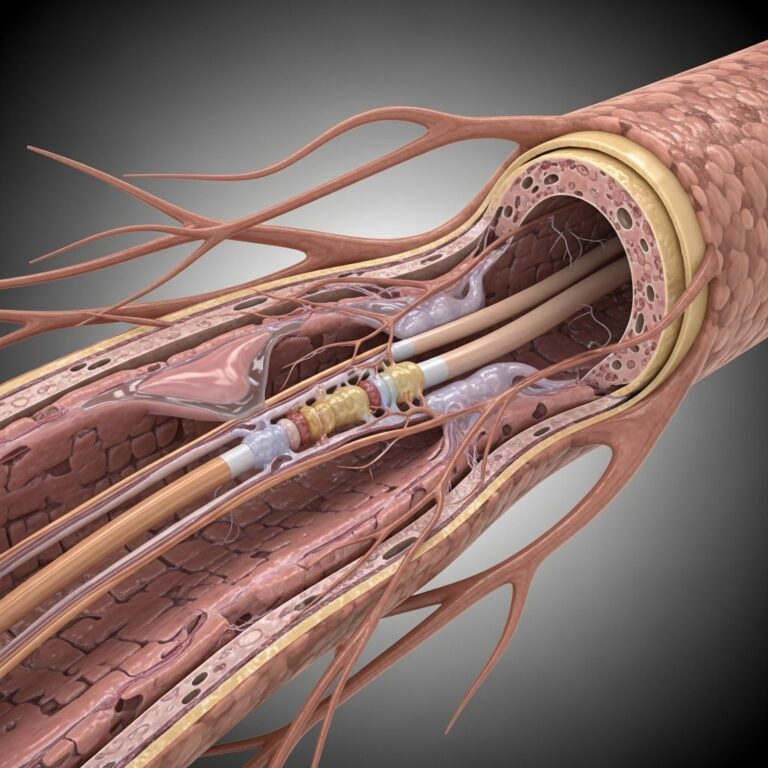
Subungual Exostosis: Causes, Symptoms, and Treatment
Understanding subungual exostosis: A comprehensive guide to bone spurs under toenails.
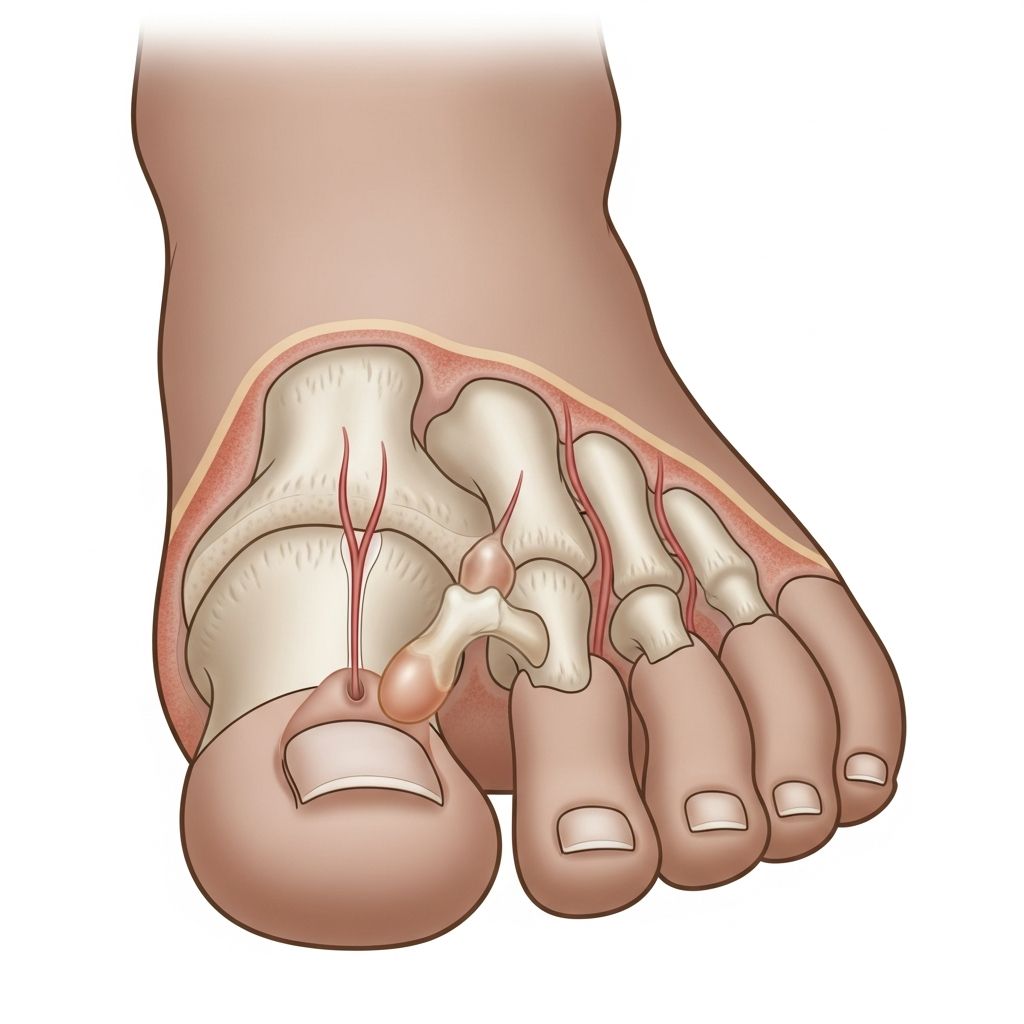
Subungual Exostosis: A Comprehensive Guide
Subungual exostosis is a benign bony growth that develops beneath the toenail, typically affecting the distal phalanx (end bone) of the toe or finger. This condition, also known as a subungual bone spur or osteochondroma, arises from abnormal bone growth at the end of the distal phalanx and can cause significant discomfort and functional impairment if left untreated. While subungual exostosis is relatively rare, it remains an important consideration in the differential diagnosis of painful subungual lesions, particularly when patients present with localized pain and nail deformity.
What Is Subungual Exostosis?
A subungual exostosis is a small, extra growth of bone that arises from the distal phalanx—the bone at the end of the toe or finger. Most commonly, it affects the big toe, though it can occur in other digits. The growth protrudes upward into the nail bed, causing the toenail to lift and separate from the underlying tissue. Histopathologically, subungual exostosis is characterized by the maturation of cartilaginous and bone trabeculae with spindle cell proliferation, distinguishing it from other benign and malignant nail bed lesions.
This condition differs significantly from other nail pathologies. While it shares some clinical features with ingrown toenails and other nail disorders, subungual exostosis presents as a hard, fixed nodule beneath the nail with hyperkeratosis on the surface. The bony nature of the lesion, confirmed through radiographic and histopathological examination, makes it a distinct entity requiring specialized diagnostic and therapeutic approaches.
Clinical Presentation and Symptoms
Subungual exostosis presents with a variable range of clinical manifestations, depending on the size and location of the lesion and the degree of nail bed disruption:
- Pain and discomfort: The primary complaint of most patients with subungual exostosis is pain, particularly when direct pressure is applied to the affected toenail. This pain intensifies with activities such as wearing tight shoes or walking and is distinctly different from the lateral pain associated with ingrown toenails.
- Nail deformity: As the exostosis grows, it lifts the toenail and causes separation from the nail bed below. The nail may become distorted, buckled, or displaced, significantly affecting cosmetic appearance.
- Swelling and inflammation: Inflammation or swelling of the toe in tissues surrounding the exostosis may occur, resulting in a red, tender appearance. Some patients experience minimal or no swelling, making clinical diagnosis challenging.
- Nail discoloration: A yellow area may appear on the nail above the subungual mass, particularly in advanced cases where the nail bed has been severely disrupted.
- Ulceration and infection: In severe cases, the growth may cause ulceration, secondary nail bed infection, and adverse effects on overall health-related quality of life.
Importantly, subungual exostosis may be pain-free in its early stages, and some patients remain largely asymptomatic. However, early recognition and appropriate treatment remain crucial to prevent progression and complications.
Classification of Subungual Exostosis
Clinical classification of subungual exostosis is based on the relationship between lesion location and the nail bed, determined through anteroposterior and lateral radiographic examination:
| Classification Type | Characteristics |
|---|---|
| Type I | Lesion located at the distal phalangeal bone margin without invasion of the nail bed; no obvious protrusion at the edge of the nail; minimal or no nail deformity |
| Type II | Lesion invades the nail bed with varying degrees of nail deformity and protrusion |
| Type III | Lesion causes significant nail bed disruption with marked nail deformity and possible separation |
Related Stories



This classification system guides surgical planning and helps predict outcomes based on the extent of nail bed involvement.
Diagnosis of Subungual Exostosis
Accurate diagnosis of subungual exostosis requires a combination of clinical examination and imaging studies:
Physical Examination
Initial diagnosis often involves a thorough physical examination by a podiatrist or healthcare professional. Direct pressure applied to the nail typically elicits pain in symptomatic cases. The examiner evaluates the nail appearance, tissue swelling, and tenderness. Subungual exostosis typically presents with no swelling or redness, distinguishing it from other inflammatory nail conditions.
X-ray Imaging
X-ray examination is the primary noninvasive diagnostic method for confirming subungual exostosis. Anteroposterior and lateral radiographs demonstrate overgrowth of the dorsal bone of the distal toe or finger, which appears as a trabeculated structure. X-rays are essential for differential diagnosis, as they confirm the bony origin of the lesion and assess its size and extent. The median maximum lesion diameter in clinical cases typically measures 1.0 cm, ranging from 0.8 to 2 cm.
Magnetic Resonance Imaging
Magnetic resonance imaging (MRI) can detect different signal structures within tumors and is helpful for diagnostic purposes, particularly when evaluating complex cases or assessing soft tissue involvement.
Dermoscopy and Histopathology
Although dermoscopy is a useful auxiliary diagnostic tool that can distinguish subungual exostosis from other toenail diseases and guide treatment decisions, histopathological examination remains essential for definitive diagnosis. Biopsies are rarely required before surgery, but the excised lesion is routinely sent to the pathology laboratory to confirm diagnosis through microscopic evaluation of bone and cartilage maturation patterns.
Differential Diagnosis
Subungual exostosis must be differentiated from several other painful subungual conditions:
- Squamous cell carcinoma of the nail bed
- Verruca vulgaris (common wart)
- Glomus tumor
- Subungual fibroma or fibrokeratoma
- Subungual epidermal inclusion cyst
- Pigmented malignant melanoma
- Osteosarcoma
- Endochondroma
- Subungual osteochondroma
Endochondroma presents a particularly similar clinical appearance but differs radiographically by demonstrating bone transmission and causing expansion of the phalanx itself. When a yellow area appears on the nail deck above a subungual mass, subungual exostosis should be considered in the differential diagnosis.
Treatment Options
Conservative Management
For asymptomatic or minimally symptomatic cases, conservative management may be appropriate. Over-the-counter nonsteroidal anti-inflammatory drugs (NSAIDs) can help relieve pain and inflammation. Modifications to footwear, such as wearing wider shoes that reduce pressure on the affected toe, may provide symptomatic relief. However, conservative measures typically do not resolve the underlying bony growth.
Surgical Treatment
Surgical resection remains the definitive treatment for symptomatic subungual exostosis. Surgery is performed as an outpatient procedure under local anesthesia. The surgical approach involves several key steps:
- The toenail is trimmed back or sometimes removed completely to provide adequate exposure
- An incision is made over the bony swelling
- The bony growth is carefully removed from the underlying bone
- The bone surface is scraped smooth to prevent recurrence
- The skin incision is closed with sutures or left to heal from the base
- The toe is dressed with appropriate dressings and bandaging
The median operation time for surgical removal is approximately 25 minutes, with minimal blood loss (median 1 ml) and a median postoperative hospital stay of 2 days. Complete resection of the lesion with careful separation from nail bed structures significantly reduces recurrence risk. Minimizing damage to the nail bed and nail matrix is essential to prevent postoperative nail deformity.
Surgical Outcomes
Clinical outcomes following surgical treatment are generally favorable. In a comprehensive clinical series, 95% of patients experienced no complications, with normal nail appearance at follow-up examination (median 24 months). Two patients (5%) experienced recurrence at 3 months postoperatively but achieved successful resolution following secondary operation with no subsequent recurrence during 12 months of follow-up. The selection of surgical methods based on clinical classification and careful attention to nail bed preservation yields good functional and cosmetic results with very low recurrence rates.
Prevention and Management Strategies
While the underlying etiology of subungual exostosis remains incompletely understood, several preventive strategies may reduce the risk of development or progression:
- Wearing properly fitting footwear that does not create excessive pressure on the toes
- Avoiding repetitive trauma or injury to the toenail and surrounding tissues
- Practicing good foot hygiene and nail care
- Seeking prompt medical evaluation for any persistent nail pain or deformity
- For patients with hereditary multiple exostosis, regular foot examinations and imaging surveillance
Hereditary Multiple Exostosis
A small subset of patients presents with hereditary multiple exostosis (osteochondromatosis), characterized by the presence of multiple exostoses that are frequently bilateral and symmetrical. This hereditary condition demonstrates prominent familial incidence, affects males more frequently than females, and typically manifests during childhood or adolescence. Patients with this hereditary syndrome require comprehensive evaluation and management of multiple lesions, including those involving the feet.
Frequently Asked Questions
Q: Is subungual exostosis a form of cancer?
A: No, subungual exostosis is a benign bone tumor that does not metastasize or transform into cancer. However, proper diagnosis is essential to rule out malignant conditions.
Q: Can subungual exostosis be treated without surgery?
A: Conservative management with NSAIDs and footwear modifications may provide symptomatic relief in early or asymptomatic cases. However, surgical removal remains the definitive treatment for progressive or symptomatic lesions.
Q: What is the recovery time after surgical removal?
A: Most patients recover within 2-4 days postoperatively, with median hospital stay of 2 days. Full functional recovery typically occurs within 2-4 weeks, depending on the extent of surgical intervention.
Q: How likely is subungual exostosis to recur after surgery?
A: Recurrence rates are very low, typically 5% or less, particularly when complete resection and careful nail bed separation are achieved. Secondary recurrence following appropriate treatment is rare.
Q: Can subungual exostosis affect multiple toes?
A: While typically affecting a single digit, patients with hereditary multiple exostosis may develop multiple subungual lesions requiring evaluation and management of all affected areas.
Q: How is subungual exostosis different from an ingrown toenail?
A: Subungual exostosis is a hard bony growth beneath the nail causing pain with direct pressure, while ingrown toenails cause lateral nail margin pain. Imaging confirms the bony nature of exostosis.
Conclusion
Subungual exostosis represents a rare benign bone tumor that frequently presents with diagnostic challenges due to initial subtlety of symptoms and similarity to other nail pathologies. Early recognition through careful clinical examination and confirmation via radiographic imaging is essential for timely intervention. While conservative management may provide temporary symptomatic relief, surgical resection remains the gold standard treatment, offering excellent functional and cosmetic outcomes with minimal recurrence risk when performed with attention to complete lesion removal and nail bed preservation. Patients experiencing persistent nail pain, deformity, or swelling should seek evaluation from qualified foot and ankle specialists to ensure accurate diagnosis and appropriate management.
References
- Clinical Diagnosis and Treatment of Subungual Exostosis in Children — National Center for Biotechnology Information (NCBI). 2023. https://pmc.ncbi.nlm.nih.gov/articles/PMC9773551/
- Exostosis: Types, Symptoms & Treatment — Cleveland Clinic. 2024. https://my.clevelandclinic.org/health/diseases/25114-exostosis
- Signs and Symptoms of Subungual Exostosis: When to Seek Help — Best Foot Doctor NY. 2024. https://bestfootdoctorny.com/signs-and-symptoms-of-subungual-exostosis-when-to-seek-help/
- Subungal Exostosis – RefHelp — NHS Lothian. 2024. https://apps.nhslothian.scot/refhelp/guidelines/orthopaedics/ankle-pain-instability/subungal-exostosis/
- Subungal Exostosis Bone Spur Under Toenail — Reisinger Farmer Podiatry. 2024. https://www.reisingerfarmerpodiatry.com/articles/ami/966196-subungal-exostosis-bone-spur-under-toenail/
- Subungual Exostosis — Foot and Ankle Clinic Mid FL. 2024. https://www.footankleclinicmidfl.com/contents/common-disorders/common-foot-and-ankle-disorders/subungual-exostosis
Similar Articles








Read full bio of medha deb