Suburban Hospital: Quality Healthcare in Bethesda, Maryland
Trusted community healthcare serving Montgomery County with advanced medical services since 1943.
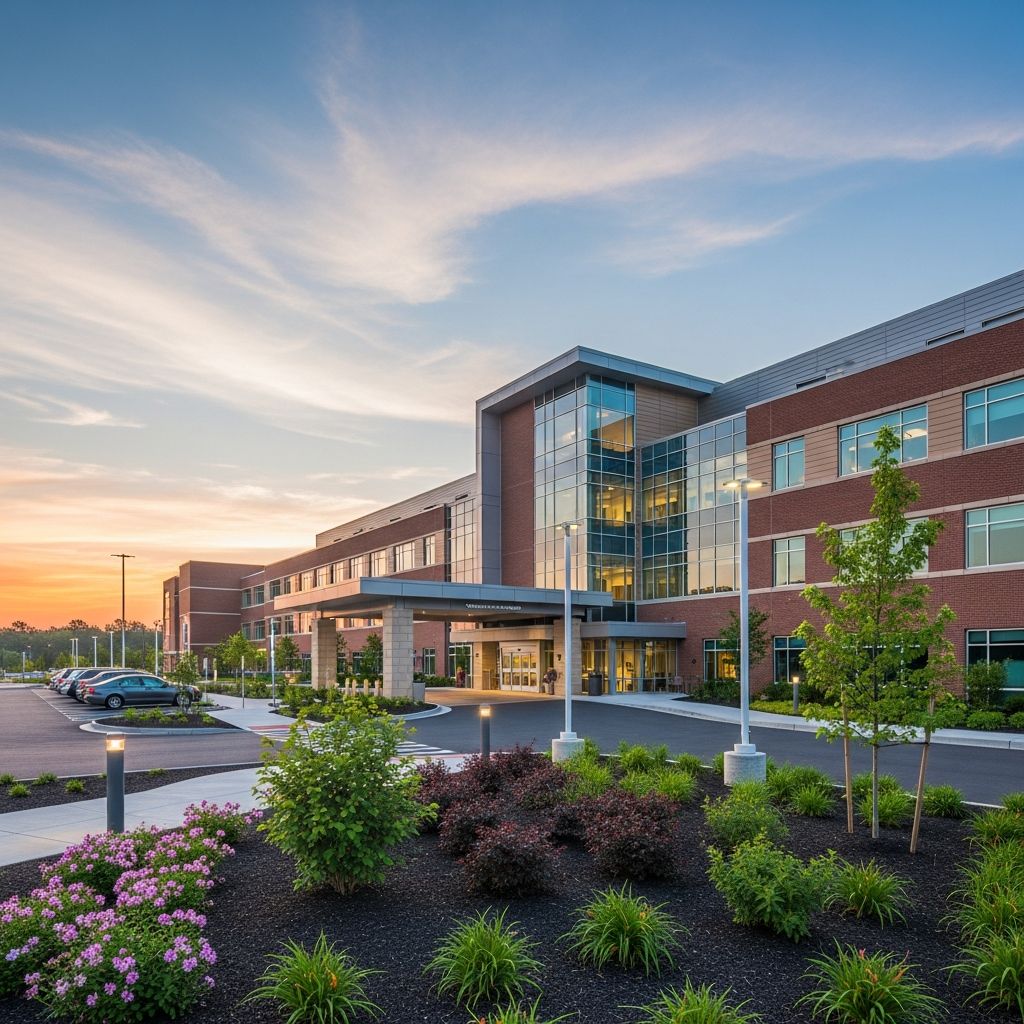
Suburban Hospital: A Legacy of Community Healthcare Excellence
Suburban Hospital stands as a cornerstone of healthcare delivery in the Montgomery County, Maryland region and surrounding Washington, D.C. area. As a community-based, not-for-profit institution, the hospital has dedicated over eight decades to providing exceptional medical services to residents and visitors alike. With its recent affiliation with Johns Hopkins Medicine in 2009, Suburban Hospital has strengthened its commitment to delivering world-class healthcare through a partnership with one of the nation’s most prestigious medical institutions.
Located in Bethesda, Maryland, Suburban Hospital serves as the designated Level II Trauma Center for Montgomery County, making it a critical resource for emergency and trauma care. The hospital’s comprehensive service offerings encompass surgery, orthopedics, cardiology, neurology, oncology, and emergency/trauma care, among numerous other clinical specialties designed to meet the diverse healthcare needs of the community.
Historical Foundation and Growth
Suburban Hospital’s history began on December 13, 1943, when the facility opened as a 130-bed hospital specifically constructed to accommodate the expanding World War II military population in rural Montgomery County. The original facility consisted of several one-story cottages and represented a significant healthcare infrastructure investment for the region at that time. During its inaugural full year of operation, the hospital admitted 3,000 patients and operated on a modest budget of just $13,000, demonstrating the essential role it played in the community despite limited resources.
A pivotal moment in the hospital’s development occurred in 1950 when the community purchased the facility from the federal government for $125,000. This transition marked the beginning of local stewardship and community investment in the institution. Throughout the late 1950s, Suburban Hospital experienced significant growth pressures, with patient demand exceeding available bed capacity. Hospital administrators responded creatively by enclosing sun porches and converting clinic space into patient rooms to address the overflow.
Recognizing the need for sustainable expansion, the Suburban Hospital Association developed an ambitious master facility plan during this period to construct three new wings over the subsequent decade, positioning the hospital for long-term growth and improved patient care capabilities.
Designation as a Trauma Center
One of Suburban Hospital’s most significant roles in the regional healthcare landscape is its designation as an Adult Level II Trauma Center. This designation reflects the hospital’s commitment to providing advanced trauma care services and its comprehensive infrastructure for managing critically injured patients. The trauma center operates with a skilled team of specialists trained in emergency medicine, trauma surgery, and critical care, supported by cutting-edge medical technology.
As the designated trauma center for Montgomery County, Suburban Hospital receives patients with severe injuries from accidents, violence, and other traumatic events. The Level II designation indicates that the facility maintains high standards for trauma care, with dedicated surgical capacity, 24/7 physician availability, and specialized nursing staff trained in trauma protocols. This role represents a vital public health function that serves not only Montgomery County residents but also patients from surrounding communities in the greater Washington, D.C. metropolitan area.
Related Stories



Campus Enhancement and Modernization
On February 7, 2008, Suburban Hospital unveiled an ambitious vision for modernization through a comprehensive campus enhancement project. This represented the hospital’s first major facility upgrade in nearly 30 years, with the last significant renovation occurring in 1979. The enhancement project was designed to address contemporary healthcare delivery needs and position the hospital for future growth and excellence.
Key Features of the Campus Enhancement Project
The proposed improvements centered on Suburban’s existing campus at 8600 Old Georgetown Road, strategically positioned across from the National Institutes of Health (NIH), a key clinical partner. The enhancement initiative included several transformative components:
New Building Addition: The project proposed a new building addition consisting of approximately 300,000 square feet, rising four stories in height. This new structure was designed to house a modern surgical wing, comprehensive physician office space, and private patient rooms, significantly expanding the hospital’s clinical capacity.
State-of-the-Art Surgical Wing: The centerpiece of the enhancement project was a new surgical wing containing 15 state-of-the-art operating rooms to replace existing surgical facilities. Each operating room was designed to measure approximately 700 square feet, providing ample space for advanced technological applications such as MRI-guided surgery. By consolidating all new operating rooms on a single floor positioned near the emergency/trauma center, the design maximized operational efficiency and improved patient flow throughout the facility.
Emergency and Trauma Access: The project included significant improvements to emergency and trauma accessibility. A new main entrance was designed to intelligently separate pedestrian and private vehicle entrances from the helipad and emergency vehicle entrance, creating distinct traffic flows that enhance safety and operational efficiency during high-acuity situations.
Parking and Transportation Solutions: Recognizing that inadequate parking was a longstanding challenge, the enhancement project included replacement of the existing parking garage with a new 1,200-space facility. This expansion addressed both the parking needs generated by the new building and resolved chronic parking shortages that had challenged patients and visitors.
Sustainable and Aesthetic Design: The campus enhancement incorporated green building initiatives and sustainable design principles. Mechanical systems were designed to be housed below grade to minimize noise and enhance aesthetics. A comprehensive landscape program included gardens, greenways, trees, and paths throughout the campus, creating a healing environment for patients and visitors.
Improved Circulation: The project included improved vehicular and pedestrian circulation throughout the campus, with traffic orientation adjusted to Old Georgetown Road to enhance flow and safety.
Operational Efficiency: Advanced design features included separate elevators for patients and non-patients, improving operational efficiency and patient privacy while reducing cross-contamination risks.
Clinical Services and Specialties
Suburban Hospital offers a comprehensive array of clinical services designed to address the diverse healthcare needs of Montgomery County residents. The hospital’s service lines include:
– Emergency and Trauma Care: As the region’s designated Level II Trauma Center, the hospital provides advanced emergency medicine and trauma surgery services with round-the-clock availability.- Surgery: General surgical services encompass both routine and complex procedures performed by experienced surgical teams.- Orthopedics: Specialized bone and joint care services address fractures, joint replacement, and orthopedic trauma.- Cardiology: Cardiovascular services include diagnostic testing, interventional procedures, and cardiac rehabilitation.- Neurology and Neurosurgery: Neurological and neurosurgical services address brain, spinal cord, and peripheral nerve conditions.- Oncology: Cancer treatment services provide chemotherapy, radiation therapy, and other oncological interventions.- Additional Specialties: The hospital maintains numerous other clinical services supporting comprehensive community healthcare.
Johns Hopkins Medicine Affiliation
On June 30, 2009, Suburban Hospital became a member of Johns Hopkins Medicine, significantly enhancing its access to world-class medical expertise and resources. Johns Hopkins Medicine is widely recognized as one of the leading healthcare systems in the United States and globally. This affiliation strengthened Suburban Hospital’s clinical capabilities and aligned the community hospital with an institution renowned for medical excellence, research innovation, and patient care quality.
Through its affiliation with Johns Hopkins Medicine, Suburban Hospital benefits from access to specialized consultative expertise, participation in clinical research initiatives, and alignment with evidence-based medical practices developed by Johns Hopkins physician-scientists. Patients at Suburban Hospital now have access to the broader Johns Hopkins Medicine network, which operates multiple academic hospitals, community hospitals, and numerous primary and specialty care outpatient sites throughout Maryland and Washington, D.C.
Recognition and Quality Outcomes
Suburban Hospital has earned recognition for its clinical quality and patient outcomes. The hospital was rated as high performing in two adult specialties and seven procedures/conditions, reflecting the excellence of its clinical teams and operational systems. These quality metrics demonstrate that Suburban Hospital consistently delivers care that meets or exceeds national benchmarks for safety, effectiveness, and patient satisfaction.
Strategic Location and Regional Significance
Situated in Bethesda, Maryland, Suburban Hospital occupies a strategically important location in the Washington, D.C. metropolitan region. Its proximity to the National Institutes of Health creates unique opportunities for clinical collaboration and access to cutting-edge medical research. The hospital serves Montgomery County, one of the nation’s most affluent and demographically diverse counties, as well as patients from surrounding areas throughout the greater Washington, D.C. region.
Frequently Asked Questions
Q: What is Suburban Hospital’s primary role in Montgomery County healthcare?
A: Suburban Hospital serves as the designated Level II Trauma Center for Montgomery County and provides comprehensive healthcare services across multiple specialties including surgery, cardiology, neurology, oncology, and orthopedics to residents and surrounding communities.
Q: When was Suburban Hospital founded?
A: Suburban Hospital was founded on December 13, 1943, originally as a 130-bed facility constructed to serve the expanding World War II military population in rural Montgomery County, Maryland.
Q: What is the significance of Suburban Hospital’s Johns Hopkins Medicine affiliation?
A: The 2009 affiliation with Johns Hopkins Medicine connects Suburban Hospital to one of the world’s leading healthcare systems, enhancing access to specialized expertise, research innovations, and evidence-based clinical practices while strengthening quality outcomes and patient care capabilities.
Q: What major infrastructure improvements were proposed in the 2008 campus enhancement project?
A: The campus enhancement project included a 300,000-square-foot new building, 15 state-of-the-art operating rooms, improved emergency and trauma access, a new 1,200-space parking garage, sustainable green building design, and improved circulation patterns throughout the campus.
Q: What clinical specialties does Suburban Hospital offer?
A: Suburban Hospital offers comprehensive services including emergency and trauma care, surgery, orthopedics, cardiology, neurology, oncology, and numerous other clinical specialties designed to address diverse community healthcare needs.
Q: Is Suburban Hospital open 24/7 for emergency services?
A: Yes, as a designated Level II Trauma Center, Suburban Hospital maintains round-the-clock emergency and trauma care services with specialized physicians and surgical teams available at all times.
References
- Suburban Hospital — Johns Hopkins Medicine. 2025. https://www.hopkinsmedicine.org/suburban-hospital
- About Johns Hopkins Medicine — Johns Hopkins Medicine. 2025. https://www.hopkinsmedicine.org/about
- Suburban Hospital — Wikipedia — Wikimedia Foundation. 2024. https://en.wikipedia.org/wiki/Suburban_Hospital
- Level II Trauma Center Designation Standards — American College of Surgeons Committee on Trauma. 2024. https://www.facs.org/quality-programs/trauma/vrc
- Healthcare Quality and Safety Standards — The Joint Commission. 2024. https://www.jointcommission.org
Similar Articles








Read full bio of medha deb