Sucralose: Safety, Risks, And What You Need To Know
Is sucralose safe? Explore its benefits, risks, and latest research on metabolism, gut health, and long-term effects.
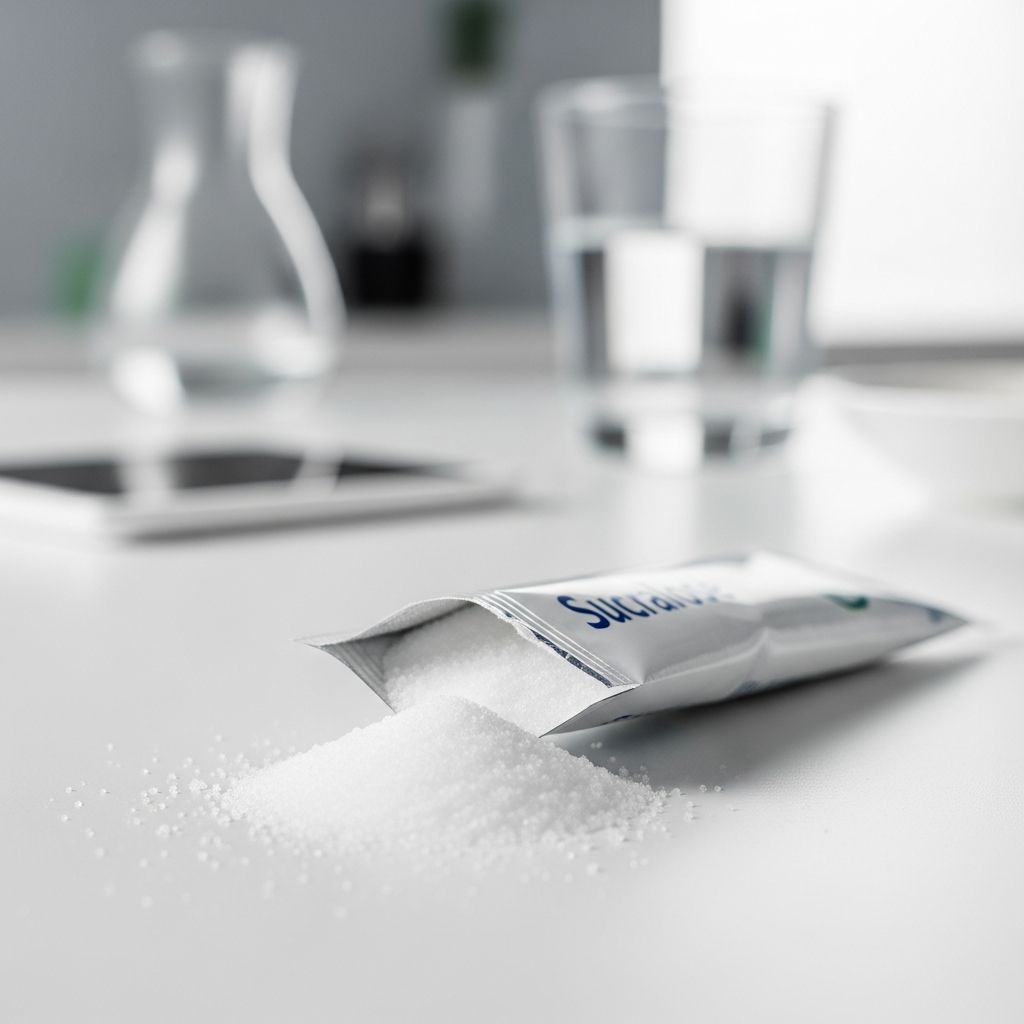
Sucralose is a zero-calorie artificial sweetener approximately
600 times sweeter than sugar
, derived from sucrose through chlorination, making it non-nutritive and heat-stable for cooking and baking. Approved by the FDA in 1998 and deemed safe within acceptable daily intake (ADI) limits—5 mg/kg body weight by FDA and 15 mg/kg by WHO—it is found in products like diet sodas, Splenda, and thousands of foods.While marketed for weight management and diabetes control due to no impact on blood glucose or calories, emerging research raises concerns about metabolic disruptions, gut microbiota alterations, and potential long-term risks like insulin resistance and inflammation.
What Is Sucralose?
Sucralose (E955) is a chlorinated sucrose derivative where three hydroxyl groups are replaced by chlorine atoms, rendering it indigestible. About 85% passes through the body unabsorbed via feces, while 15% is absorbed and excreted in urine, primarily unchanged. Its stability at high temperatures and across pH levels makes it versatile for beverages, baked goods, and pharmaceuticals.
- Sweetness potency: 600x sucrose, used in tiny amounts (e.g., equivalent to 2 diet sodas daily stays under ADI for most adults).
- Caloric value: Negligible (11 kcal/g but used in mg quantities).
- Discovery: Accidentally created in 1976 by British chemists; commercialized as Splenda in 1998.
Unlike aspartame (200x sweeter, metabolizes to phenylalanine), sucralose’s organochlorine structure resists breakdown, contributing to its safety profile in early toxicological reviews but prompting scrutiny in modern microbiota-focused studies.
How Sucralose Works in the Body
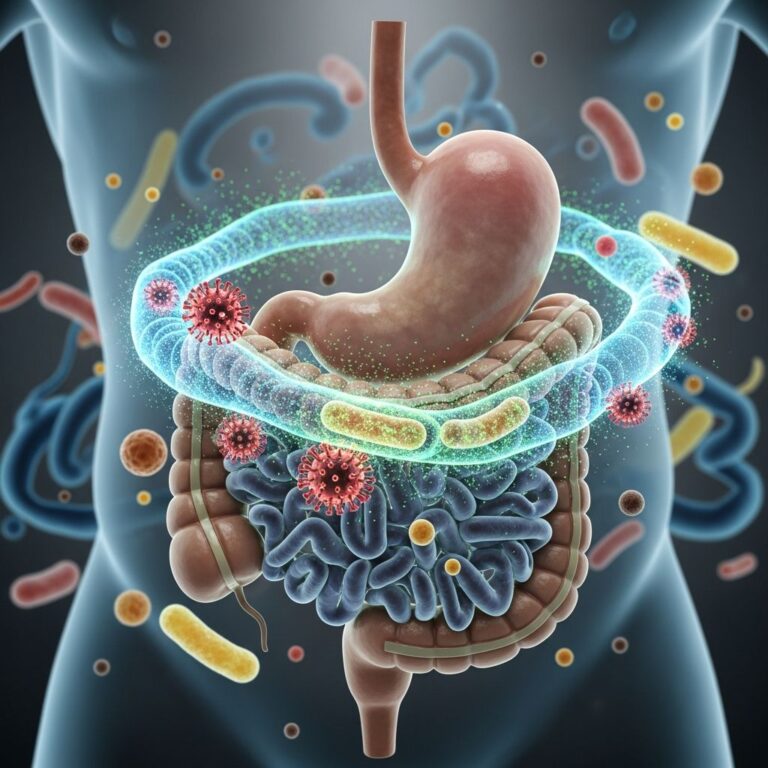
Sucralose activates sweet taste receptors (T1R2/T1R3) in the mouth and gut, triggering cephalic phase insulin response and incretin hormones like GLP-1 and GIP without calories. In the gut, ~84% remains unabsorbed, but low concentrations can influence microbiota.
| Property | Sucralose | Sucrose (Sugar) |
|---|---|---|
| Absorption | 15% absorbed, 85% excreted unchanged | 100% absorbed/metabolized |
| Caloric impact | Zero | High (4 kcal/g) |
| Glycemia effect | Minimal direct, but debated | Increases blood glucose |
| Gut fate | Minimal metabolism; glucuronide conjugates | Fermented to glucose/fructose |
Recent evidence shows sucralose metabolites (e.g., acetylated forms in rats) and interactions with gut sensors may amplify effects when combined with high-fat diets or proteins.
Health Benefits of Sucralose
Proponents cite sucralose’s role in reducing calorie intake for weight loss and glycemic control.
- Weight management: Replaces sugar, aiding modest weight loss in meta-analyses (though not superior to water).
- Diabetes-friendly: No significant HbA1c changes in 3-month trials with diabetics at ADI doses.
- Dental health: Bacteriostatic, reduces caries risk.
- Stability: Retains sweetness in cooking, unlike some sweeteners.
Mayo Clinic notes artificial sweeteners like sucralose do not cause serious issues when used moderately.
Potential Health Risks and Side Effects
Recent studies challenge sucralose’s inertness, linking it to metabolic and microbial issues.
Metabolic Effects
Sucralose may impair glucose tolerance and insulin sensitivity. In obese women, it elevated glucose/insulin post-meal. Rat studies show dose-dependent effects: low doses improve intolerance, high/chronic doses increase GLP-1, GIP, hyperglycemia, adipocyte size, leptin, uric acid, triglycerides.
- 12-week Splenda exposure: Reduced beneficial gut bacteria, elevated CYP enzymes/P-gp (drug transporters).
- 4-month use: Enlarged adipocytes, leptin upregulation.
Gut Microbiota Disruption
Sucralose alters microbiota composition, reducing bifidobacteria/ butyrate-producers while boosting enterobacteria, linked to inflammation, insulin resistance, leaky gut.
Related Stories



- Mice (pregnancy/lactation): Offspring showed inflammation, reduced butyrate bacteria.
- Rats (6 months): Proinflammatory liver genes (TNF-alpha, IL-6), elevated MMP-2.
- Promotes E. coli mutations, antibiotic resistance.
Cardiovascular and Other Risks
Associations with hypertension, obesity, metabolic syndrome via microbiota-inflammation pathways. 18-week mouse study: Elevated HbA1c, liver/kidney markers, anemia. Potential malignancy links need more data.
WHO Alert (2023)
WHO flagged sucralose for possible inflammation/metabolic disease links, advising against non-sugar sweeteners for weight control.
Is Sucralose Safe? Regulatory View
FDA (ADI 5 mg/kg), EFSA, JECFA approve based on pre-microbiome era data. Over 100 studies showed no carcinogenicity/reproductive toxicity at high doses. However, post-approval research prompts calls for updated guidelines.
For a 70kg adult, ADI equals ~18 diet sodas daily—far above typical intake.
Sucralose and Weight Gain: The Paradox
Despite zero calories, observational data links NNS to weight gain, possibly via sweet taste conditioning appetite, microbiota dysbiosis, or compensatory overeating. Rat studies confirm increased body fat with chronic exposure.
Sucralose vs. Other Sweeteners
| Sweetener | Sweetness (vs. Sugar) | ADI (mg/kg) | Key Concerns |
|---|---|---|---|
| Sucralose | 600x | 5-15 | Gut dysbiosis, metabolic shifts |
| Aspartame | 200x | 40-50 | Phenylketonuria risk |
| Stevia | 300x | 4 | Natural, fewer concerns |
| Saccharin | 300-500x | 15 | Historical cancer fears (debunked) |
Who Should Avoid Sucralose?
- Those with IBS/IBD (gut sensitivity).
- Pregnant/lactating (offspring microbiota risks).
- Metabolic syndrome patients (monitor response).
- Children (developing microbiomes).
Moderation key; whole foods preferred.
Tips for Using Sucralose Safely
- Stay under ADI: Track via apps.
- Combine with fiber-rich foods to mitigate gut effects.
- Rotate sweeteners or prioritize natural options.
- Wean off by diluting sweetened products.
- Focus on reducing overall sweet taste exposure.
Alternatives to Sucralose
- Stevia/Monk fruit: Plant-based, minimal processing.
- Allulose/Erythritol: Sugar alcohols with bulk, low GI.
- Fruit purees: Natural sweetness.
Frequently Asked Questions (FAQs)
Is sucralose bad for your gut?
Yes, studies show it reduces beneficial bacteria like bifidobacteria, potentially causing dysbiosis and inflammation.
Does sucralose raise blood sugar?
Minimal direct effect, but can via incretins/microbiota in sensitive groups like obese individuals.
Can sucralose cause cancer?
No evidence from regulatory reviews; needs more long-term data.
Is sucralose keto-friendly?
Yes, zero net carbs, but monitor personal metabolic response.
How much sucralose is safe per day?
FDA: 5 mg/kg (e.g., 350 mg for 70kg person, ~10-12 diet sodas).
References
- Unveiling the profound influence of sucralose on metabolism and its potential implications for human health: A comprehensive review of current evidence — Frontiers in Nutrition. 2024. https://www.frontiersin.org/journals/nutrition/articles/10.3389/fnut.2024.1387646/full
- Sucralose, A Synthetic Organochlorine Sweetener — PubMed Central (PMC). 2013-11-01. https://pmc.ncbi.nlm.nih.gov/articles/PMC3856475/
- Sucralose: From Sweet Success to Metabolic Controversies — PubMed Central (PMC). 2024. https://pmc.ncbi.nlm.nih.gov/articles/PMC10971371/
- Artificial sweeteners and other sugar substitutes — Mayo Clinic. 2023-06-13. https://www.mayoclinic.org/healthy-lifestyle/nutrition-and-healthy-eating/in-depth/artificial-sweeteners/art-20046936
Similar Articles








Read full bio of Sneha Tete