Sudden Arrhythmic Death Syndrome: Causes and Symptoms
Understanding SADS: genetic heart condition affecting electrical system and heart rhythm.
Understanding Sudden Arrhythmic Death Syndrome (SADS)
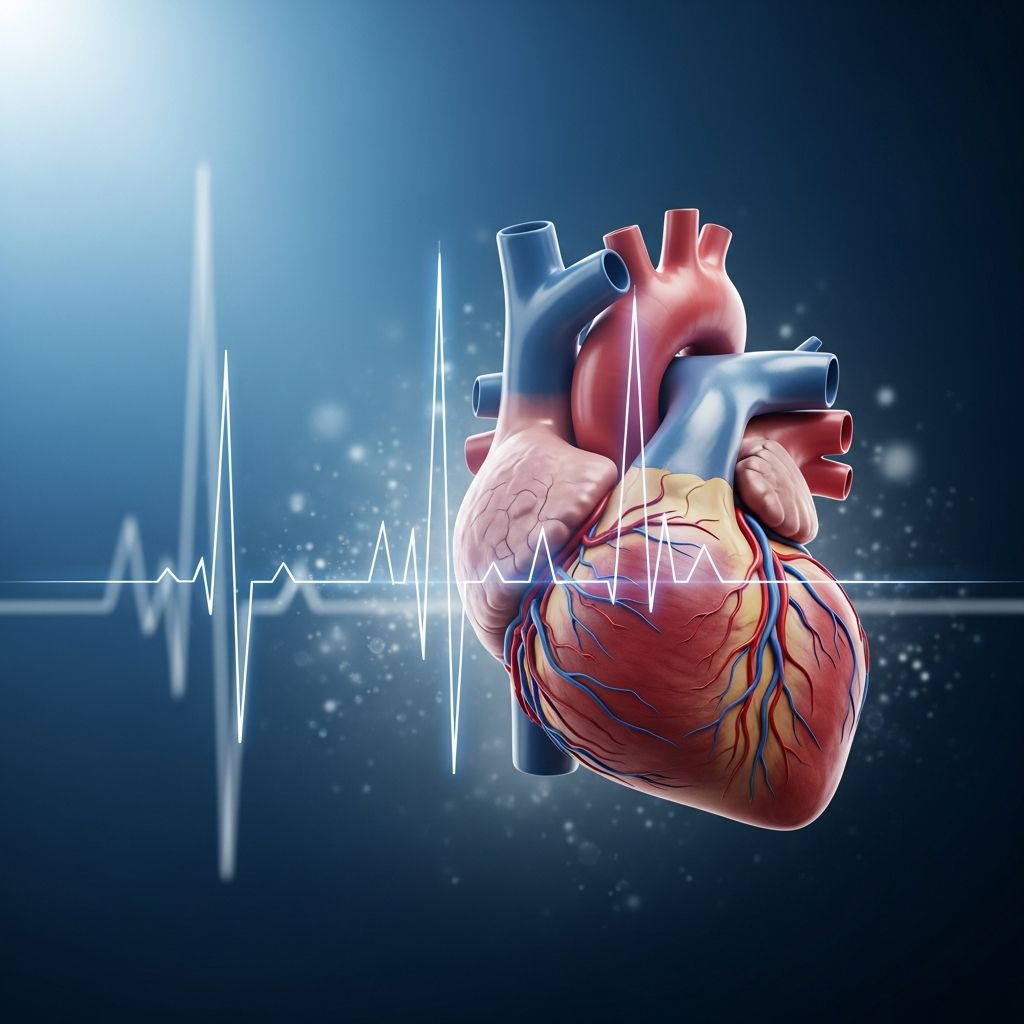
Sudden arrhythmic death syndrome (SADS) is an inherited problem with your heart’s electrical system that gives you an abnormal heart rhythm. This genetic condition puts you at significant risk for sudden cardiac death without proper treatment and management. Unlike some heart conditions that develop over time, SADS is something you’re born with—typically inherited from parents to children through genetic pathways.
SADS represents one of the most serious inherited cardiac conditions, particularly affecting young and middle-aged adults. The condition causes the heart’s electrical system to malfunction, leading to dangerous arrhythmias that can strike without warning. In most cases, people with SADS have no obvious symptoms until a life-threatening event occurs, making early detection and family screening critical for survival.
What Causes Sudden Arrhythmic Death Syndrome?
SADS deaths occur when a person has an underlying and likely undiagnosed heart condition that causes dangerous arrhythmias. When triggered, a severe arrhythmia causes the heart to beat erratically to the point that the person no longer has a pulse and cardiac arrest occurs. The arrhythmias associated with SADS conditions all involve issues with the electrical impulses that control how the heart beats.
To understand SADS, it’s helpful to know how the heart’s electrical system normally works. The electrical impulses produced by the sinus node travel to a cluster of cells known as the atrioventricular (AV) node. The AV node subsequently slows the impulses before sending them on to the ventricles. The brief delay that occurs as this happens gives the ventricles time to fill up with the blood being pumped from the atria. When this electrical system malfunctions due to genetic abnormalities, the timing and rhythm of heartbeats become dangerously irregular.
Several genetic conditions fall under the SADS umbrella, each involving different electrical system malfunctions:
Common SADS-Related Conditions
- Long QT Syndrome: A condition affecting how the heart’s electrical system resets between beats
- Short QT Syndrome: A rare disorder where electrical activity resets too quickly
- Catecholaminergic Polymorphic Ventricular Tachycardia (CPVT): Causes abnormal heart rhythms during exercise or emotional stress
- Brugada Syndrome: Makes the heart’s lower chambers beat in abnormal, life-threatening rhythms
- Wolff-Parkinson-White (WPW) Syndrome: Features an extra electrical pathway in the heart
- Arrhythmogenic Right Ventricular Cardiomyopathy (ARVC): Causes structural and electrical abnormalities in the right ventricle
Warning Signs and Symptoms of SADS
One of the most challenging aspects of SADS is that many people experience no symptoms until a life-threatening event occurs. However, certain warning signs may indicate an underlying SADS condition and should prompt immediate medical evaluation.
Symptoms that may indicate a SADS condition include:
- Fainting or syncope, particularly during exercise or emotional stress
- Seizures that occur without an obvious neurological cause
- Chest pain or discomfort
- Shortness of breath
- Heart palpitations or awareness of irregular heartbeats
- Unexplained loss of consciousness
Risk Factors and Family History
A family history of sudden deaths before the age of forty is a significant warning sign that SADS may run in your family. If you have relatives who died unexpectedly and young, or relatives diagnosed with SADS, your risk of having the condition increases substantially. Approximately 210,000 Americans die suddenly and unexpectedly because of sudden cardiac arrest every year, and many of these deaths in younger individuals are attributed to undiagnosed SADS conditions.
Related Stories



Healthcare providers may suspect SADS in a young person who’s having symptoms and has a relative who died of unexplained, sudden death before age 40. This combination of factors warrants comprehensive evaluation and genetic testing.
How SADS Is Diagnosed
Diagnostic methods vary by the type of sudden arrhythmic death syndrome, as each condition affects the heart’s electrical system differently. A comprehensive diagnostic approach typically includes multiple tests to identify the specific arrhythmia pattern and genetic cause.
Diagnostic Tools and Tests
Healthcare providers use several diagnostic tools to identify SADS:
- Electrocardiogram (ECG): Records the heart’s electrical activity and can reveal characteristic patterns associated with specific SADS conditions
- Holter Monitor: A portable device worn for 24-48 hours that continuously records heart rhythm during daily activities
- Event Monitor: Records heart rhythm only when symptoms occur, helping capture arrhythmias that happen infrequently
- Stress Test: Monitors heart rhythm during exercise, which can trigger arrhythmias in certain SADS conditions
- Genetic Testing: Identifies the specific genetic mutation responsible for the condition
- Family Screening: Testing relatives to identify those who carry the same genetic condition
Genetic counselors are often involved in the diagnostic process to help patients and families understand inheritance patterns and implications for family members.
Treatment Options for SADS
Treatments vary depending on the type of sudden arrhythmic death syndrome, and prognosis differs significantly across the various conditions. While some SADS conditions respond exceptionally well to treatment, others require ongoing management and monitoring.
Medical Therapies
Medications play an important role in managing many SADS conditions. The specific medications prescribed depend on the type of arrhythmia and individual patient factors. Avoiding certain medications that can trigger symptoms is also crucial for people with SADS.
Implantable Cardioverter-Defibrillator (ICD)
The most effective treatment for known SADS conditions is the implantation of a cardioverter-defibrillator (ICD). This device monitors heart rhythms continuously and can deliver therapy when necessary. Placement of an ICD can prevent sudden cardiac death by treating abnormal heart rhythms. While this does not make the condition go away, this is an effective way to reduce the chance of death from these conditions. ICDs monitor heart rhythm and deliver a small shock to restore normal function when an arrhythmia occurs.
Surgical Procedures
Certain SADS conditions benefit from specific surgical interventions. For example, Wolff-Parkinson-White syndrome treatments offer the most hope, as an ablation can fix the problem. This procedure eliminates the abnormal electrical pathway causing the arrhythmia. Left cardiac sympathetic denervation is another surgical option that shows promise for certain conditions, though availability varies.
Condition-Specific Prognosis
Treatment outcomes vary significantly:
- Long QT Syndrome: People who are getting treatment for Long QT syndrome rarely die suddenly, though access to specialized treatments remains a challenge for some patients
- Short QT Syndrome: Research is scarce because there are so few cases (about 200), limiting our understanding of optimal treatments
- Wolff-Parkinson-White Syndrome: Ablation procedures offer excellent outcomes with high success rates
- Other Conditions: More research is needed to find the best treatments for everyone with sudden arrhythmic death syndrome
Living with SADS: Management and Prevention
Prevention of premature death from SADS is primarily contingent on establishing a diagnosis before it is too late. Once a diagnosis has been made, patients with a known SADS condition may need to take steps to avoid serious consequences.
Lifestyle Modifications
Important steps for managing SADS include:
- Avoiding medications that trigger symptoms
- Treating fevers quickly, as increased body temperature can trigger arrhythmias
- Using caution when exercising and following physician-approved activity guidelines
- Following a heart-healthy diet
- Regularly visiting a family doctor or cardiologist for monitoring
- Maintaining regular follow-ups, especially if you have an ICD
Family Preparedness
To prevent further tragedies, family members of those affected by SADS are often encouraged to undergo genetic screening. Having family members who know how to do CPR and have an automatic external defibrillator (AED) at home can give your loved one with SADS peace of mind. Being prepared can allow you to respond if they need help.
You can empower yourself and your family by having an automatic external defibrillator (AED) and making sure everyone knows how to use it and do CPR. In the event of sudden cardiac arrest, immediate treatment is critical—survival can be as high as 90% if treatment starts within the first minutes after sudden cardiac arrest, but the rate drops by about 10% each minute longer.
When to Seek Emergency Care
Go to the emergency room or call 911 if you experience:
- Chest pain or pressure that doesn’t go away
- Severe shortness of breath
- Fainting or loss of consciousness
- Rapid or severely irregular heartbeat
- Any symptoms that feel like a cardiac emergency
Call 911 and do CPR if someone is in cardiac arrest. Do not wait—immediate action can save lives.
Family Screening and Genetic Counseling
When SADS is officially declared to be the cause of a person’s death, members of the deceased’s family are often urged to get screened for SADS conditions to help prevent further premature deaths. A family-centered approach to care is essential since inherited arrhythmias are passed down from parents to children.
Genetic counselors help patients and families understand:
- How the condition is inherited
- The likelihood of other family members being affected
- Implications for children and future generations
- The importance of family screening
- Lifestyle and treatment considerations
Frequently Asked Questions
Q: Is SADS the same as sudden cardiac death?
A: No. Sudden cardiac death is the outcome—death from a heart issue. SADS is a specific genetic condition that can cause sudden cardiac death if untreated. SADS is a genetic issue that affects the electrical system of your heart, while sudden cardiac death is the fatal result of various heart conditions.
Q: Can SADS be cured?
A: While SADS cannot be cured because it’s a genetic condition you’re born with, it can be effectively managed with proper treatment. An ICD can prevent sudden cardiac death, and certain conditions like Wolff-Parkinson-White syndrome can be corrected with ablation surgery.
Q: How often should I see my cardiologist if I have SADS?
A: Regular follow-ups are important, especially if you have an ICD. Your cardiologist will recommend a schedule based on your specific condition, but typically appointments range from every 3 to 12 months depending on your situation.
Q: Can I exercise if I have SADS?
A: This depends on your specific SADS type and treatment plan. Some conditions require activity restrictions, while others may allow modified exercise. Work with your healthcare provider to determine safe activity levels for your situation.
Q: What should I tell my family members about SADS?
A: It’s important to inform family members about your diagnosis so they can undergo screening if recommended. Many SADS conditions are inherited, and early detection in family members can prevent sudden death.
Q: How accurate is genetic testing for SADS?
A: Genetic testing can identify many SADS-causing mutations, though not all cases have identified genetic causes. A genetic counselor can explain test results and their implications for your family.
Key Takeaways
Sudden arrhythmic death syndrome is a serious inherited heart condition that requires early detection and proper management. With SADS, being informed about your diagnosis helps you to understand your options. Work with your healthcare provider to decide which treatment is best for you or your loved one. When your heart rhythm is out of sync, specialized cardiologists experienced in arrhythmia care can find out why and provide personalized treatment plans tailored to your specific condition.
The most important steps are recognizing warning signs, getting tested if you have risk factors or family history, ensuring family members are screened, and maintaining regular follow-up care with your healthcare team. Modern treatments, particularly ICDs and specialized surgical procedures, have dramatically improved outcomes for people with SADS.
References
- Sudden Arrhythmic Death Syndrome (SADS): Causes and Symptoms — Cleveland Clinic. 2022-06-06. https://my.clevelandclinic.org/health/diseases/23214-sudden-arrhythmic-death-syndrome
- Sudden Cardiac Arrest: Causes & Symptoms — Cleveland Clinic. https://my.clevelandclinic.org/health/diseases/21736-cardiac-arrest
- Sudden Arrhythmic Death Syndrome (SADS) — EBSCO Research Starters. https://www.ebsco.com/research-starters/health-and-medicine/sudden-arrhythmic-death-syndrome-sads
- Inherited Arrhythmias Clinic — Cleveland Clinic. https://my.clevelandclinic.org/departments/heart/depts/inherited-arrhythmia
- Arrhythmogenic Right Ventricular Cardiomyopathy: A Cause of Sudden Cardiac Death in Young People — Cleveland Clinic Journal of Medicine. https://www.ccjm.org/content/68/5/459
Similar Articles








Read full bio of medha deb