Sudden Weight Gain Causes: 12 Triggers And Management Tips
Uncovering the hidden medical, lifestyle, and hormonal triggers behind unexpected weight gain and when to seek help.
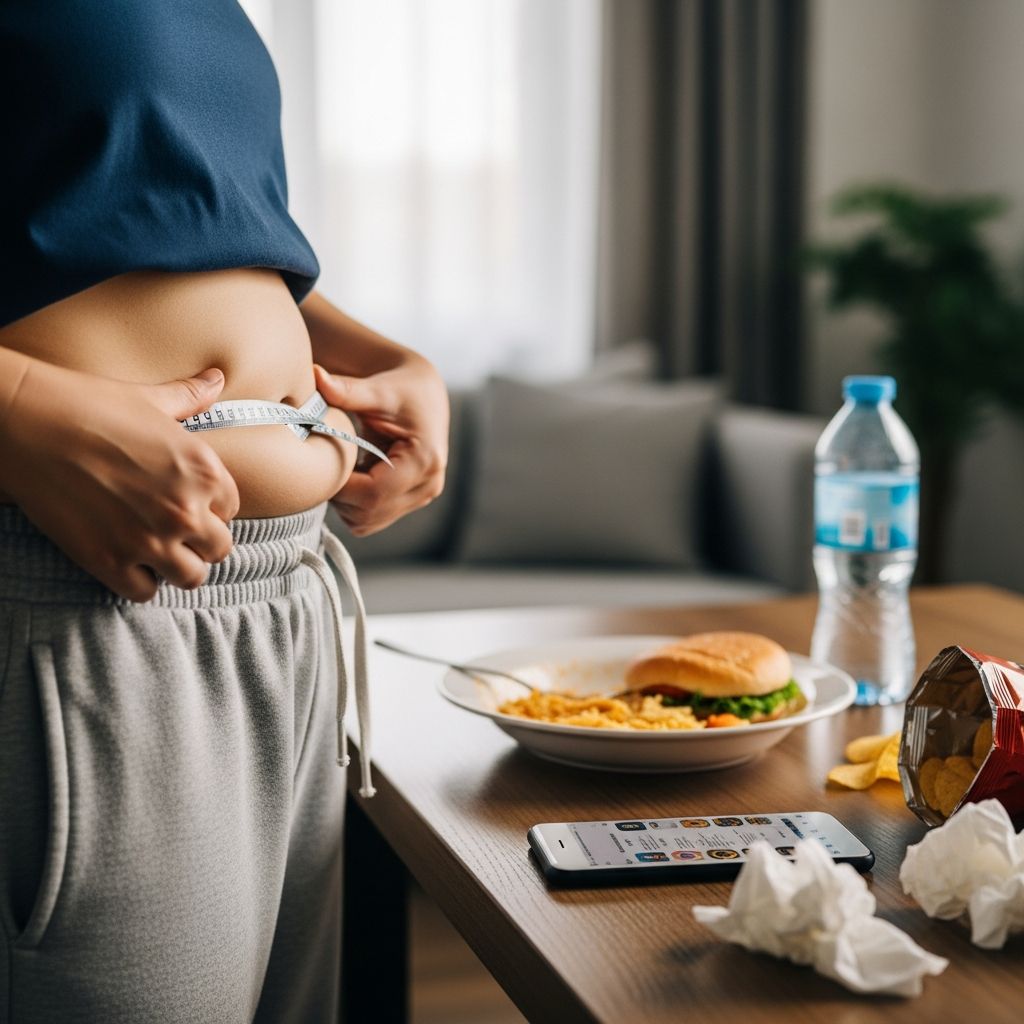
Sudden weight gain can feel alarming and frustrating, especially when diet and exercise habits haven’t changed. While gradual weight fluctuations are normal,
rapid or unexplained weight gain
often 2 to 5 pounds in a week or moremay signal underlying health issues, hormonal imbalances, medications, or lifestyle factors. According to experts, common culprits include thyroid disorders, polycystic ovary syndrome (PCOS), and chronic stress, which elevate cortisol levels and promote fat storage.This comprehensive guide covers the
12 most common causes of sudden weight gain
, drawing from medical insights. Understanding these can help you identify when to consult a doctor. Always track symptoms like fatigue, bloating, or mood changes alongside weight shifts for accurate diagnosis.What Counts as Sudden Weight Gain?
**Sudden weight gain** typically means gaining more than 2-5 pounds in a single week without clear explanation, such as overeating or reduced activity. It differs from gradual gain tied to lifestyle. Rapid changes often stem from fluid retention, hormonal shifts, or metabolic disruptions rather than pure fat accumulation.
- Water weight vs. fat: Fluid retention from medications or hormones causes quick, reversible gains; fat gain builds slower.
- Red flags: Accompanied by swelling, shortness of breath, or extreme fatigue warrants immediate medical attention.
- Normal fluctuations: Menstrual cycles or high-sodium meals can cause 1-3 pounds temporarily.
Experts recommend weighing yourself weekly under consistent conditions (e.g., morning, fasted) to monitor trends accurately.
1. Hypothyroidism (Underactive Thyroid)
The thyroid gland regulates metabolism via hormones like thyroxine (T4) and triiodothyronine (T3). In
hypothyroidism
, production slows, dropping metabolic rate by up to 40%, leading to 5-10 pounds of gain from fat, fluid, and slowed calorie burn.Symptoms: Fatigue, cold intolerance, dry skin, hair loss, constipation, depression.
Whos at risk? Women over 60, family history, autoimmune conditions like Hashimotos thyroiditis (affects 1 in 8 women).
Diagnosis & treatment: Blood tests for TSH, T4. Levothyroxine replaces missing hormones, often reversing gain within months.
2. Polycystic Ovary Syndrome (PCOS)
**PCOS** affects 1 in 10 women of reproductive age, causing insulin resistance, high androgens, and ovarian cysts. This promotes abdominal fat storage, with 40-80% of patients experiencing weight gain.
Symptoms: Irregular periods, acne, excess hair growth, infertility, waistline fat.
Treatment: Lifestyle changes (low-glycemic diet, exercise), metformin for insulin sensitivity, birth control for hormones. Weight loss of 5-10% improves symptoms dramatically.
3. Insulin Resistance or Type 2 Diabetes
Insulin helps cells absorb glucose for energy. In resistance, cells ignore insulin, spiking blood sugar and insulin levels, which signals fat storageespecially visceral fat around the waist.
Symptoms: Increased hunger, fatigue, frequent urination, darkened skin patches (acanthosis nigricans).
Risk factors: Sedentary lifestyle, poor diet, obesity. Managed with diet, exercise, medications like GLP-1 agonists.
4. Cushings Syndrome or High Cortisol
Excess cortisol from adrenal tumors or long-term steroid use causes fat redistribution to the face, upper back, and abdomen (“buffalo hump”). Weight gain averages 20-50 pounds.
Symptoms: Moon face, stretch marks, high blood pressure, muscle weakness.
Treatment: Tumor removal, cortisol-lowering drugs, tapering steroids.
Related Stories



5. Medications
Many drugs cause gain via appetite increase, fluid retention, or metabolism slowdown. Common offenders:
| Medication Type | Examples | How It Causes Gain |
|---|---|---|
| Antidepressants | SSRIs (e.g., Paxil) | Increase appetite, carb cravings |
| Steroids | Prednisone | Water retention, hunger |
| Antipsychotics/Beta Blockers | Risperdal, Metoprolol | Slow metabolism |
| Antihistamines | Benadryl | Disrupt hunger regulation |
Consult your doctor before changes; alternatives exist.
6. Chronic Stress and High Cortisol
Prolonged stress elevates cortisol, promoting abdominal fat storage and emotional eating. Chronic elevation disrupts sleep and metabolism.
Management: Mindfulness, exercise, 7-9 hours sleep. Cortisol tests if severe.
7. Poor Sleep or Sleep Apnea
Lack of sleep alters ghrelin (hunger hormone) and leptin (fullness), increasing cravings by 24%. Sleep apnea fragments rest, adding 10+ pounds via hypoxia and fatigue.
- Aim for consistent 7-9 hours.
- Screen for apnea if snoring, daytime sleepiness.
8. Small Intestinal Bacterial Overgrowth (SIBO)
**SIBO** overgrows bad gut bacteria, causing bloating, gas, and malabsorption that mimics weight gain (often fluid/bloat). Affects 15-30% with IBS.
Treatment: Antibiotics, low-FODMAP diet, probiotics.
9. Fluid Retention (Edema)
Sudden gain from heart/kidney/liver issues, high salt, or hormones causes swelling in legs/ankles. Pre-eclampsia in pregnancy is serious.
Reduce salt, elevate legs; see doctor for diuretics if needed.
10. Hormonal Changes (Menopause/Perimenopause)
Estrogen drop slows metabolism by 5-10%, reduces muscle mass. Average gain: 1-2 pounds/year.
Tips: Strength training 2-3x/week, high-protein diet.
11. Depression or Anxiety
Mood disorders trigger cortisol surges and comfort eating. Antidepressants compound this.
Therapy, exercise, balanced meals help break the cycle.
12. Lifestyle Factors: Diet and Hidden Calories
Liquid calories (soda, alcohol), large portions, eating too fast contribute unnoticed. Sugary drinks alone add 150+ calories/day.
- Track intake fully.
- Mindful eating: Chew slowly, use smaller plates.
When to See a Doctor for Sudden Weight Gain
Seek care if gain exceeds 5 pounds/week, with symptoms like swelling, pain, irregular heartbeat, or persistent fatigue. Blood tests rule out thyroid/PCOS; imaging for tumors.
Tips to Manage and Prevent Sudden Weight Gain
- Diet: Focus on whole foods, protein, fiber; limit processed sugars.
- Exercise: 150 min/week moderate + strength training.
- Sleep & stress: Prioritize routines.
- Track: Weigh weekly, log food/symptoms.
Frequently Asked Questions (FAQs)
Why am I gaining weight even if I barely eat?
Often due to hormones (e.g., cortisol, insulin), poor sleep, or medicationsnot low calories. Focus on nutrient quality, not quantity.
Can stress alone cause sudden weight gain?
Yes, via elevated cortisol promoting fat storage and cravings.
Does inflammation cause weight gain?
Yes, it creates a cycle: fat cells release inflammatory signals, worsening insulin resistance.
How much weight gain is normal?
1-2 pounds/month from lifestyle; sudden 5+ pounds signals issues.
Can gut health affect weight?
AbsolutelySIBO or dysbiosis leads to bloating and inefficient calorie use.
References
- Rapid Weight Gain: 13 Common Causes Of Unexplained Weight Gain Women’s Health Mag. 2024-10-01. https://www.womenshealthmag.com/health/a65614153/unexplained-weight-gain-causes/
- Surprising Causes of Weight Gain and When to Worry UnityPoint Health. 2023-05-15. https://www.unitypoint.org/news-and-articles/surprising-causes-of-weight-gain-and-when-to-worry
- Obesity – Symptoms and causes Mayo Clinic. 2025-01-10. https://www.mayoclinic.org/diseases-conditions/obesity/symptoms-causes/syc-20375742
- Unexplained Weight Gain: Care Instructions Kaiser Permanente. 2024-08-20. https://healthy.kaiserpermanente.org/health-wellness/health-encyclopedia/he.unexplained-weight-gain-care-instructions.ut2712
- 10 Surprising Eating Habits That Are Making You Gain Weight Orlando Health. 2023-11-05. https://www.orlandohealth.com/content-hub/10-surprising-eating-habits-that-are-making-you-gain-weight/
- A comprehensive diagnostic approach to detect underlying causes PMC (NCBI). 2019-11-14. https://pmc.ncbi.nlm.nih.gov/articles/PMC6850662/
Similar Articles








Read full bio of Sneha Tete