How Healthy Is Sugar Alcohol? Health Benefits & Risks
Discover the truth about sugar alcohols: benefits, drawbacks, and whether they're a healthy sweetener alternative.
How Healthy Is Sugar Alcohol?
Sugar alcohols have become increasingly popular as consumers seek alternatives to regular sugar and artificial sweeteners. Found in many sugar-free and reduced-calorie products, sugar alcohols promise a way to enjoy sweetness without the negative health effects associated with excess sugar consumption. However, like many food ingredients, the reality is more nuanced than marketing claims suggest. Understanding what sugar alcohols are, how they affect your body, and whether they’re truly a healthier option requires examining the scientific evidence.
What Are Sugar Alcohols?
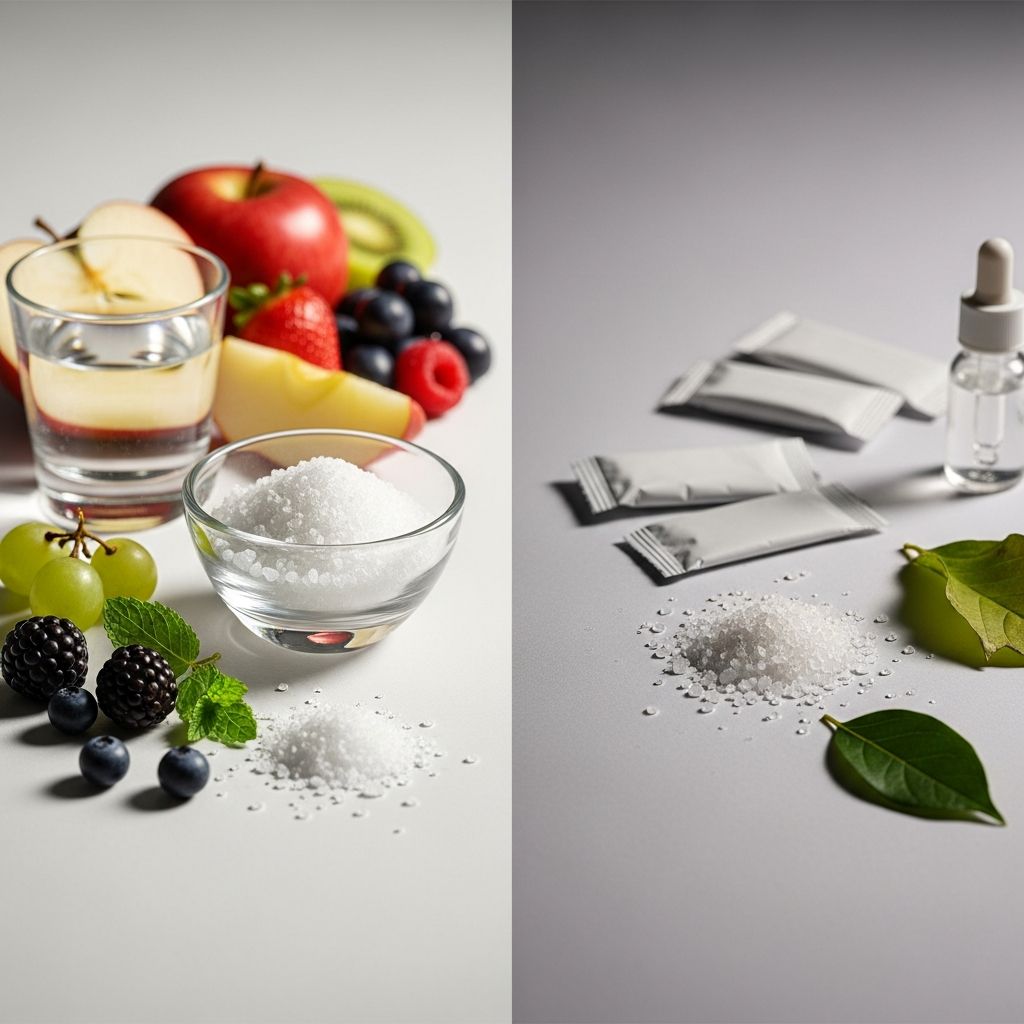
Sugar alcohols, also known as polyols, are a type of carbohydrate that tastes sweet but contains fewer calories than regular sugar. Common types include sorbitol, xylitol, maltitol, and erythritol. These compounds are naturally present in some fruits and vegetables but are typically manufactured for use in commercial food products. They’ve become a staple ingredient in many low-calorie and sugar-free foods, beverages, and confections marketed to health-conscious consumers and people managing diabetes or weight.
Unlike artificial sweeteners such as aspartame or sucralose, which are synthetic chemicals, sugar alcohols are derived from carbohydrates and have a chemical structure that falls somewhere between sugar and sugar substitutes. This unique position in the sweetener landscape makes them an interesting option to evaluate for health benefits and potential risks.
Key Nutritional Advantages of Sugar Alcohols
Lower Calorie Content
One of the primary advantages of sugar alcohols is their significantly reduced caloric content compared to regular sugar. While sugar provides approximately four calories per gram, most sugar alcohols contain between 1.5 to 3 calories per gram, depending on the specific type. This caloric reduction can be beneficial for individuals trying to manage their weight or reduce overall energy intake without completely eliminating sweet-tasting foods from their diet.
Minimal Impact on Blood Sugar and Insulin
Sugar alcohols break down slowly in the digestive system, which means they produce a minimal rise in blood glucose and insulin levels compared to regular sugar. This characteristic makes them particularly attractive for people with type 2 diabetes or those at risk of developing the condition. The low glycemic response is a significant distinction from regular sugar, which causes rapid blood sugar spikes that can be problematic for metabolic health.
This slow digestion process is one reason why sugar alcohols have gained traction in products designed for diabetes management and low-carbohydrate diets. By providing sweetness without triggering major blood sugar fluctuations, they offer an alternative that doesn’t require the same dietary restrictions as traditional sweets.
Dental Health Benefits
Unlike regular sugar, which feeds bacteria in the mouth and contributes to tooth decay, sugar alcohols do not promote dental caries. This advantage has led to their incorporation into sugar-free gum, mints, and other oral care products. For individuals concerned about dental health, this represents a meaningful benefit of choosing products sweetened with sugar alcohols over those containing regular sugar.
Potential Drawbacks and Side Effects
Gastrointestinal Issues
The same characteristic that makes sugar alcohols beneficial for blood sugar control—their slow digestion—can also cause problems for some people. When sugar alcohols reach the large intestine largely undigested, they can be fermented by bacteria, leading to gas, bloating, cramping, and diarrhea. The severity of these gastrointestinal effects varies significantly among individuals based on their digestive sensitivity and the amount consumed.
Related Stories



People with irritable bowel syndrome (IBS) or other sensitive digestive systems may be particularly susceptible to these side effects. Some sugar alcohols, such as sorbitol, are known to be more likely to cause digestive upset than others, like erythritol, which is absorbed higher in the digestive tract before reaching the colon.
Individual Sensitivity Variation
Not everyone experiences the same level of gastrointestinal distress from sugar alcohols. Some individuals can consume moderate amounts without any adverse effects, while others experience significant discomfort even at lower doses. This variation underscores the importance of personal experimentation and gradual introduction into one’s diet.
Long-Term Health Effects Under Study
While sugar alcohols have been approved as food additives in many countries and appear safe in short-term studies, the long-term health implications are still being investigated. The research landscape continues to evolve as scientists examine potential effects on metabolic health, weight management, and other health outcomes. Until more comprehensive long-term data becomes available, it’s reasonable to approach sugar alcohols as one option among many, rather than as a definitive solution to sweetening concerns.
Comparing Sugar Alcohols to Other Sweetening Options
| Sweetener Type | Calories per Gram | Sweetness Relative to Sugar | Glycemic Impact | Common Side Effects |
|---|---|---|---|---|
| Regular Sugar | 4 | 1.0 (reference) | High | Blood sugar spikes, weight gain |
| Sugar Alcohols | 1.5-3 | 0.5-1.0 | Very Low | Digestive upset in sensitive individuals |
| Aspartame | 4 (minimal usage) | 180-200 | Negligible | Rare; headaches in sensitive individuals |
| Sucralose | 0 | 600 | Negligible | Generally well-tolerated |
| Stevia | 0 | 250-300 | Negligible | Bitter aftertaste for some people |
Sugar alcohols occupy a middle ground in the sweetener spectrum. They don’t provide the zero-calorie advantage of artificial sweeteners like aspartame or sucralose, but they do offer a taste and texture closer to regular sugar. They have less impact on blood sugar than regular sugar but may cause digestive issues where most artificial sweeteners do not. The choice among these options depends on individual priorities, health conditions, and tolerance levels.
Expert Recommendations for Using Sugar Alcohols
Gradual Introduction
Rather than immediately consuming large quantities of products containing sugar alcohols, experts recommend gradually introducing them into your diet. This approach allows your digestive system to adapt and helps you determine your personal tolerance level before experiencing uncomfortable side effects. Starting with small portions and monitoring your body’s response is a practical strategy.
Moderation Is Key
Sugar alcohols should be consumed in moderation as part of an overall healthy eating pattern. While they are generally recognized as safe by regulatory agencies, they are not a free pass to unlimited consumption of sweet foods. The goal should be to reduce overall sugar intake and sweet food consumption, not simply to replace one form of sweetener with another in equal quantities.
Individual Assessment
People with sensitive digestive systems should pay special attention to how their bodies respond to sugar alcohols. Those with IBS, FODMAP sensitivities, or other digestive conditions may need to limit or avoid sugar alcohols entirely. Conversely, people without such sensitivities may find them a valuable tool for managing weight and blood sugar levels without sacrificing the enjoyment of sweet-tasting foods.
Sugar Alcohols and Specific Health Conditions
Type 2 Diabetes
For people with type 2 diabetes, sugar alcohols present several advantages over regular sugar due to their minimal glycemic impact. The slow digestion and resulting low blood sugar response make them a viable option for individuals who need to carefully manage their carbohydrate intake and prevent blood sugar fluctuations. However, they should still be used in moderation as part of a comprehensive diabetes management plan that includes balanced nutrition and physical activity.
Weight Management
The lower caloric content of sugar alcohols compared to regular sugar can support weight management efforts. However, it’s important to recognize that consuming sugar alcohol-sweetened products doesn’t automatically lead to weight loss. These foods may be lower in calories per serving than their sugar-sweetened counterparts, but they still contain calories and should be accounted for in overall energy balance calculations.
Dental Health
For individuals prioritizing dental health, products sweetened with sugar alcohols rather than regular sugar represent a clear advantage. The non-cariogenic nature of sugar alcohols makes them an ideal sweetening option for products that remain in the mouth for extended periods, such as gum or mints.
The Bottom Line: Are Sugar Alcohols Healthy?
Sugar alcohols represent a middle-ground option in the spectrum of sweetening choices. They offer genuine advantages over regular sugar, particularly regarding blood sugar control, caloric content, and dental health benefits. However, they are not a perfect solution and come with potential drawbacks, most notably gastrointestinal issues for some consumers and ongoing questions about long-term health effects.
The healthiest approach is to consume sugar alcohols in moderation as part of an overall healthy eating pattern that emphasizes whole foods and minimizes processed products. They can be a useful tool for those with specific health concerns like type 2 diabetes or weight management goals, particularly when introduced gradually and used thoughtfully based on individual tolerance.
Rather than viewing any single sweetener as a complete solution, it’s more practical to consider the total context of one’s diet and health status. For some people, occasional use of sugar alcohol-sweetened products may fit well into their dietary approach. For others with digestive sensitivities, avoiding them may be the better choice. The key is making informed decisions based on scientific evidence and individual circumstances.
Frequently Asked Questions
Q: Are sugar alcohols safe for children?
A: Sugar alcohols are generally considered safe for children, though moderation is important. Some sugar alcohols like sorbitol can cause digestive upset in children more readily than in adults. It’s best to limit children’s consumption and monitor for any adverse effects. Teaching children to enjoy naturally sweet foods like fruits remains the primary dietary strategy.
Q: Can I use unlimited amounts of sugar alcohols since they’re low in calories?
A: No. While sugar alcohols are lower in calories than regular sugar, they still contain calories and should be used in moderation. Additionally, consuming large amounts can trigger digestive issues. Moderation is important both for caloric intake and to minimize potential gastrointestinal side effects.
Q: Are sugar alcohols a good choice for ketogenic diets?
A: Sugar alcohols can be used on ketogenic diets since they have minimal impact on blood sugar and contain relatively few net carbohydrates. However, some sugar alcohols contain more digestible carbohydrates than others, so it’s important to check product labels and track total carbohydrate intake accurately.
Q: Do sugar alcohols affect the gut microbiome?
A: The long-term effects of sugar alcohols on the gut microbiome are still being researched. Because they reach the large intestine largely undigested and are fermented by bacteria, they may have effects on microbial composition and function. More research is needed to fully understand these long-term implications.
Q: Which sugar alcohol causes the least digestive upset?
A: Erythritol is generally considered the sugar alcohol most likely to cause digestive issues in smaller amounts, as it’s absorbed higher in the digestive tract. However, individual responses vary significantly, and what works well for one person may cause problems for another. Personal experimentation is the best way to determine individual tolerance.
Q: Should I completely avoid sugar alcohols if I have IBS?
A: People with IBS may be more sensitive to sugar alcohols, but individual responses vary considerably. Some people with IBS tolerate them well, while others experience significant problems. If you have IBS, it’s advisable to introduce sugar alcohols very gradually in small amounts and monitor your symptoms carefully. Consulting with a healthcare provider or registered dietitian who understands your specific condition can provide personalized guidance.
References
- Sugar-Sweetened Drinks Tied to Higher Risk of Premature Death for People With Type 2 Diabetes — Harvard T.H. Chan School of Public Health. 2023-04-19. https://harvardstreet.org/sugar-sweetened-drinks-tied-to-a-higher-risk-of-premature-death-for-people-with-type-2-diabetes-harvard-researchers/
- Are Sugar Alcohols Healthier Alternative Sweeteners? — Harvard T.H. Chan School of Public Health. https://hsph.harvard.edu/news/sugar-alcohol-health-sweetener/
- Sugary Drinks — The Nutrition Source, Harvard T.H. Chan School of Public Health. https://nutritionsource.hsph.harvard.edu/healthy-drinks/sugary-drinks/
- Sugar-Sweetened and Artificially Sweetened Beverages and Risk of Liver Cancer and Chronic Liver Disease Mortality — PubMed Central, National Institutes of Health. 2023. https://pubmed.ncbi.nlm.nih.gov/37552302/
- Unpacking WHO Guidelines on Non-Sugar Sweeteners — The Nutrition Source, Harvard T.H. Chan School of Public Health. 2023-06-06. https://nutritionsource.hsph.harvard.edu/2023/06/06/who-guidelines-non-sugar-sweeteners/
- Low-Calorie Sweeteners — The Nutrition Source, Harvard T.H. Chan School of Public Health. https://nutritionsource.hsph.harvard.edu/healthy-drinks/artificial-sweeteners/
Similar Articles








Read full bio of Sneha Tete