Sugar Alcohols Side Effects: Safe 10-15g Daily Limit
Uncover the hidden side effects of sugar alcohols, from digestive woes to heart risks, and learn safer ways to sweeten your diet.
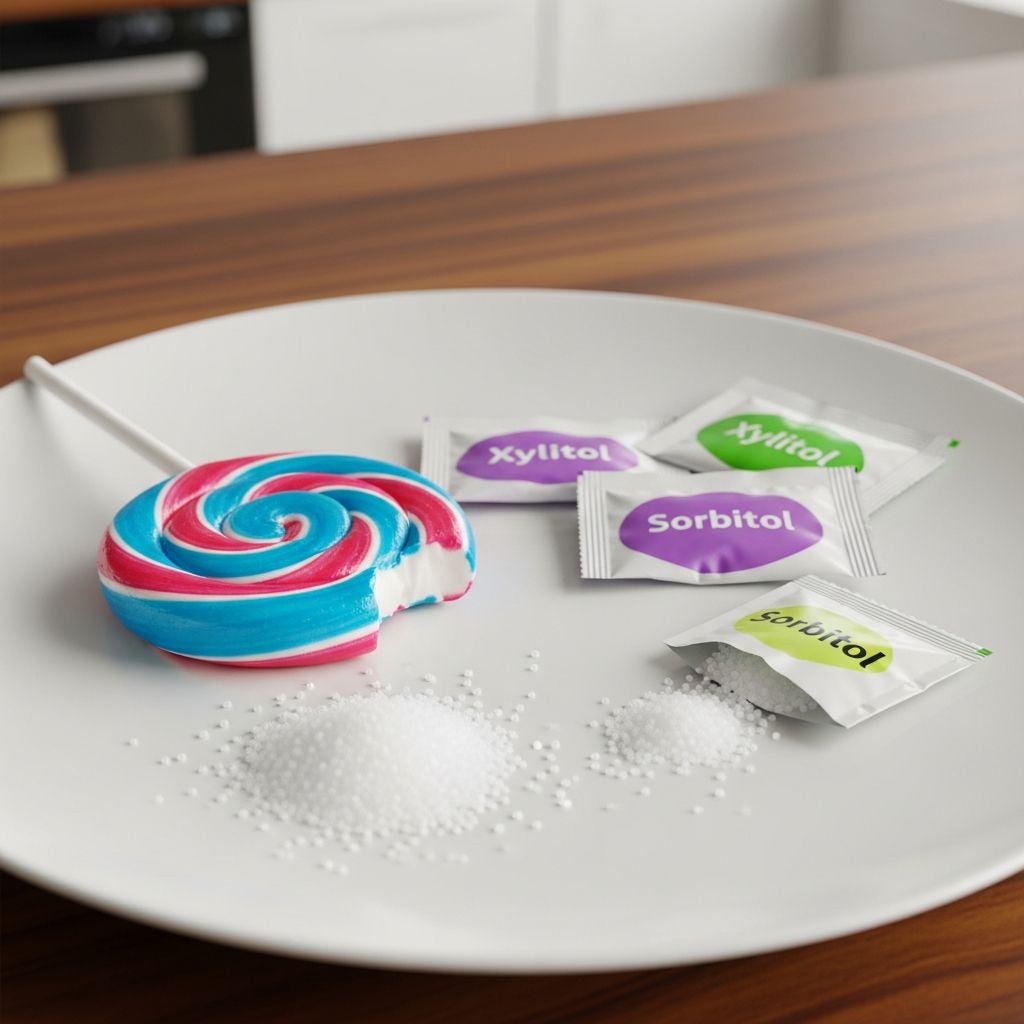
Sugar alcohols are popular low-calorie sweeteners found in sugar-free gums, candies, and baked goods, offering sweetness without the full calorie punch of sugar. However, they aren’t without risks. While they provide benefits like reduced tooth decay and milder blood sugar effects, excessive intake can trigger digestive upset, laxative effects, potential cardiovascular concerns, and even weight gain in some cases.
These polyols, such as erythritol, xylitol, sorbitol, and mannitol, are not fully digested, leading to fermentation in the gut that causes common side effects like bloating and gas. Recent studies link higher blood levels of certain sugar alcohols to increased risks of heart attack and stroke, particularly concerning for those with diabetes or heart disease. Moderation is key—experts recommend sticking to 10-15 grams daily to minimize issues.
What Are Sugar Alcohols?
Sugar alcohols, also called polyols, are carbohydrates that mimic sugar’s taste and texture but contain fewer calories, typically about 2.6 calories per gram compared to sugar’s 4. They occur naturally in fruits and vegetables but are commercially produced for use in low-sugar products.
Unlike artificial sweeteners like aspartame or saccharin, which have zero calories and no carbs, sugar alcohols provide some carbohydrates and can slightly raise blood sugar. Common types include:
- Erythritol: Well-absorbed, mild GI effects, but linked to heart risks.
- Xylitol: Popular in gum, strong laxative potential, toxic to pets.
- Sorbitol: Common in candies, known for bloating and diarrhea.
- Mannitol: Used in low-sugar foods, requires warning labels for laxative effects.
- Maltitol and Isomalt: Often in chocolates, can cause osmotic diarrhea in excess.
The FDA mandates warning labels on products with high sorbitol (50g/day) or mannitol (20g/day), stating ‘Excess consumption may have a laxative effect’. Sugar alcohols don’t promote cavities and aid weight control when used properly, but their incomplete absorption leads to side effects.
Sugar Alcohol Side Effects
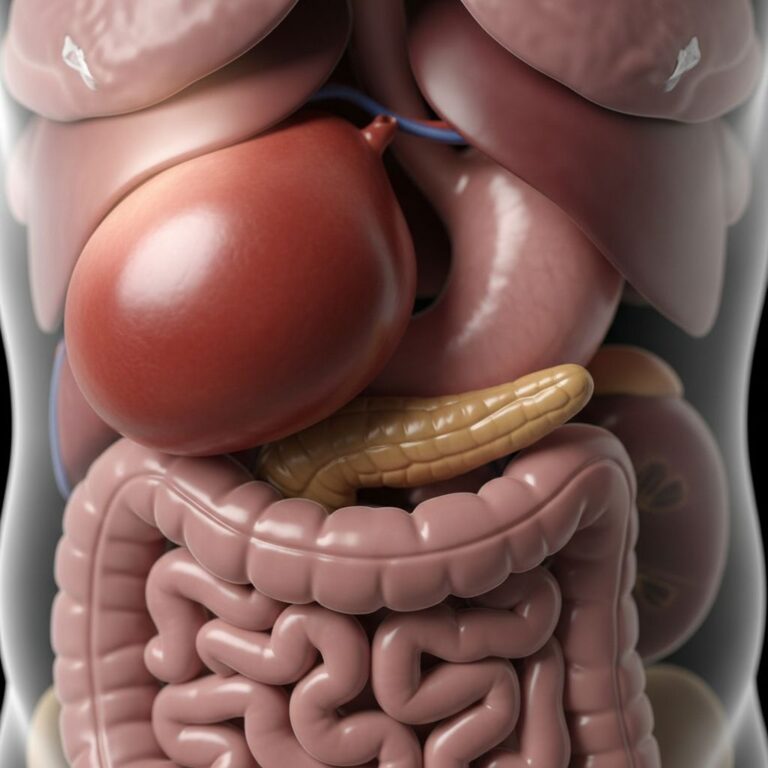
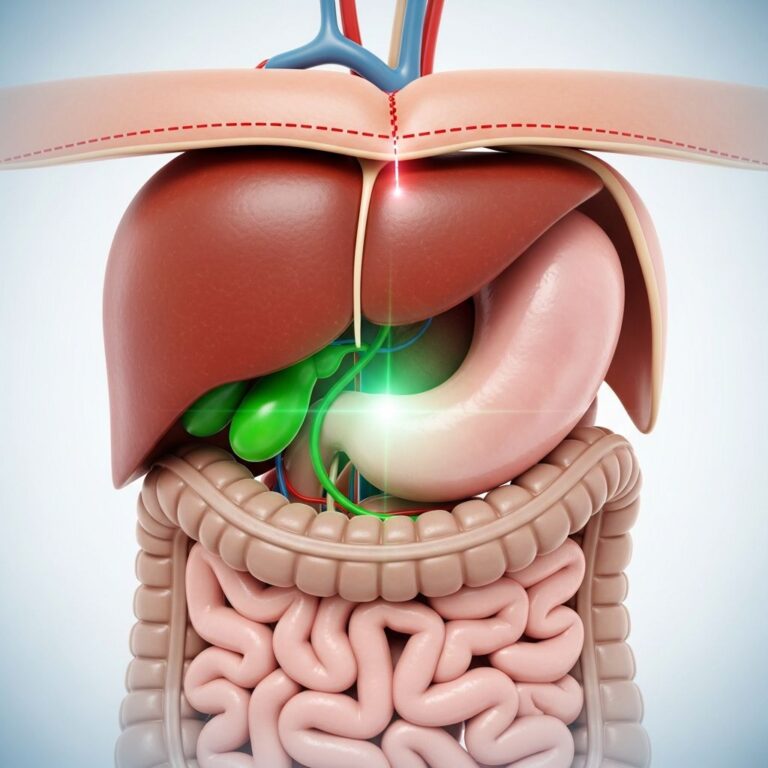
The primary side effects stem from poor digestion. Sugar alcohols pass through the small intestine partially undigested, where gut bacteria ferment them, producing gas and drawing water into the bowels.
1. Bloating, Gas, and Abdominal Discomfort
Consuming sugar alcohols often leads to bloating and flatulence, especially in those unaccustomed to them. A 2006 British study found participants taking xylitol reported bloating, gas, upset stomach, and diarrhea, while erythritol caused milder nausea and gas at high doses. Symptoms appear quickly after intake, worsening with repeated consumption throughout the day.
Irritable bowel syndrome (IBS) sufferers may experience exacerbated symptoms, including abnormal flatulence, negatively impacting quality of life. Factors influencing severity include body weight, concurrent diet, fasting state, and whether consumed in liquid or solid form.
2. Laxative Effect and Diarrhea
Sorbitol and mannitol are notorious for laxative properties. Excessive intake causes osmotic diarrhea by pulling water into the intestines. Yale New Haven Hospital notes bloating and diarrhea as common when overeaten, akin to fructose’s effects. The FDA requires warnings for products exceeding safe thresholds.
Children and sensitive adults are most prone. Disaccharide polyols like maltitol and isomalt trigger significant osmotic diarrhea and flatulence in high amounts, though chewing gum levels are typically safe.
Related Stories



3. Cardiovascular Risks: Heart Attack and Stroke
Emerging research raises alarms about heart health. Cleveland Clinic studies by Dr. Stanley Hazen link elevated blood levels of xylitol and erythritol to major adverse cardiovascular events (MACE), including heart attack, stroke, and death. Erythritol levels can persist for days after consumption, heightening risks.
UCLA Health highlights studies showing sugar alcohols may promote blood clots, particularly risky for those with obesity, diabetes, or hypertension—precisely the groups targeted by ‘sugar-free’ marketing. While more research is needed, caution is advised for at-risk individuals.
4. Weight Gain
Despite low calories, overconsumption can lead to weight gain. A study of college students associated high erythritol intake with increased belly fat during freshman year. Products may encourage excess eating due to their ‘diet’ label, offsetting calorie savings.
5. Blood Sugar Fluctuations
Sugar alcohols impact blood glucose less than sugar but aren’t carb-free. Type 1 diabetics may see rises with uncontrolled intake. The American Diabetes Association endorses moderate use but warns against excess.
Who Should Avoid Sugar Alcohols?
- People with IBS or sensitive guts: Prone to severe bloating and diarrhea.
- Diabetes patients: Monitor blood sugar; count carbs from sugar alcohols.
- Heart disease risk groups: Avoid high-erythritol/xylitol due to clot and MACE links.
- Pet owners: Xylitol is toxic to dogs, causing hypoglycemia and liver failure.
- Children: Higher laxative sensitivity.
Are Sugar Alcohols Safe for People Who Have Diabetes?
Sugar alcohols are generally safe in moderation for diabetes management, with a recommended 10-15g daily intake. They cause smaller blood sugar spikes than sucrose, helping maintain steady levels. However, track carbs and monitor glucose response, as effects vary. University of Maryland Medical System advises caution to avoid GI issues and unexpected spikes.
How Much Sugar Alcohol Is Too Much?
Safe limits vary by type:
| Sugar Alcohol | Daily Limit (g) | Common Effects Over Limit |
|---|---|---|
| Sorbitol | 50 | Laxative, diarrhea |
| Mannitol | 20 | Laxative warning required |
| Erythritol/Xylitol | 10-15 general | GI upset, heart risk |
| Maltitol/Isomalt | Varies | Osmostic diarrhea |
Start low if new to them. Total daily polyol intake should stay under 10-15g to prevent issues. Check labels—’sugar-free’ doesn’t mean side-effect-free.
What Foods Have Sugar Alcohols?
- Sugar-free chewing gum and mints (xylitol, sorbitol)
- Low-carb chocolates and candies (maltitol, erythritol)
- Baked goods, protein bars, and ice creams
- Cough drops, mouthwash, and pharmaceuticals
- Some fruits (naturally occurring: apples, pears)
Healthier Alternatives to Sugar Alcohols
- Stevia or Monk Fruit: Zero-calorie, plant-based, minimal GI impact.
- Allulose: Rare sugar, low blood sugar effect, good gut tolerance.
- Whole Fruits: Natural sweetness with fiber to blunt sugar spikes.
- Artificial Sweeteners: Aspartame, sucralose—in zero carbs, but use sparingly.
Prioritize whole foods over processed ‘diet’ products for sustainable health.
Frequently Asked Questions (FAQs)
Are sugar alcohols bad for you?
In moderation, no—but excess causes GI distress, laxative effects, and potential heart risks, especially erythritol and xylitol.
Do sugar alcohols raise blood sugar?
Less than sugar, but they contain carbs and can affect levels, particularly in Type 1 diabetes. Monitor closely.
Is erythritol safe?
Recent studies link high levels to cardiovascular events; use cautiously if at heart risk.
Can sugar alcohols cause weight gain?
Yes, overeating them can, as shown in studies with erythritol and belly fat accumulation.
Are sugar alcohols keto-friendly?
Many are low net carb, but GI side effects and incomplete absorption make them tricky for some.
References
- Eat Any Sugar Alcohol Lately? — Yale New Haven Hospital. 2023. https://www.ynhh.org/services/nutrition/sugar-alcohol
- Top Reasons Sugar Alcohols May Not Be a Good Sugar Substitute — University of Maryland Medical System. 2022-02-24. https://health.umms.org/2022/02/24/sugar-alcohols/
- The Sweet Truth About Sugar Substitutes — Orlando Health. 2023. https://www.orlandohealth.com/content-hub/the-sweet-truth-about-sugar-substitutes
- What to Know About Sugar Alcohols — Cleveland Clinic. 2023. https://health.clevelandclinic.org/what-to-know-about-sugar-alcohols
- How Safe Are Sugar Alcohols? — UCLA Health. 2023. https://www.uclahealth.org/news/article/how-safe-are-sugar-alcohols
- Gastrointestinal Disturbances Associated with the Consumption of Sugar Alcohols — National Center for Biotechnology Information (PMC). 2016-09-27. https://pmc.ncbi.nlm.nih.gov/articles/PMC5093271/
Similar Articles








Read full bio of Sneha Tete