Sugar-Free Diet: A Complete Guide To Cutting Added Sugars
Discover how a sugar-free diet can transform your health, reduce chronic disease risk, and improve overall well-being with practical tips and science-backed insights.
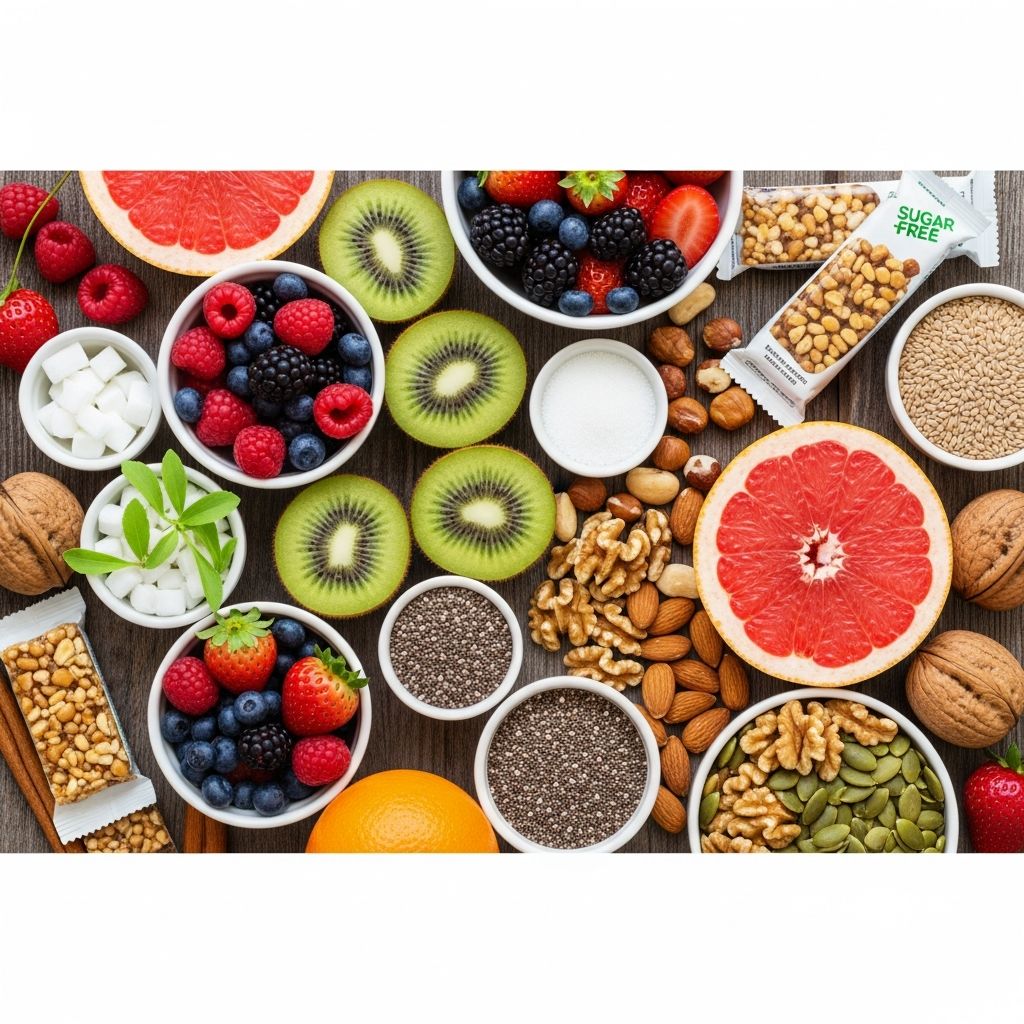
A sugar-free diet eliminates added and free sugars to improve health, reduce obesity risk, and enhance metabolic function. This approach focuses on whole foods while limiting processed items high in sugars like sugary beverages (SSBs).
What Is a Sugar-Free Diet?
A sugar-free diet restricts free sugars, which include added sugars (e.g., table sugar, high-fructose corn syrup) and sugars in honey, syrups, and fruit juices. It does not ban naturally occurring sugars in whole fruits, vegetables, or dairy. Free sugars should comprise less than 5-10% of daily calories, ideally under 30g per day per health guidelines.
Unlike low-carb diets, a sugar-free plan emphasizes quality carbohydrates from high-fiber, low-glycemic-index (GI) sources like whole grains, which promote better insulin sensitivity and reduce postprandial glucose spikes compared to high-GI foods like white bread or SSBs.
- Key rule: Read labels for hidden sugars (e.g., dextrose, maltose).
- Allowed: Whole fruits, unsweetened dairy, stevia.
- Avoid: Sodas, candies, baked goods with added sugars.
Health Benefits of Cutting Out Sugar
Reducing free sugars yields significant health gains. Trends from NHANES (2001-2018) show U.S. added sugar intake dropped from 96.6g to 72.3g daily in adults 19-50, with SSBs falling from 49.7% to 37.7% of sugar sources, correlating with stabilized obesity in younger groups.
Weight Management: High sugar intake, especially from SSBs, promotes insulin resistance and lipogenesis, leading to weight gain. Low-GI carbs reduce adiposity and cholesterol. Studies show isocaloric low-carb vs. low-fat diets yield similar weight loss, but low-carb improves HDL lipids.
Diabetes Prevention: SSB consumption impairs insulin signaling, raising T2DM risk in dose-dependent ways. Meta-analyses link high sugar to T2DM incidence, with stronger effects in long-term studies (>10 years). Fructose from SSBs increases risk, unlike fruit fructose.
Heart Health: High sugar associates with dyslipidaemia, CHD risk, and inflammation. Refined carbs and added sugars over 24 years raise CHD; whole grains and PUFAs lower it.
Other Benefits: Better cognition, reduced fatty liver, improved dental health.
| Health Area | Impact of High Sugar | Benefit of Sugar-Free |
|---|---|---|
| Obesity | Increased lipogenesis, insulin resistance | Weight stabilization, better fat oxidation |
| T2DM | Dose-dependent risk from SSBs | Improved insulin sensitivity |
| CVD | Dyslipidaemia, CHD | Lower LDL, higher HDL |
How to Start a Sugar-Free Diet
Transition gradually: Week 1, cut SSBs; Week 2, eliminate desserts. Track intake via apps. Stock kitchen with whole foods.
- Audit habits: Identify sugar sources (e.g., 37.7% from SSBs post-2018).
- Shop smart: Choose low-sugar labels (<5g/100g).
- Meal prep: Focus on proteins, fibers, healthy fats.
What Foods to Avoid on a Sugar-Free Diet
- Sugary drinks (sodas, juices: major free sugar source).
- Processed snacks (cereals, bars with >10g sugar/serving).
- Baked goods, candies, ice cream.
- Sweetened yogurts, sauces (ketchup, BBQ).
- Alcohol (many mixers sugary).
Avoid high-GI carbs like potatoes, white rice that mimic sugar effects.
Sugar-Free Food Swaps
Replace without sacrificing taste:
Related Stories



| Avoid | Swap With | Benefit |
|---|---|---|
| Soda | Sparkling water + lemon | Zero calories, hydration |
| Candy | Fresh berries | Fiber slows sugar absorption |
| Sweetened cereal | Oatmeal + nuts | Low-GI, sustained energy |
| Pastry | Yogurt parfait (unsweetened) | Protein stabilizes blood sugar |
| Juice | Whole fruit smoothie | Retains fiber |
Sugar-Free Meal Plan
7-day plan for ~2000 calories, <25g free sugar/day.
Day 1
- Breakfast: Greek yogurt, berries, chia seeds.
- Lunch: Grilled chicken salad, olive oil dressing.
- Dinner: Baked salmon, quinoa, broccoli.
- Snack: Apple slices, almond butter.
Day 2
- Breakfast: Veggie omelet.
- Lunch: Turkey wrap (lettuce leaf), avocado.
- Dinner: Stir-fried tofu, brown rice, greens.
- Snack: Carrot sticks, hummus.
(Continue similarly for Days 3-7 with variations: eggs, fish, lentils, nuts. Emphasize variety for nutrients.)
Sample Sugar-Free Recipes
Chocolate Avocado Mousse
Ingredients: 2 avocados, 1/4 cup cocoa, stevia, almond milk. Blend; chill. (Serves 2, 5min prep.) Creamy, <2g sugar.
Berry Chia Pudding
Chia seeds, unsweetened almond milk, berries. Mix overnight. Fiber-rich breakfast.
Grilled Veggies with Herbs
Zucchini, peppers, olive oil, garlic. Zero added sugar side.
Tips for Sticking With It
- Manage cravings: Eat balanced meals; high-fiber foods blunt spikes.
- Hydrate: Water curbs false hunger.
- Mindful eating: Savor whole foods.
- Sweeteners: Use stevia sparingly; market grew 5.1%/year as sugar alternative.
- Track progress: Weigh weekly, note energy.
Common Challenges and Solutions
| Challenge | Solution |
|---|---|
| Cravings | Protein + fat snacks (e.g., nuts) |
| Eating out | Choose grilled, salads; skip sauces |
| Hidden sugars | Label check: Avoid >5g/100g |
| Family resistance | Involve them; offer swaps |
| Plateaus | Vary meals, add exercise |
Short-term studies show minimal effects, but long-term (>10y) reveal risks.
Frequently Asked Questions (FAQs)
Is fruit allowed on a sugar-free diet?
Yes, whole fruits are encouraged for fiber, unlike juices/SSBs that spike glucose.
Can I use artificial sweeteners?
Moderately; they rose as sugar alternatives, aiding adherence without calories.
How much sugar is too much?
<30g free sugars/day; trends show declines benefit youth.
Does sugar cause diabetes directly?
Not solely, but SSBs increase risk dose-dependently in long-term data.
What’s the difference between added and natural sugar?
Added/free sugars in processing; natural in whole foods are protective.
Long-Term Success Strategies
Sustain by building habits: 80/20 rule (mostly sugar-free). Monitor via journals. Reintroduce minimally post-detox. Research supports sustained low sugar for CVD, T2DM prevention.
References
- The Impact of Free Sugar on Human Health—A Narrative Review — Nutrients (PMC). 2023-02-22. https://pmc.ncbi.nlm.nih.gov/articles/PMC9966020/
- Dietary Guidelines for Americans — U.S. Department of Health and Human Services. 2020-12-01. https://www.dietaryguidelines.gov/
- WHO Guideline: Sugars Intake for Adults and Children — World Health Organization. 2015-03-04. https://www.who.int/publications/i/item/9789241549028
- Sugar-Sweetened Beverages and Risk of Metabolic Syndrome and Type 2 Diabetes — Diabetes Care (DOI). 2010-10-01. https://doi.org/10.2337/dc10-1079
Similar Articles








Read full bio of Sneha Tete