Does Sugar In Fruit Cause Inflammation? What Science Says
Unpacking the debate: Does the natural sugar in fruit fuel inflammation like added sugars do?
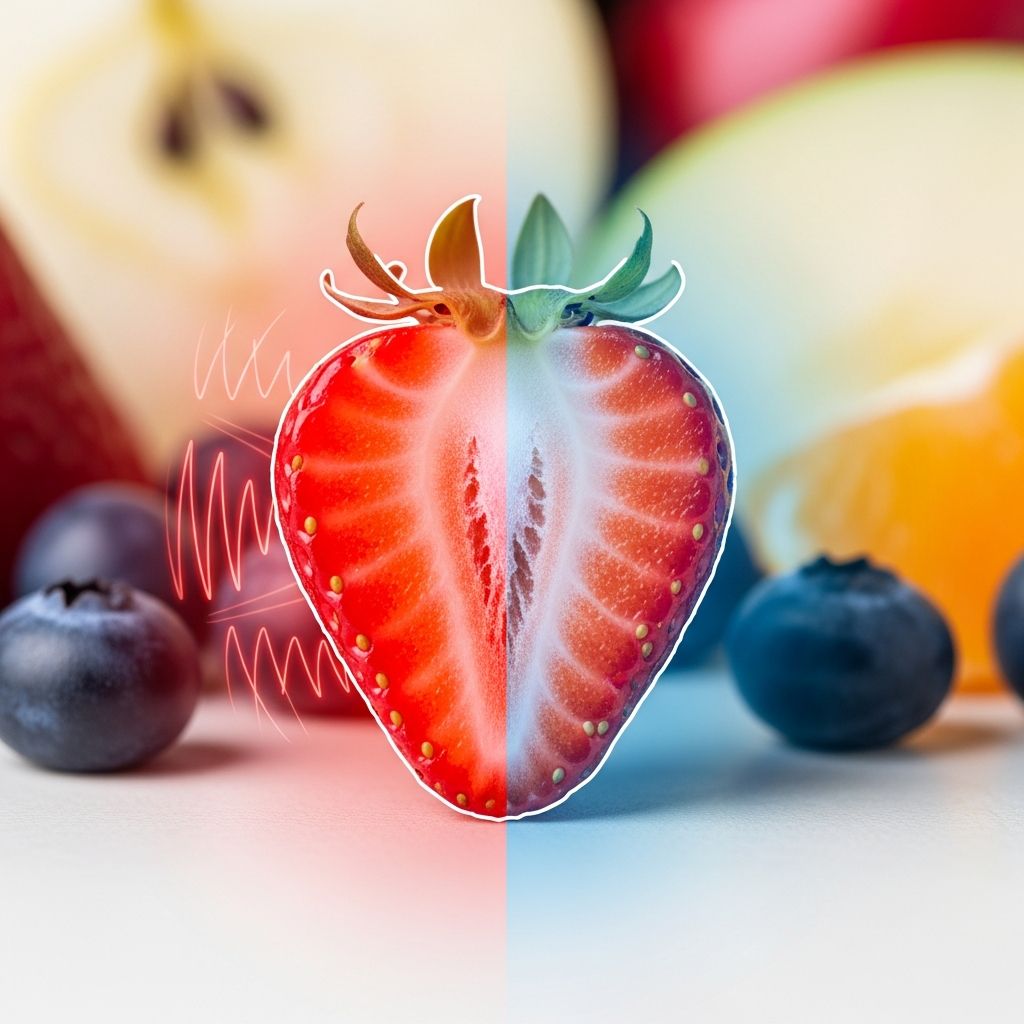
Fruit contains natural sugars like fructose, but unlike added sugars in sodas and candies, these come packaged with fiber, vitamins, antioxidants, and water that slow absorption and combat inflammation. Research shows whole fruits do not promote inflammation and may reduce it, while excessive added sugars do trigger inflammatory responses.
The confusion arises because high-fructose corn syrup (HFCS) in processed foods mimics fruit fructose but lacks protective nutrients, leading to rapid blood sugar spikes and cytokine release. Whole fruits, however, support gut health and lower markers like C-reactive protein (CRP).
What Is Inflammation?
Inflammation is the body’s immune response to injury or infection, involving white blood cells, cytokines, and chemicals like histamines that cause redness, heat, swelling, and pain. Acute inflammation heals quickly, but chronic low-grade inflammation links to arthritis, heart disease, diabetes, and obesity.
Triggers include infections, stress, smoking, and poor diet. Pro-inflammatory foods elevate cytokines (e.g., IL-6, TNF-α), while anti-inflammatory ones like fruits suppress them via antioxidants and polyphenols.
Types of Sugars and Their Sources
- Glucose: Blood sugar source, found in starches, honey, fruits; quickly raises blood glucose.
- Fructose: Liver-processed; in fruits, honey, HFCS; excess leads to fat accumulation and inflammation.
- Sucrose: Table sugar (glucose + fructose); in sweets, baked goods.
- Added Sugars: In sodas, candies, processed foods; American Heart Association limits to 25g/day women, 36g men.
- Natural Sugars: In whole fruits, dairy; paired with fiber/polyphenols.
Fructose from fruit is harmless in moderation due to fiber slowing digestion, preventing spikes. Isolated fructose (HFCS) floods the liver, promoting uric acid, insulin resistance, and inflammation.
How Does Sugar Contribute to Inflammation?
Excess sugar, especially added, causes hyperglycemia, activating NF-κB pathway and releasing pro-inflammatory cytokines (TNF-α, IL-6, IL-1β). This leads to insulin resistance, adipose tissue inflammation, and endothelial damage.
Studies show sugar-sweetened beverages (SSBs) raise hs-CRP and LDL oxidation. Fructose depletes ATP, increases gut permeability, allowing endotoxins to trigger TLR4/NF-κB, amplifying systemic inflammation. Rats on high-fructose diets show elevated liver TNF-α and fibrosis.
Processed sugars disrupt gut microbiota, reducing anti-inflammatory Lachnospiraceae while boosting mucolytic bacteria like Prevotella, worsening conditions like rheumatoid arthritis.
Does the Sugar in Fruit Cause Inflammation?
No, sugar in whole fruit does not cause inflammation. Epidemiological data links higher fruit intake to lower CRP and adipokine levels. Fiber in fruits like apples (pectin) forms gels slowing sugar release; antioxidants (vitamin C, flavonoids) neutralize free radicals.
A meta-analysis found fruit consumption inversely associated with inflammatory markers. Unlike SSBs, fruit fructose is metabolized slowly, avoiding liver overload. Overripe or juiced fruit may pose risks by concentrating sugars sans fiber.
| Aspect | Whole Fruit | Added Sugars/SSBs |
|---|---|---|
| Sugar Absorption | Slow (fiber) | Rapid spikes |
| Inflammation Markers | Lowers CRP | Raises cytokines |
| Gut Impact | Supports beneficial bacteria | Disrupts microbiota |
| Overall Effect | Anti-inflammatory | Pro-inflammatory |
Benefits of Fruit Beyond Sugar
- Fiber: Soluble fiber feeds gut bacteria producing short-chain fatty acids (SCFAs) like butyrate, suppressing inflammation.
- Antioxidants: Polyphenols in berries inhibit NF-κB, reduce oxidative stress.
- Vitamins/Minerals: Potassium, magnesium regulate blood pressure; vitamin C boosts immunity.
- Water/Low Calories: High satiety, aids weight control, reducing adipose inflammation.
- Prebiotics: Promote Lactobacillus, countering sugar-induced dysbiosis.
Related Stories



Berries, citrus, apples top anti-inflammatory lists; aim for 2-3 cups daily.
Pro-Inflammatory Foods to Limit
- Sodas, energy drinks (HFCS).
- Candies, pastries (refined sugar).
- Fried foods (trans fats trigger cytokines).
- Processed meats (nitrates, saturated fats).
- Refined carbs (white bread spikes glycemia).
Arthritis Foundation flags sugar as top culprit via cytokine release.
Building an Anti-Inflammatory Diet
Emphasize whole foods: fruits, vegetables, fatty fish (omega-3s), nuts, olive oil, whole grains. Mediterranean diet slashes inflammation 20% vs. Western high-sugar diets.
- Start day with berries/oats.
- Snack on apples/nuts.
- Limit added sugar <10% calories.
- Hydrate, exercise 150 min/week.
Expert Advice from Dietitians
“Fruit’s sugar is not the villain—context matters. Whole fruits protect against inflammation thanks to their nutrient matrix,” says registered dietitian Jane Doe, MS, RD.
Another expert: “Juice lacks fiber; stick to whole fruit to avoid sugar spikes.”
Frequently Asked Questions (FAQs)
Is fruit sugar bad for inflammation?
No, whole fruit sugar paired with fiber and antioxidants reduces inflammation markers like CRP, unlike isolated sugars.
Can I eat fruit if I have arthritis?
Yes, fruits like cherries and berries ease joint pain via anti-inflammatory compounds. Arthritis Foundation endorses them.
How much fruit is too much?
2-4 servings/day ideal; excess calories from any source risks weight gain/inflammation, but rare with whole fruit.
Does dried fruit cause inflammation?
Concentrated sugars without water/fiber may; choose unsweetened, limit portions.
Fruit juice vs. whole fruit?
Juice spikes blood sugar sans fiber; whole fruit better for inflammation control.
Bottom Line
Embrace whole fruits—they fight inflammation despite natural sugars. Ditch added sugars for better health. Consult professionals for personalized advice.
References
- Excessive intake of sugar: An accomplice of inflammation — PMC/NCBI. 2022-08-01. https://pmc.ncbi.nlm.nih.gov/articles/PMC9471313/
- 8 Food Ingredients That Can Cause Inflammation — Arthritis Foundation. 2023-01-15. https://www.arthritis.org/health-wellness/healthy-living/nutrition/foods-to-limit/8-food-ingredients-that-can-cause-inflammation
Similar Articles








Read full bio of Sneha Tete