Sugar vs. Sugar Alcohol: What’s the Difference?
Understand the key differences between sugar and sugar alcohols, from calories and blood sugar impact to digestive effects and dental health.
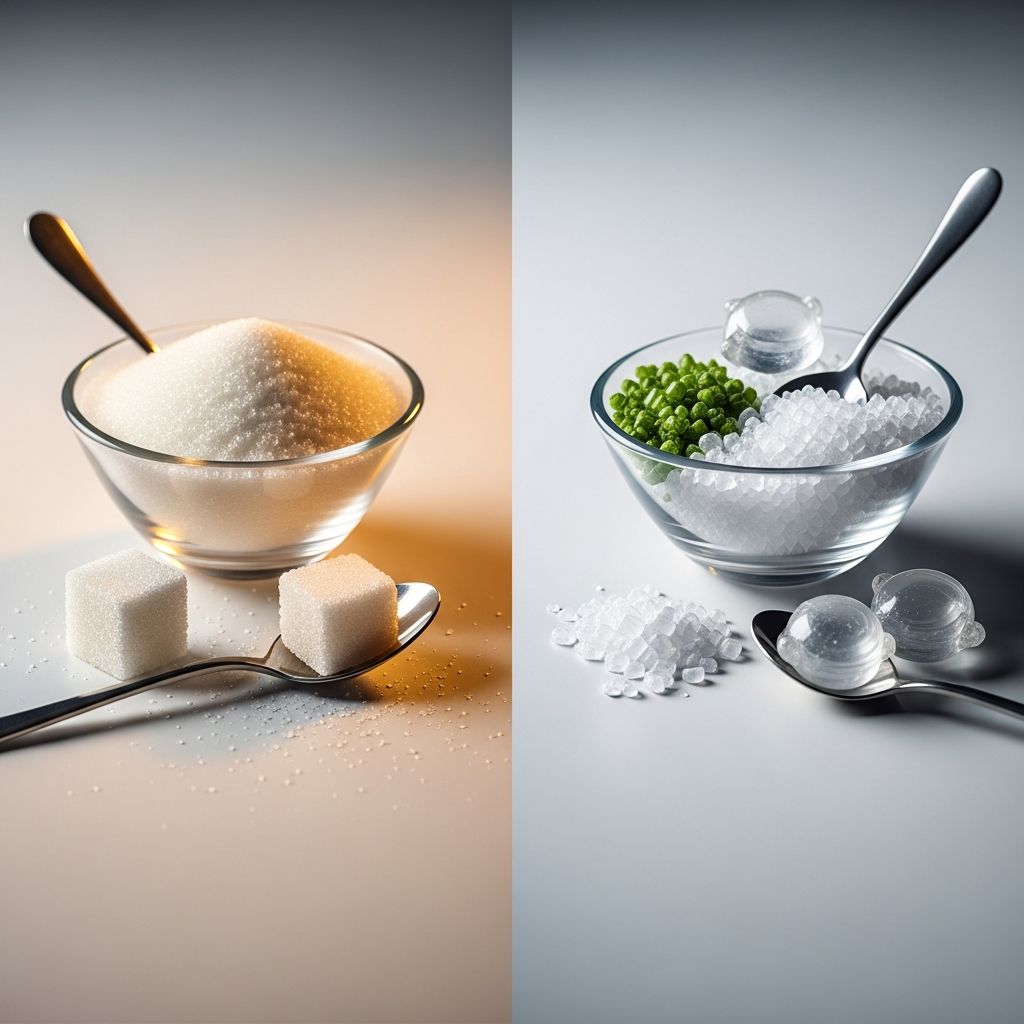
Sugar and sugar alcohols are both sweeteners commonly found in foods, but they differ significantly in chemical structure, calorie content, digestion, blood sugar impact, and effects on oral health. Sugar alcohols offer a lower-calorie alternative with minimal blood sugar spikes, making them suitable for diabetes management, though they may cause digestive discomfort in excess.
What Is Sugar?
Sugar refers to sweet-tasting carbohydrates, primarily sucrose (table sugar), that the body quickly converts into energy. Found naturally in fruits, vegetables, and dairy, sugar is also added to processed foods for taste and texture. When consumed, sugars like glucose and fructose are rapidly absorbed into the bloodstream, providing 4 calories per gram and triggering insulin release.
Excessive intake links to obesity, type 2 diabetes, heart disease, and inflammation, prompting recommendations to limit added sugars to under 10% of daily calories by organizations like the World Health Organization. Common types include glucose, fructose, and sucrose, each with high glycemic indexes (GI) that cause quick blood sugar rises.
What Are Sugar Alcohols?
Sugar alcohols, or polyols, are carbohydrates with a structure bridging sugars and alcohols, though they contain no ethanol and are safe for non-drinkers. Naturally occurring in fruits like plums, strawberries, and avocados, they are also produced commercially from sugars for use in sugar-free gums, candies, baked goods, toothpaste, and medications.
They taste sweet with a cooling sensation but are less efficiently absorbed, yielding about 2 calories per gram—half of sugar. Common examples include xylitol (as sweet as sugar), sorbitol, mannitol, maltitol, and erythritol (minimal blood sugar impact). Their lower digestibility makes them popular low-calorie sweeteners.
Key Differences Between Sugar and Sugar Alcohols
Sugar and sugar alcohols diverge in sweetness, calories, digestion, blood sugar effects, and dental impact. Here’s a detailed comparison:
| Aspect | Sugar | Sugar Alcohols |
|---|---|---|
| Calories per gram | 4 | ~2 (25-50% less) |
| Sweetness | 100% (sucrose baseline) | 25-100% (e.g., xylitol=100%, lactitol=40%) |
| Blood sugar effect (GI) | High (60-100) | Low (0-36) |
| Digestion | Fully absorbed | Partially absorbed; ferments in gut |
| Dental health | Promotes decay | Prevents decay; non-cariogenic |
Calories and Sweetness
Sugar alcohols provide fewer calories, aiding weight management by reducing overall energy intake without fully sacrificing sweetness. For instance, replacing sugar in diets can lower calorie density while maintaining palatability, supporting obesity prevention. Harvard expert Frank Hu notes their slower breakdown prevents insulin spikes, benefiting metabolic health.
Effect on Blood Sugar Levels
Sugars raise blood glucose rapidly due to quick absorption, with sucrose’s GI at 60 and glucose at 100. Insulin shuttles this glucose to cells for energy or storage. Sugar alcohols, absorbed slowly or not at all (e.g., erythritol), have GI values of 0-36, minimizing spikes—ideal for diabetes or prediabetes. The American Diabetes Association confirms they raise blood sugar less than sugar, though not zero; label checks are essential as ‘sugar-free’ isn’t carb-free.
Related Stories



Digestion and Gut Effects
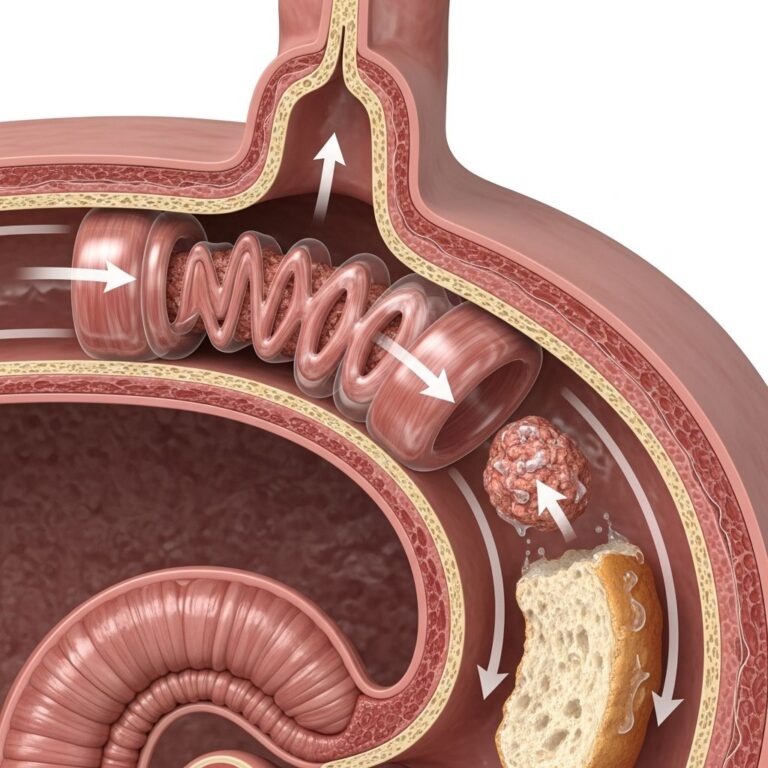
Unlike fully digested sugar, 25-50% of sugar alcohols pass to the large intestine, fermented by bacteria into gases, potentially causing bloating, gas, cramps, or diarrhea—especially over 10-50g daily, varying by type and tolerance. Sorbitol and mannitol are most laxative; erythritol least. Introduce gradually, as advised by experts.
Impact on Oral Health
Sugars feed cavity-causing bacteria, producing decay-promoting acids. Sugar alcohols don’t ferment this way, resisting plaque and potentially reducing bacteria—xylitol even inhibits Streptococcus mutans. Used in gums and toothpastes, they support dental health.
Health Benefits of Sugar Alcohols
- Diabetes Management: Lower GI helps stabilize blood sugar; suitable for low-carb diets.
- Weight Control: Fewer calories reduce intake; studies show polyols aid healthy lifestyles.
- Dental Protection: Non-cariogenic; promotes oral hygiene.
- Low Insulin Response: Slow digestion prevents spikes, per Harvard research.
A review in peer-reviewed literature affirms sugar alcohols as antidiabetic supplements, altering diet adequacy with lower energy values.
Potential Downsides and Side Effects
While beneficial, excess sugar alcohols trigger gastrointestinal issues due to osmotic effects and fermentation. Sensitive individuals may experience discomfort at low doses; long-term effects under study. The FDA deems them safe, but moderation (under daily tolerances: e.g., 50g sorbitol) is key. Not fully carb-free, they count partially toward carb totals.
How to Use Sugar Alcohols Safely
- Start small to build tolerance.
- Read labels: Net carbs = total carbs minus sugar alcohols (half-count some).
- Choose erythritol for minimal GI impact.
- Combine with fiber-rich foods to mitigate effects.
- Consult doctors for diabetes or IBS.
Common Sugar Alcohols and Their Properties
| Sugar Alcohol | Sweetness (% of Sucrose) | GI | Common Uses | Tolerance Notes |
|---|---|---|---|---|
| Xylitol | 100% | 7 | Gum, toothpaste | Good dental benefits |
| Sorbitol | 60% | 9 | Candies, laxatives | Laxative at 10-50g |
| Erythritol | 70% | 1 | Baked goods, drinks | Least GI effects |
| Maltitol | 90% | 35 | Chocolates | Higher blood sugar rise |
| Mannitol | 50-70% | 0 | Chews | Strong laxative |
Frequently Asked Questions (FAQs)
Are sugar alcohols safe for people with diabetes?
Yes, they raise blood sugar less than sugar and are recommended in moderation by the American Diabetes Association, but monitor carbs and consult professionals.
Do sugar alcohols cause weight gain?
No, their lower calories support weight management when replacing sugar.
Can sugar alcohols cause diarrhea?
Yes, in large amounts due to poor absorption; start low to assess tolerance.
Are sugar alcohols natural?
Some occur naturally in fruits; others are processed from sugars.
Which sugar alcohol is best for baking?
Erythritol or xylitol mimic sugar texture without strong aftertaste.
Bottom Line
Sugar alcohols provide a compelling alternative to sugar with half the calories, negligible blood sugar impact, and dental benefits, ideal for diabetes, weight control, and low-sugar diets. However, digestive side effects necessitate moderation. Incorporate thoughtfully for optimal health.
References
- Sugar vs. Sugar Alcohol: What’s the Difference? — Healthline. 2020-03-24. https://www.healthline.com/nutrition/sugar-alcohol-vs-sugar
- Are sugar alcohols healthier alternative sweeteners? — Harvard T.H. Chan School of Public Health. 2024-01-04. https://hsph.harvard.edu/news/sugar-alcohol-health-sweetener/
- What are Sugar Alcohols? — American Diabetes Association. N/A. https://diabetesfoodhub.org/blog/what-are-sugar-alcohols
- Suitability of sugar alcohols as antidiabetic supplements: A review — PMC (NCBI). 2022-06-29. https://pmc.ncbi.nlm.nih.gov/articles/PMC9261844/
Similar Articles








Read full bio of medha deb