Sulfa Drugs And The Skin: 5 Common Reactions And Management
Comprehensive overview of cutaneous reactions to sulfonamide drugs, from common rashes to severe syndromes like SJS/TEN.
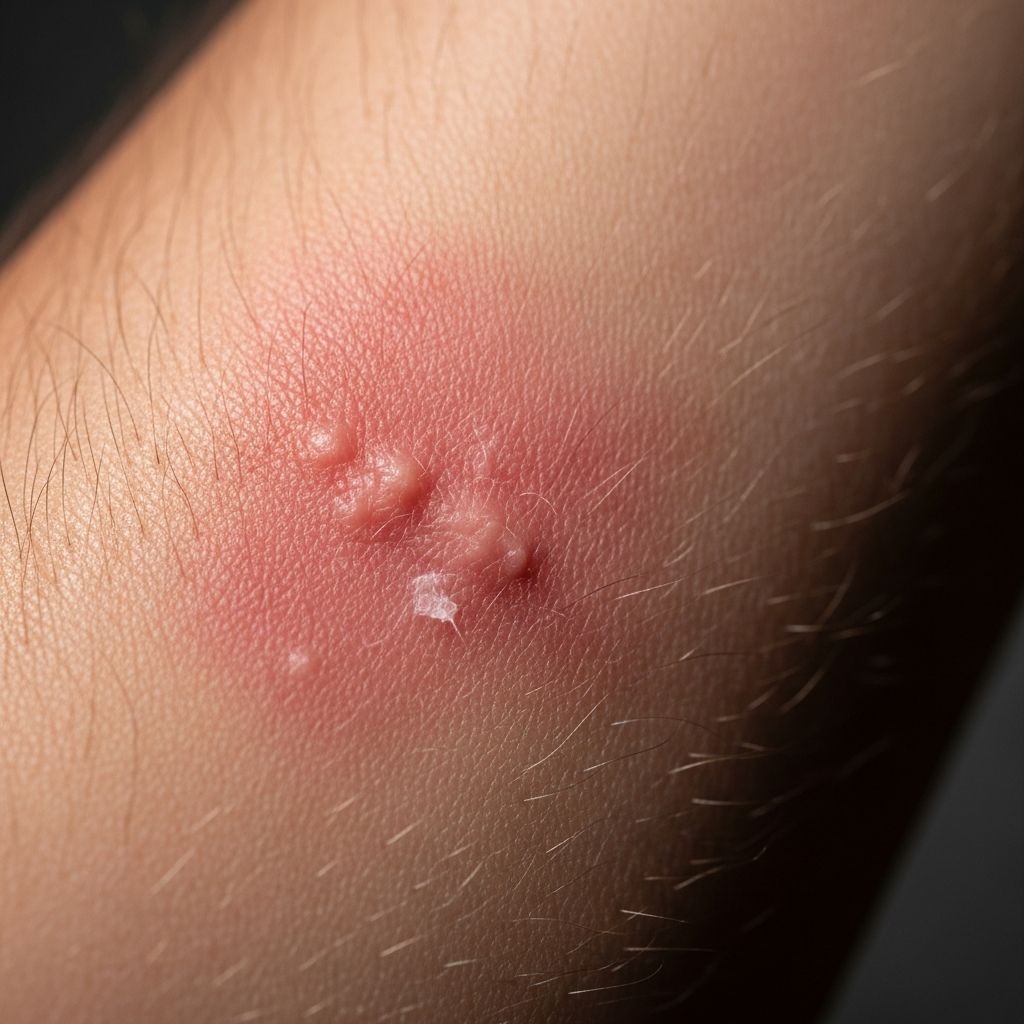
Sulfonamide drugs, commonly known as sulfa drugs, are a class of synthetic antimicrobial agents widely used since the 1930s to treat bacterial infections. While effective, they are notorious for causing cutaneous adverse reactions, ranging from mild rashes to life-threatening conditions like Stevens-Johnson syndrome (SJS) and toxic epidermal necrolysis (TEN). This article examines the relationship between sulfa drugs and skin manifestations, debunking myths about ‘sulfa allergy’ and providing evidence-based insights into diagnosis, risk factors, and management.
What are sulfa drugs?
Sulfa drugs contain a sulfonamide chemical group (SO2NH2) and are divided into antibiotics (e.g., sulfamethoxazole, sulfadiazine) and non-antibiotics (e.g., sulfonylureas, thiazide diuretics like furosemide, celecoxib). Sulfonamide antibiotics, such as trimethoprim-sulfamethoxazole (Bactrim), are most implicated in skin reactions due to their frequent use in treating urinary tract infections, pneumonia, and skin infections.
Contrary to popular belief, the sulfonamide moiety alone does not confer higher risk for cutaneous adverse events (CAEs). A comprehensive analysis of postmarketing reports found no elevated risk for sulfonamide-containing drugs compared to non-sulfonamides; instead, risks correlate with structural alerts and higher doses. This challenges the blanket avoidance of all sulfonamides in patients labeled with ‘sulfa allergy,’ which often stems from reactions to antibiotics rather than the moiety itself.
Who gets a reaction to sulfa drugs?
Reactions occur in 1-3% of sulfonamide courses, higher in HIV-positive patients (up to 50-85% with trimethoprim-sulfamethoxazole prophylaxis). Genetic factors play a key role: slow acetylators (NAT2*5/*6 alleles) have 3-fold increased risk of rash, while certain HLA alleles (e.g., HLA-B*1502 in Asians) predispose to SJS/TEN. Women, elderly patients, and those with autoimmune diseases or concurrent medications (e.g., allopurinol) are also at higher risk.
HIV patients experience more maculopapular eruptions, while non-HIV individuals see fixed drug eruptions more commonly. Systemic lupus erythematosus (SLE) patients face elevated risks due to immune dysregulation.
Clinical features of sulfa drug eruptions
Sulfa-induced skin reactions typically onset 1-2 weeks after initiation, though immediate hypersensitivity can occur. Common patterns include:
- Maculopapular rash: Most frequent (37.7%), pruritic red spots coalescing into patches on trunk/extremities.
- Fixed drug eruption: Recurrent oval erythematous plaques at same sites (22%).
- Urticaria/angioedema: IgE-mediated hives or swelling (12-12.6%).
- Acute generalized exanthematous pustulosis (AGEP): Sterile pustules on erythematous base.
- Sweet syndrome: Painful plaques with fever/neutrophilia.
Severe reactions like drug reaction with eosinophilia and systemic symptoms (DRESS), SJS/TEN involve mucosal involvement, fever, and organ dysfunction. Oral sulfonamides show highest association with severe CAEs, with 190% increased odds vs. macrolides.
Sulfa drug allergy vs sulfa drug intolerance
| Feature | Allergy (Type I/IV) | Intolerance |
|---|---|---|
| Onset | Immediate (IgE) or 48h+ (T-cell) | Variable, dose-related |
| Mechanism | Hypersensitivity | Pharmacologic (e.g., phototoxicity) |
| Recurrence | Predictable on re-exposure | May tolerate lower doses |
| Examples | SJS/TEN, urticaria | Mild erythema |
Related Stories



True allergy involves immune-mediated reactions, while intolerance reflects non-immune effects. Cross-reactivity between sulfa antibiotics and non-antibiotics is low (<5%), allowing safe use of diuretics like furosemide in most ‘sulfa-allergic’ patients.
Severe cutaneous adverse reactions (SCARs)
SCARs—DRESS, SJS/TEN, AGEP—carry high morbidity/mortality (20-40% for TEN). Sulfonamides account for 32% of antibiotic-related SJS/TEN cases.
- DRESS: Rash, eosinophilia, lymphadenopathy, visceral involvement 2-8 weeks post-exposure.
- SJS/TEN: Blistering >10% body surface, Nikolsky sign positive; triggered by HLA-drug interactions.
- AGEP: Pustular eruption resolving in 2 weeks.
Early biopsy and withdrawal are critical; immunosuppressants (e.g., cyclosporine) improve outcomes.
Drug eruptions resembling infectious diseases
Sulfa reactions mimic infections:
- Exanthem subitum-like: Roseola (HHV-6 reactivation in DRESS).
- Hand-foot-mouth: Vesicles on acral sites.
- Varicella-like: Disseminated vesicles.
- Gonococcemia-like: Hemorrhagic pustules.
Differentiate via history, serology, and skin biopsy to avoid misdiagnosis.
Photodistributed and pigmented reactions
Sulfa drugs cause photosensitivity (phototoxic/photoallergic) and hyperpigmentation:
- Photodermatitis: Erythema in sun-exposed areas.
- Pseudoporphyria: Blistering mimicking porphyria.
- Hyperpigmentation: Slate-gray in sun-exposed skin (sulfadiazine).
- Nail/lichenoid: Onychodystrophy, hyperpigmentation.
Resolution post-discontinuation, but pigmentation may persist months.
How is the diagnosis made?
Diagnosis relies on:
- History: Temporal association, prior reactions.
- Exam: Morphology, mucosal/genital involvement.
- Patch testing: Positive in 40-70% fixed eruptions, delayed reactions.
- Biopsy: Confirms SCARs (e.g., full-thickness necrosis in TEN).
- Labs: Eosinophilia, HLA typing for high-risk patients.
Skin testing has limited sensitivity for severe reactions; oral challenge is risky.
Management
Immediate drug cessation is paramount. Supportive care includes:
- Mild reactions: Antihistamines, topical steroids.
- Severe: ICU admission, wound care, IVIG/cyclosporine for SJS/TEN.
- Desensitization: For essential antibiotics in HIV patients (success >90%).
Inform patients to wear MedicAlert bracelets.
What is the outcome and cross-reactivity?
Most rashes resolve in 1-2 weeks post-withdrawal. Mortality high in SCARs (30% TEN). Cross-reactivity: High among sulfa antibiotics (20-50%), low with non-antibiotics (1-3%). Safe alternatives: Furosemide often tolerated despite Bactrim allergy.
Cross-reactivity table
| Group | Examples | Cross-Reactivity Risk |
|---|---|---|
| Sulfa Antibiotics | Bactrim, Sulfadiazine | High (30-50%) |
| Non-Antibiotic Sulfonamides | Furosemide, Celecoxib | Low (<5%) |
| Sulfites/Sulfates | Food preservatives | None |
Frequently Asked Questions (FAQs)
Can I take furosemide if allergic to Bactrim?
Yes, cross-reactivity is rare (<5%); consult allergist for testing.
Is sulfa allergy genetic?
Partially; HLA-B*1502 increases SJS/TEN risk in Asians.
How common are severe reactions?
Sulfonamides linked to 32% antibiotic SJS/TEN cases; incidence 1:1000 exposures.
What if I get a rash on sulfa drugs?
Stop immediately, seek medical care; may progress to SCARs.
Are topical sulfa creams safe?
Lower systemic absorption but can cause local/systemic reactions; avoid if history of allergy.
References
- Cutaneous Adverse Events Caused by Sulfonamide-Containing Drugs — PubMed/NCBI. 2020-02-26. https://pubmed.ncbi.nlm.nih.gov/32091882/
- Drug Rashes: 7 Medications That Can Cause Skin Reactions — GoodRx. 2023 (updated). https://www.goodrx.com/health-topic/dermatology/drug-rash-skin-reaction
- Sulfa Allergy: Symptoms & Drugs To Avoid — Cleveland Clinic. 2023-10-18. https://my.clevelandclinic.org/health/diseases/25131-sulfa-allergy
- Sulfa Allergy Symptoms, Testing & Treatment — St. Louis Allergy & Asthma. 2024. https://stlouisallergyasthma.com/sulfa-allergy-symptoms-testing-treatment/
- Which antibiotics are most associated with severe skin reactions? — Pharmacist.com (J Allergy Clin Immunol). 2024-02. https://www.pharmacist.com/Blogs/CEO-Blog/Article/which-antibiotics-are-most-associated-with-severe-skin-reactions
- Cutaneous adverse reactions to sulfonamide antibiotics — PubMed/NCBI. 2011-11. https://pubmed.ncbi.nlm.nih.gov/22053600/
Similar Articles








Read full bio of Sneha Tete