Sulfadiazine Tablets: Complete Uses, Dosage & Side Effects
Comprehensive guide to sulfadiazine tablets: uses, dosage, side effects, and precautions for treating and preventing bacterial infections.
Sulfadiazine tablets are a sulfonamide antibiotic used primarily to treat a variety of bacterial infections and prevent recurrent episodes of rheumatic fever. This medicine works by inhibiting bacterial growth, making it effective against conditions like meningitis, food poisoning, chancroid, trachoma, and toxoplasmosis.
About sulfadiazine
Sulfadiazine belongs to the class of medicines known as sulfonamide antibiotics, which are broad-spectrum antibacterials. These drugs prevent bacteria from synthesizing folic acid, a vital nutrient for their multiplication, thereby stopping infections from spreading.
| Type of medicine | Used for | Available as |
|---|---|---|
| Sulfonamide antibiotic | Treating bacterial infections; preventing rheumatic fever | Tablets (typically 500 mg) |
Although sulfonamides are less commonly prescribed today due to newer antibiotics, sulfadiazine remains valuable for specific uses, including prophylaxis against rheumatic fever and in combination therapies for toxoplasmosis.
Key facts about sulfadiazine tablets
- Sulfadiazine is rapidly absorbed from the gastrointestinal tract, reaching peak blood levels within 4 hours after oral administration.
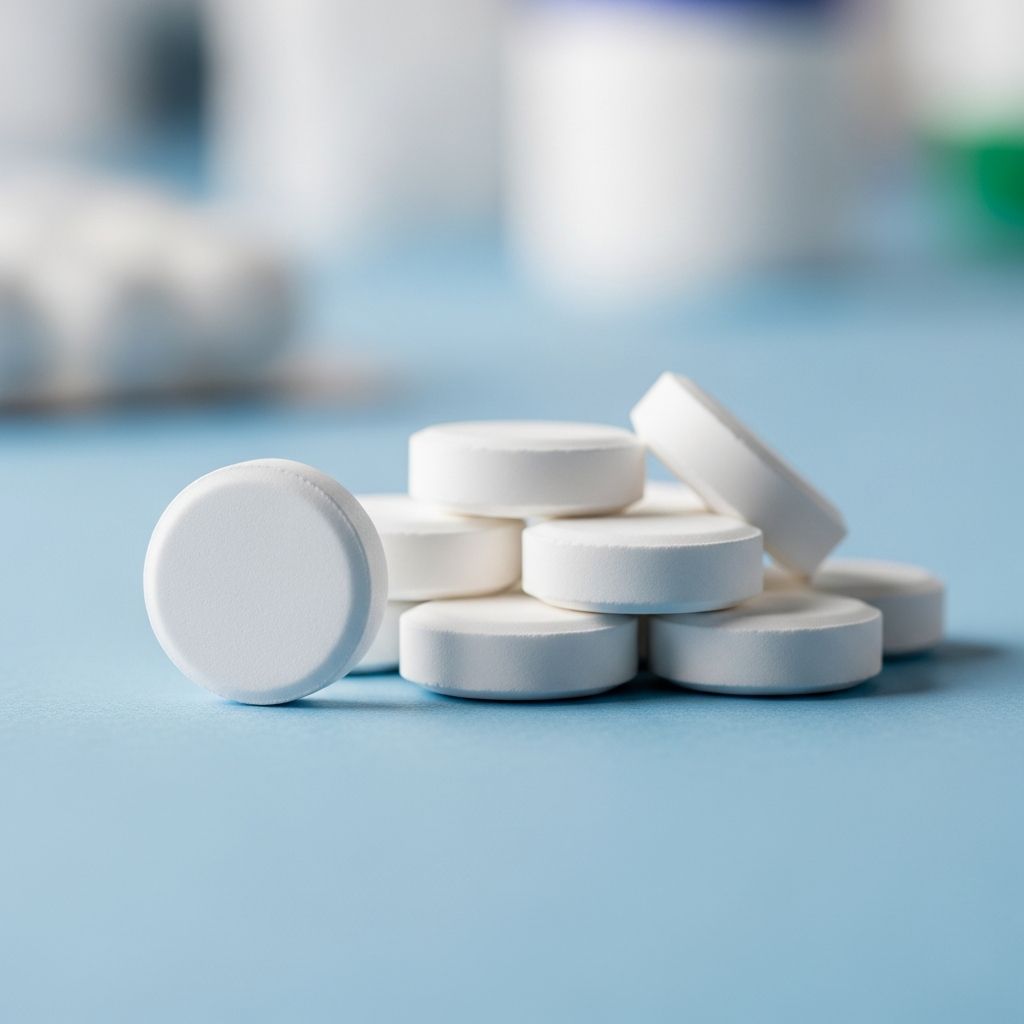
- It is available only by prescription and comes as plain white, 500 mg tablets, often marked with a logo.
- Important: Drink plenty of fluids (at least 8 ounces of water per dose) to prevent crystalluria (crystal formation in urine), a known risk with sulfonamides.
- Not effective against viral infections like colds or flu.
What Sulfadiazine Tablets are and what they are used for
The active ingredient, sulfadiazine, targets a wide range of bacterial infections by interfering with bacterial folate synthesis. Common indications include:
- Food poisoning and gastroenteritis caused by sensitive bacteria.
- Meningitis, particularly in adjunct therapy.
- Chancroid, trachoma, and other systemic infections.
- Prophylaxis for rheumatic fever in patients allergic to penicillin.
- Toxoplasmosis, often combined with pyrimethamine.
In rheumatic fever prevention, sulfadiazine reduces the risk of recurrent streptococcal infections that trigger episodes. It is especially useful for long-term use in high-risk patients.
Before you take Sulfadiazine Tablets
Consult your doctor before starting sulfadiazine if you have any of the following conditions, as it requires caution or adjustment:
- Allergy to sulfonamides (e.g., sulfa drugs, co-trimoxazole/Septrin®) or other antibiotics.
- Kidney or liver impairment, as sulfonamides can accumulate and cause toxicity.
- Glucose-6-phosphate dehydrogenase (G6PD) deficiency, risking hemolysis.
- Bronchial asthma or severe allergies.
- Pregnancy (especially near term) or breastfeeding—sulfadiazine may displace bilirubin or affect the infant.
- Blood disorders, porphyria, or thyroid issues.
Do not take if you have acute porphyria or a history of serious sulfonamide reactions like Stevens-Johnson syndrome.
Inform your doctor of all medications, as sulfadiazine interacts with oral anticoagulants, methotrexate, phenytoin, and sulfonylureas, potentially enhancing their effects.
How to take Sulfadiazine Tablets
Always follow your doctor’s instructions and the label. Tablets should be swallowed whole with a full glass of water, preferably with food to reduce stomach upset. Divide doses evenly throughout the day.
Related Stories



Dosage guidelines
| Patient Group | Initial Dose | Maintenance Dose |
|---|---|---|
| Adults | 2-4 g (4-8 tablets of 500 mg) | 4 g daily in divided doses (3-6 times/day), up to 7 days |
| Children >2 months | 75 mg/kg | 150 mg/kg daily (max 6 g), divided 4-6 doses |
| Rheumatic fever prophylaxis | N/A | <30 kg: 500 mg daily; >30 kg: 1 g daily |
Continue treatment fully, even if symptoms improve, to prevent resistance. For rheumatic fever prevention, long-term use (years) may be required.
If you forget a dose: Take it as soon as remembered unless near the next dose. Never double up.
Overdose: Seek immediate medical help—symptoms include nausea, dizziness, and drowsiness.
Getting the most from your treatment
- Maintain high fluid intake (2-3 liters daily) to avoid kidney stones.
- Attend regular check-ups for blood tests to monitor for side effects like blood dyscrasias.
- Avoid sunlight exposure if prone to photosensitivity; use sunscreen.
- Do not stop abruptly without doctor advice, especially in prophylaxis.
- Space from other medications by 2 hours if possible.
Possible side effects
Most people tolerate sulfadiazine well, but side effects occur in some. Report severe symptoms immediately.
Common side effects
| Side Effect | How to Manage |
|---|---|
| Nausea, vomiting, diarrhea, loss of appetite | Take with food; eat simple meals; stay hydrated |
| Headache, dizziness | Rest; avoid driving if affected |
Serious side effects (seek urgent care)
- Severe skin rashes (e.g., Stevens-Johnson syndrome: flu-like symptoms, blisters, mouth ulcers)—highest risk in first weeks.
- Blood disorders: sore throat, fever, bruising, pallor, jaundice.
- Kidney issues: reduced urine, crystalluria.
- Liver problems: yellowing skin, dark urine.
- CNS effects: convulsions, hallucinations (rare).
Hemolysis in G6PD deficiency; monitor closely.
How to store Sulfadiazine Tablets
- Store below 25°C in original packaging, away from moisture and light.
- Keep out of reach of children.
- Do not use after expiry date; return unused medicine to pharmacist.
Further information
Each 500 mg tablet contains sulfadiazine as active ingredient, with excipients like maize starch, microcrystalline cellulose, magnesium stearate, and sodium starch glycolate. Tablets are white, biconvex, marked ‘CP’.
This is not a complete list—read the patient leaflet. For questions, consult your doctor or pharmacist.
Frequently Asked Questions (FAQs)
Q: What infections does sulfadiazine treat?
A: It treats bacterial infections like meningitis, food poisoning, chancroid, and is used for rheumatic fever prophylaxis and toxoplasmosis.
Q: How much water should I drink with sulfadiazine?
A: At least 8 ounces (240 mL) per dose and plenty throughout the day to prevent kidney issues.
Q: Can I take sulfadiazine if allergic to penicillin?
A: Yes, often used as an alternative for rheumatic fever prevention, but not if allergic to sulfa drugs.
Q: What if I miss a dose?
A: Take it soon as remembered; skip if almost time for next. Never double dose.
Q: Is sulfadiazine safe long-term?
A: Yes for rheumatic fever prophylaxis with monitoring; regular blood tests needed.
References
- Sulfadiazine 500mg Tablets BP — Summary of Product Characteristics. medicines.org.uk. 2023. https://www.medicines.org.uk/emc/product/253/pil
- SULFADIAZINE tablet – DailyMed — NIH. 2023-11-08. https://dailymed.nlm.nih.gov/dailymed/drugInfo.cfm?setid=8993651b-fff6-4e3f-9b60-78587bc9bcee
- Sulfadiazine: MedlinePlus Drug Information — NIH. Recent update. https://medlineplus.gov/druginfo/meds/a682130.html
- Sulfadiazine tablets — Patient.info. Recent. https://patient.info/medicine/sulfadiazine-tablets
- Sulfadiazine Tablets: Uses & Side Effects — Cleveland Clinic. Recent. https://my.clevelandclinic.org/health/drugs/19320-sulfadiazine-tablets
- Sulfadiazine (oral route) — Mayo Clinic. Recent. https://www.mayoclinic.org/drugs-supplements/sulfadiazine-oral-route/description/drg-20072992
Similar Articles








Read full bio of Sneha Tete