Sulfasalazine Guide: Uses, Dosing, Side Effects
Comprehensive guide to sulfasalazine: uses, dosing, risks, and patient advice for managing inflammatory conditions effectively.
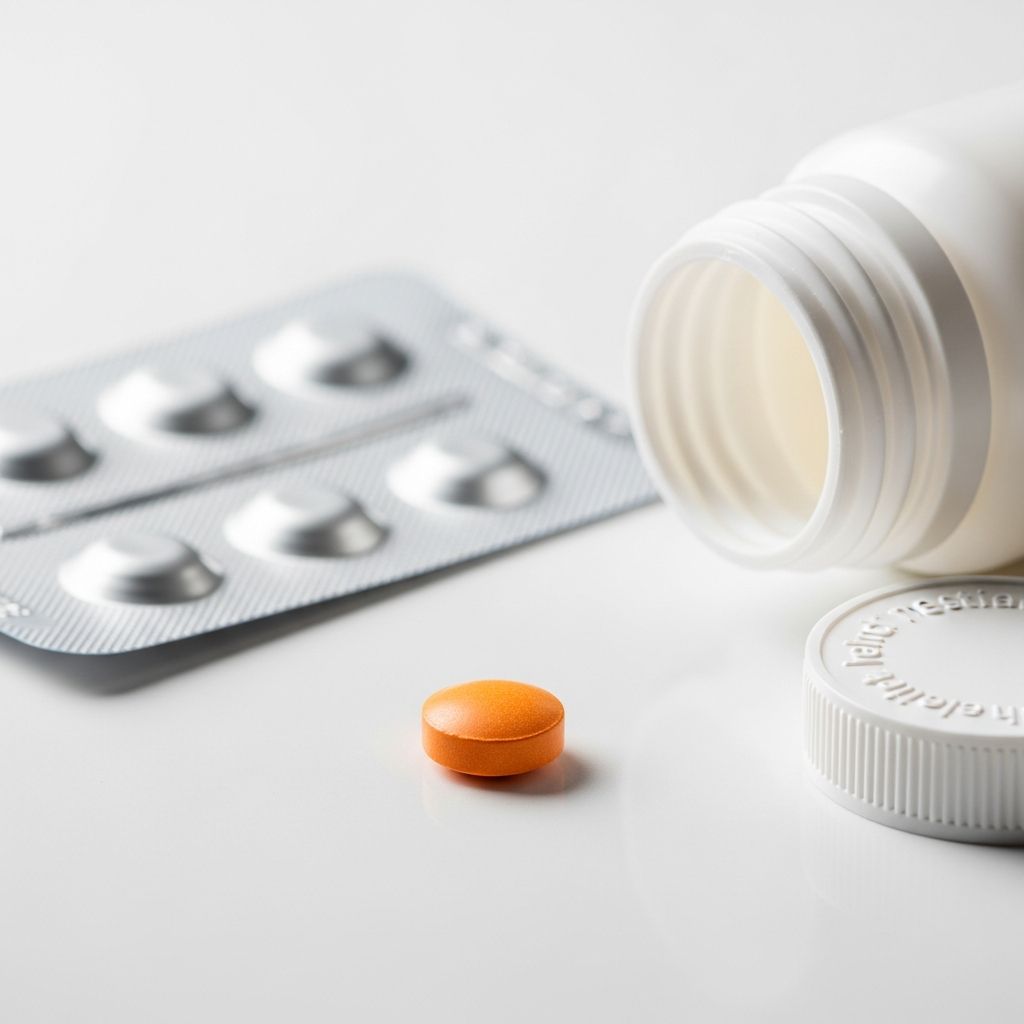
Sulfasalazine is a versatile medication primarily prescribed for managing inflammatory conditions affecting the intestines and joints. It combines anti-inflammatory and antibacterial properties to alleviate symptoms and prevent flare-ups in diseases like ulcerative colitis and rheumatoid arthritis.
Therapeutic Applications
This drug targets chronic inflammatory disorders by reducing bowel inflammation and modulating immune responses in affected areas. Clinicians often recommend it for patients experiencing mild to moderate symptoms who require long-term control without more aggressive biologics.
- Ulcerative colitis management: Helps control active inflammation and maintains remission periods.
- Rheumatoid arthritis treatment: Slows joint damage progression and eases pain in early stages.
- Other indications: Occasionally used for Crohn’s disease or ankylosing spondylitis under specialist supervision.
In ulcerative colitis, it works locally within the gut to curb bacterial overgrowth and excessive immune activity, promoting mucosal healing.
Pharmacological Mechanism
Once ingested, sulfasalazine travels to the colon where gut bacteria cleave it into sulfapyridine and 5-aminosalicylic acid (5-ASA). The 5-ASA component exerts anti-inflammatory effects directly on the intestinal lining, while sulfapyridine is absorbed systemically to influence broader immune modulation.
This dual action distinguishes it from standalone 5-ASA drugs, providing benefits for both luminal and extraintestinal manifestations of disease.
Dosing and Administration Protocols
Therapy begins with low doses to minimize intolerance, gradually titrating upward based on response and tolerability. Tablets should be swallowed whole with ample water, ideally with meals to enhance absorption and reduce gastric irritation.
| Condition | Initial Dose | Maintenance Dose | Frequency |
|---|---|---|---|
| Ulcerative Colitis (Acute) | 1 g | 4-8 g daily | Divided doses |
| Rheumatoid Arthritis | 500 mg | 2-3 g daily | Twice daily |
| Maintenance/Remission | N/A | 2-4 g daily | Once or twice daily |
Regular blood monitoring is essential during the first three months to track for hematologic or hepatic changes.
Recognizing and Handling Side Effects
While many patients tolerate sulfasalazine well, gastrointestinal disturbances and dermatologic reactions are frequent early complaints. Most resolve with dose adjustment or supportive care, but vigilance for severe reactions is critical.
Common Mild Reactions
- Nausea or indigestion, often mitigated by taking with food.
- Headache or dizziness, typically transient.
- Diarrhea or abdominal discomfort, managed with hydration and antispasmodics.
- Orange discoloration of urine or skin, harmless but notable.
Serious Adverse Events Requiring Prompt Attention
Seek immediate medical help for symptoms suggesting blood dyscrasias, such as persistent fever, bruising, or fatigue; severe rashes including blistering; or respiratory distress.
- Hematologic issues: Fever, sore throat, pallor, or bleeding.
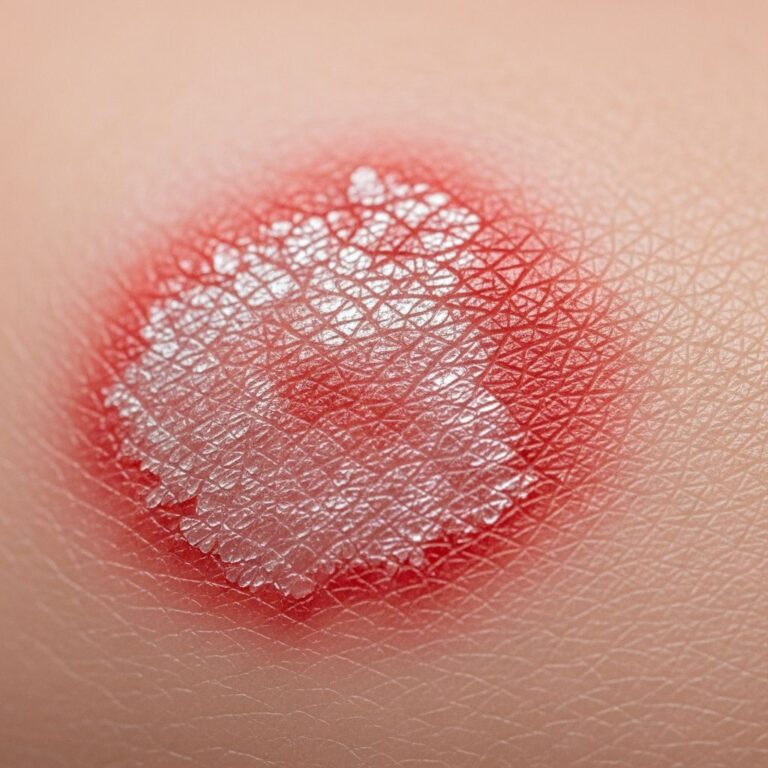
- Skin emergencies: Stevens-Johnson syndrome indicators like widespread rash or mucosal ulcers.
- Hepatic concerns: Jaundice, dark urine, or right upper quadrant pain.
Side effects like joint aches or cough may mimic underlying disease, necessitating differential diagnosis.
Critical Precautions and Contraindications
Patients with sulfa allergies, G6PD deficiency, or severe renal/hepatic impairment should avoid this drug. Caution is advised in those with asthma, as it may exacerbate bronchospasm.
Related Stories



- Pregnancy/Breastfeeding: Category B; use only if benefits outweigh risks, monitor neonate for kernicterus.
- Fertility: May reduce sperm count in men; discuss family planning.
- Monitoring schedule: CBC, liver enzymes, and renal function every 1-3 months initially.
Lifestyle Adjustments for Optimal Therapy
To maximize efficacy and comfort:
- Stay hydrated to prevent crystalluria.
- Use broad-spectrum sunscreen due to photosensitivity.
- Avoid alcohol, which may heighten liver strain.
- Report new infections promptly, as immunosuppression increases susceptibility.
Gradual dose escalation over weeks reduces dropout rates significantly.
Drug Interactions Overview
| Interacting Drug/Class | Effect | Management |
|---|---|---|
| Methotrexate | Increased bone marrow toxicity | Close hematologic monitoring |
| Warfarin | Altered anticoagulation | INR adjustments |
| Digoxin | Reduced absorption | Separate dosing by 3 hours |
| Oral contraceptives | Potential inefficacy | Alternative contraception |
Folate supplementation may counteract mild megaloblastic changes.
Special Populations Considerations
Elderly Patients
Reduced renal clearance heightens toxicity risk; start at lowest dose with frequent labs.
Pediatric Use
Approved for juvenile idiopathic arthritis; weight-based dosing required.
Renally Impaired
Dose reduction or avoidance if creatinine clearance <30 mL/min.
FAQs
How long until sulfasalazine works?
Effects on joints may take 1-3 months; bowel symptoms improve faster.
Can I stop taking it abruptly?
No; taper under guidance to avoid rebound inflammation.
Does it cause permanent infertility?
Sperm effects are often reversible upon discontinuation.
What if I miss a dose?
Take as soon as remembered unless near next dose; do not double up.
Is it safe with NSAIDs?
Generally yes, but monitor for GI bleeding risk.
Long-Term Management Strategies
Successful therapy involves balancing benefits against risks through consistent monitoring and patient education. Many achieve sustained remission, allowing dose reduction. Transition to alternatives like mesalamine if intolerance persists.
For persistent nausea, enteric-coated formulations may help. Combining with probiotics supports gut tolerance in some cases.
References
- Sulfasalazine (oral route) – Side effects & dosage — Mayo Clinic. 2023-10-01. https://www.mayoclinic.org/drugs-supplements/sulfasalazine-oral-route/description/drg-20066179
- Sulfasalazine — Arthritis UK. 2024-05-15. https://www.arthritis-uk.org/information-and-support/understanding-arthritis/arthritis-treatments/drugs/sulfasalazine/
- Side effects of sulfasalazine — NHS. 2025-01-20. https://www.nhs.uk/medicines/sulfasalazine/side-effects-of-sulfasalazine/
- Sulfasalazine (Azulfidine) — American College of Rheumatology. 2024-08-10. https://rheumatology.org/patients/sulfasalazine-azulfidine
- Sulfasalazine: Uses & Side Effects — Cleveland Clinic. 2024-11-05. https://my.clevelandclinic.org/health/drugs/18570-sulfasalazine-tablets
- Sulfasalazine — Memorial Sloan Kettering Cancer Center. 2023-12-12. https://www.mskcc.org/cancer-care/patient-education/medications/adult/sulfasalazine
- Sulfasalazine: Uses, Interactions, Mechanism of Action — DrugBank. 2025-02-10. https://go.drugbank.com/drugs/DB00795
Similar Articles








Read full bio of Sneha Tete