Sulfasalazine Uses, Dosage, Side Effects: Comprehensive Guide
Comprehensive guide to sulfasalazine for treating ulcerative colitis, Crohn's disease, and rheumatoid arthritis effectively.
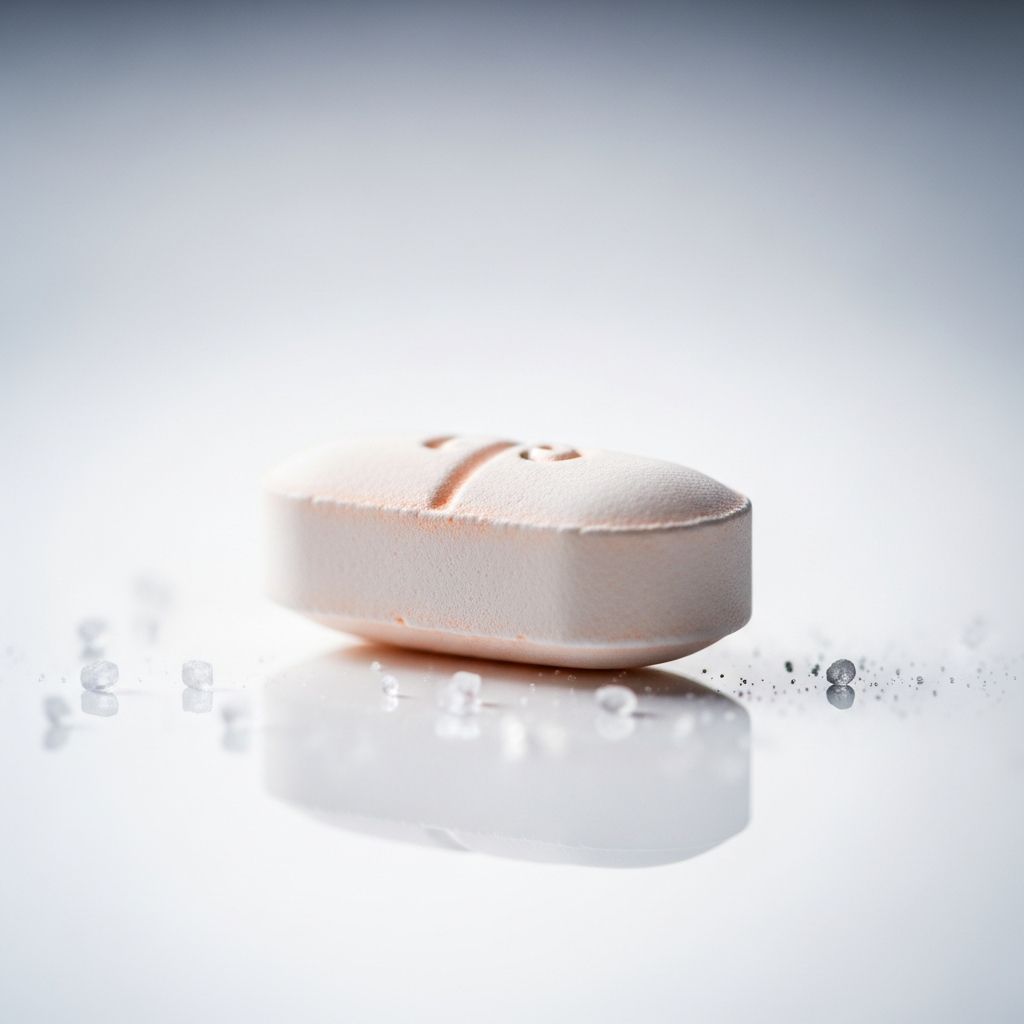
Sulfasalazine, commonly known as Salazopyrin, is an aminosalicylate medication primarily used to manage symptoms of inflammatory bowel diseases such as ulcerative colitis and Crohn’s disease, as well as rheumatoid arthritis.
About sulfasalazine
| Type of medicine | An aminosalicylate |
|---|---|
| Used for | Ulcerative colitis; Crohn’s disease; rheumatoid arthritis |
| Also called | Salazopyrin® |
| Available as | Tablets, gastro-resistant (enteric-coated) tablets, oral liquid, and suppositories |
Sulfasalazine exerts an anti-inflammatory effect in the body, though its exact mechanism remains partially unclear. It is believed to inhibit the development of inflammation, particularly in the intestines for bowel diseases. In the colon, gut bacteria cleave the drug into 5-aminosalicylic acid (mesalamine), which acts locally to reduce inflammation in conditions like ulcerative colitis.
For ulcerative colitis, it treats mild to moderate acute attacks and helps prolong remission periods. In Crohn’s disease, it manages mild to moderate activity. For rheumatoid arthritis (RA), especially in adults and children who have not responded to NSAIDs or salicylates, it serves as a disease-modifying antirheumatic drug (DMARD), reducing joint swelling, stiffness, and damage.
Off-label uses include ankylosing spondylitis, psoriasis, and psoriatic arthritis. It is prescription-only and not addictive.
Key facts
- Sulfasalazine is a prodrug combining mesalamine and sulfapyridine, activated by colonic bacteria.
- It suppresses the immune system and reduces inflammation.
- Commonly starts at low doses to minimize stomach upset, gradually increasing.
- Requires regular blood monitoring for safety.
- Not suitable for those with sulfa allergies.
How sulfasalazine works
Sulfasalazine is poorly absorbed in the small intestine due to its large size. Colonic bacteria split the azo bond, releasing 5-aminosalicylic acid, which exerts local anti-inflammatory effects in the bowel for ulcerative colitis and Crohn’s disease. The sulfapyridine component is absorbed systemically and contributes to effects in rheumatoid arthritis by modulating immune responses.
In RA, it reduces disease activity, either alone or combined with other DMARDs like methotrexate. Slow acetylators (genetic variation affecting metabolism) may experience higher drug levels and more side effects.
How and when to take sulfasalazine
Follow your doctor’s instructions precisely. Dosing varies by condition:
| Condition | Typical Adult Dose | Notes |
|---|---|---|
| Ulcerative Colitis (acute) | 1-4 g/day in divided doses | Increase gradually; enteric-coated preferred |
| Ulcerative Colitis (maintenance) | 2 g/day | To prolong remission |
| Rheumatoid Arthritis | 2-3 g/day (1 g twice daily initially, up to 1.5 g twice daily) | 500 mg tablets; start low to avoid GI upset |
| Children (RA) | 30-50 mg/kg/day in 2 doses | Max 2 g/day |
Administration tips:
- Take with or after food, or with milk/water to reduce nausea.
- Swallow tablets whole; do not crush enteric-coated ones.
- Space doses evenly; for 2 g/day, 1 g morning and evening.
- If a dose is missed, take as soon as remembered unless near next dose.
- For liquid: Shake well, use measuring device.
- Suppositories: Use at bedtime for rectal release.
Related Stories



It may take weeks for full effect in RA (1-3 months).
Dosage in adults and children
Adults: Ulcerative colitis: Acute 1-4g/day, maintenance 2g/day. RA: Up to 3g/day.
Children: RA in those >6 years unresponsive to other therapies: 30-50 mg/kg/day max 2g. Not routinely for IBD in children without specialist advice.
Who can and cannot take sulfasalazine
Can take if: Diagnosed with suitable condition, no contraindications.
Cannot take if:
- Allergic to sulfasalazine, sulfonamides, salicylates (e.g., aspirin), thiazide diuretics, or diabetes drugs like glipizide.
- Severe liver/kidney impairment.
- G6PD deficiency or porphyria.
- Pregnancy (unless benefits outweigh risks; folate supplement advised).
- Breastfeeding (monitor infant for jaundice).
Caution in: Asthma, slow acetylator status, blood disorders, elderly.
Pregnancy and breastfeeding
Sulfasalazine crosses placenta; use only if essential, with folate supplementation (5 mg/day) to prevent neural tube defects. Limited data show no increased malformation risk but possible neonatal jaundice.
In breastfeeding, low levels in milk; safe short-term but monitor infant for sulfonamide effects like rash or diarrhea. Avoid if infant jaundiced or G6PD deficient.
Side effects
Common (affects >1/10): Nausea, headache, rash, fever, stomach pain. Slow acetylators more prone.
| Side Effect | Common (>1/100) | Rare/Serious | What to do |
|---|---|---|---|
| Gastrointestinal | Nausea, diarrhea, loss of appetite, abdominal pain | Pancreatitis | Take with food; plenty fluids. Persists? See doctor |
| Headache/Aches | Yes | – | Paracetamol; hydrate |
| Skin | Rash (10-15%) | Severe reactions (SJS, DRESS) | Stop and seek urgent care |
| Blood | – | Anemia, low WBC/platelets, hemolysis (G6PD) | Regular blood tests |
| Liver/Kidney | – | Hepatitis, interstitial nephritis | Monitor function |
| Lungs | – | Pneumonitis | Report breathlessness |
| Other | Yellowing of skin/eyes | Aseptic meningitis, infertility (reversible) | Doctor immediately |
Report rashes, fever, sore throat, bruising, infections promptly. Dose-related; often resolves on stopping.
How to cope with side effects
- Nausea: Simple foods, ginger, antiemetics if needed.
- Diarrhea: Hydrate, BRAT diet.
- Headache: Paracetamol, rest.
- Rash: Stop drug, antihistamine, urgent GP.
Start low dose and titrate up.
Cautions
- Regular blood tests (every 2-4 weeks initially, then 4-12 weeks).
- Monitor liver/kidney function, blood counts.
- May cause orange urine/skin staining (harmless).
- Avoid UV exposure if photosensitive.
Interactions with other medicines
Sulfasalazine may interact with:
- Warfarin, digoxin, cyclosporine (monitor levels).
- Diabetes drugs (hypoglycemia risk).
- Isoniazid (liver risk).
- Methotrexate (combined use common).
- Folic acid antagonists.
Inform doctor of all medications, including OTC/herbals.
Common questions
Alcohol and sulfasalazine
Limited alcohol ok but avoid excess as it may worsen GI side effects or liver strain.
How long to take it for
Maintenance for IBD; 3-6 months trial for RA, continue if effective.
Can I drive?
Yes, unless dizzy.
Frequently Asked Questions (FAQs)
Will sulfasalazine make me sleepy?
No, drowsiness uncommon. Report if occurs.
Does it affect fertility?
Possible reversible oligospermia in men; discuss with doctor.
Can I stop suddenly?
No, taper under medical supervision to avoid flare.
Is it safe long-term?
Yes with monitoring; benefits often outweigh risks.
References
- Salazopyrin Tablets – NPS MedicineWise — NPS MedicineWise. 2023. https://www.nps.org.au/medicine-finder/salazopyrin-tablets
- Sulfasalazine (Salazopyrin) — Patient.info. 2024-01-13. https://patient.info/medicine/sulfasalazine-salazopyrin
- Sulfasalazine – StatPearls — NCBI Bookshelf. 2023-08-14. https://www.ncbi.nlm.nih.gov/books/NBK557809/
- Sulfasalazine: Uses, Interactions — DrugBank. 2024. https://go.drugbank.com/drugs/DB00795
- Sulfasalazine Oral Route — Mayo Clinic. 2024. https://www.mayoclinic.org/drugs-supplements/sulfasalazine-oral-route/description/drg-20066179
- Sulfasalazine (Azulfidine) — American College of Rheumatology. 2023. https://rheumatology.org/patients/sulfasalazine-azulfidine
- Sulfasalazine (SSZ) — Arthritis Society Canada. 2024. https://arthritis.ca/treatment/medication/reference-guide/sulfasalazine/
Similar Articles








Read full bio of Sneha Tete