Sulfite Allergy: Symptoms, Causes, and Management
Understanding sulfite allergies: Learn about symptoms, triggers, diagnosis, and how to manage this common food sensitivity.

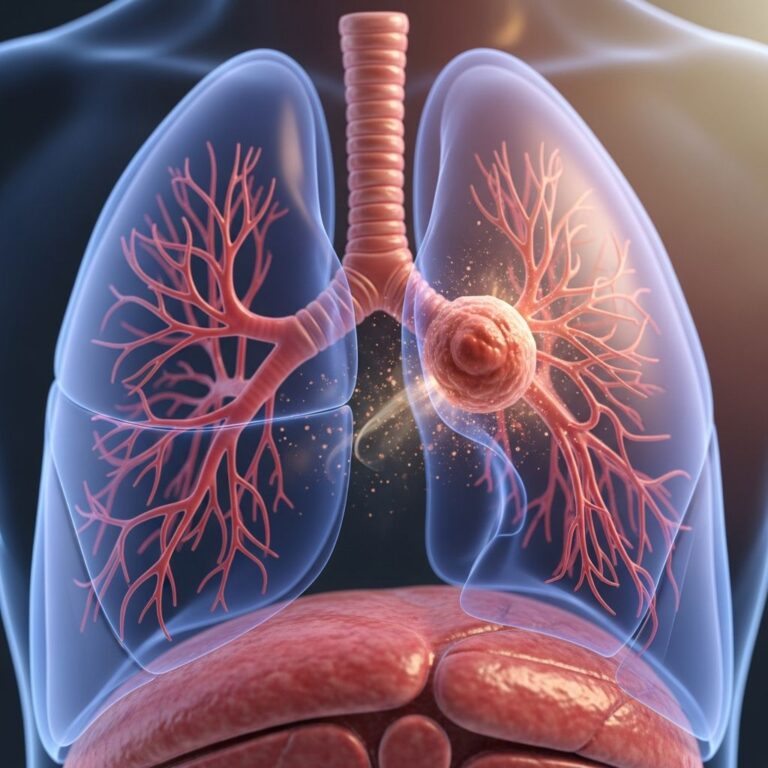
A sulfite allergy is an adverse reaction that occurs when individuals consume or come into contact with sulfites, which are chemical compounds commonly used as food preservatives and antioxidant additives in various industries. Sulfite sensitivity represents a significant health concern, particularly for people with asthma, affecting their quality of life and requiring careful dietary management. Understanding the symptoms, triggers, and management strategies is essential for anyone dealing with this condition.
What Are Sulfites and Where Are They Found?
Sulfites are chemical preservatives widely used in the food and pharmaceutical industries to maintain product freshness and prevent oxidation. These additives have been utilized for decades due to their effectiveness and apparent safety profile. However, their widespread use has led to increased recognition of adverse reactions in sensitive populations.
Sulfites appear in numerous everyday products, including:
- Dried fruits and vegetables
- Wine and beer
- Processed meats and seafood
- Condiments and sauces
- Medications and pharmaceutical products
- Baked goods and desserts
- Cosmetics and topical creams
In the United States, the FDA requires that foods containing detectable levels of sulfites be labeled accordingly, helping consumers identify and avoid these additives.
Prevalence of Sulfite Sensitivity
The prevalence of sulfite sensitivity varies across populations. Research indicates that approximately 1% of the general population experiences sulfite sensitivity, while 4% to 5% of people with asthma have some form of sulfite sensitivity. Some studies report higher rates among asthmatic subjects, with estimates ranging from 3% to 10% of asthmatics experiencing adverse reactions to these additives.
Certain groups face elevated risk, including steroid-dependent asthmatics, individuals with marked airway hyperresponsiveness, and children with chronic asthma. Interestingly, respiratory sensitivity to sulfites may be more common among women and children within the asthmatic population.
Common Symptoms of Sulfite Allergy
Symptoms of a sulfite allergic reaction can vary widely in severity and manifestation. The condition typically triggers reactions within 15 minutes of ingesting sulfites, though the intensity depends on individual sensitivity levels and the amount of sulfite exposure.
Respiratory Symptoms
- Wheezing or shortness of breath
- Coughing and sneezing
- Asthma attacks (in people with asthma)
- Difficulty breathing
- Bronchconstriction
Skin Reactions
- Hives and rashes
- Swelling of the mouth and lips
- Dermatitis or skin inflammation
- Flushing
- Urticaria (welts)
Gastrointestinal Symptoms
- Abdominal pain and cramping
- Diarrhea
- Nausea
Severe Reactions
In rare cases, sulfite exposure can lead to anaphylaxis, a life-threatening allergic reaction requiring immediate emergency medical attention. Anaphylactic symptoms include:
- Severe swelling of the face, mouth, tongue, and throat
- Drop in blood pressure
- Rapid or weak pulse
- Loss of consciousness
It is important to note that sensitive individuals may experience multiple symptom types simultaneously, with reactions manifesting across respiratory, skin, and gastrointestinal systems in various combinations.
Risk Factors and Who Is Most Vulnerable
While anyone can develop a sulfite allergy, certain populations face significantly elevated risk. People with asthma are substantially more likely to experience reactions to sulfites than those without asthma. Additionally, having other food allergies may increase your vulnerability to sulfite sensitivity.
Related Stories



Other risk factors include:
- History of allergic conditions
- Chronic respiratory conditions
- Steroid-dependent asthma
- Marked airway hyperresponsiveness
- Female gender (among asthmatic populations)
- Childhood asthma
- Occupational exposure to sulfites
Interestingly, people without asthma very rarely experience serious reactions to sulfites, though some non-asthmatic individuals may still develop mild symptoms.
Sulfites vs. Sulfa Drugs: Understanding the Difference
A common source of confusion is the distinction between sulfite allergies and sulfa drug allergies. These are distinctly different conditions affecting different pathways in the body. Sulfa drug allergies involve reactions to sulfonamide medications and antibiotics, while sulfite allergies involve reactions to food and beverage preservatives.
Someone with a sulfa drug allergy does not necessarily have a sulfite allergy, and vice versa. Understanding this distinction is crucial for proper diagnosis, treatment, and avoidance strategies.
Diagnosis of Sulfite Allergy
Diagnosing a sulfite allergy can be challenging because there is no reliable blood or skin test for sulfite allergy. Instead, healthcare providers rely on a combination of diagnostic approaches:
Medical History and Symptom Assessment
Your healthcare provider will review your symptoms, when they occur, and what foods or products trigger reactions. Keeping a detailed food and symptom diary can help identify patterns associated with sulfite exposure.
Challenge Testing
During a challenge test, an allergist administers small, incrementally increasing amounts of sulfite in liquid or capsule form while monitoring your response. If you experience a reaction, your provider measures lung function using a spirometer and has medication available to prevent progression to severe reactions.
Elimination Diet
Removing sulfite-containing foods for a period and monitoring symptom improvement can help confirm the diagnosis. If symptoms resolve and return after reintroducing suspected foods, sulfite sensitivity is likely.
Foods High in Sulfites
Being aware of high-sulfite foods is essential for managing this condition. While sulfite content varies by product and processing method, certain categories consistently contain higher levels:
| Food Category | Common High-Sulfite Examples |
|---|---|
| Beverages | Wine, beer, dried fruit juices, bottled lemon juice |
| Dried Fruits | Raisins, apricots, prunes, dried berries |
| Processed Meats | Sausages, bacon, deli meats, canned fish |
| Condiments | Pickles, relishes, vinegars, soy sauce |
| Baked Goods | Cookies, crackers, flour products |
| Vegetables | Dried or frozen potatoes, canned vegetables |
The FDA requires labeling when foods contain 10 ppm (parts per million) or more total sulfur dioxide. Always check product labels for sulfite-containing ingredients such as sulfur dioxide, sodium sulfite, sodium bisulfite, potassium bisulfite, and potassium metabisulfite.
Treatment and Management Strategies
Managing a sulfite allergy primarily involves avoiding foods, drinks, and medications that contain sulfites. With awareness and planning, most people can maintain quality of life while preventing adverse reactions.
Avoidance Strategies
- Read all food labels carefully, looking for sulfite-containing ingredients
- Ask about ingredients when dining at restaurants
- Request ingredient lists from food manufacturers
- Choose fresh foods over processed alternatives when possible
- Inform healthcare providers about your sulfite sensitivity when being prescribed medications
- Check cosmetics and topical medications for sulfite content
Medical Management
If you have a sulfite allergy, your healthcare provider might recommend:
- Anti-histamines for mild reactions
- Corticosteroids for inflammation and asthma symptoms
- Bronchodilators to ease respiratory symptoms
- Epinephrine auto-injectors for severe reactions or anaphylaxis risk
- Asthma action plans if you have concurrent asthma
Like other allergen management, preparedness is key. Keep medications readily accessible and ensure family members, caregivers, and colleagues understand your condition and emergency response procedures.
When to Seek Medical Attention
Contact a healthcare provider immediately if you experience:
- Severe or persistent symptoms after potential sulfite exposure
- Signs of anaphylaxis (severe swelling, difficulty breathing, drop in blood pressure)
- Asthma attack symptoms that don’t respond to your usual medications
- Symptoms you cannot identify or manage with your current protocol
Anaphylaxis is a medical emergency. Call emergency services or go to the nearest emergency room if you or someone around you experiences anaphylactic symptoms.
Living with Sulfite Sensitivity
While a sulfite allergy requires vigilance, many people successfully manage this condition by staying informed and proactive. Fortunately, with increasing awareness about sulfite-related reactions, these additives are becoming less common in food products than they were historically.
Building a support network, maintaining detailed food records, and working closely with your healthcare provider can significantly improve your ability to navigate dining, shopping, and social situations while protecting your health.
Frequently Asked Questions
Q: Can you develop a sulfite allergy later in life?
A: Yes, sulfite sensitivities can develop at any age. Some people may have consumed sulfites without problems for years before developing a sensitivity.
Q: Are sulfites in natural wines safer?
A: While natural wines typically contain lower sulfite levels than conventional wines, they still contain some sulfites naturally produced during fermentation, and sensitive individuals should exercise caution.
Q: Can sulfite sensitivity improve or resolve over time?
A: Sulfite sensitivity typically persists, though some individuals report decreased reaction severity when consistently avoiding sulfites. This is not a cure but rather improved tolerance through avoidance.
Q: Is there a difference between sulfite sensitivity and sulfite allergy?
A: Sensitivity and allergy are often used interchangeably for sulfites. True IgE-mediated allergies are rare, making most reactions technically sensitivities, though they can be equally serious.
Q: Can cooking or heating eliminate sulfites from food?
A: Cooking may reduce sulfite content somewhat, but most cooking methods do not completely eliminate sulfites, so sensitive individuals should still avoid high-sulfite foods.
References
- Adverse reactions to the sulphite additives — National Center for Biotechnology Information (NCBI). 2014. https://pmc.ncbi.nlm.nih.gov/articles/PMC4017440/
- Sulfite Allergy & Sensitivity: Symptoms, Tests & Treatments — Cleveland Clinic. 2024. https://my.clevelandclinic.org/health/diseases/11323-sulfite-sensitivity
- Sulfites – USA — Food Allergy Research & Resource Program (FARRP), University of Nebraska-Lincoln. 2024. https://farrp.unl.edu/farrp-resources/regulatory/sulfites-usa/
- Sulfa Allergies vs. Sulfite Allergies — Healthline. 2023. https://www.healthline.com/health/allergies/sulfa-sulfite
- What to Know About Sulfites in Wine — WebMD. 2023. https://www.webmd.com/diet/what-to-know-sulfites-in-wine
Similar Articles








Read full bio of medha deb