Sulforaphane Benefits: 7 Science-Backed Ways It Boosts Health
Unlock the power of sulforaphane: This broccoli sprout compound fights cancer, inflammation, and supports detoxification, heart, brain, and hormone health.
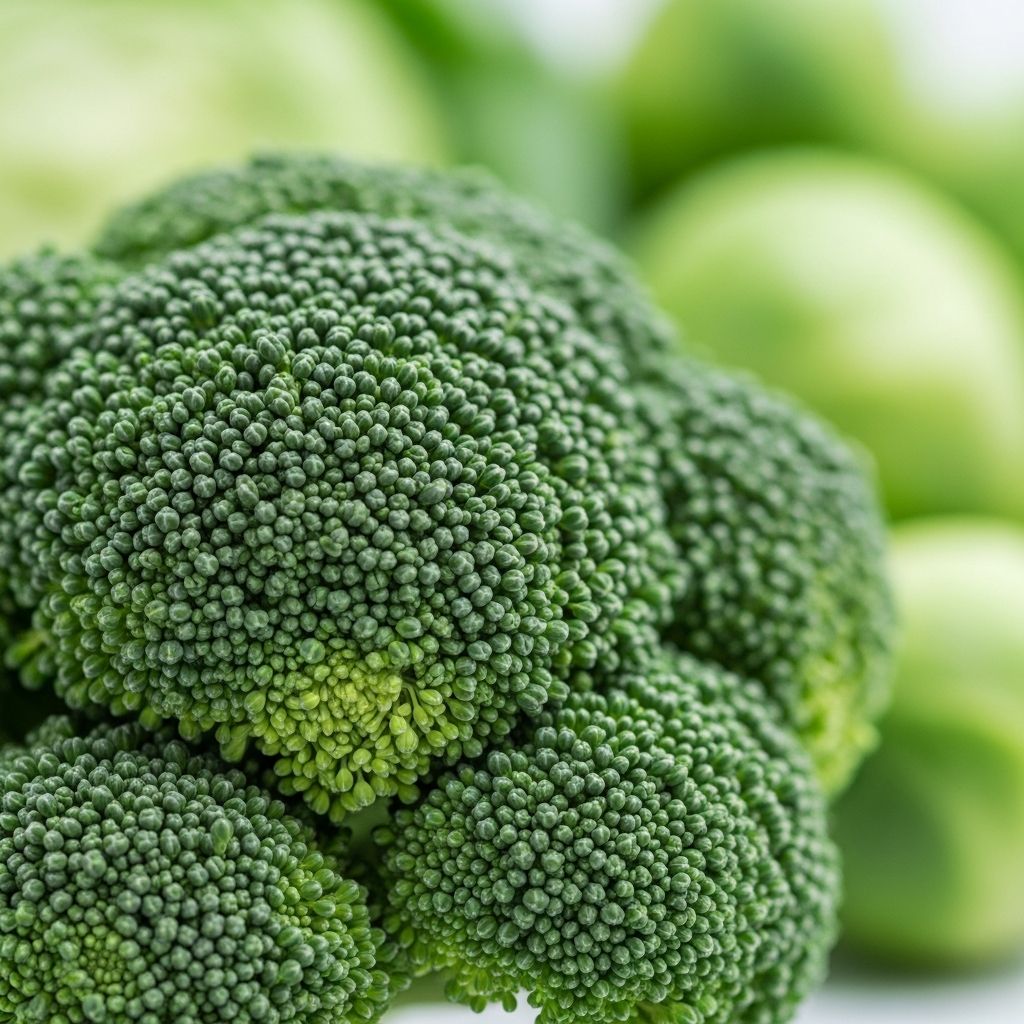
Sulforaphane is a powerful sulfur-containing compound found in cruciferous vegetables like broccoli, broccoli sprouts, Brussels sprouts, and kale. Formed when the enzyme myrosinase converts glucoraphanin upon chewing or chopping these vegetables, sulforaphane activates the Nrf2 pathway, boosting antioxidant defenses, reducing inflammation, and offering protection against chronic diseases including cancer, diabetes, and neurodegeneration.
What Is Sulforaphane?
Sulforaphane (SFN) is an isothiocyanate derived from glucoraphanin, a glucosinolate abundant in cruciferous vegetables from the Brassica family. This reaction requires intact plant cells; damage from chopping, chewing, or digestive processes releases myrosinase, hydrolyzing glucoraphanin into bioactive sulforaphane. Broccoli sprouts contain 10-100 times more glucoraphanin than mature broccoli, making them the richest source.
Once ingested, sulforaphane is rapidly absorbed, peaking in plasma within 1-3 hours. It induces phase II detoxification enzymes in the liver, enhances glutathione production—the body’s master antioxidant—and modulates pathways like NF-κB for anti-inflammatory effects. Animal and human studies highlight its role in disease prevention, though optimal dosing and long-term safety need further research.
7 Science-Backed Sulforaphane Benefits
Research demonstrates sulforaphane’s multifaceted benefits, primarily through Nrf2 activation, which upregulates over 200 protective genes against oxidative stress and inflammation.
1. Potent Antioxidant and Anti-Inflammatory Effects
Sulforaphane combats oxidative damage by elevating glutathione levels and phase II enzymes, neutralizing free radicals. It inhibits NF-κB, reducing pro-inflammatory cytokines like IL-6 and CRP. Clinical trials show cruciferous vegetable intake lowers inflammatory markers, with sulforaphane supplementation mimicking these effects in humans. These properties underpin its benefits across diseases.
2. May Help Prevent and Fight Cancer
Sulforaphane exhibits anticancer effects by inhibiting tumor proliferation, inducing apoptosis, and restoring chemotherapy sensitivity in models of breast, prostate, pancreatic, bladder, colon, liver, and leukemia cancers. It activates Nrf2 to detoxify carcinogens, protects DNA from damage, neutralizes toxins, and slows tumor growth. In animal studies, it reduced tumor size and improved survival; human trials, like one in breast cancer patients, halted cell growth. MD Anderson research emphasizes its role in reducing cancer risk via these mechanisms.
3. Boosts Liver Detoxification
Sulforaphane induces phase II detox enzymes, transforming toxins into excretable forms via the liver. It supports glutathione conjugation, crucial for eliminating carcinogens and heavy metals. Studies show enhanced detox capacity in humans consuming broccoli sprouts, protecting against environmental toxins.
4. Supports Heart Health
Sulforaphane reduces arterial inflammation, a heart disease precursor, and lowers blood pressure in rat models. It modulates lipid metabolism, suppresses inflammatory pathways, and activates Nrf2 for cardioprotection against hypertension, atherosclerosis, and ischemia-reperfusion injury. Human data suggest benefits, though more trials are needed.
5. Improves Blood Sugar Control and Fights Diabetes
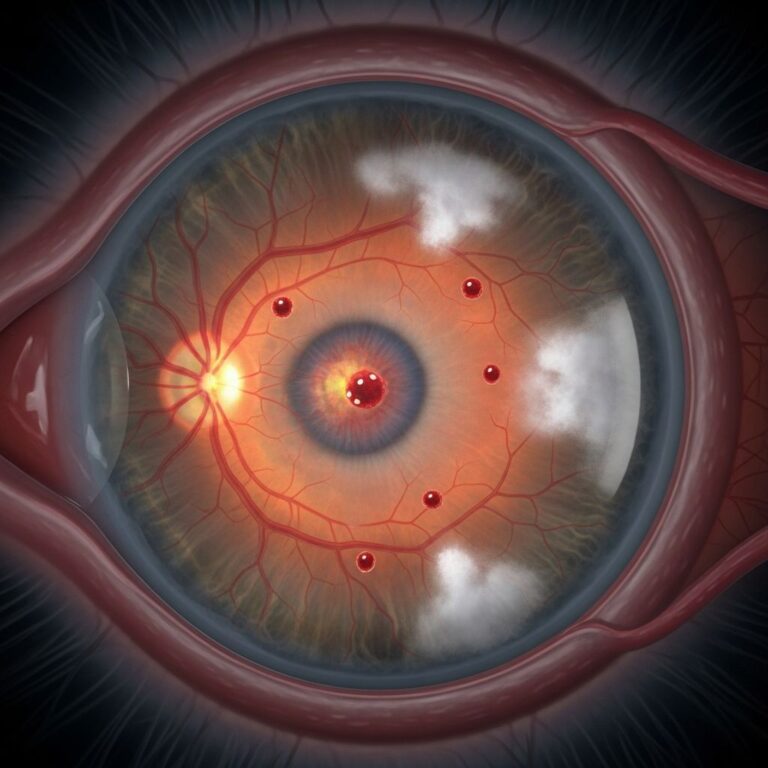
In a human study, sulforaphane reduced fasting blood sugar by 6.5% and HbA1c, especially in obese diabetics. Animal models show improved glucose tolerance, reduced fat accumulation, and protection against complications like retinopathy via Nrf2-enhanced antioxidants.
Related Stories



6. Enhances Brain and Mental Health
Sulforaphane offers neuroprotection by reducing brain inflammation, oxidative stress, and beta-amyloid plaques in Alzheimer’s models. It mitigates stroke damage, improves recovery post-brain injury, and alleviates autism symptoms like social interaction in clinical trials (50-150 µmol daily for 18 weeks). Mouse studies link it to lower stress hormones and HPA axis hyperactivity in depression/anxiety.
7. Promotes Hormone Balance and Other Benefits
Sulforaphane aids estrogen detoxification in phase II liver pathways, converting harmful metabolites to protective forms, potentially lowering breast cancer risk. It improves gut microbiome, bowel function, and constipation (20g broccoli sprouts daily). UV skin protection and anti-obesity effects via fat reduction are also noted.
How Sulforaphane Works: Key Mechanisms
Sulforaphane’s efficacy stems from Nrf2 activation, orchestrating antioxidant responses. It inhibits HDACs for epigenetic cancer protection, induces apoptosis via cell cycle arrest, and balances gut microbiota for overall health. These mechanisms explain its broad therapeutic potential.
Food Sources of Sulforaphane
- Broccoli Sprouts: Highest concentration (up to 1,500 mg/100g fresh weight).
- Broccoli: 10-100x less than sprouts; florets > stems.
- Brussels Sprouts, Cabbage, Kale, Cauliflower: Good sources when raw or lightly cooked.
To maximize sulforaphane, chop veggies 10 minutes before eating raw or steaming lightly—overcooking deactivates myrosinase. Sprouting boosts glucoraphanin 10-100 fold.
Sulforaphane Supplements
Broccoli seed extracts or stabilized sulforaphane (50-200 µmol doses) are available, bypassing food variability. Studies use sprout equivalents; consult doctors for interactions, especially with thyroid meds or anticoagulants. Safety is good short-term, but long-term data limited. Pregnant individuals should prioritize food sources.
Side Effects and Precautions
Generally safe, sulforaphane may cause mild GI upset at high doses. Those with hypothyroidism should monitor iodine intake, as goitrogens in raw cruciferous veggies can interfere. No major toxicities in studies, but start low with supplements.
Frequently Asked Questions (FAQs)
What foods are highest in sulforaphane?
Broccoli sprouts top the list, followed by broccoli, Brussels sprouts, and kale. Eat them chopped and raw for max activation.
Can sulforaphane cure cancer?
No, but it shows preventive and adjunctive benefits in studies by inhibiting growth and enhancing chemo.
Is sulforaphane safe during pregnancy?
Likely safe from foods; supplements need medical advice for hormone/detox effects.
How much sulforaphane per day?
Studies use 20-100g broccoli sprouts or 50-150 µmol supplements; no official RDA.
Does cooking destroy sulforaphane?
High heat kills myrosinase; light steaming preserves some, raw is best.
Research Gaps and Future Directions
While promising in preclinical and small human trials, large RCTs are needed for dosing, bioavailability, and disease-specific efficacy. Ongoing studies explore sulforaphane for autism, depression, and cancer adjunct therapy.
References
- Sulforaphane—A Compound with Potential Health Benefits for Disease Prevention and Treatment — PMC/NCBI. 2024. https://pmc.ncbi.nlm.nih.gov/articles/PMC10886109/
- 7 Science-Backed Benefits of Sulforaphane from Broccoli Sprouts — ORA Health. 2023. https://orahealth.com.au/blogs/articles/7-science-backed-benefits-of-sulforaphane-from-broccoli-sprouts
- Sulforaphane: Benefits, Side Effects, and Food Sources — Healthline. 2024. https://www.healthline.com/nutrition/sulforaphane
- Sulforaphane Benefits for Hormone Balance and Health — Dr. Brighten. 2023. https://drbrighten.com/sulforaphane-benefits-for-hormone-balance-and-health/
- How Broccoli and Brussels Sprouts May Help Reduce Your Cancer Risk — MD Anderson Cancer Center. 2020-01-15. https://www.mdanderson.org/cancerwise/sulforaphane-benefits–how-broccoli-and-brussels-sprouts-may-help-reduce-cancer-risk.h00-159781968.html
Similar Articles








Read full bio of Sneha Tete