Sulfur Burps: Causes, Symptoms, And Effective Remedies
Discover what causes foul-smelling sulfur burps, effective remedies, and when to seek medical help for digestive relief.
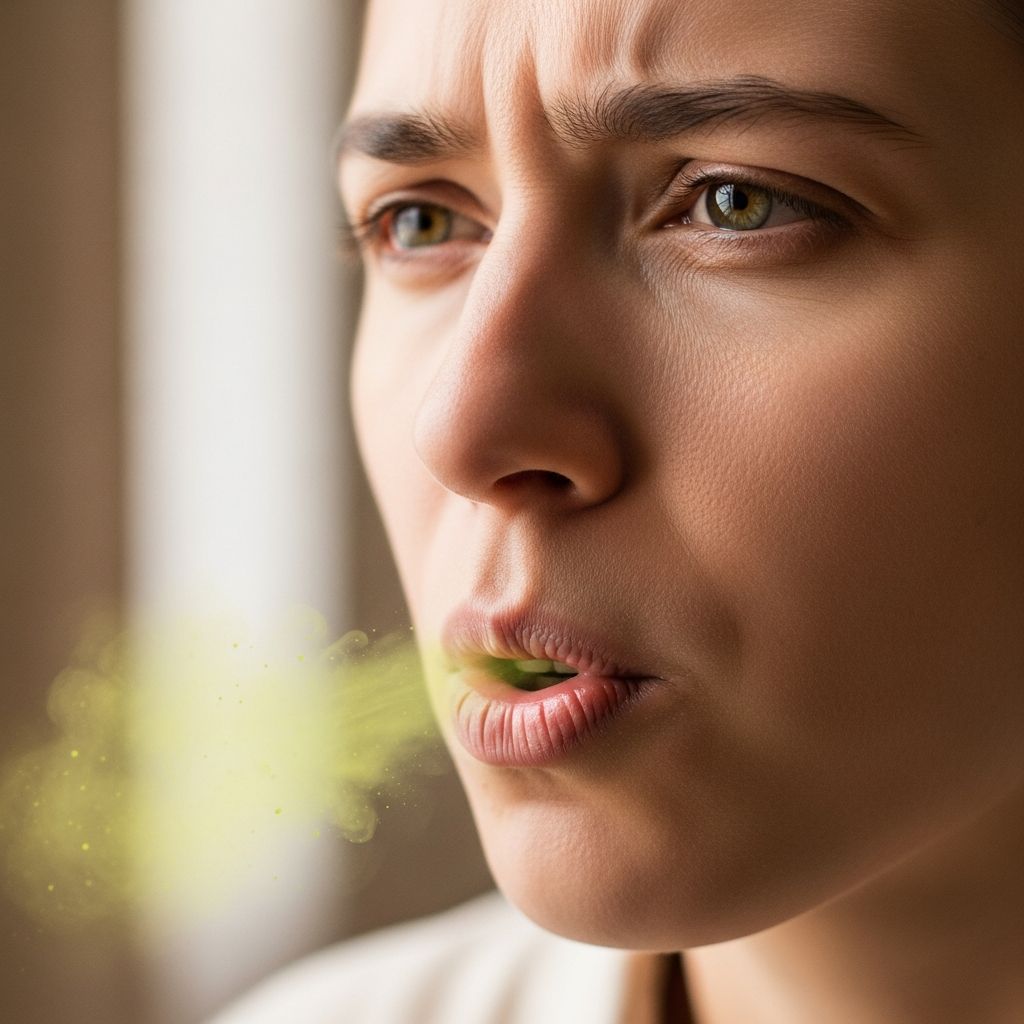
Sulfur burps, characterized by their distinctive rotten egg odor, occur when hydrogen sulfide gas builds up in the digestive tract. This gas forms as bacteria break down sulfur-containing foods or due to underlying gastrointestinal issues. While often harmless and linked to diet, persistent sulfur burps may signal infections, GERD, or other conditions requiring medical attention.
What Are Sulfur Burps?
Sulfur burps are belches that release gas smelling like rotten eggs from the stomach through the mouth. Normal burping happens 13-30 times daily to expel swallowed air or digestive gases, but sulfur burps stand out due to
hydrogen sulfide (H2S)
, produced when gut bacteria metabolize sulfur compounds.The foul smell arises specifically from H2S, a byproduct of protein digestion or bacterial overgrowth. Unlike regular burps, these can indicate dietary triggers or health problems like indigestion or infections.
Symptoms of Sulfur Burps
Beyond the unmistakable odor, sulfur burps may accompany:
- Bloating and abdominal discomfort
- Excessive gas or flatulence
- Nausea or vomiting in severe cases
- Diarrhea, especially with infections
- Heartburn or acid reflux sensations
These symptoms often resolve quickly but warrant monitoring if frequent.
Causes of Sulfur Burps
Several factors contribute to sulfur burp formation, ranging from everyday habits to medical conditions.
Dietary Triggers
Foods rich in sulfur compounds are primary culprits. Gut bacteria convert these into H2S during digestion.
- High-protein foods: Eggs, chicken, beef, fish, beans, legumes, cheese, and whole milk.
- Cruciferous vegetables: Broccoli, Brussels sprouts, cauliflower.
- Sugary foods: Feed sulfur-producing bacteria.
- Alcohol and dairy: Beer, milk products exacerbate gas.
Large meals or eating too quickly increase air swallowing and protein breakdown, worsening burps.
Lifestyle Factors
Behaviors promoting aerophagia (air swallowing) include:
- Drinking carbonated beverages
- Chewing gum or sucking candies
- Smoking or using straws
- Overeating or talking while eating
These habits trap air and gases in the stomach, leading to sulfur-scented releases.
Medical Conditions
Underlying issues disrupt digestion and promote H2S production:
- GERD and indigestion: Acid reflux allows gas buildup.
- Infections: H. pylori (causes bloating, heartburn), Giardia, or food poisoning bacteria produce sulfur gases.
- Intolerances: Lactose or fructose malabsorption ferments undigested sugars.
- GI disorders: IBS, IBD (Crohn’s, ulcerative colitis), gastritis, peptic ulcers, celiac disease.
Medications like Ozempic (for type 2 diabetes) can cause excessive gas as a side effect.
How to Get Rid of Sulfur Burps
Most cases resolve with simple changes; persistent ones need professional evaluation.
Home Remedies
Try these evidence-based approaches:
- Avoid trigger foods: Cut sulfur-rich items temporarily; use an elimination diet.
- Smaller meals: Eat slowly to reduce air intake and overload.
- Limit gas-producers: Skip soda, alcohol, gum.
- Apple cider vinegar: 1 tbsp in water before meals may balance gut bacteria (limited evidence).
- Baking soda: 1/2 tsp in water for heartburn relief, but consult a doctor due to GI risks.
Water, herbal teas (peppermint, ginger), and probiotics support digestion.
Over-the-Counter Options
| Medication | Use | Notes |
|---|---|---|
| Antacids (e.g., Tums) | Neutralize stomach acid | For GERD-related burps |
| Simethicone (Gas-X) | Break up gas bubbles | Reduces bloating |
| Pepto-Bismol | Coats stomach, fights bacteria | Helpful for infections |
| Lactase enzymes | Dairy intolerance | Prevents fermentation |
Medical Treatments
For infections: Antibiotics for H. pylori or Giardia. Prescription meds for GERD (PPIs), IBS therapies. Always diagnose first.
When to See a Doctor
Sulfur burps lasting over 1-2 days or with severe symptoms need prompt care:
- Severe abdominal pain, vomiting, diarrhea
- Weight loss, blood in stool
- Fever indicating infection
- No improvement with remedies
These may signal serious issues like ulcers, IBD, or gallbladder problems (though less common).
Prevention Tips
- Eat balanced, smaller portions mindfully.
- Stay hydrated; avoid carbonation.
- Manage stress to prevent IBS flares.
- Probiotics for gut health.
- Regular check-ups for chronic GI issues.
Frequently Asked Questions (FAQs)
Are sulfur burps a sign of food poisoning?
Yes, bacteria in foodborne illnesses produce sulfur gases. Seek medical help if vomiting or diarrhea occurs.
Do sulfur burps cause diarrhea?
Often, especially with GI infections disrupting the gut.
Can medications like Ozempic cause them?
Yes, as a side effect of increased gas production.
Are sulfur burps flammable?
No, H2S concentrations in burps are too low.
How long do sulfur burps last?
A few hours to days; persistent cases need evaluation.
Does milk help sulfur burps?
May soothe temporarily but doesn’t fix the cause; avoid if lactose intolerant.
Can gallbladder issues cause sulfur burps?
Not typically; more linked to indigestion or infections.
This comprehensive guide empowers you to address sulfur burps effectively. For personalized advice, consult a healthcare provider.
References
- What Causes Sulphur Burps and How To Stop Them — PharmEasy. 2023. https://pharmeasy.in/blog/what-causes-sulfur-burps-captioning-the-scientific-explanations/
- Sulfur burps: Remedies, treatment, and causes — Medical News Today. 2023-10-05. https://www.medicalnewstoday.com/articles/319392
- Sulfur Burps: Causes and Treatments — Healthline. 2023. https://www.healthline.com/health/sulfur-burps
- What are sulfur burps? Common causes and how to get rid of them — Oshi Health. 2024. https://oshihealth.com/sulfur-burps/
- Sulfur Burps: What Are They? — Colgate. 2023. https://www.colgate.com/en-us/oral-health/gastrointestinal-disorders/sulfur-burps-what-are-they
Similar Articles








Read full bio of medha deb