Eczema Advances 2025: New Biologics, JAKs, Topicals
Discover the groundbreaking eczema treatments and research from summer 2024 that are transforming lives for millions affected by atopic dermatitis.
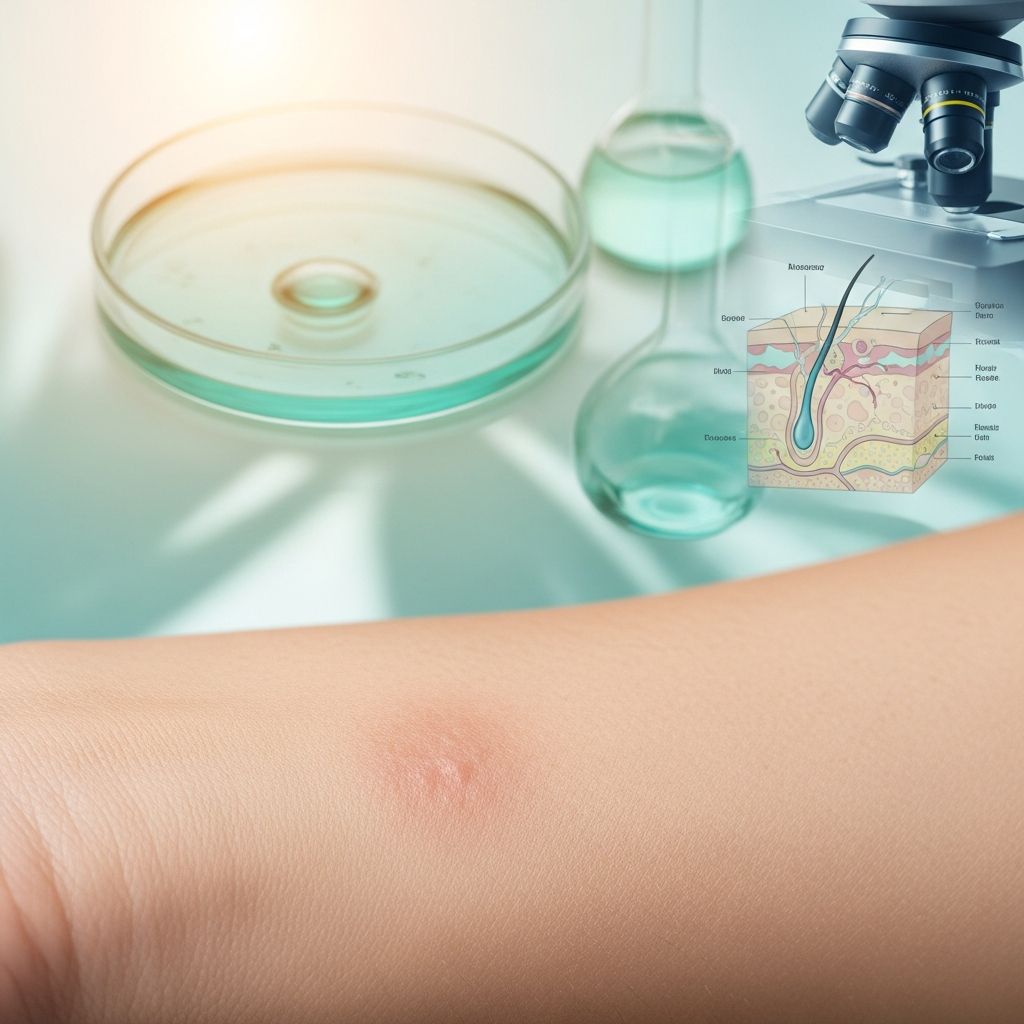
Atopic dermatitis, commonly known as eczema, affects millions worldwide, causing intense itching, inflammation, and disrupted daily life. Summer 2024 marked a pivotal moment with FDA approvals of innovative therapies that target itch, inflammation, and skin barrier issues without relying on traditional steroids. These developments, including the first itch-specific biologic and steroid-free creams, promise clearer skin and better quality of life for patients of all ages.
Breakthrough Biologics Targeting Core Symptoms
Biologics have redefined moderate-to-severe eczema care by precisely blocking inflammatory signals. Nemluvio (nemolizumab), approved in December 2024, stands out as the first treatment dedicated to combating the relentless itch driven by IL-31 cytokine. Clinical data shows rapid itch reduction, allowing patients to break the itch-scratch cycle that worsens flares.
Dupixent (dupilumab) continues as a cornerstone, now approved for infants as young as six months, blocking IL-4 and IL-13 pathways for broad inflammation control. Newer entrants like lebrikizumab match its efficacy in adults, per JAMA Dermatology analysis, offering alternatives for non-responders. Tralokinumab (Adbry) and others in the IL-13 class provide injectable options every two to four weeks, with real-world NHS adoption signaling their reliability.
- Nemluvio: IL-31 inhibitor; first for itch; injectable.
- Dupixent: IL-4/IL-13 blocker; gold standard for pediatrics and adults.
- Lebrikizumab: Comparable to Dupixent; recent peer-reviewed validation.
Non-Steroidal Topicals: Safe Long-Term Relief
Concerns over steroid side effects like skin thinning have driven demand for alternatives. Zoryve (roflumilast) cream 0.15%, a PDE4 inhibitor approved July 2024 for ages 6+, clears lesions with minimal irritation. Trials confirm efficacy in mild-to-moderate cases, ideal for face and sensitive areas.
Vtama (tapinarof) 1% cream, approved December 2024 for ages 2+, acts as an aryl hydrocarbon receptor agonist. Once-daily application reduces itch and inflammation, drawing from psoriasis success. Both enable prolonged use without atrophy risks, filling gaps for children and chronic management.
| Treatment | Mechanism | Age Approval | Key Benefit |
|---|---|---|---|
| Zoryve | PDE4 inhibitor | 6+ | No skin thinning |
| Vtama | AHR agonist | 2+ | Once-daily use |
JAK Inhibitors: Fast-Acting Oral and Topical Powerhouses
Janus kinase (JAK) inhibitors disrupt inflammatory enzymes, available as creams or pills. Opzelura (ruxolitinib) cream expanded in September 2025 to children 2-12, with TRuE-AD3 trial data showing 75% severity improvement sans serious risks. This non-steroidal option revolutionizes pediatric care.
Oral second-generation JAKs like abrocitinib and upadacitinib are NHS-approved for severe cases, while delgocitinib targets chronic hand eczema, pending 2025 rollout. Topical ruxolitinib and emerging dual inhibitors like cerdulatinib broaden access for mild flares.
Emerging Therapies on the Horizon
The pipeline bursts with over 70 candidates. Stem cell therapy using human chorionic mesenchymal stem cells (hcMSC) achieved EASI-50 in 57% of moderate-to-severe patients at 12 weeks, outperforming placebo with strong safety. OX40 antagonists like telazorlimab completed Phase 2, while itch reducers like vorapaxor and TRPV1 blockers advance.
Related Stories



Biomarker studies like BIOMAP personalize care, and head-to-head trials such as BEACON compare safety and cost. Microbiome modulators and barrier restorers signal holistic shifts.
Practical Management Strategies
Modern regimens combine therapies: topicals for mild flares, JAKs/biologics for severe. Expect topicals to improve in 2-4 weeks, JAKs similarly fast, biologics in 2-3 months. Daily moisturizers remain essential, alongside trigger avoidance.
- Assess severity with tools like EASI.
- Consult dermatologists for personalized plans.
- Monitor for infections; most new drugs show low risks.
Patient Outcomes and Real-World Impact
Clear or almost-clear skin is now realistic for most. These therapies enhance sleep, reduce anxiety, and boost productivity. Pediatric expansions address family burdens, with non-steroidals easing long-term fears.
Frequently Asked Questions (FAQs)
What is the newest eczema treatment?
Nemluvio, approved 2024, targets itch via IL-31.
Are there steroid-free options for kids?
Yes, Opzelura (2+), Zoryve (6+), Vtama (2+).
How quickly do biologics work?
Noticeable relief in weeks; full effect 2-3 months.
What’s in the eczema pipeline?
Stem cells, new JAKs, itch blockers, biomarkers.
Is Dupixent still recommended?
Yes, first-line biologic with vast safety data.
References
- New Eczema Treatments 2024-2025: A Revolution in Atopic Dermatitis Care — The Online GP. 2024. https://www.theonlinegp.com/blog/new-eczema-treatments-2024-2025-a-revolution-in-atopic-dermatitis-care
- Eczema Treatment Research Pipeline — National Eczema Society. 2024. https://eczema.org/research/national-eczema-society-and-research/eczema-treatment-research-pipeline/
- Promising stem cell therapy for atopic dermatitis — American Academy of Allergy, Asthma & Immunology (AAAAI). 2024. https://www.aaaai.org/tools-for-the-public/latest-research-summaries/the-journal-of-allergy-and-clinical-immunology/2024/stem
- Research – Eczema Therapies — Eczema Therapies. 2024. https://eczematherapies.com/research/
- Systemic Immunomodulatory Treatments for Atopic Dermatitis — JAMA Dermatology. 2024-07. https://jamanetwork.com/journals/jamadermatology/fullarticle/2821284
Similar Articles








Read full bio of Sneha Tete