Preparing Your Eyes for Summer: Essential Protection Guide
Shield your vision from summer's harmful rays with proven protection strategies.
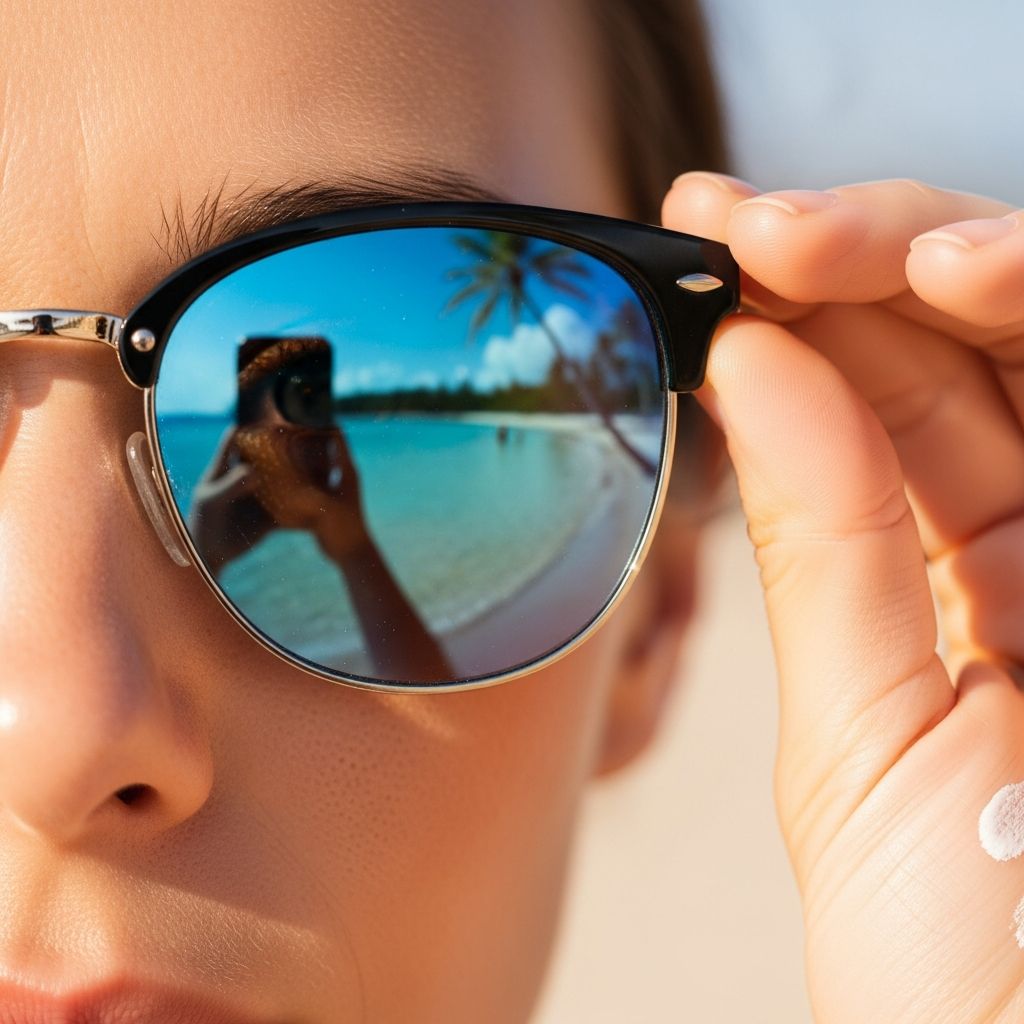
As temperatures rise and outdoor activities increase, your eyes face a heightened risk of damage from environmental factors. The summer season presents unique challenges to ocular health, from intense ultraviolet radiation to chlorinated water exposure and increased eye strain. Understanding these risks and implementing protective measures before the warm months arrive can significantly reduce your chances of experiencing eye discomfort or long-term vision complications. This comprehensive guide outlines the critical steps you should take to ensure your eyes remain healthy and comfortable throughout the summer.
Understanding Summer Eye Health Risks
Summer introduces a convergence of environmental stressors that can compromise eye health. The sun’s ultraviolet rays intensify during warmer months, and reflective surfaces such as water, sand, and concrete amplify this exposure. Additionally, increased outdoor recreation exposes your eyes to potential physical trauma, while swimming and water activities introduce chemical and microbial hazards. Understanding these specific threats allows you to develop a targeted protection strategy tailored to your lifestyle and activities.
Research indicates that eye injuries become significantly more common during summer due to expanded outdoor engagement in sports, water activities, gardening, and various recreational pursuits. The cumulative effect of these exposures, combined with reduced awareness among the general population, means that proactive preparation becomes essential rather than optional.
Shield Your Eyes with Comprehensive UV Protection
Ultraviolet radiation represents the most persistent threat to summer eye health. UV rays can penetrate the eye’s external structures and cause damage to both the cornea and the lens. Long-term exposure contributes to the development of cataracts, age-related macular degeneration, and other degenerative conditions that may not manifest symptoms until irreversible damage has occurred.
The foundation of UV protection involves selecting appropriate sunglasses. Look for eyewear that explicitly blocks 100% of UVA and UVB radiation, often labeled as “UV400” protection. Standard sunglasses without adequate UV protection can actually increase eye damage by dilating your pupils, allowing more unfiltered rays to enter the eye.
Key considerations when selecting protective eyewear include:
- Wraparound or oversized frame styles that prevent UV rays from entering around the edges
- Polarized lenses that reduce glare from reflective surfaces like water and pavement
- Gradient or photochromic lenses that adjust to varying light conditions throughout the day
- Durable construction capable of withstanding recreational activities and potential impact
Complementing sunglasses with a wide-brimmed hat provides an additional protective layer. Research shows that a hat with a 3-inch brim can block approximately half of the UVB rays that would otherwise reach your eyes and eyelids. This combination approach—sunglasses plus hat—creates a comprehensive shield against overhead and side-glare radiation.
Strategic Timing and Shade Management
UV radiation intensity fluctuates throughout the day, peaking during midday hours when the sun occupies a more direct position in the sky. Between 10 AM and 4 PM, UV exposure reaches its maximum intensity, presenting the greatest risk for acute eye damage and cumulative harm. During these peak hours, the sun’s rays have less atmosphere to penetrate, resulting in more concentrated and harmful radiation.
Related Stories



While avoiding outdoor activities entirely during these hours may not be practical for everyone, adjusting your schedule when possible significantly reduces exposure. If midday outdoor engagement becomes necessary, implement multiple protective strategies simultaneously: wear quality UV-blocking sunglasses, use a wide-brimmed hat, and take frequent breaks in shaded areas or indoors with UV-filtered windows.
When planning outdoor activities for summer, consider:
- Scheduling yard work, sports, and recreational activities for early morning (before 10 AM) or late afternoon (after 4 PM)
- Seeking shade under trees, umbrellas, or awnings during unavoidable midday exposure
- Carrying portable shade solutions such as compact umbrellas for beach or park visits
- Using UV-protective window treatments in vehicles and homes where you spend extended periods
Maintaining Optimal Eye Hydration
Summer heat and increased outdoor activity accelerate fluid loss from your body, directly affecting ocular lubrication. Dehydration manifests as dry, uncomfortable eyes, reduced tear production, and increased eye strain—particularly problematic for individuals who spend extended periods outdoors or wear contact lenses.
Proper hydration supports tear film stability, which protects the cornea and maintains clear vision. When dehydration occurs, tear production diminishes, leading to surface inflammation and visual disturbances that can persist even after rehydration. The challenge intensifies during summer when environmental heat, air conditioning exposure, and chlorine or salt water contact all contribute to moisture depletion.
Strategic hydration practices should include:
- Consuming adequate water throughout the day, particularly during and after outdoor activities (aim for half your body weight in ounces daily as a baseline)
- Limiting caffeinated and sugary beverages that can increase fluid loss through diuretic effects
- Using artificial tears or rewetting drops formulated for contact lens wearers if applicable
- Increasing water intake during exercise, swimming, or prolonged sun exposure
- Monitoring urine color as an indicator of hydration status—pale yellow suggests adequate hydration
Beyond water consumption, incorporating foods with high water content—such as watermelon, cucumbers, and citrus fruits—provides supplemental hydration while delivering beneficial eye-supporting nutrients.
Safe Swimming and Water Activity Practices
Water-based recreation poses distinct challenges to eye health through chemical irritation and microbial contamination. Swimming pools utilize chlorine and other disinfectant chemicals that effectively eliminate pathogens but simultaneously irritate ocular tissues. Natural water bodies harbor bacteria, algae, and parasites that can establish infections, particularly in individuals with compromised ocular surface barriers or contact lens wear.
Essential water safety measures include:
- Wearing protective swim goggles during all water activities to create a physical barrier between eyes and contaminants
- Removing contact lenses before swimming, as they can trap water and microorganisms against the cornea
- Rinsing eyes with fresh water immediately after swimming to remove chlorine and salt water residue
- Avoiding submersion of the face in natural water bodies when possible, or using full-face snorkel equipment with built-in eye protection
- Waiting at least 15 minutes after swimming before reinserting contact lenses to allow proper tear film reformation
UV radiation also reflects intensely off water surfaces, requiring additional protection during aquatic activities. Even when wearing swim goggles, the surrounding eye area and eyelids remain exposed to reflected UV rays. Consider wearing a water-resistant hat or cap during extended swimming sessions, and reapply UV-protective sunscreen around the eyes before and after water exposure.
Nutritional Support for Eye Health
Summer’s abundance of fresh produce provides an ideal opportunity to enhance nutritional support for ocular health. Specific vitamins and minerals strengthen the eye’s natural defense mechanisms against UV damage and oxidative stress. Antioxidants such as vitamins C and E help neutralize harmful free radicals generated by sun exposure, while lutein and zeaxanthin—carotenoid pigments concentrated in the macula—provide photoprotection within the retina.
Optimal summer eye health nutrition should emphasize:
- Leafy greens (spinach, kale, collards) rich in lutein and zeaxanthin
- Colorful fruits and vegetables (tomatoes, bell peppers, zucchini, peaches, melon) delivering vitamins C and E
- Fatty fish and plant-based sources of omega-3 fatty acids that support retinal function and tear film stability
- Seeds and nuts providing vitamin E and selenium for antioxidant protection
- Orange and yellow vegetables (carrots, sweet potatoes) containing beta-carotene precursors to vitamin A
These foods not only support eye health but also contribute to overall wellness during seasons of increased activity and heat exposure.
Protecting Eyes During Yard Work and Outdoor Projects
Summer renovation and landscaping projects introduce mechanical hazards that can cause serious eye injuries. Debris ejected by mowers, trimmers, and power tools travels at high velocity and can cause corneal abrasions, hyphema (blood in the anterior chamber), or even penetrating eye injuries that threaten permanent vision loss. Statistics indicate that protective eyewear reduces eye injury risk by 90% in occupational and recreational settings.
Before beginning any yard work or home improvement project:
- Clear the work area of loose debris, rocks, and objects that could become airborne
- Wear impact-resistant protective eyewear with side protection—wraparound or sports-specific designs work best
- Choose polycarbonate or trivex lenses that provide superior impact resistance compared to standard plastic or glass
- Ensure adequate visibility by adjusting lighting and clearing obstacles from your work path
- Take regular breaks to prevent eye strain and fatigue that can impair focus and safety awareness
Managing Sunscreen Application Near the Eyes
Sunscreen application requires careful technique, as chemical formulations can sting and irritate sensitive ocular tissues. Approximately 5-10% of skin cancers occur on the eyelids, yet most people neglect this vulnerable area during sun protection routines. This creates a significant health gap that requires deliberate attention.
Rather than spraying sunscreen in the facial region where it can drift into eyes, apply it carefully by hand to the surrounding areas. Mineral-based sunscreens containing zinc oxide or titanium dioxide represent superior options for the eye area, as they create a physical barrier rather than absorbing into skin and potentially irritating ocular tissues. Stick-format mineral sunscreens adhere to skin without melting into eyes during sweating or water exposure.
If accidental sunscreen exposure occurs, immediately flush the eye with fresh water for several minutes. Avoid rubbing, which can increase irritation, and remove contact lenses if worn. If irritation persists beyond a few minutes, seek professional eye care evaluation.
Addressing Seasonal Allergies Affecting the Eyes
Summer allergies trigger histamine release in ocular tissues, resulting in itching, redness, watering, and inflammation. Pollen counts typically peak during early morning and late afternoon hours, meaning allergy sufferers benefit from timing outdoor activities for midday hours when pollen concentrations diminish. This creates an interesting counterpoint to UV protection strategies—while UV intensity peaks at midday, pollen concentrations decrease, requiring individualized scheduling based on personal allergy severity.
Management strategies for summer eye allergies include:
- Using over-the-counter antihistamine eye drops to reduce inflammation and itching (consult eye care professionals before starting new medications)
- Keeping windows closed and using air conditioning with clean filters during high pollen periods
- Removing and cleaning contact lenses more frequently during allergy season
- Wearing wraparound sunglasses to provide a physical barrier against airborne allergens
- Scheduling outdoor activities for times when personal pollen sensitivity is lowest
Scheduling Preventive Eye Examinations
Comprehensive eye examinations conducted by optometrists or ophthalmologists provide essential baseline assessments and early detection of conditions that may not produce noticeable symptoms. Many serious eye conditions—including cataracts, macular degeneration, and glaucoma—develop gradually without obvious signs until substantial damage has occurred. Regular examinations catch these conditions in early stages when treatment remains most effective.
Summer represents an ideal time to schedule preventive eye care, allowing professionals to:
- Assess cumulative UV exposure and recommend individualized protection strategies
- Evaluate contact lens fit and discuss water exposure precautions
- Screen for early signs of cataracts or other sun-related conditions
- Update eyeglass or contact lens prescriptions if summer activities cause visual changes
- Discuss nutritional and behavioral modifications to optimize eye health
Summary of Essential Summer Eye Protection Strategies
| Protection Strategy | Primary Benefit | Implementation Timeline |
|---|---|---|
| UV-blocking sunglasses (100% UV or UV400) | Prevents photokeratitis and long-term UV damage | Wear every outdoor activity |
| Wide-brimmed hat (3+ inch brim) | Blocks approximately 50% of UVB rays | Wear during extended outdoor time |
| Avoid peak sun hours (10 AM – 4 PM) | Reduces UV intensity exposure by up to 50% | Schedule activities before/after |
| Adequate hydration (≥8 glasses water daily) | Maintains tear production and comfort | Throughout day, especially during activity |
| Protective eyewear during yard work | Reduces injury risk by 90% | Every outdoor project |
| Swim goggles and no contact lenses in water | Prevents chemical and microbial infection | All swimming activities |
| Antioxidant-rich diet | Strengthens natural eye defenses | Ongoing nutritional practice |
Frequently Asked Questions About Summer Eye Care
Can UV damage occur on cloudy days?
Yes. Clouds reduce but do not eliminate UV radiation. Approximately 80% of UV rays penetrate cloud cover, meaning protective measures remain necessary even during overcast conditions. This makes consistent use of UV-protective sunglasses essential regardless of apparent sun intensity.
Are contact lenses safe during summer swimming?
Contact lenses should not be worn while swimming or in water. Water organisms can become trapped between the lens and cornea, establishing infections that may cause serious complications. Remove contact lenses before any water exposure and replace them only after rinsing eyes with fresh water and allowing adequate tear film reformation.
How can I tell if my sunglasses provide adequate UV protection?
Look for labeling indicating 100% UV protection or UV400 certification. If unsure, eye care professionals can test sunglasses with specialized equipment to verify UV blocking capabilities. Price does not correlate with UV protection—adequate protection is available at all price points.
What should I do if I get sunscreen or bug spray in my eyes?
Immediately flush your eyes with fresh, clean water for several minutes. Avoid rubbing, which increases irritation. If discomfort persists beyond 10-15 minutes, remove any contact lenses and seek professional eye care evaluation. Applying mineral-based sunscreen carefully by hand rather than spraying significantly reduces accidental exposure risk.
Do children require different eye protection than adults?
Children require the same level of UV protection as adults but may benefit from additional precautions. Children’s eyes allow more UV radiation to penetrate deeper structures, and their reduced awareness of safety practices increases risk. Ensure children wear quality protective eyewear, hats, and understand water safety practices.
Conclusion: Proactive Protection for Summer Vision
Summer eye health depends on implementing multiple protective strategies before warm months arrive. UV radiation, water exposure, outdoor activities, and heat-related dehydration collectively threaten ocular comfort and long-term vision. By combining comprehensive UV protection, strategic hydration, safe swimming practices, proper nutrition, and regular professional eye care, you can enjoy summer activities while maintaining eye health. The vision loss that results from cumulative sun damage and untreated eye conditions cannot always be reversed, making prevention the most effective long-term strategy. Begin your summer eye protection routine today, and maintain these practices throughout the season for optimal results.
References
- 8 Tips to Keep Your Eyes Safe This Summer — Delta Medical Eye Institute. 2024. https://www.dmei.org/blog/8-tips-to-keep-your-eyes-safe-this-summer/
- 9 Great Summer Vision Tips to Keep Your Eyes Safe — ADV Vision Centers. 2024. https://www.advvisioncenters.com/blog/9-great-summer-vision-tips-to-keep-your-eyes-safe/
- Summer Eye Health: Questions and Answers for Healthy Vision — VSP Direct. 2024. https://www.vspdirect.com/blog/article/summer-eye-health-questions-and-answers-for-healthy-vision
- Summer Eye Safety: Protecting Your Vision in the Massachusetts Sun — Boston Vision. 2024. https://www.bostonvision.com/summer-eye-safety-protecting-your-vision-in-the-massachusetts-sun/
- Your Guide to Summer Outdoor Eye Protection — Minnesota Eye Consultants. 2024. https://www.mneye.com/summer-eye-protection-guide/
- Summer Eye Protection Tips from Pittsburgh’s Top Specialists — Change Eye Group. 2024. https://changeyegroup.com/summer-eye-protection-tips-from-pittsburghs-top-specialists/
- Summer Eye Safety Tips — VSP Vision Benefits. 2024. https://visionbenefits.vsp.com/summer-safety-eye-tips.html
Similar Articles








Read full bio of Sneha Tete