Sun Allergy and Photosensitivity: Complete Guide
Understanding sun allergies and photosensitivity: causes, symptoms, and treatment options.
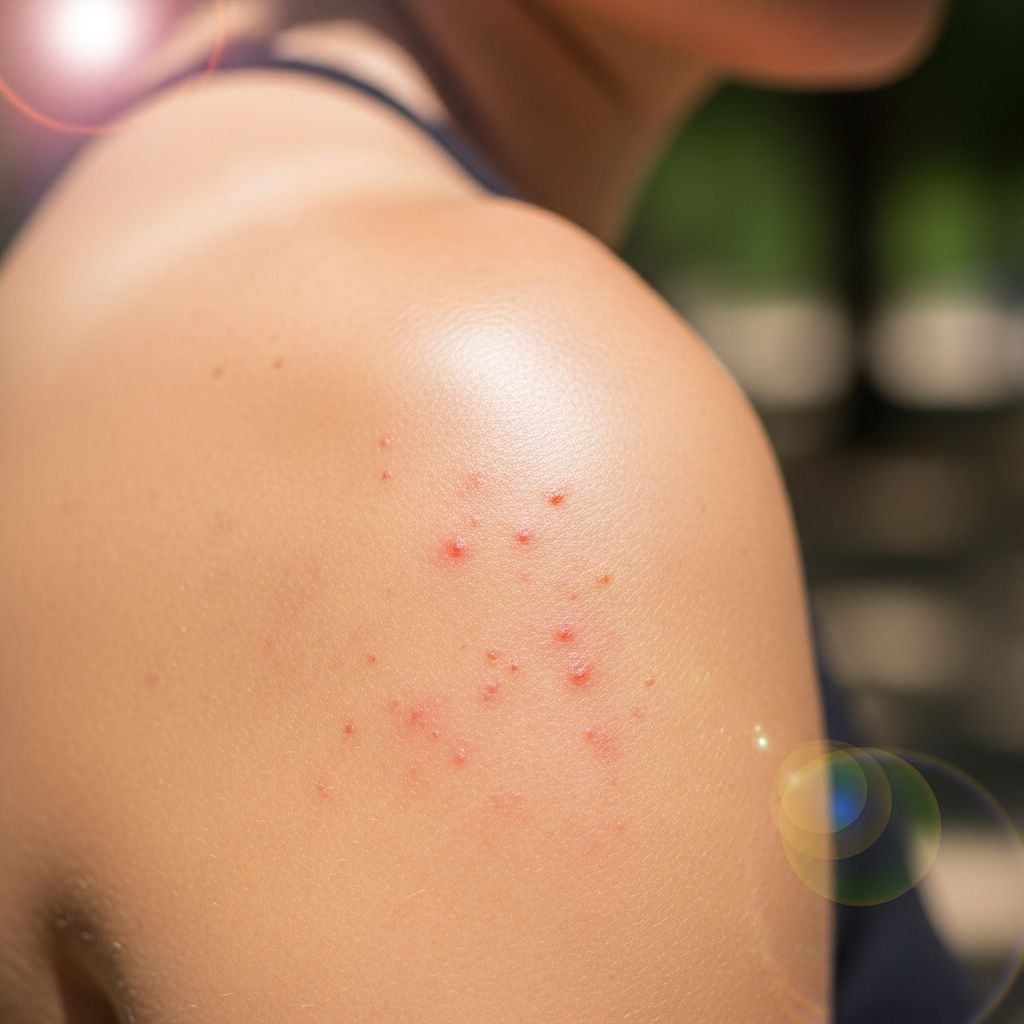
Understanding Sun Allergy and Photosensitivity
Sun allergy, medically known as photosensitivity or photoallergic eruption, represents an abnormal immune system reaction triggered by exposure to ultraviolet (UV) radiation from the sun or artificial light sources. Unlike typical sunburn, which affects most people with sufficient UV exposure, sun allergies occur only in certain sensitive individuals and can be triggered by even brief moments of sun exposure. This condition affects approximately 20 percent of people in the United States and manifests as various uncomfortable skin reactions ranging from mild rashes to severe blistering.
The fundamental difference between sun allergy and regular photosensitivity lies in the mechanism of reaction. Photosensitivity, sometimes referred to as a sun allergy, is an immune system reaction that is triggered by sunlight, occurring when the immune system recognizes changes in sun-exposed skin and identifies some components as “foreign,” subsequently activating its immune response to fight against them. This protective mechanism, while designed to defend the body, actually creates the symptoms people experience.
Types of Photosensitivity Reactions
Understanding the specific type of photosensitivity reaction is crucial for determining appropriate treatment strategies. Medical professionals recognize two primary categories of photosensitive reactions, each with distinct mechanisms and characteristics.
Phototoxic Reactions
Phototoxic reactions represent the more common form of photosensitivity and occur more rapidly in response to sun exposure, typically manifesting within a few hours of exposure. In phototoxic reactions, a photosensitizing drug or chemical becomes activated by UV rays from the sun, causing a direct toxic effect on the skin. This reaction is more predictable and dose-dependent, meaning that higher exposures to both the offending substance and UV radiation typically produce more severe reactions. The skin response resembles an exaggerated sunburn, with redness, inflammation, and potential blistering occurring at the site of exposure.
Photoallergic Reactions
Photoallergic reactions involve a more complex immune mechanism and typically develop more slowly than phototoxic reactions. In photoallergic responses, UV exposure alters the structure of a drug or chemical on the skin, causing the immune system to view it as an antigen and thereby activating an allergic response. These reactions usually develop 24 to 72 hours after sun exposure and can affect areas of skin that have not been directly exposed to the sun, distinguishing them from phototoxic reactions. Photoallergic reactions tend to be less predictable and can persist even after the offending substance is removed.
Polymorphous Light Eruption
Polymorphous light eruption (PLE) represents another significant form of photosensitivity that may be inherited. This condition is characterized by an itchy eruption on patches of sun-exposed skin and can vary considerably in appearance between individuals and even between episodes in the same person. Some people may inherit a genetic tendency to develop these reactions, explaining why certain families experience higher rates of sun sensitivity.
Solar Urticaria
Solar urticaria is a distinct photosensitivity condition where exposure to sunlight triggers an immediate allergic response, producing hives and intense itching. This condition can be particularly challenging to manage, as reactions may occur within minutes of sun exposure and can be severely uncomfortable.
Causes and Risk Factors
Multiple factors contribute to the development of sun allergies and photosensitivity. Understanding these risk factors helps individuals identify whether they might be susceptible to these conditions.
Medications That Increase Photosensitivity
Certain medications significantly increase the risk of developing photosensitivity reactions. Antibiotics represent among the most common photosensitizing drugs, with a wide range of antibiotic classes capable of triggering reactions. Specific medications known to cause photosensitivity include:
- Antibiotics such as Bactrim and other sulfonamides
- Tricyclic antidepressants used for mood disorders and chronic pain
- Acne medications including tretinoin and isotretinoin
- Antihistamines used for allergies
- Diuretics prescribed for hypertension and fluid management
- Anti-arrhythmic drugs used to treat irregular heartbeat
- Common over-the-counter medications like ibuprofen
- Birth control pills and hormone therapies
- Nonsteroidal anti-inflammatory drugs (NSAIDs)
For patients taking rheumatoid arthritis (RA) medications specifically, photosensitivity represents a noteworthy side effect that requires special attention during summer months when sun exposure increases.
Underlying Medical Conditions
Certain systemic diseases inherently increase photosensitivity. Systemic lupus erythematosus (SLE) causes more serious skin reactions to sunlight and represents one of the most significant medical causes of photosensitivity. Additionally, specific types of porphyrias, genetic disorders affecting heme production, can cause severe photosensitivity reactions. Skin conditions including rosacea, eczema, and psoriasis also tend to increase sun sensitivity and accelerate skin barrier deterioration.
Topical Products and Chemicals
Photoallergic reactions can be triggered by substances applied directly to the skin. Common culprits include aftershave lotions, certain sunscreens, fragrances, cosmetics, and various skin care products. Notably, substances that cause photoallergy are capable of doing so only after the person has been exposed to both the substance and sunlight, as sunlight is what makes the substance capable of triggering photoallergy. This explains why some individuals develop reactions to previously tolerated products during seasons of increased sun exposure.
Genetic and Environmental Factors
Genetic predisposition plays a significant role in sun allergy development. Some individuals are genetically predisposed to having a weaker skin barrier and experiencing increased sun sensitivity. Environmental factors including pollution, extreme temperatures, and low humidity can negatively impact the skin barrier and increase photosensitivity risk. Prolonged or intense sun exposure and regular tanning bed use can also damage the skin barrier and increase sensitivity over time.
Symptoms and Diagnosis
Recognizing symptoms of photosensitivity is essential for prompt identification and management of the condition. Symptoms typically appear on sun-exposed areas of the body and may vary depending on the type of photosensitivity reaction.
Common Symptoms
Photosensitivity usually causes sunburn-like symptoms when a person is exposed to natural or artificial sunlight. Characteristic manifestations include:
- Itchy bumps, blisters, or hives on sun-exposed skin
- Painful sunburn-like rashes appearing within hours to days of exposure
- Redness and inflammation of affected skin areas
- Intense itching and burning sensations
- Skin scaling or peeling
- In severe cases, systemic symptoms such as fever or malaise
It is important to note that reactions may appear differently on different skin types, and individuals with darker skin tones may experience less visible but equally uncomfortable reactions.
Medical Diagnosis
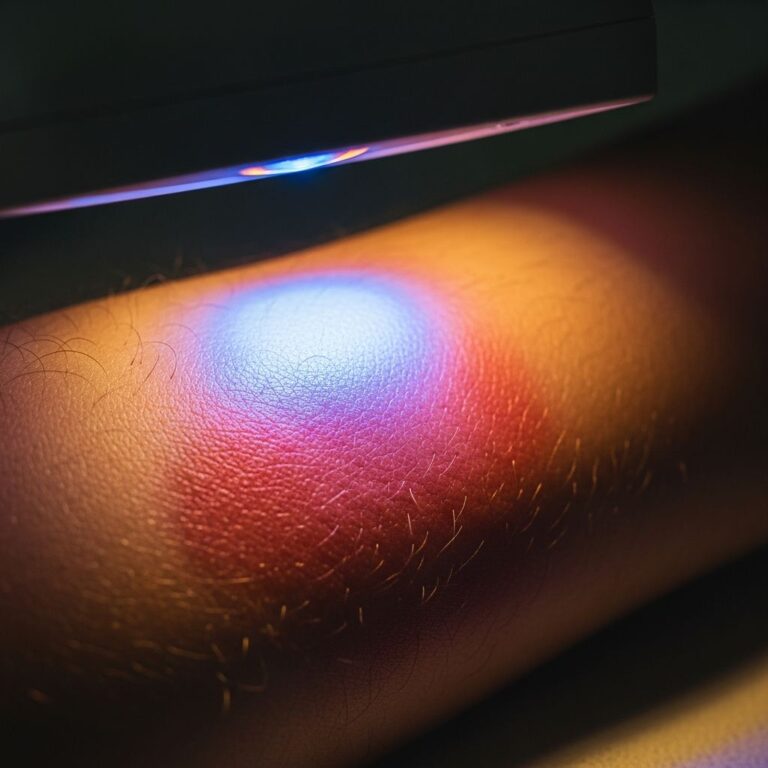
The diagnosis of photosensitivity is usually based on a doctor’s evaluation, including patient history, timing of reactions relative to sun exposure, and physical examination of affected skin areas. A healthcare provider will typically inquire about recent medication changes, new topical products, underlying medical conditions, and family history of sun sensitivity. Some specialists may perform phototesting, where controlled doses of UV radiation are applied to the skin to reproduce the reaction and confirm diagnosis. In cases of suspected photoallergy, patch testing combined with UV exposure may help identify the specific offending substance.
Prevention Strategies
Preventing photosensitivity reactions requires a multi-faceted approach combining sun avoidance, protective measures, and lifestyle modifications. The most important step toward treating photosensitivity is to identify whether an external substance is causing the reaction and eliminate it if possible.
Sun Protection and Avoidance
The primary prevention strategy involves limiting sun exposure, particularly during peak UV hours between 10 a.m. and 4 p.m. when UV radiation is most intense. Practical sun protection measures include:
- Applying broad-spectrum sunscreen with SPF 30 or higher daily
- Wearing protective clothing including long sleeves, pants, and wide-brimmed hats
- Using UV-blocking sunglasses to protect the eyes
- Seeking shade whenever possible during outdoor activities
- Avoiding reflection from water, sand, and snow, which can intensify UV exposure
Medication Management
If photosensitivity is medication-related, consult with your healthcare provider about potential alternatives. Many photosensitizing medications have non-photosensitizing counterparts that may be equally effective. Never discontinue prescribed medications without medical guidance, as the underlying condition may require treatment. Instead, work with your healthcare team to find an appropriate alternative or to implement enhanced sun protection strategies if medication changes are not feasible.
Lifestyle and Dietary Modifications
Certain lifestyle changes can help manage photosensitivity. Avoiding known triggers such as certain medications or topical products reduces reaction risk. Managing stress through relaxation techniques and regular exercise supports overall skin health. Eating a balanced diet rich in antioxidants and omega-3 fatty acids provides nutritional support for skin barrier function.
Natural and Proposed Treatments
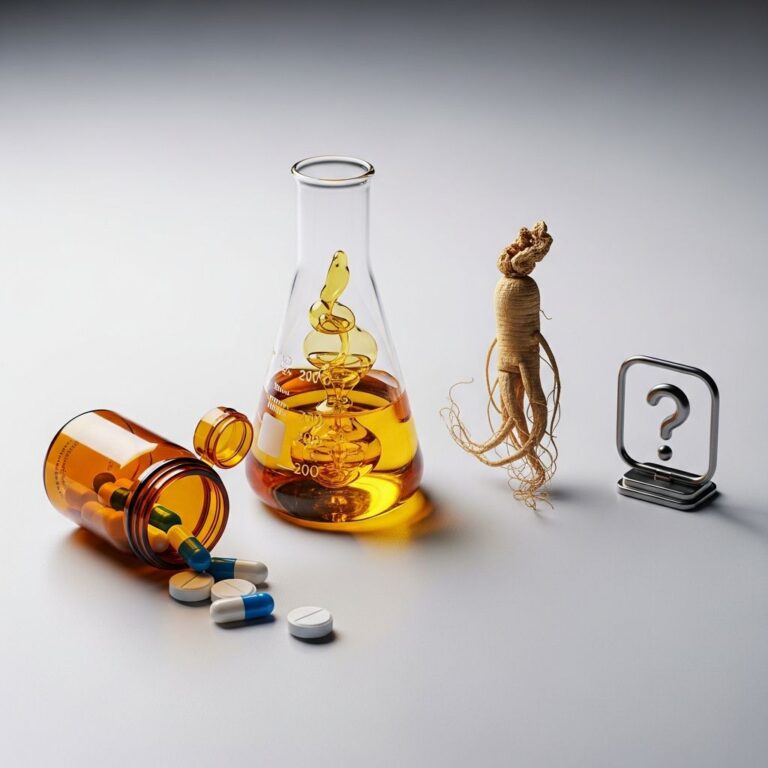
While evidence for natural treatments remains mixed, several substances have been proposed to help manage photosensitivity. A key proposed natural treatment is beta-carotene, a pigment found in colorful fruits and vegetables, known for its potential to convert to vitamin A in the body and possibly mitigate skin damage caused by sunlight. However, evidence remains mixed, with conflicting results across trials.
Other proposed natural treatments include adenosine monophosphate, chocolate, coriander oil, epigallocatechin gallate from green tea, nicotinamide, vitamins B6 and C, vitamin E, fish oil, vitamin B3, Rhodiola rosea, and Huangqi. While these substances have theoretical benefits, most lack robust clinical evidence supporting their efficacy in treating photosensitivity.
Medical Treatment Options
For persistent or severe photosensitivity, various medical treatments are available depending on the specific type of reaction.
Topical Treatments
Corticosteroids applied directly to affected skin can reduce inflammation and itching associated with photosensitivity reactions. These medications work best when applied promptly after symptoms appear and provide relief from acute symptoms within hours to days of use.
Systemic Medications
Oral medications offer more comprehensive management for widespread or recurring reactions. Corticosteroids taken by mouth provide systemic anti-inflammatory effects beneficial for severe reactions. Hydroxychloroquine, an antimalarial medication, has demonstrated effectiveness in treating polymorphous light eruption and photosensitivity caused by systemic lupus erythematosus, working through mechanisms that reduce immune system overreactivity to UV exposure.
Antihistamines
For solar urticaria and other allergic photosensitivity reactions, histamine H1-receptor blockers (antihistamines) can provide symptomatic relief by reducing itching and hive formation.
Advanced Therapies
Solar urticaria can be difficult to treat with standard approaches, but doctors may try omalizumab, a medication that may help decrease allergic responses in the body. For polymorphous light eruption, some people can be desensitized to the effects of sunlight by gradually increasing their exposure to UV light under medical supervision, a process called hardening. Ultraviolet light therapy under controlled medical conditions may help build tolerance in photosensitive individuals by gradually acclimating the skin to UV exposure in a safe, monitored setting.
Course and Prognosis
The course of photosensitivity varies considerably depending on the underlying cause and individual factors. For photosensitivity reactions caused by medications or topical products, stopping the offending substance typically results in resolution of symptoms. Most photosensitivity reactions resolve without specific treatment once sun exposure is avoided and the triggering agent is eliminated. However, conditions such as polymorphous light eruption and solar urticaria may persist chronically, requiring ongoing management strategies.
When to Seek Medical Attention
Consult a healthcare provider if you experience persistent or severe skin reactions after sun exposure, reactions that do not improve with standard sunburn care, widespread blistering or systemic symptoms accompanying skin reactions, or uncertainty about whether your symptoms represent photosensitivity. A dermatologist can provide accurate diagnosis, identify specific triggers, and recommend personalized treatment strategies.
Frequently Asked Questions
Q: How is sun allergy different from regular sunburn?
A: Sun allergy or photosensitivity involves an immune system reaction to UV exposure, occurring only in sensitive individuals and sometimes triggered by medications or underlying conditions. Regular sunburn affects most people with sufficient UV exposure and represents direct skin damage rather than an immune response.
Q: Can sun allergy be cured?
A: Photosensitivity caused by medications typically resolves when the offending drug is discontinued. However, inherited forms and conditions like polymorphous light eruption and solar urticaria may require ongoing management rather than cure, though symptoms can be effectively controlled with appropriate strategies.
Q: Is sun allergy hereditary?
A: Yes, some forms of sun allergy appear to be inherited. Scientists have found evidence that genetic predisposition influences sun allergy development, which explains why certain families experience higher rates of photosensitivity.
Q: What should I do if I suspect medication is causing my sun sensitivity?
A: Contact your prescribing physician immediately. Do not stop taking medications without medical guidance, as the underlying condition may require continued treatment. Your doctor can discuss alternative medications with less photosensitizing potential or recommend enhanced sun protection strategies.
Q: Can phototherapy treat photosensitivity?
A: Controlled exposure to certain frequencies of UV light under medical supervision can sometimes help build tolerance in photosensitive individuals, though this approach is typically reserved for specific types of photosensitivity such as polymorphous light eruption and requires careful monitoring.
References
- Rheumatoid Arthritis Medications and Sun Exposure: What Your Patients Should Know — Rheumatology Advisor. 2024. https://www.rheumatologyadvisor.com/news/rheumatoid-arthritis-medications-and-sun-exposure-what-your-patients-should-know/
- Photosensitivity Reactions — Merck Manuals. 2024. https://www.merckmanuals.com/home/skin-disorders/sunlight-and-skin-damage/photosensitivity-reactions
- Natural Treatments for Photosensitivity — EBSCO Health. 2024. https://www.ebsco.com/research-starters/complementary-and-alternative-medicine/natural-treatments-photosensitivity
- Sun Sensitivity (Photosensitivity) and Eczema — MyEczemaTeam. 2024. https://www.myeczemateam.com/resources/eczema-and-sun-allergies
- The Connection Between Sun Sensitivity and a Compromised Skin Barrier — Codex Labs. 2024. https://www.codexlabscorp.com/blogs/skincare/the-connection-between-sun-sensitivity-and-a-compromised-skin-barrier
- Sun Allergies and How to Prevent Them — Ochsner Health. 2024. https://blog.ochsner.org/articles/sun-allergies-and-how-to-prevent-them/
- Benefits of Sunlight: A Bright Spot for Human Health — PubMed Central. National Center for Biotechnology Information. 2007. https://pmc.ncbi.nlm.nih.gov/articles/PMC2290997/
Similar Articles








Read full bio of Sneha Tete