Sun Poisoning Symptoms: Signs You’ve Had Too Much Sun
Learn the warning signs of sun poisoning and how to protect your skin from excessive sun exposure.
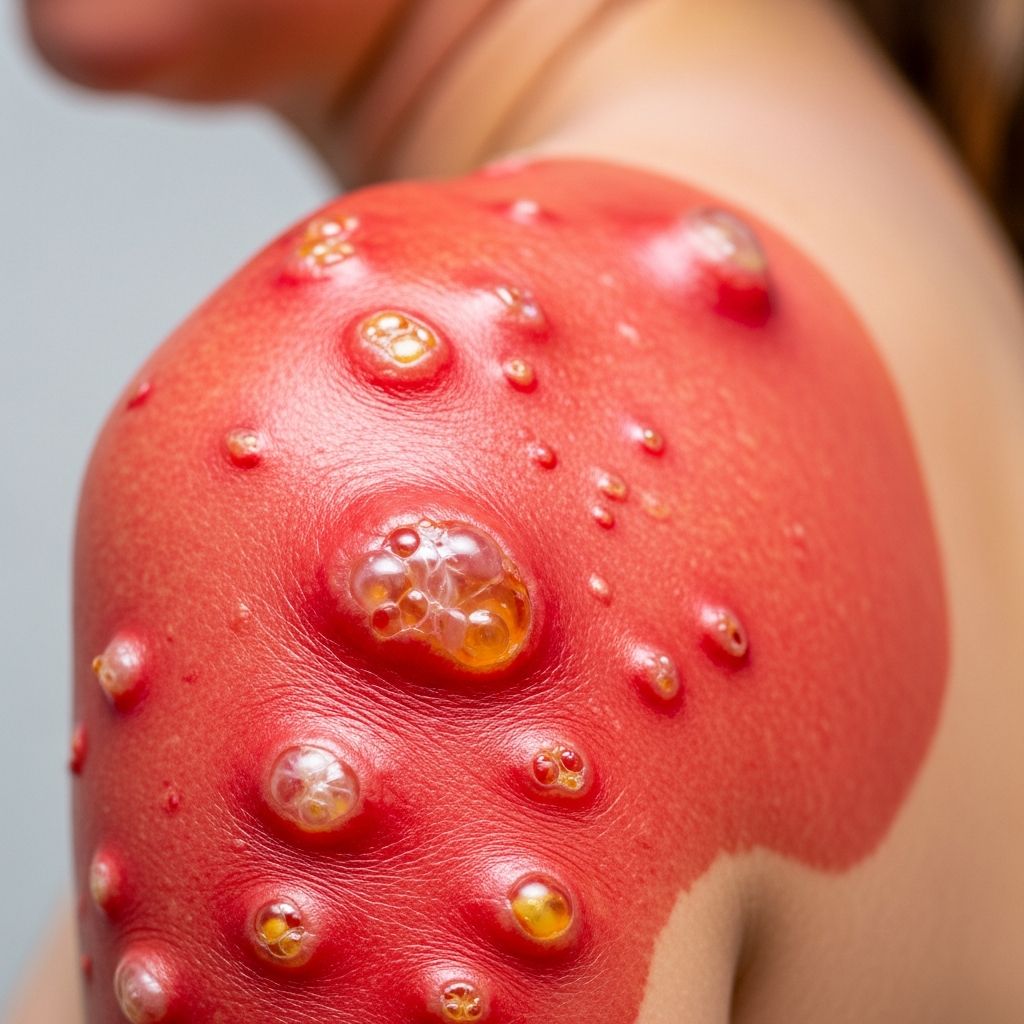
Sun poisoning is a colloquial term that describes an extreme sunburn severe enough to cause systemic symptoms that make you feel genuinely ill. While not a formal medical diagnosis, sun poisoning represents a significant level of ultraviolet (UV) damage to your skin that extends beyond simple redness or peeling. Understanding the symptoms, causes, and prevention strategies can help you protect your health and recognize when medical attention is necessary.
What Is Sun Poisoning?
Sun poisoning is not actually a type of poisoning in the traditional sense. Rather, it describes an intense sunburn that triggers more severe symptoms than a typical sunburn. The condition occurs when your skin receives excessive exposure to ultraviolet radiation from the sun or artificial sources like tanning beds. This overwhelming UV exposure causes acute inflammation and systemic reactions that can make you feel unwell, distinguishing sun poisoning from ordinary sunburns that primarily cause localized skin redness and discomfort.
The term “sun poisoning” is often used interchangeably with severe sunburn, though it can also refer to actual allergic reactions to sunlight, which are considerably rarer. Regardless of the specific cause, sun poisoning represents a medical condition that warrants attention and appropriate care.
Recognizing Sun Poisoning Symptoms
Sun poisoning symptoms typically appear more severe than those associated with ordinary sunburn. These symptoms usually develop within a few hours of sun exposure, though the exact presentation varies depending on the severity of the UV damage and individual sensitivity. Recognizing these warning signs is crucial for determining whether you need medical intervention.
Common Physical Symptoms
The physical manifestations of sun poisoning extend beyond typical sunburn discomfort. The following symptoms commonly occur:
- Blistering or peeling skin and lips
- Severe rash covering affected areas
- Intense, persistent pain
- Significant swelling of the affected skin
- Painful or gritty sensation in the eyes
- Bright red skin that feels hot to the touch
Systemic Symptoms
Beyond skin-related issues, sun poisoning triggers systemic symptoms that affect your overall well-being. These symptoms often result from dehydration, as the severe burn draws fluid away from the rest of your body to address the skin damage:
- Dehydration and excessive thirst
- Dizziness and lightheadedness
- Nausea and vomiting
- Fever and chills
- Headache
- Confusion or difficulty concentrating
- Shortness of breath
- Fainting or loss of consciousness
These systemic symptoms indicate that your body is struggling to cope with the extent of the UV damage and fluid loss. The combination of skin damage and dehydration creates a condition that genuinely makes you feel ill, which is why the term “sun poisoning” resonates with those who experience it.
Timeline of Symptoms
Understanding when sun poisoning symptoms appear helps you identify the condition early. Most symptoms do not develop immediately upon sun exposure. Instead, pain and skin color changes typically begin appearing several hours after sun exposure and reach peak intensity approximately 24 hours later. This delayed onset can make it difficult to recognize severe sun damage immediately after sun exposure.
Related Stories



While mild sunburn symptoms may fade within a few days, some signs of severe sun poisoning, particularly peeling skin, can persist for several weeks. This extended timeline underscores the importance of proper treatment and protection during the healing process.
When to Seek Medical Attention
Not all sunburns require professional medical evaluation, but sun poisoning definitely warrants consultation with a healthcare provider. Knowing when to contact your primary care physician or seek emergency care can prevent complications and ensure appropriate treatment.
Signs Requiring Doctor’s Attention
Contact your primary care provider if you experience any of the following symptoms:
- Bright red skin with widespread distribution
- Oozing blisters that appear infected
- Fever (temperature above 100.4°F or 38°C)
- Intense pain unrelieved by over-the-counter medications
- Feeling extremely cold despite fever
- Severe headache
- Persistent nausea or vomiting
- Signs of dehydration despite drinking fluids
- Confusion or altered mental state
- Shortness of breath or difficulty breathing
These symptoms indicate that you require professional medical evaluation to rule out complications and receive appropriate treatment recommendations.
Home Treatment Strategies
While awaiting medical evaluation or managing mild to moderate sun poisoning, several home care strategies can help alleviate symptoms and support healing:
Immediate Relief Measures
- Take cool (not cold) baths or showers to reduce skin temperature and provide immediate relief
- Apply aloe vera gel or fragrance-free moisturizer to soothe burned skin
- Drink plenty of water and electrolyte-containing beverages to combat dehydration
- Take over-the-counter pain relievers such as ibuprofen or acetaminophen as directed on the package
- Avoid further sun exposure until the skin has completely healed
- Wear loose, soft clothing to minimize irritation of burned areas
- Keep burned skin moisturized throughout the day and night
These self-care measures can significantly improve comfort and support your body’s natural healing processes. However, they should not replace professional medical evaluation if symptoms are severe.
Sun Poisoning Prevention Strategies
Preventing sun poisoning is far more effective than treating it after the fact. Multiple prevention strategies work together to reduce your risk of excessive UV exposure and subsequent sun damage.
Protective Clothing and Accessories
One of the most effective prevention methods involves wearing ultraviolet protection factor (UPF) clothing designed to block UV rays:
- Wear long sleeves and long pants when spending extended time outdoors
- Choose wide-brimmed hats (at least 3 inches all around) to shade your face, ears, and neck
- Wear UV-protective sunglasses that block 99-100% of UVA and UVB rays
- Select dark-colored clothing, which provides better UV protection than light colors
- Choose thicker fabrics that provide more effective sun blocking
Sunscreen Application
Proper sunscreen use is fundamental to sun protection. Follow these guidelines for maximum effectiveness:
- Use broad-spectrum sunscreen that protects against both UVA and UVB rays
- Choose a sunscreen with an SPF (Sun Protection Factor) of at least 30
- Apply sunscreen generously to all exposed skin areas
- Reapply sunscreen every two hours, or immediately after swimming or excessive sweating
- Apply sunscreen 15 minutes before going outside to allow it to fully bond with your skin
Timing and Location Strategies
The timing and location of your outdoor activities significantly influence your sun exposure risk:
- Avoid spending extended time in the sun during peak hours (10 a.m. to 4 p.m.) when UV rays are strongest
- If outdoor activities are necessary during peak hours, seek shade whenever possible
- Plan outdoor activities for early morning (before 10 a.m.) or late afternoon (after 4 p.m.)
- Spend more time indoors during peak sun hours
- Seek shade under umbrellas, trees, or structures when outdoors during midday
Understanding Related Conditions
Several conditions resemble sun poisoning or are related to excessive sun exposure. Understanding these distinctions helps ensure proper identification and treatment.
Heat Rash vs. Sun Poisoning
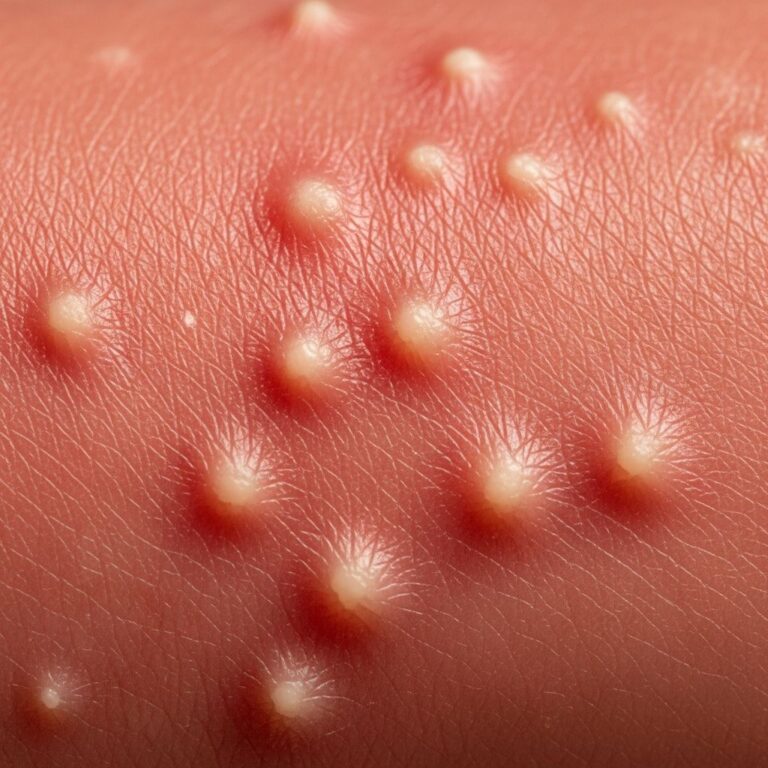
While sun poisoning can cause a rash, it differs from heat rash. Heat rash develops when sweat becomes trapped in skin pores and glands, causing irritation that results in an itchy, pimply appearance. Heat rash is particularly common in babies and adults living in humid climates. Unlike sun poisoning, heat rash is not caused by UV damage and typically responds to cooling measures and moisture reduction.
Polymorphous Light Eruption (PMLE)
PMLE is an actual allergic reaction to sunlight that some people experience. The skin rash typically appears several hours after sun exposure and may include small red bumps, larger red patches, and occasionally blisters. Less common symptoms include fever, headache, and nausea. PMLE treatment primarily involves sun avoidance and protection, with the rash often clearing within a few days. Some individuals experience decreased sensitivity over time with repeated sun exposure.
Solar Urticaria
This sun allergy causes hives—raised, red, itchy, or burning bumps—within minutes of sunlight exposure. The rash may disappear quickly or persist for several hours, rarely lasting more than a day. Severe cases affecting large skin areas can trigger headache, nausea, vomiting, and breathing problems. Treatment includes antihistamines and protective measures.
Long-Term Health Implications
Repeated sun poisoning or severe sunburns have significant long-term health consequences. Each sunburn represents DNA damage to skin cells, and accumulated sun damage accelerates skin aging and substantially increases your risk of developing skin cancer, including melanoma. This makes sun prevention not merely a comfort issue but a critical health priority.
Frequently Asked Questions
Q: How long does sun poisoning last?
A: Symptoms typically peak around 24 hours after sun exposure. While mild symptoms may fade within a few days, more severe symptoms like peeling skin can persist for several weeks.
Q: Can sun poisoning cause permanent damage?
A: While most acute symptoms resolve, repeated sun poisoning increases skin cancer risk and accelerates skin aging. Prevention is essential to avoid cumulative damage.
Q: Is sun poisoning the same as sunstroke?
A: No. Sun poisoning refers to severe sunburn with systemic symptoms, while sunstroke (heat stroke) is a life-threatening condition caused by overall body overheating rather than UV damage specifically.
Q: Can children get sun poisoning?
A: Yes. Children have more delicate skin and may be more susceptible to sun damage. Extra protection is crucial during childhood years.
Q: What SPF sunscreen is best?
A: Use broad-spectrum sunscreen with SPF 30 or higher. SPF 30 blocks 97% of UVB rays, while SPF 50 blocks 98%. The difference is minimal, so consistent application matters more than SPF number.
Q: Can you get sun poisoning on cloudy days?
A: Yes. UV rays penetrate clouds, so sun protection is necessary even on overcast days.
References
- Sun Poisoning Symptoms: When to Get Help — Blue Cross Blue Shield of Michigan. 2025. https://bcbsm.mibluedaily.com/stories/prevention/sun-poisoning-symptoms-when-to-get-help
- Sun Poisoning: Symptoms and Treatment — WebMD. 2024. https://www.webmd.com/skin-problems-and-treatments/sun-poisoning
- Sunburn and Sun Safety — American Academy of Dermatology Association. https://www.aad.org/public/everyday-care/sun-protection
- UV Radiation and Health Effects — Centers for Disease Control and Prevention. https://www.cdc.gov/cancer/skin/uvradiation.htm
- Sunscreen and Photoprotection — American Academy of Dermatology. https://www.aad.org/public/everyday-care/sun-protection/sunscreen
Similar Articles








Read full bio of medha deb