Sun Poisoning Symptoms: Essential Treatment & Prevention Tips
Recognize severe sunburn signs like blisters, fever, and nausea, and learn essential treatments and prevention strategies.
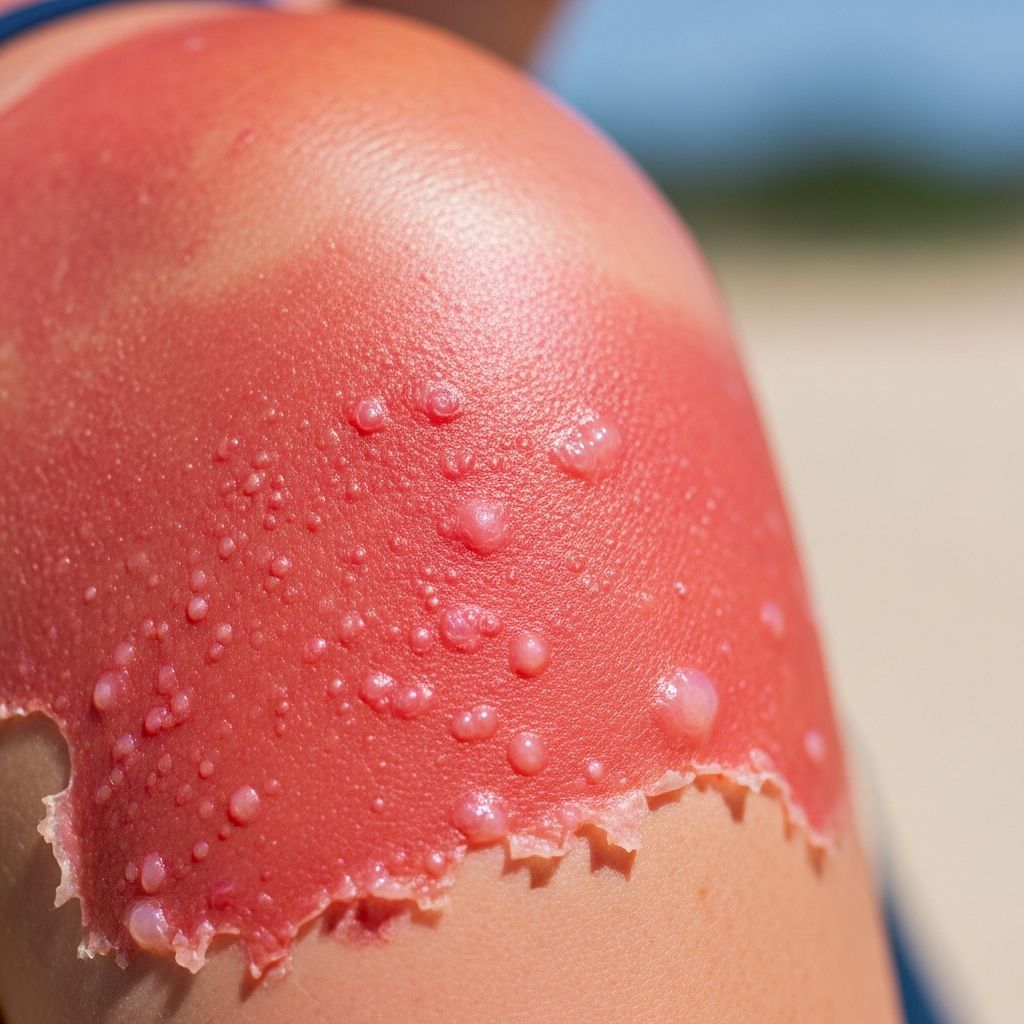
Sun poisoning refers to a severe form of sunburn that goes beyond typical skin redness and pain, often mimicking an allergic reaction with systemic symptoms like fever, nausea, and dehydration. Unlike mild sunburns, which primarily affect the skin, sun poisoning can lead to significant health risks if not addressed promptly.
What Is Sun Poisoning?
Sun poisoning is not a formal medical diagnosis but a colloquial term for extreme sunburn caused by prolonged exposure to ultraviolet (UV) rays from the sun or tanning beds. It results in intense skin damage, fluid loss, and inflammatory responses that affect the entire body. The skin’s top layers burn, leading to blistering and peeling, while dehydration exacerbates symptoms like dizziness and headache.
This condition is more common in individuals with fair skin, those who forget sunscreen, or people spending extended time near reflective surfaces like water or snow. Multiple episodes increase long-term risks, including premature aging and skin cancer.
Sun Poisoning Symptoms
Symptoms of sun poisoning typically appear 4-24 hours after excessive sun exposure and can range from skin-specific issues to full-body reactions. Early signs include hot, red skin, but severe cases escalate quickly.
- Severe skin reactions: Blistering, peeling, swelling, or a painful rash on exposed areas.
- Pain and tenderness: Intense burning sensation, making touch unbearable.
- Systemic symptoms: Fever, chills, headache, nausea, vomiting, dizziness, or confusion due to dehydration.
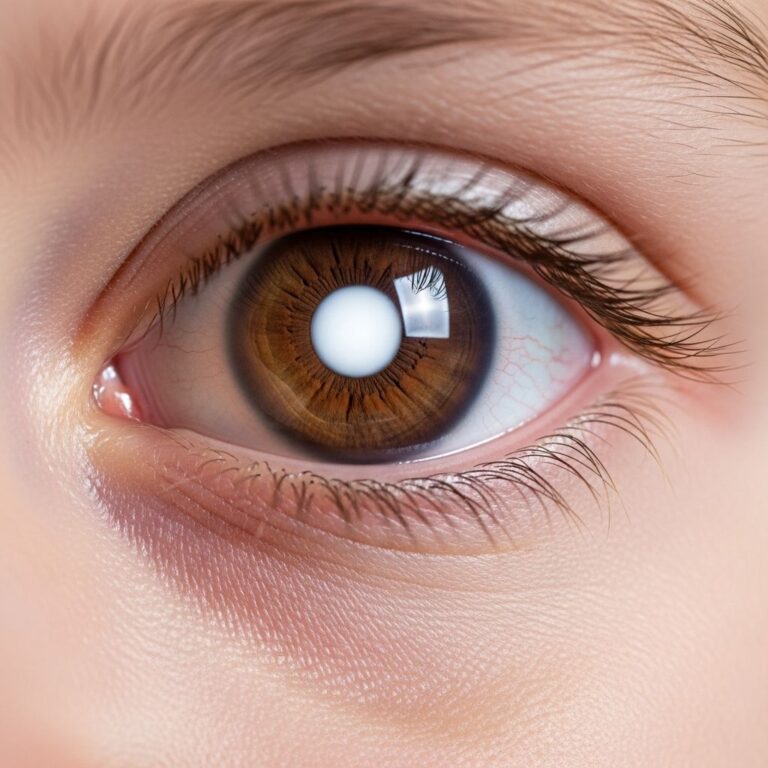
- Eye and lip issues: Gritty, painful eyes or blistered lips.
- Other signs: Fatigue, fainting, hives, or rapid heartbeat.
Mild cases may resolve in days, but severe sun poisoning requires immediate care to prevent complications like infection or heatstroke.
Sun Poisoning vs. Sunburn
Not all sunburns are sun poisoning. Regular sunburn is skin-deep damage causing redness and mild pain, while sun poisoning involves deeper burns and body-wide effects. Here’s a comparison:
| Feature | Sunburn | Sun Poisoning |
|---|---|---|
| Symptoms | Redness, mild swelling, pain, peeling | Blisters, fever, nausea, dizziness, severe swelling |
| Severity | Mild to moderate, skin-focused | Severe, systemic (dehydration, illness) |
| Treatment | Home care (aloe, hydration) | Medical intervention (IV fluids, steroids) |
| Duration | 3-7 days | Up to 2 weeks or longer with complications |
| Risk | Skin damage, cancer risk over time | Infection, scarring, hospitalization |
This table highlights key differences; sun poisoning often feels like flu-like illness on top of burns.
Sun Poisoning vs. Sun Allergy
Sun allergies, like polymorphic light eruption (PMLE) or solar urticaria, differ from sun poisoning. PMLE causes itchy rashes hours after sun exposure, not burns. Solar urticaria leads to hives from UV or visible light.
| Condition | Sun Poisoning | Sun Allergy (PMLE) |
|---|---|---|
| Cause | UV burn damage | Immune reaction to sunlight |
| Symptoms | Blisters, fever, nausea | Itchy red bumps, patches, rarely blisters |
| Onset | Hours to days post-exposure | Minutes to hours, recurs seasonally |
| Treatment | Cooling, hydration, meds | Antihistamines, steroids, sun avoidance |
Sun poisoning stems from overdose of UV rays, while allergies are hypersensitivity reactions.
Related Stories



Sun Poisoning vs. Heat Rash
Heat rash results from blocked sweat ducts in hot, humid conditions, not UV exposure. It appears as small bumps in clothed areas, without fever or blisters.
- Heat Rash: Clear/red bumps, itching, no systemic symptoms; resolves with cooling.
- Sun Poisoning: On sun-exposed skin only, with burns and illness.
Causes and Risk Factors
Sun poisoning arises from intense, unprotected UV exposure. Key triggers include:
- Prolonged time outdoors without sunscreen (SPF 30+ broad-spectrum).
- Reflective environments (beach, snow, water amplifying rays).
- Fair skin, light eyes/hair, or freckles (less melanin protection).
- Medications like antibiotics, diuretics increasing photosensitivity.
- History of sunburns or family skin cancer risk.
Children, elderly, and those with conditions like lupus are at higher risk.
Treatment for Sun Poisoning
Act fast to minimize damage. Start with home care, but seek professional help for severe symptoms.
Home Remedies
- Get out of the sun and into shade or indoors.
- Take cool (not cold) showers or apply compresses to reduce heat.
- Hydrate with water, electrolyte drinks; avoid caffeine/alcohol.
- Apply aloe vera, soy lotion, or 1% hydrocortisone cream; avoid petroleum products.
- Take OTC pain relievers like ibuprofen for pain/inflammation.
- Leave blisters intact to prevent infection; cover loosely.
Medical Treatment
For severe cases (blisters over large areas, fever >101°F, vomiting, confusion), see a doctor immediately. Treatments may include:
- IV fluids for dehydration.
- Prescription steroids (creams/pills) to reduce inflammation.
- Antibiotics for infected blisters.
- Stronger pain meds or anti-nausea drugs.
Recovery takes 7-14 days; scars are rare but possible with deep burns.
When to See a Doctor
Don’t delay medical care if you experience:
- Sunburn on >20% body surface or face.
- Severe blistering/swelling.
- Fever, chills, nausea, dizziness, confusion, or fainting.
- Symptoms worsening after 48 hours of home care.
- Signs of infection (pus, increased redness).
Urgent care or ER for rapid heart rate, breathing issues, or dehydration (dry mouth, dark urine).
Prevention Tips
Prevent sun poisoning with proactive measures:
- Apply broad-spectrum SPF 30+ sunscreen every 2 hours, reapply after swimming/sweating.
- Wear protective clothing: hats, long sleeves, UV-blocking sunglasses.
- Seek shade 10 AM-4 PM when UV is strongest.
- Use UV-protective films on car windows if photosensitive.
- Check medications for photosensitivity warnings.
- For allergy-prone: Gradual exposure or preventive steroids.
Combine methods for 97%+ UVA/UVB protection.
Frequently Asked Questions (FAQs)
What is sun poisoning exactly?
A severe sunburn with systemic symptoms like fever and nausea from UV overexposure, not true poisoning.
How long does sun poisoning last?
Skin pain eases in 3-5 days, full healing 1-2 weeks; severe cases longer.
Can sun poisoning cause permanent damage?
Repeated episodes raise skin cancer risk; single severe burns may scar.
Is aloe vera safe for sun poisoning?
Yes, pure aloe cools and moisturizes; avoid additives irritating broken skin.
Does vitamin D help treat it?
Some suggest high-dose OTC vitamin D3 for inflammation, but consult a doctor first.
Long-Term Risks
Beyond immediate pain, sun poisoning accelerates skin aging (wrinkles, spots) and elevates melanoma risk. Five or more sunburns doubles skin cancer odds. Protect skin lifelong.
References
- Sun Poisoning: Symptoms and Treatment — WebMD. 2023. https://www.webmd.com/skin-poisoning
- All About Sun Poisoning: Symptoms, Treatment, and When to Get Help — Jovive Urgent Care. 2024-05-15. https://joviveurgentcare.com/blog/all-about-sun-poisoning/
- Sun Poisoning vs. Sunburn: Symptoms, Treatment, Risks — GoodRx. 2024. https://www.goodrx.com/health-topic/dermatology/sunburn-vs-sun-poisoning
- Sunburn vs. Sun Poisoning: What’s the Difference? — Catholic Health. 2023-07-12. https://www.catholichealthli.org/blog/sunburn-vs-sun-poisoning-whats-difference
- What Is Sun Poisoning: Symptoms, Treatments, & Prevention — CLS Health. 2024. https://cls.health/blog/what-is-sun-poisoning
- What Is Sun Poisoning? A Guide to Sun Poisoning Symptoms and Treatment — Wederm. 2023. https://www.wederm.com/blog/what-is-sun-poisoning-a-guide-to-sun-poisoning-symptoms-and-treatment/
- Sun Poisoning: Symptoms and Treatment — Cleveland Clinic. 2024-03-20. https://health.clevelandclinic.org/sun-poisoning
- Sun Allergy – Symptoms and Causes — Mayo Clinic. 2024. https://www.mayoclinic.org/diseases-conditions/sun-allergy/symptoms-causes/syc-20378077
Similar Articles








Read full bio of Sneha Tete