Sun Protection Mistakes You’re Probably Making
Discover common sunscreen errors that increase skin cancer risk and learn proper sun safety practices.
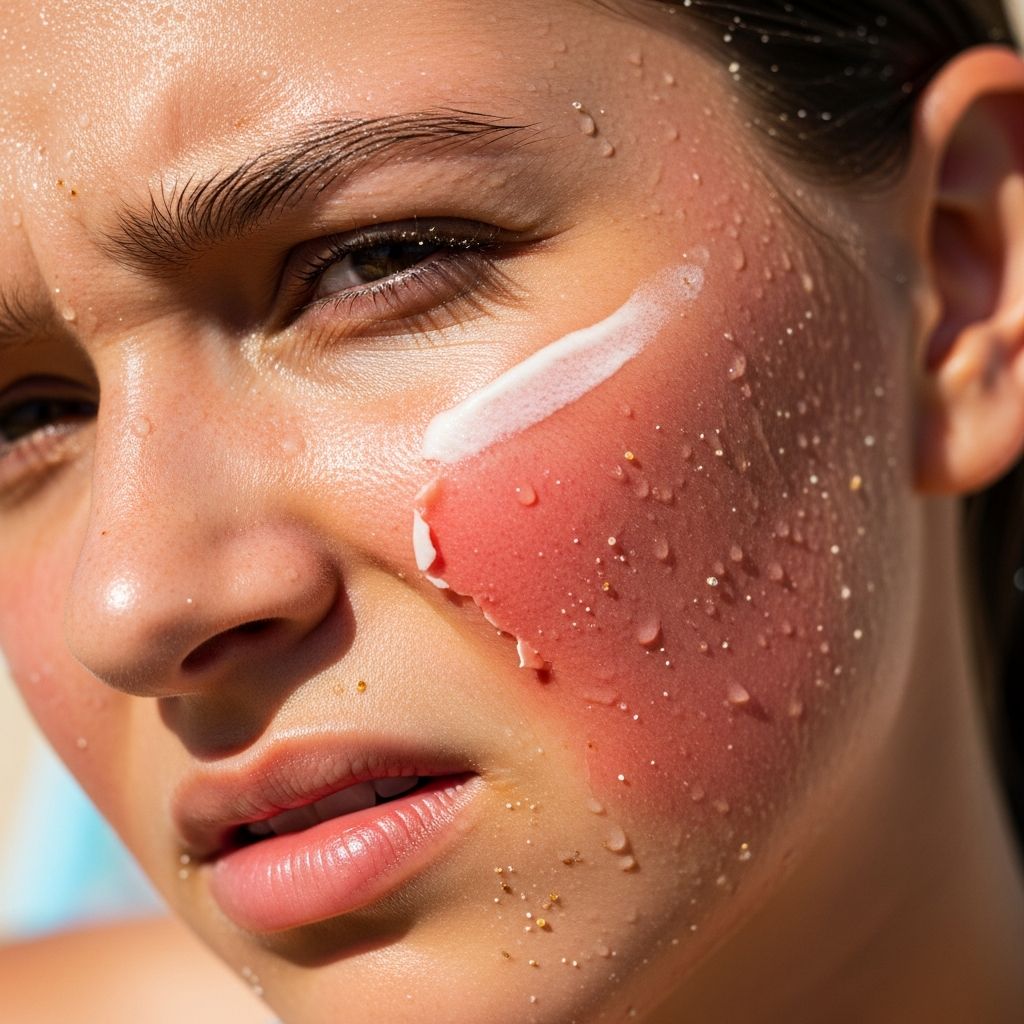
Rates of skin cancer continue to rise globally, yet this disease remains one of the most preventable forms of cancer. Despite widespread awareness campaigns and medical guidance, many people unknowingly make critical mistakes when protecting themselves from the sun’s harmful ultraviolet (UV) radiation. Understanding these errors and learning proper sun protection techniques can significantly reduce your risk of developing melanoma and other types of skin cancer. This guide explores the most common sun protection mistakes and provides evidence-based strategies to keep your skin safe.
Why Sun Protection Matters
The dangers of inadequate sun protection extend far beyond sunburn. Excessive sun exposure and sunburn can cause serious skin damage, including predisposition to multiple types of skin cancer that can be very hard to treat. In the UK alone, more than 150,000 new cases of non-melanoma skin cancer are diagnosed each year, affecting more men than women and becoming increasingly common in older populations. On average, one person dies in the United States every hour from melanoma, the deadliest form of skin cancer. These statistics underscore the critical importance of proper sun protection practices for individuals of all ages and skin types.
Common Sunscreen Application Mistakes
One of the most prevalent errors people make involves improper sunscreen application. Many individuals apply insufficient quantities of sunscreen to adequately protect their skin. The recommended amount is typically one ounce (about a shot glass full) for the entire body, yet most people apply far less. This reduces the actual sun protection factor (SPF) received, leaving significant areas of skin vulnerable to UV damage.
Another widespread mistake involves the use of aerosol or spray sunscreen products. While these products offer convenience, they have significant drawbacks. Most of the product from an aerosol bottle ends up being sprayed into the air rather than applied directly to the skin, thereby providing substantially less coverage than intended. Additionally, spray sunscreen applied to the face can easily get into the eyes, nose, and mouth, causing stinging sensations and unpleasant aftertaste. For these reasons, dermatologists recommend avoiding spray formulations in favor of lotions or creams that provide more controlled and thorough application.
Timing of sunscreen application represents another critical mistake. Many people apply sunscreen only after arriving at the beach or outdoor venue, when UV exposure has already begun. Sunscreen should be applied 15 minutes before sun exposure to allow it to fully bind to the skin and provide optimal protection. Regular reapplication every two hours, or immediately after swimming or sweating, is essential for maintaining protective coverage throughout the day.
Misconceptions About Sunscreen Safety
A troubling trend has emerged regarding sunscreen safety, with misinformation spreading rapidly through social media and online platforms. According to recent surveys, approximately 1 in 7 American adults under age 35 believe that using sunscreen daily is more harmful than direct sun exposure. This dangerous misconception lacks scientific support and contradicts overwhelming medical evidence.
Some hesitation about sunscreen use stems from research findings that chemical sunscreens can be absorbed into the bloodstream at higher levels than previously thought. However, detection in the bloodstream does not equate to harmful effects. Multiple studies, including those published in JAMA, found that various UV filter chemicals could be detected in people’s blood after repeated application, but neither study showed actual effects on the body. As Dr. Adam Friedman from The George Washington University School of Medicine & Health Sciences explains, critics “used a fraction of the literature out there to determine safety,” while vast amounts of longitudinal data demonstrate that current sunscreen ingredients protect against accelerated skin aging and skin cancer.
Related Stories



The evidence is clear: sunscreen of SPF 30 or higher reduces the risk of developing skin cancer, including melanoma, by as much as 50%. All credible leading organizations throughout the United States—including the American Academy of Dermatology, The Skin Cancer Foundation, the Centers for Disease Control and Prevention, the US Food and Drug Administration, and Stanford University—encourage sunscreen use as a fundamental component of sun protection.
False Sense of Security
Some experts note that increased use of sunscreen lotions and creams may inadvertently give people a false sense of security. This psychological effect can lead individuals to spend extended periods in the sun without other protective measures, potentially increasing their overall UV exposure beyond what they would have experienced without sunscreen. To avoid this trap, sunscreen should be viewed as one component of a comprehensive sun protection strategy, not as a standalone solution that permits unlimited sun exposure.
Comprehensive Sun Protection Strategy
Effective sun protection requires a multi-faceted approach that extends beyond sunscreen alone. UV radiation is a carcinogen—this is established fact—and comprehensive protection strategies help minimize exposure to this harmful radiation.
Recommended sun protection measures include:
- Applying sunscreen with SPF 30 or higher daily, even on cloudy days
- Wearing a wide-brimmed hat that provides shade for the face, ears, and neck
- Using protective sunglasses that block both UVA and UVB rays
- Wearing protective clothing, including long-sleeved shirts and long pants when possible
- Seeking shade when the UV index is higher than 3
- Avoiding peak sun hours, typically between 10 a.m. and 4 p.m.
- Limiting sun bed and tanning booth use, as UV radiation from these sources is a documented carcinogen
Choosing the Right Sunscreen
Understanding sunscreen types helps you select the most effective product for your needs. Chemical sunscreens absorb UV rays and convert them to heat, while mineral (physical) sunscreens containing zinc oxide or titanium dioxide work by reflecting UV rays away from the skin. Both types, when used properly and containing adequate SPF, provide effective protection.
The choice between chemical and mineral sunscreens often depends on personal preference, skin type, and sensitivity. Those concerned about ingredient absorption may prefer mineral formulations, while others appreciate the cosmetic elegance and easy application of chemical sunscreens. The most important factor is selecting a product you will actually use consistently and correctly.
Special Considerations for Different Populations
Certain populations face elevated skin cancer risk and require particular attention to sun protection. Young adults and teenagers, who spend considerable time outdoors and on social media where harmful misinformation circulates, represent a particularly vulnerable group. Melanoma is the second highest form of cancer among 15-29-year-olds, making sun protection education critical for this demographic.
Men demonstrate lower rates of regular sunscreen use compared to women, representing another population requiring targeted education about skin cancer prevention. Additionally, individuals with a personal or family history of skin cancer should implement especially rigorous sun protection strategies to minimize recurrence risk or new cancer development.
The Reality of UV Exposure and Skin Health
Each person withstands UV radiation exposure differently based on individual genetics and behavioral practices. While some melanoma subtypes develop without sun exposure, generally speaking, risk for skin cancer will be substantially lower when practicing sun-safe behaviors that include consistent sunscreen use. Beyond cancer prevention, sunscreen slows the process of sun damage to the skin, reducing premature aging, age spots, and texture changes.
Exposure to UV light, especially during peak sun times, is very dangerous and can cause serious skin damage. There is no medical evidence that sunscreen causes cancer; rather, there is overwhelming evidence that UV rays from the sun and tanning beds cause skin cancer. The distinction is crucial: sunscreen protects against a documented carcinogen, while claims of sunscreen harm lack scientific validation.
Meta-Analysis Evidence on Sunscreen Safety
A comprehensive meta-analysis examining 21 epidemiological studies with 7,150 malignant melanoma cases found that sunscreen use is not associated with increased melanoma risk. The analysis revealed a combined relative risk of 1.145, which was not statistically significant. While some individual studies suggested a possible association between sunscreen use and increased melanoma risk, when pooled together through rigorous meta-analytic techniques, the data demonstrated no causal relationship. Any observed associations likely result from uncontrolled confounding factors, such as individuals with higher baseline sun exposure or greater sun sensitivity being more likely to use sunscreen.
Combating Misinformation
The spread of sunscreen misinformation through social media poses serious public health consequences. Individuals who believe false claims about sunscreen being harmful may abandon this protective measure, significantly increasing their skin cancer risk. Experts describe this online movement as promoting ideas that are “just plain wrong,” yet these messages circulate widely among vulnerable populations, particularly young people.
Applying sunscreen that is regulated and approved by health authorities provides a very effective way to protect yourself from skin cancer. Regulatory agencies have thoroughly evaluated these products for safety and efficacy. Trusting established medical guidance from dermatologists and cancer prevention organizations provides a more reliable foundation for sun protection decisions than information found on social media or unverified online sources.
Frequently Asked Questions
Q: How much sunscreen should I apply?
A: Apply approximately one ounce (about a shot glass full) of sunscreen to cover your entire body. Most people apply insufficient quantities, reducing the actual SPF protection received. Remember to cover often-missed areas including ears, the back of the neck, the tops of feet, and the hairline.
Q: When should I apply sunscreen?
A: Apply sunscreen 15 minutes before going outside to allow it to fully bind to your skin. Reapply every two hours, immediately after swimming, and after sweating during physical activity. Don’t wait until you arrive at your destination to apply initial protection.
Q: Is SPF 30 or SPF 50 better?
A: SPF 30 blocks approximately 97% of UVB rays, while SPF 50 blocks about 98%. The difference is minimal, and SPF 30 or higher meets recommended guidelines. More important than SPF number is proper application and reapplication throughout the day.
Q: Can sunscreen cause skin cancer?
A: No. There is no medical evidence that sunscreen causes cancer. Extensive research demonstrates that UV rays from the sun cause skin cancer, while sunscreen protects against this carcinogen. Misinformation suggesting otherwise contradicts established medical consensus.
Q: Should I wear sunscreen on cloudy days?
A: Yes. Up to 80% of UV rays penetrate clouds, so sun protection is necessary even when the sun isn’t visibly bright. Make sunscreen application a daily habit regardless of weather conditions.
Q: Is mineral or chemical sunscreen better?
A: Both mineral and chemical sunscreens provide effective protection when containing SPF 30 or higher and applied correctly. Choose based on personal preference, skin type, and sensitivities. The best sunscreen is the one you will use consistently.
Conclusion
Skin cancer remains the most common and most preventable cancer in the United States. By understanding and avoiding common sun protection mistakes, you can substantially reduce your risk of developing this serious disease. Proper sunscreen selection and application, combined with comprehensive protective strategies including protective clothing, hats, and shade-seeking behavior, provides powerful defense against harmful UV radiation. Resist misinformation circulating online and trust evidence-based guidance from medical professionals and established health organizations. Your skin is your body’s largest organ—protecting it deserves your attention and commitment to proper sun safety practices.
References
- The dangers of sunscreen misinformation are serious — Impact Melanoma. 2024. https://impactmelanoma.org/the-dangers-of-sunscreen-misinformation-are-serious/
- Analysis of association between sunscreens use and risk of malignant melanoma — National Center for Biotechnology Information (NIH). 2015. https://pmc.ncbi.nlm.nih.gov/articles/PMC4402823/
- Sunscreen and skin cancer: Brown University dermatologist discusses common mistakes — Brown University News. 2025. https://www.brown.edu/news/2025-07-01/sunscreen-cancer
- Shining light on misinformation about sunscreen and UV ray safety — Ohio State University Comprehensive Cancer Center. 2024. https://cancer.osu.edu/blog/shining-light-on-misinformation-about-sunscreen-and-uv-ray-safety
- How to choose the right sunscreen — Patient.info. 2024. https://patient.info/features/skin-conditions/how-to-choose-the-right-sunscreen
- 10 sunscreen myths debunked — MD Anderson Cancer Center. 2023. https://www.mdanderson.org/cancerwise/sunscreen-myths-debunked.h00-159697545.html
- Preventing Skin Cancer: Sun Protection — Patient.info. 2024. https://patient.info/features/skin-conditions/preventing-skin-cancer
Similar Articles








Read full bio of medha deb