Sun Protection FAQ: Complete Guide To Safeguard Your Skin
Expert answers to your most common sun protection questions for preventing skin cancer effectively.
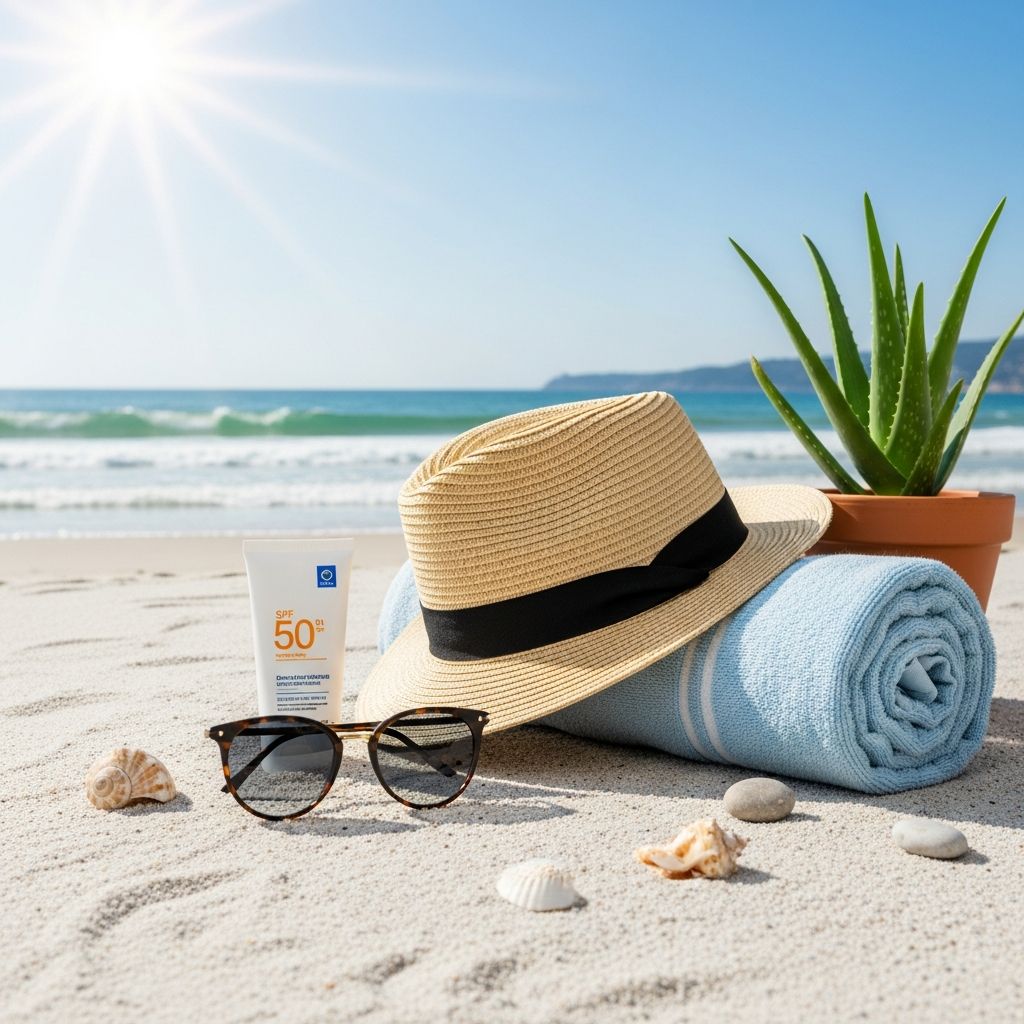
Skin cancer is the most common cancer in the United States, with over one million new cases of nonmelanoma skin cancer diagnosed annually, primarily due to ultraviolet (UV) radiation from sunlight. Regular sun protection is crucial, as using sunscreen with SPF 30 or higher can reduce skin cancer risk by approximately 50%. This article addresses the most frequently asked questions about sun protection to help you safeguard your skin effectively.
What Does SPF Mean?
**SPF**, or Sun Protection Factor, measures how well a sunscreen protects against
UVB rays
, which cause sunburn and contribute to skin cancer like squamous cell carcinoma and basal cell carcinoma. An SPF 30 product blocks about 97% of UVB rays, while SPF 50 blocks 98%, showing diminishing returns beyond SPF 50.Higher SPF does not mean exponentially better protection; no sunscreen blocks 100% of UV rays. The FDA recommends broad-spectrum sunscreens with at least SPF 30 for daily use. SPF ratings are determined through standardized testing on human skin, measuring the time it takes for UVB-induced redness compared to unprotected skin.
What Is the Difference Between UVA and UVB Rays?
**UVB rays** (290–320 nm) are shorter wavelengths primarily responsible for sunburn, DNA damage, and nonmelanoma skin cancers. They are most intense between 10 a.m. and 4 p.m. and do not penetrate glass.
**UVA rays**, longer wavelengths (320–400 nm), penetrate deeper into the skin, causing premature aging, wrinkles, and playing a role in melanoma development. UVA passes through clouds, glass windows, and is present year-round, even in winter.
| Ray Type | Wavelength | Main Effects | Penetration |
|---|---|---|---|
| UVA | 320–400 nm | Aging, melanoma risk | Deep skin layers, through glass |
| UVB | 290–320 nm | Sunburn, NMSC | Outer skin, blocked by glass |
UVB induces DNA damage like cyclobutane pyrimidine dimers, leading to *p53* mutations characteristic of skin cancers. Broad-spectrum sunscreens protect against both.
What Does Broad-Spectrum Mean?
Broad-spectrum indicates protection against both UVA and UVB rays. In the U.S., FDA requires this label if the UVA protection is at least 1/3 of the UVB SPF value. Look for ingredients like avobenzone, zinc oxide, or titanium dioxide for UVA blocking.
Without broad-spectrum, sunscreens may only shield UVB, leaving skin vulnerable to UVA-induced damage. Chronic UVA exposure contributes to photoaging and carcinogenesis via oxidative stress and matrix metalloproteinase activation.
What SPF Should I Use?
Experts recommend
SPF 30 or higher
daily, even on cloudy days, as UV rays penetrate clouds. For extended outdoor activities like beach days or hiking, opt for SPF 50+. Reapply every 2 hours or after swimming/sweating.- Daily use: SPF 30 broad-spectrum
- Water activities: Water-resistant SPF 50
- High altitude/snow: SPF 50+ due to reflection
Studies show SPF 15 sunscreens prevent *p53* mutations and skin tumors in UV-exposed mice, underscoring real-world benefits.
How Much Sunscreen Should I Apply?
The standard is
1 ounce
(shot glass full) for an adult body, or 2 milligrams per square centimeter. Most people apply only 25–50% of the recommended amount, reducing effective SPF.Breakdown:
- Face/neck: 1/4 teaspoon
- Arms: 1/2 teaspoon each
- Torso: 1 ounce
- Legs: 1/2 teaspoon each
Apply 15–30 minutes before sun exposure and reapply frequently. Dispensers in public spaces encourage proper use and remind people of sun safety.
How Often Should I Reapply Sunscreen?
Related Stories



Reapply
every 2 hours
, or immediately after swimming, toweling off, or sweating. Water-resistant formulas last 40–80 minutes in water but still need reapplication.UV exposure accumulates regardless of shade or clouds; consistent reapplication prevents DNA damage buildup leading to mutations.
Does Sunscreen Expire?
Yes, most sunscreens have a PAO (Period After Opening) symbol indicating 6–12 months post-opening. Unopened, they last 3 years. Heat/light degrade active ingredients, reducing efficacy. Check for changes in color/smell.
Is Sunscreen Safe for Babies?
For infants under 6 months, prioritize shade, clothing, and hats; avoid direct sun. For older babies, use mineral-based sunscreens (zinc oxide/titanium dioxide) to minimize absorption. Patch test first.
UV protection from birth prevents lifetime risk; melanoma is rising in young adults.
Do I Need Sunscreen on Cloudy Days?
Yes, up to 80% of UV rays penetrate clouds. UVB causes burns even on overcast days; UVA aging occurs anytime outdoors.
What Other Ways Can I Protect My Skin from the Sun?
Comprehensive sun protection (slip, slop, slap, seek, slide):
- Clothing: UPF 50+ fabrics, long sleeves, pants, wide-brim hats.
- Shade: Trees, umbrellas during peak hours (10 a.m.–4 p.m.).
- Sunglasses: UV400 protection.
- Antioxidants: Vitamins C/E in skincare combat free radicals.
Five or more sunburns double melanoma risk; prevention halves skin cancer incidence.
Can Diet Help Protect My Skin?
Antioxidant-rich foods (berries, leafy greens, nuts) may offer internal photoprotection by neutralizing UV-induced free radicals. Omega-3s reduce inflammation. No substitute for topical sunscreen.
Why Is Sun Protection Important?
Melanoma incidence has risen sharply, with over 100,000 U.S. cases expected in 2025; it’s the second most common cancer in ages 15–29. UV causes *p53* mutations in keratinocytes, leading to uncontrolled growth. Early detection is key, but prevention via sunscreen cuts risk by 50%.
Frequently Asked Questions (FAQs)
What is the best sunscreen for face?
Non-comedogenic, broad-spectrum SPF 30+ with mattifying finish. Mineral options suit sensitive skin.
Is chemical or mineral sunscreen better?
Mineral (physical blockers) reflects UV; chemical absorbs it. Both effective if broad-spectrum; mineral gentler for some.
Can I use body sunscreen on face?
Better to use facial formulas to avoid irritation/pimples from thicker body products.
How to store sunscreen?
Cool, dry place away from heat/sunlight to preserve efficacy.
Key Takeaways
- Use broad-spectrum SPF 30+ daily.
- Apply generously, reapply often.
- Combine with clothing, shade, hats.
- Prevention halves skin cancer risk.
References
- A dose of skin cancer prevention — Yale School of Public Health. 2025. https://ysph.yale.edu/news-article/alum-provides-a-does-of-skincare-prevention/
- Sunlight and skin cancer — National Center for Biotechnology Information (PMC). 2001-05-14. https://pmc.ncbi.nlm.nih.gov/articles/PMC113773/
- Be Cool Prevent Skin Cancer — St. Mary’s Health Care System. Accessed 2026. https://www.stmaryshealthcaresystem.org/newsroom/blog-articles/be-cool-prevent-skin-cancer
Similar Articles








Read full bio of Sneha Tete