Sun Rash: Causes, Symptoms, and Treatments
Discover what sun rash is, its symptoms, common causes, effective treatments, and essential prevention strategies for safe sun exposure.
A
sun rash
, medically known aspolymorphic light eruption (PMLE)
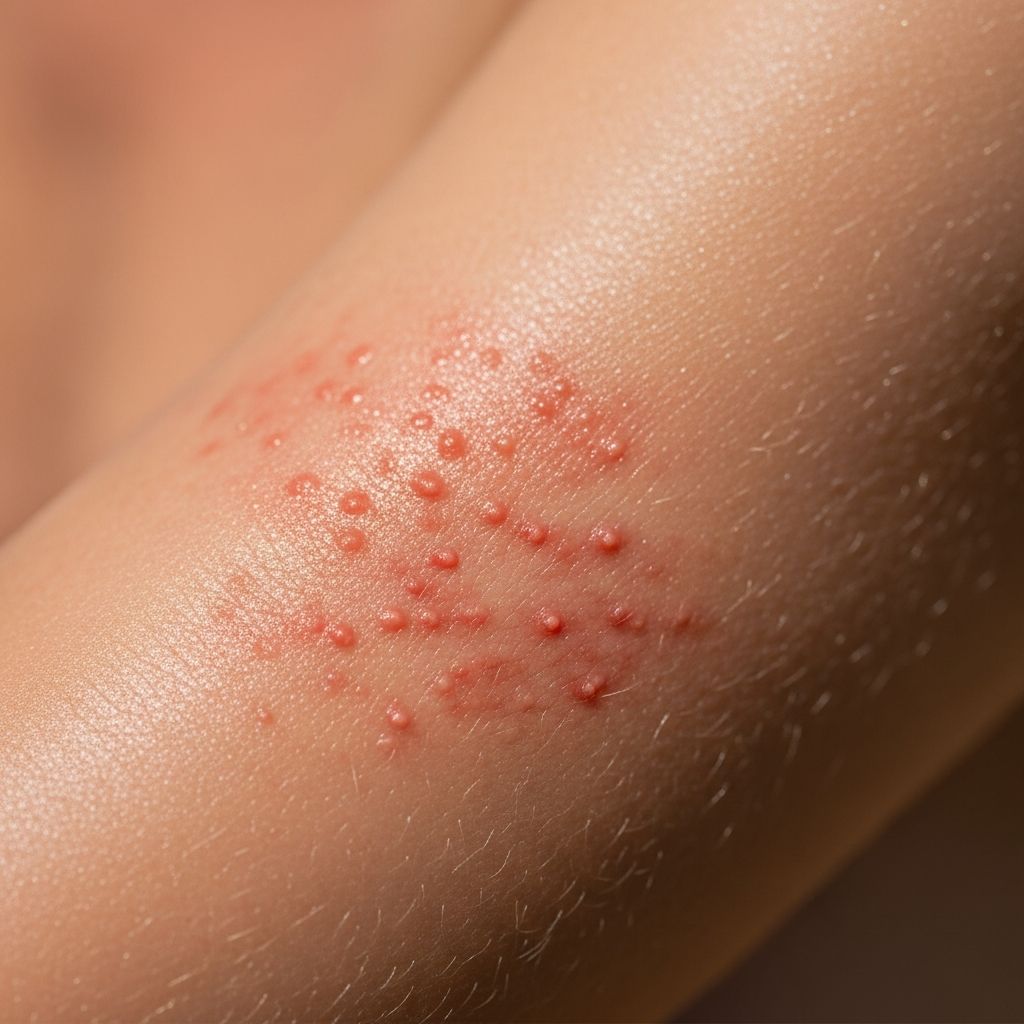
, is a common skin reaction triggered by ultraviolet (UV) light exposure from the sun. It manifests as itchy, red bumps or patches on sun-exposed areas, typically appearing hours after initial exposure, especially in spring or early summer when skin is unaccustomed to sunlight. Unlike sunburn, which damages skin cells directly, sun rash stems from an abnormal immune response to UV rays, affecting up to 10-20% of people in temperate climates.What Is Sun Rash?
Sun rash refers to a group of photodermatoses—skin conditions provoked by sunlight. The most prevalent form is PMLE, characterized by its ‘polymorphic’ (varied) appearance: small red papules, vesicles, or plaques that itch intensely. It predominantly affects women aged 20-40 and is more common in fair-skinned individuals, though it can occur on any skin tone. On lighter skin, rashes appear pink or red; on darker tones, they may present as grayish or hypopigmented spots.
According to the American Osteopathic College of Dermatology, sun rash is the leading sunlight-induced skin disorder. It usually emerges 2 hours to 2 days post-exposure and resolves within 7-10 days without scarring. While not life-threatening, recurrent episodes can impact quality of life, causing emotional distress like anxiety or depression in severe cases.
Symptoms of Sun Rash
Symptoms vary by individual and skin type but consistently involve sun-exposed areas like the chest, arms, neck, and legs—sparing chronically exposed face and hands due to ‘hardening’ from repeated exposure. Key signs include:
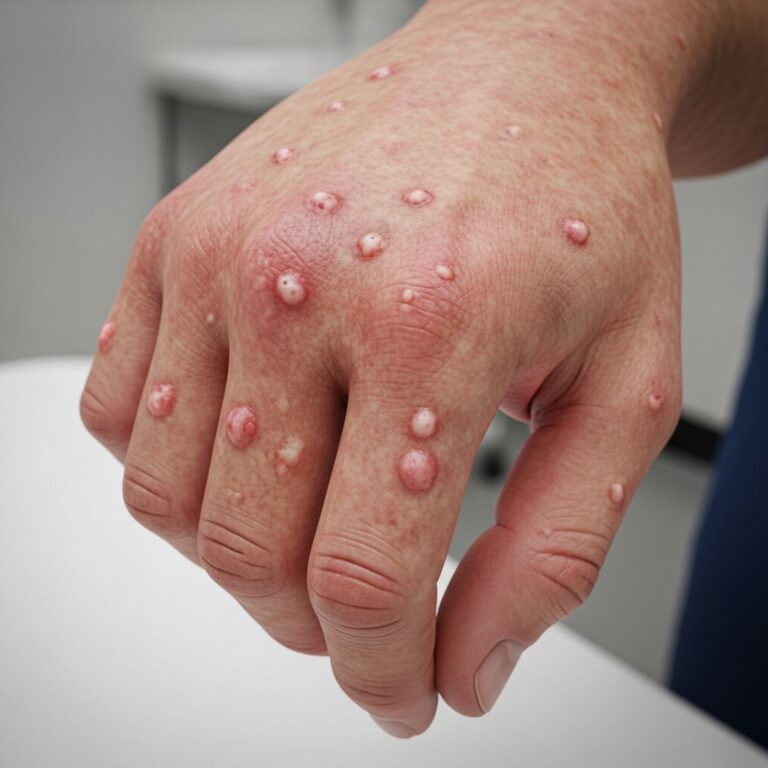
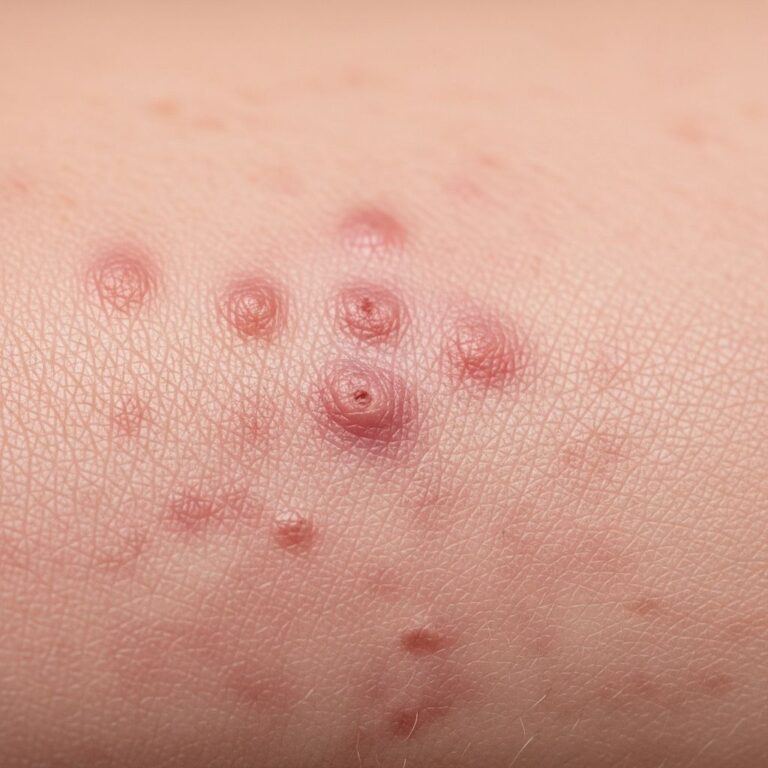
- Itchy or burning red bumps: 2-5 mm papules or plaques, sometimes coalescing into larger patches.
- Raised hives or blisters: In severe PMLE, fluid-filled vesicles may form.
- Erythema: Redness mimicking sunburn but without peeling.
- Delayed onset: Appears 30 minutes to days after sun exposure.
Severity peaks with first intense exposures (e.g., vacations) and lessens with gradual tanning. On darker skin, symptoms might be subtler, appearing as pinpoint white dots rather than vivid red.
Causes of Sun Rash
Sun rash arises from hypersensitivity to UVA or UVB rays, where the immune system overreacts, releasing inflammatory chemicals. Common triggers include:
- UV radiation: Primarily UVA; worse after winter when skin loses tolerance.
- Photoallergic reactions: UV activates allergens like sunscreens (benzophenone-3), fragrances, or plants (e.g., lime juice in margaritas causing phytophotodermatitis).
- Medications: Antibiotics (tetracyclines), NSAIDs, diuretics, or retinoids heighten sensitivity.
- Genetics and hormones: Familial patterns and estrogen fluctuations in women contribute.
PMLE is immune-mediated, possibly involving defective DNA repair post-UV damage. It’s distinct from solar urticaria (immediate hives) or actinic prurigo (chronic scarring form).
Sun Rash vs. Sunburn
| Aspect | Sun Rash (PMLE) | Sunburn |
|---|---|---|
| Cause | Immune hypersensitivity to UV | Direct DNA damage from UVB |
| Onset | Hours to days | 4-24 hours |
| Symptoms | Itchy bumps, no peeling | Painful red, peeling skin |
| Areas Affected | Sun-exposed, spares face/hands | Any exposed skin |
| Recurrence | Seasonal, improves with exposure | Repeat damage possible |
Sunburn risks skin cancer long-term; sun rash does not but signals photosensitivity.
Treatments for Sun Rash
Treatment focuses on symptom relief and breaking the itch-scratch cycle to prevent secondary infection. Options include:
Related Stories



- Topical corticosteroids: Hydrocortisone 1% OTC or prescription-strength (e.g., clobetasol) reduces inflammation.
- Oral medications: Antihistamines (loratadine) for itch; short prednisone courses for severe flares.
- Home remedies: Cool compresses, calamine lotion, colloidal oatmeal baths soothe burning.
- Moisturizers: Fragrance-free emollients post-healing.
For refractory cases, phototherapy (narrowband UVB) desensitizes skin pre-season. Avoid triggers like certain drugs.
Prevention Tips for Sun Rash
Proactive protection is key. The Skin Cancer Foundation recommends:
- Apply broad-spectrum SPF 50+ sunscreen 30 minutes before exposure, reapplying every 2 hours.
- Wear UPF 50+ clothing, wide-brim hats, sunglasses.
- Seek shade 10 a.m.-4 p.m.
- Gradual exposure: Start with 10-15 minutes daily to build tolerance.
- Phototherapy: Controlled UV sessions in fall/winter.
Test sunscreens for allergies; opt for mineral-based (zinc oxide) if chemical ones trigger reactions.
When to See a Doctor
Most cases self-resolve, but consult a dermatologist if:
- Rash persists >2 weeks or spreads.
- Fever, pus, or swelling suggests infection.
- First episode or family history of skin cancer.
- Suspected medication link.
Diagnosis involves phototesting; biopsy rules out lupus or porphyria.
Frequently Asked Questions (FAQs)
What is sun rash?
Sun rash, or polymorphic light eruption, is an itchy skin reaction to UV light, causing bumps on exposed areas.
Does sun rash turn into sunburn?
No, sun rash is immune-driven; sunburn is cell damage. They can coexist.
Can sun rash be cured?
No cure, but prevention and treatments manage it effectively; many see remission with age.
Is sun rash contagious?
No, it’s not infectious—purely photosensitivity-related.
How long does sun rash last?
Typically 7-10 days with proper care.
Outlook and Complications
Sun rash rarely scars or complicates, though chronic forms like actinic prurigo may. Emotional impacts are real—stress exacerbates flares. Long-term, monitor for associated autoimmune conditions. With vigilance, enjoy the sun safely.
References
- Sun rash: What it is, symptoms, causes, and treatments — Medical News Today. 2023-05-15. https://www.medicalnewstoday.com/articles/sun-rash
- Polymorphous Light Eruption — American Osteopathic College of Dermatology. 2022-08-10. https://www.aocd.org/page/PolymorphousLightEruption
- Photodermatoses: Type VII Collagen Mutations — National Institutes of Health (NIH). 2024-01-12. https://www.ncbi.nlm.nih.gov/books/NBK441889/
- Sun Protection Guidelines — Skin Cancer Foundation. 2025-03-20. https://www.skincancer.org/skin-cancer-prevention/sun-protection/
- Polymorphic Light Eruption: A Review — British Journal of Dermatology (DOI). 2023-11-05. https://doi.org/10.1111/bjd.21450
Similar Articles








Read full bio of medha deb