Sun Safety for Eczema: Benefits and Protection Strategies
Navigate sun exposure safely with eczema: understand the dual nature of sunlight and protective strategies.
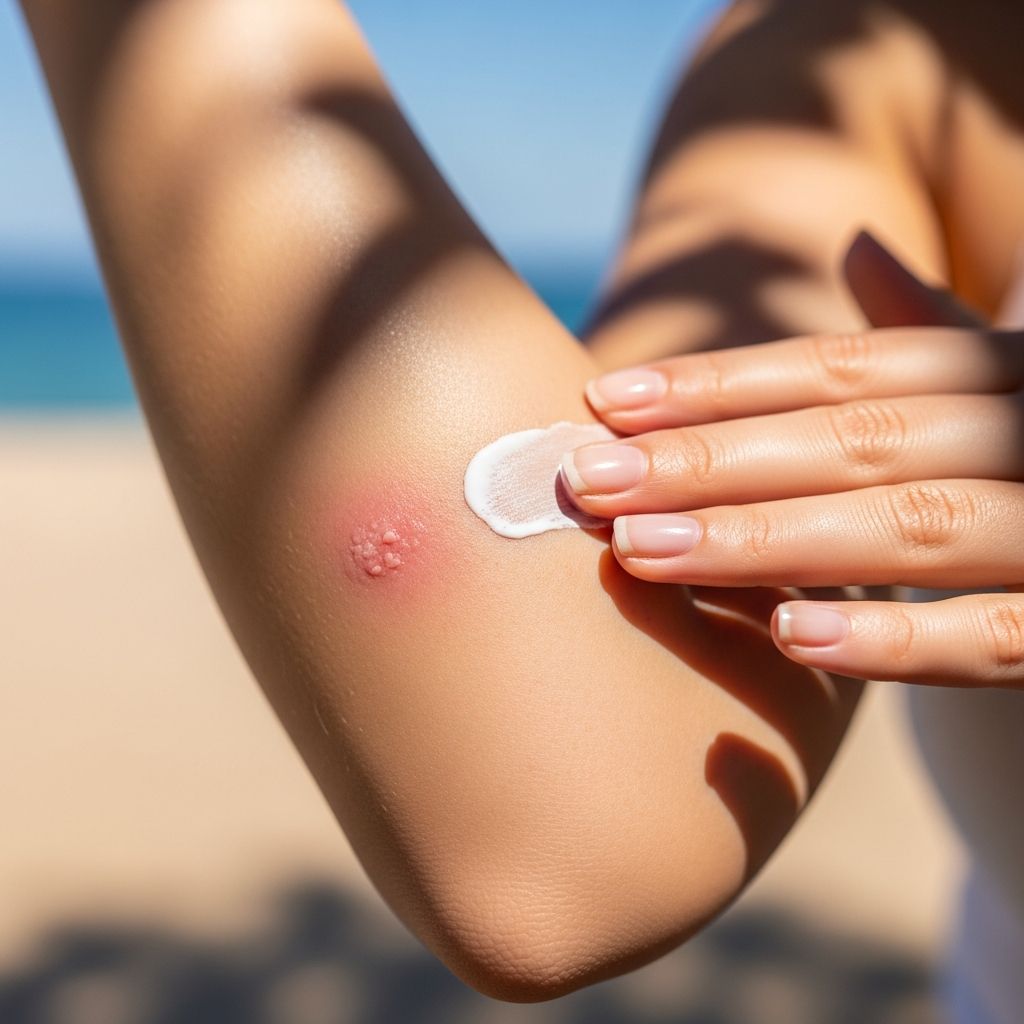
The relationship between eczema and sunlight presents a paradox that confuses many individuals living with this common skin condition. While sunlight can provide therapeutic benefits for some people with eczema, it simultaneously poses significant risks for others. Understanding this complex relationship is essential for anyone seeking to enjoy outdoor activities while maintaining skin health and managing their condition effectively.
The Dual Nature of Sunlight and Eczema
Eczema, a chronic inflammatory skin condition characterized by itching, redness, and inflammation, affects millions of people worldwide. The sun’s impact on eczema varies dramatically from person to person, depending on individual skin characteristics, the specific type of eczema present, and genetic predisposition to photosensitivity. For some individuals, moderate sun exposure provides relief and symptom improvement, while for others, identical sun exposure triggers severe flare-ups and increased discomfort.
This inconsistency stems from the fact that eczema encompasses several distinct types, each with unique responses to ultraviolet radiation. The therapeutic potential of sunlight for one individual may prove entirely counterproductive for another, making personalized medical guidance essential for safe sun management.
When Sunlight Provides Therapeutic Benefits
Sunlight exposure can deliver measurable improvements for individuals with certain eczema variants. Research has demonstrated that ultraviolet B (UVB) radiation activates regulatory T cells, specialized immune cells that reduce inflammatory responses associated with eczema. This mechanism explains why phototherapy, a controlled medical treatment using UVB light, remains an effective clinical intervention for persistent eczema cases.
Types of Eczema That May Improve With Sun Exposure
- Contact Dermatitis: This type of eczema, triggered by direct contact with irritating substances, frequently improves with sun exposure.
- Discoid Eczema: Also called nummular eczema, this variant often shows symptom improvement during sunny periods.
- Dyshidrotic Eczema: UVA1 radiation specifically benefits this type, providing symptomatic relief for many sufferers.
- Seborrheic Eczema: Individuals with this variant frequently experience improved symptoms with increased sun exposure.
The Vitamin D Connection
The human body synthesizes vitamin D when skin receives direct sunlight exposure, a process that can substantially benefit individuals with eczema. Vitamin D deficiency has been linked to increased eczema severity and prevalence, suggesting that sunlight’s role in vitamin D production contributes to symptom improvement. The seasonal pattern of eczema, where many individuals experience symptom relief during summer months with higher vitamin D levels, supports this biological mechanism.
The Stress-Reduction Factor
Beyond direct physiological effects, sunlight exposure influences mood and psychological wellbeing through vitamin D production, which can reduce stress levels. Since stress represents a well-established eczema trigger, the mood-enhancing properties of sunlight indirectly benefit many individuals by lowering psychological stress that would otherwise precipitate flare-ups.
When Sunlight Exacerbates Eczema Symptoms
For a significant portion of the eczema population, sunlight exposure triggers uncomfortable and sometimes severe symptom escalation. The mechanisms underlying this negative response differ from person to person but collectively present substantial challenges for outdoor living during warmer months.
Heat-Induced Flare-Ups
The most common sun-related eczema trigger involves elevated temperatures rather than ultraviolet radiation itself. Heat increases body temperature and triggers sweating, which irritates eczema-prone skin and frequently precipitates flare-ups. Even moderate temperatures can cause sufficient perspiration to activate eczema symptoms in susceptible individuals, making heat management a critical summer strategy.
Related Stories



UV-Related Skin Damage
Excessive UV exposure causes multiple forms of skin damage relevant to eczema management. Sunburn creates immediate inflammatory responses that amplify existing eczema inflammation, potentially triggering severe flare-ups. Beyond acute effects, cumulative UV damage compromises skin barrier function, reducing the skin’s ability to retain moisture and resist irritants, thereby worsening baseline eczema severity.
Photosensitive Eczema
A specialized form of eczema called photosensitive dermatitis or photosensitive eczema occurs when the immune system reacts specifically to ultraviolet radiation. In these cases, eczema flare-ups develop within 30 minutes to several hours after sun exposure, or occasionally several days later. This delayed response pattern makes connection between sun exposure and symptoms less obvious to sufferers but equally problematic for sun management.
Common Symptoms Following Sun Exposure
- Increased redness and flushing
- Intense itching and burning sensations
- Skin irritation and inflammation
- Development of small blisters in severe cases
- Heat rash appearance, particularly in skin folds
The Sunscreen Challenge for Eczema-Prone Skin
While sunscreen provides essential protection from UV damage, certain formulations can paradoxically trigger eczema flare-ups in sensitive individuals. Chemical sunscreens, fragrances, preservatives, and thickening agents commonly irritate eczema-prone skin, creating a challenging situation where protective measures themselves become problematic.
Identifying Sunscreen Reactions
When sunscreen causes eczema flare-ups, reactions typically appear as itchy, inflamed rashes, most commonly on the neck, arms, and other application areas. These reactions may closely resemble allergic responses or heat rash, featuring redness, small bumps, and occasional mild swelling. Testing new sunscreens on small skin patches before widespread application helps identify problematic products before triggering full-body responses.
Choosing Eczema-Safe Sunscreen
Mineral formulations containing zinc oxide or titanium dioxide generally prove safer for eczema-prone skin than chemical alternatives. These products create a physical barrier reflecting UV rays rather than absorbing them, reducing the likelihood of chemical irritation. Fragrance-free formulations, products specifically designed for sensitive skin, and those recommended by dermatologists offer additional assurance of compatibility with eczema management.
Duration and Intensity of Sun-Induced Eczema
The timeline for sun-induced eczema symptoms varies considerably based on individual response severity and the specific eczema type involved. Typically, symptoms improve within several days to one week with appropriate care and reduced sun exposure. However, some individuals experience more persistent reactions requiring extended management periods.
Symptom duration depends on whether sun exposure caused acute inflammation or triggered a more systemic response. Mild heat-related irritation may resolve quickly, while photosensitive reactions or severe sunburn-induced flare-ups require longer recovery periods and professional medical intervention.
Evidence-Based Protection Strategies
Timing and Duration of Outdoor Activities
Timing outdoor activities strategically reduces harmful UV exposure while maximizing benefits. The sun’s intensity peaks between 10 AM and 4 PM, making this period least suitable for extended outdoor time for individuals with UV-sensitive eczema. Planning activities for early morning or late evening hours provides adequate daylight exposure while minimizing peak UV intensity.
Physical Barriers and Protective Clothing
Specialized UV-protective clothing offers effective defense without relying on sunscreen compatibility. Long-sleeved garments, wide-brimmed hats, and UV-blocking sunglasses provide coverage while allowing air circulation that prevents heat accumulation. Modern moisture-wicking fabrics designed for athletic use offer protection without trapping sweat against the skin.
Shade Utilization and Environmental Control
Seeking shade during peak sun hours represents one of the simplest and most effective protection strategies. Trees, umbrellas, and structured shade structures reduce both direct UV exposure and ambient heat, addressing both photosensitive and heat-related eczema triggers simultaneously. Even partial shade substantially reduces UV exposure compared to unprotected sun.
Temperature Management
Controlling body temperature and perspiration proves particularly important for heat-sensitive individuals. Drinking adequate fluids, wearing lightweight breathable clothing in non-sun exposure areas, and taking cool breaks indoors help prevent the excessive sweating that triggers flare-ups. Showering with cool water after outdoor activity removes sweat and salt accumulation that irritates eczema-prone skin.
Sunscreen Selection and Application Guidelines
| Sunscreen Characteristic | Recommendation for Eczema | Rationale |
|---|---|---|
| Formula Type | Mineral (physical) | Reduces chemical irritation and allergic reactions |
| SPF Level | Minimum SPF 30 | Provides adequate UV protection for daily use |
| Additional Ingredients | Fragrance-free, hypoallergenic | Minimizes irritant exposure |
| Application | Patch test first | Identifies reactions before widespread use |
When to Seek Medical Guidance
Professional dermatological assessment becomes necessary when sun exposure consistently triggers problematic responses, symptoms persist despite protective measures, or photosensitive eczema is suspected. Dermatologists can prescribe specialized treatments, recommend phototherapy under controlled conditions, or identify specific UV wavelengths most problematic for individual cases.
Treatment Options for Photosensitive Eczema
- Prescription Topical Treatments: Specialized creams and ointments specifically formulated for photosensitive conditions
- Oral Medications: Antihistamines or anti-inflammatory medications to manage systemic responses
- Controlled Phototherapy: Medical-grade UVB or UVA1 therapy administered under professional supervision to desensitize skin or provide therapeutic benefit
- Behavioral Modifications: Personalized sun avoidance strategies tailored to individual photosensitivity patterns
Summer-Specific Eczema Management
Summer presents unique challenges for eczema management beyond sun exposure alone. Heat, humidity, chlorine in swimming pools, and saltwater from ocean activities all interact with eczema symptoms. Rinsing off chlorine and salt immediately, patting skin dry gently, and applying moisturizer while skin remains slightly damp helps maintain skin barrier integrity during summer months.
Developing Your Personal Sun Safety Plan
Because eczema responses to sunlight vary individually, developing a personalized sun management strategy requires experimentation and self-observation. Tracking outdoor activities, sun exposure duration, environmental conditions, and subsequent eczema responses helps identify personal triggers and optimal management approaches. This individualized data proves invaluable for discussing with dermatologists and refining protective strategies over time.
The goal of sun management for eczema involves balancing the potential therapeutic benefits of moderate sun exposure, vitamin D production, and outdoor activity enjoyment against protection from UV damage, heat-induced flare-ups, and photosensitive responses. For some, this balance leans toward sun exposure with careful protection; for others, minimizing sun exposure entirely becomes necessary. Neither approach represents universal truth—only personal medical reality based on individual skin responses and professional guidance.
References
- Eczema and the sun factsheet — National Eczema Association. April 2022. https://eczema.org/wp-content/uploads/Eczema-and-the-sun-Apr-22.pdf
- How Does Sunlight Affect Eczema? — Skin Care Research. August 2020. https://www.skincareresearch.org/2020/08/how-does-sunlight-affect-eczema/
- Sun and eczema: Pros, cons, protection, and tips — Medical News Today. https://www.medicalnewstoday.com/articles/is-sun-good-for-eczema
- Eczema & Sun Exposure: Pros, cons, protection & tips — E45. https://e45.com/uk/e45-about-skin/sun-protection/eczema-and-sun-exposure-pros-cons-protection-and-tips/
- Sun and eczema — National Eczema Association. https://eczema.org/information-and-advice/triggers-for-eczema/sun-and-eczema/
Similar Articles








Read full bio of Sneha Tete