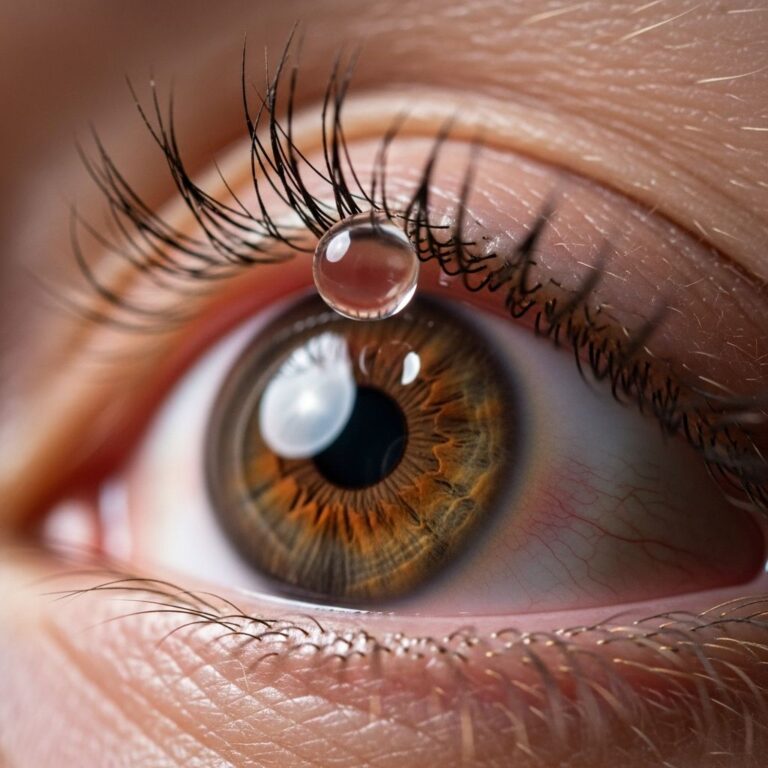
Sun Safety: Protect Your Skin from UV Damage
Complete guide to sun safety: Learn how to protect your skin and eyes from harmful UV rays year-round.
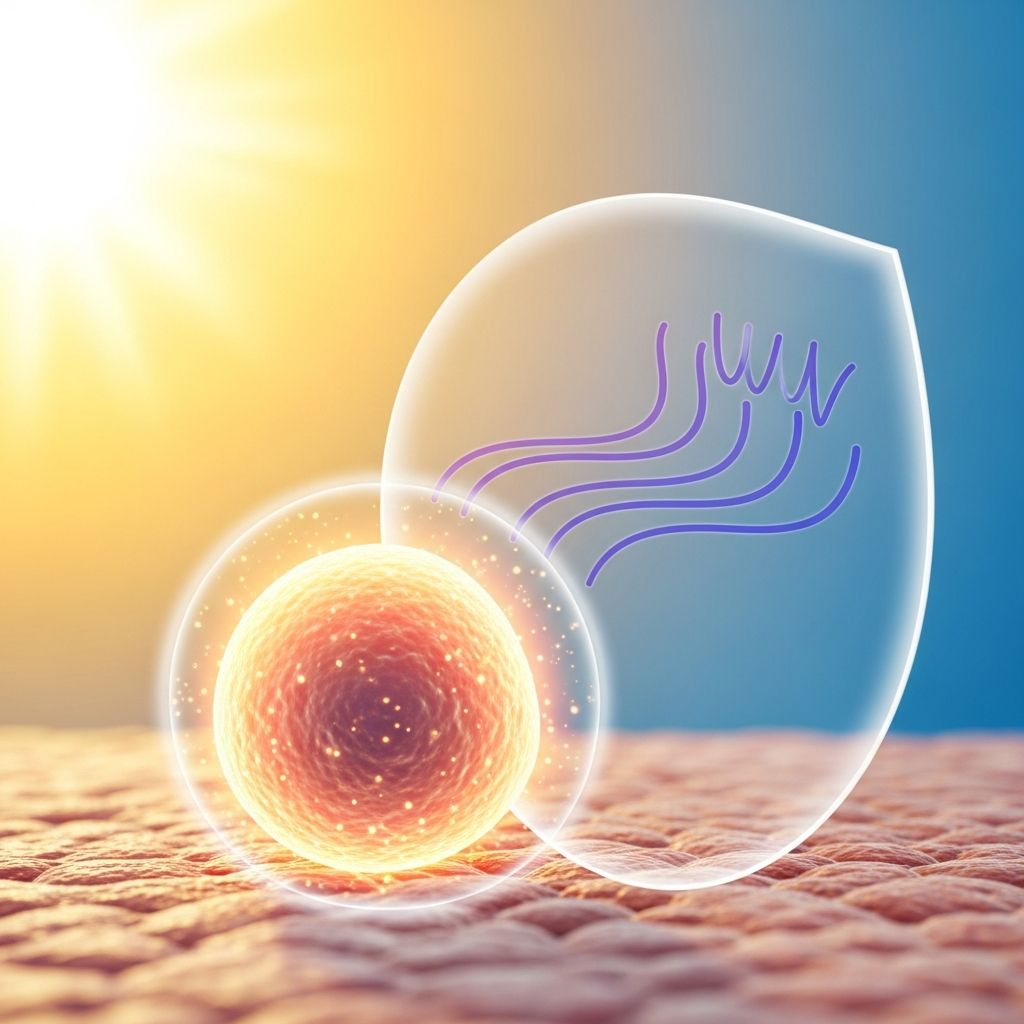
Sun Safety: Understanding and Preventing UV Damage
The sun provides essential warmth and light that sustains life on Earth, and moderate sun exposure supports vitamin D production, which is crucial for calcium absorption and building strong bones. However, prolonged or unprotected exposure to the sun’s ultraviolet (UV) rays poses significant health risks that extend far beyond simple sunburn. Understanding these risks and implementing comprehensive sun safety strategies is essential for maintaining long-term health and preventing serious conditions like skin cancer, premature aging, and eye damage.
UV radiation is an invisible form of energy emitted by the sun that can penetrate the skin and cause cellular damage. This damage accumulates over time and can lead to serious health consequences, regardless of skin tone or geographic location. The good news is that skin cancer and other sun-related health issues are largely preventable through education, awareness, and consistent protective practices.
Understanding UV Rays and Their Effects on Health
Ultraviolet rays exist on a spectrum, with two primary types affecting human health: UV-A and UV-B rays. UV-A rays penetrate deeper into the skin and contribute to premature aging and skin damage, while UV-B rays cause sunburns and are the primary driver of skin cancer development. Both types of radiation can pass through clouds and reflect off surfaces like water, sand, and concrete, increasing exposure even on overcast days or in unexpected locations.
The damaging effects of UV exposure are not limited to warm seasons or clear days. UV radiation persists year-round, and snow and ice can reflect up to 80 percent of the sun’s rays, making winter sun exposure just as concerning as summer exposure. People living at higher altitudes receive more intense UV radiation due to less atmospheric filtering, and those near the equator face year-round high UV index levels.
Skin Damage and Skin Cancer Risk
UV rays penetrate the outer layers of skin and damage the DNA in skin cells, leading to mutations that can develop into skin cancer over time. There are three main types of skin cancer: basal cell carcinoma, squamous cell carcinoma, and melanoma. Melanoma is the most dangerous form and can spread to other parts of the body if not detected and treated early. Cumulative sun exposure, particularly during childhood and adolescence, significantly increases lifetime skin cancer risk.
Premature Skin Aging and Cosmetic Effects
Beyond cancer risk, UV exposure accelerates skin aging through a process called photoaging. This results in wrinkles, age spots, rough texture, and uneven skin tone. These visible signs of aging can appear years earlier in people with chronic sun exposure. The collagen and elastin fibers in the skin that maintain elasticity and firmness are broken down by UV radiation, leading to sagging and leathery skin appearance.
Eye Damage and Vision Problems
UV rays can damage the eyes and surrounding tissues, contributing to cataracts, pterygium (tissue growth on the eye surface), and photokeratitis (sunburn of the cornea). Prolonged UV exposure is also associated with age-related macular degeneration, which can lead to vision loss. Children’s eyes are particularly vulnerable to UV damage because their eyes are still developing and have less protection.
Related Stories



Immune System Suppression
Repeated exposure to UV radiation can suppress the body’s immune system, reducing its ability to fight infections and potentially increasing susceptibility to certain illnesses. Sunburns specifically can temporarily impair immune function across all skin types. This immunosuppression may also reduce the skin’s ability to recognize and eliminate precancerous cells.
Comprehensive Sun Protection Strategies
Effective sun protection involves a multi-layered approach that combines physical barriers, chemical protection, behavioral modifications, and smart timing. The following strategies work together to minimize UV exposure and reduce associated health risks:
Timing and Seeking Shade
The sun’s UV rays are most intense between 10 a.m. and 4 p.m., when the sun is highest in the sky. During these peak hours, UV exposure is approximately five times stronger than in early morning or late afternoon. Whenever possible, plan outdoor activities before 10 a.m. or after 4 p.m. to minimize exposure. When you must be outside during peak hours, seek shade under trees, umbrellas, or structures. Even in the shade, you can receive reflected UV rays, so additional protection measures remain important.
Protective Clothing and Accessories
Physical barriers provide excellent protection without the need for reapplication. Wear lightweight, loose-fitting clothing that covers the arms and legs, wide-brimmed hats that shade the face, ears, and neck, and UV-protective swimwear or rash guards when swimming. Many clothing manufacturers now produce fabrics specifically designed with UV protection built into the material. Look for clothing labeled with UPF (Ultraviolet Protection Factor) ratings of 50 or higher for optimal protection.
Sunscreen Selection and Application
Sunscreen is a critical component of sun protection when used correctly. Choose a broad-spectrum sunscreen that protects against both UV-A and UV-B rays with a sun protection factor (SPF) of 30 or higher. SPF 30 blocks approximately 97 percent of UV-B rays, while SPF 50 blocks about 98 percent. However, higher SPF numbers do not provide proportionally greater protection.
Apply sunscreen generously—most people apply too little to achieve advertised SPF protection. Adults should apply approximately one ounce (about a shot glass full) to cover exposed body surfaces. Apply sunscreen at least 15-20 minutes before sun exposure to allow it to set properly on the skin. Reapply every two hours, or immediately after swimming or heavy sweating. Don’t forget often-missed areas like ears, the back of the neck, the tops of feet, and the hair part line.
Sunglasses and Eye Protection
Protect your eyes by wearing sunglasses that wrap around the face and provide 100 percent UV-A and UV-B protection. Sunglasses should block 99-100 percent of both types of UV rays. Look for sunglasses labeled as blocking 100 percent UVA and UVB or UV400, which provides equivalent protection. Larger frames or wraparound styles offer better protection by reducing the amount of UV rays reaching the eyes from the sides.
Special Considerations for Different Populations
Infants and Young Children
Infants under six months should never be exposed to direct sunlight. Their skin is extremely delicate and lacks sufficient melanin for natural protection. For older children, apply sunscreen before they go outside to play, and reapply frequently. Dress children in protective clothing, hats, and sunglasses. Children spend significant time outdoors, and sun damage accumulated during childhood substantially increases lifetime skin cancer risk.
People with Darker Skin Tones
While melanin provides some natural UV protection, people with darker skin tones can still develop skin cancer and experience sun damage. Additionally, melanomas in people of color are often diagnosed at later, more advanced stages, resulting in worse outcomes. Sun protection recommendations apply universally regardless of skin tone. People with darker skin may see sun damage less visibly but should follow the same protective guidelines.
People Taking Photosensitizing Medications
Certain medications increase skin sensitivity to UV rays, including some antibiotics, NSAIDs, and other prescription drugs. If you take regular medications, consult with your healthcare provider about potential photosensitivity and take extra precautions during sun exposure.
Environmental Factors That Increase UV Exposure
Water and sand are highly reflective surfaces that bounce UV rays back toward your skin, significantly increasing exposure compared to land environments. Snow reflects approximately 80 percent of UV rays, making winter activities like skiing and snowboarding surprisingly high-risk for sun damage. Concrete, asphalt, and grass also reflect UV rays to varying degrees. Take extra care when spending time near these surfaces and apply additional protective measures.
Altitude also affects UV exposure—for every 1,000 meters of elevation gain, UV radiation increases by approximately 10 percent. People living in mountainous regions or traveling to high-altitude destinations should increase their sun protection measures.
Year-Round Sun Safety
Sun protection is not seasonal. While UV intensity varies throughout the year, with higher levels during summer months and at lower latitudes, UV rays are present every day. Dermatologists recommend using sunscreen and protective measures throughout the year, even in fall and winter. The UV index, which measures the intensity of UV radiation on any given day, remains significant even on cloudy days when 80 percent of UV rays can still penetrate clouds.
Integrate sun protection into your daily routine regardless of season. Apply sunscreen daily as part of your morning skincare regimen, wear protective clothing when outdoors for extended periods, and maintain consistent habits throughout the year.
Behaviors to Avoid
Certain activities significantly increase UV exposure and should be avoided or minimized. Tanning beds and sunlamps emit concentrated UV radiation and increase skin cancer risk. These devices are particularly dangerous for young people, as early use dramatically increases lifetime melanoma risk. Avoid intentional tanning through any method, and be cautious of indoor tanning facilities that use UVA radiation.
While some people believe a “base tan” provides protection, this is a dangerous myth. A tan itself is evidence of skin damage—it represents the skin’s attempt to protect itself from further UV injury. There is no safe way to tan.
Recognizing and Monitoring Skin Changes
Regular skin self-examinations help identify suspicious changes early when treatment is most effective. Use the ABCDE rule to evaluate moles and skin lesions: Asymmetry (one half differs from the other), Border irregularity (uneven or jagged edges), Color variation (multiple colors within one lesion), Diameter greater than a pencil eraser, and Evolution (changes over time). Any lesions meeting these criteria should be evaluated by a dermatologist promptly.
Schedule annual skin cancer screenings with a dermatologist, particularly if you have a family history of skin cancer, multiple moles, or significant sun exposure history. Early detection of skin cancer dramatically improves treatment outcomes and prognosis.
Creating Sustainable Sun Safety Habits
Successfully protecting yourself from UV damage requires making sun safety a consistent habit rather than an occasional practice. Store sunscreen in easily accessible locations—keep a bottle in your car, desk, and bathroom. Set phone reminders to reapply sunscreen throughout the day. Involve family members in sun safety practices to create accountability and normalize protective behaviors. Teach children early that sun protection is a regular part of self-care, just like brushing teeth or washing hands.
Frequently Asked Questions About Sun Safety
Q: Is sunscreen necessary on cloudy days?
A: Yes, up to 80 percent of UV rays penetrate clouds. You should wear sunscreen every day, regardless of cloud cover.
Q: How often should I have a skin cancer screening?
A: People with significant sun exposure history, many moles, or family history of skin cancer should have annual professional skin screenings. Others should discuss screening frequency with their dermatologist based on individual risk factors.
Q: Can vitamin D production still occur with sunscreen?
A: Most people can achieve adequate vitamin D levels through brief sun exposure (10-30 minutes several times per week), diet, and supplementation while still using sun protection for extended outdoor time.
Q: Is there a safe way to tan?
A: No. Any tan indicates skin damage. Tanning beds, sunlamps, and intentional sun exposure for tanning purposes all increase skin cancer risk. Consider self-tanning products as safer alternatives if desired.
Q: Do I need different sunscreen for my face versus body?
A: Facial skin is often more sensitive, so many dermatologists recommend facial sunscreens formulated specifically for the face. These may have different textures and formulations than body sunscreens to avoid irritation and work with makeup.
Q: What should I do if I get sunburned?
A: Apply cool compresses, drink extra water, and use aloe vera gel. Take over-the-counter pain relievers if needed. Avoid further sun exposure until the burn heals. Severe sunburns with blistering or systemic symptoms require medical attention.
Conclusion
Sun safety is a fundamental aspect of health protection that extends far beyond cosmetic concerns. By understanding UV risks, implementing comprehensive protective strategies, and maintaining consistent habits, you can significantly reduce your risk of skin cancer, premature aging, and eye damage. Sun protection should be a daily practice integrated into your routine regardless of season or weather conditions. Start today by assessing your current sun exposure habits, investing in quality protective products, and committing to long-term skin health. Your future self will appreciate the investment in protection today.
References
- Protect Yourself from Sun Exposure — Johns Hopkins Aramco Healthcare. 2024. https://www.jhah.com/en/news-events/news-articles/protect-yourself-from-sun-exposure/
- 9 Things to Know About Sun Safety and Skin Cancer — Johns Hopkins Bloomberg School of Public Health. March 28, 2024. https://publichealth.jhu.edu/2024/9-things-to-know-about-sun-safety-and-skin-cancer
- Skin Safety Facts — Johns Hopkins Bloomberg School of Public Health. https://publichealth.jhu.edu/skin-safety-facts
- Guidelines on Sunscreen Use and Sun Protection — American Academy of Dermatology. 2024. https://www.aad.org/public/everyday-care/sun-protection
- UV Radiation and Health Effects — World Health Organization. https://www.who.int/news-room/fact-sheets/detail/ultraviolet-(uv)-radiation
Similar Articles








Read full bio of medha deb