Sun Spots Vs Skin Cancer: 6 Key Differences To Tell Them Apart
Learn to distinguish harmless sun spots from dangerous skin cancer signs for early detection and protection.
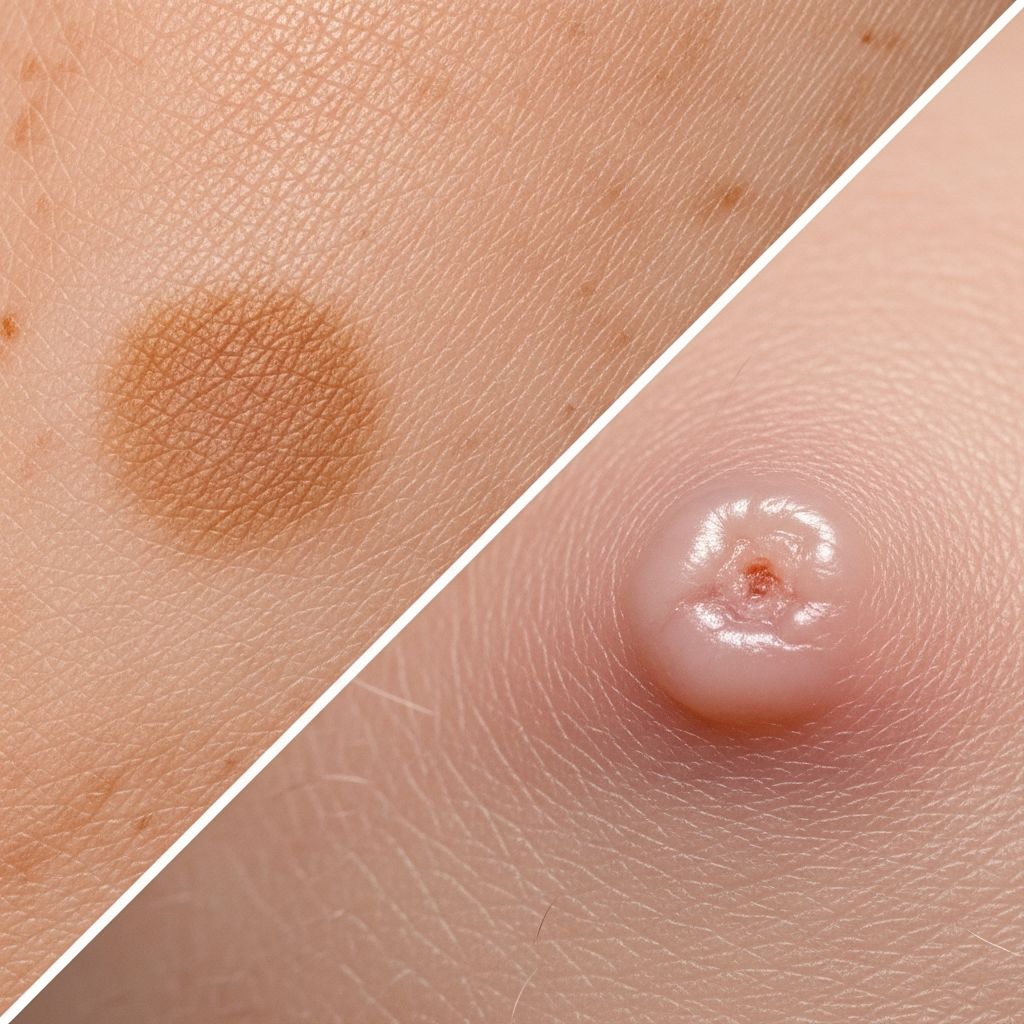
Sun spots, also known as age spots or liver spots, are common benign skin discolorations caused by prolonged sun exposure, while skin cancer involves malignant cell growth that can be life-threatening if not detected early. Distinguishing between the two is crucial for timely intervention, as sun spots are harmless but signal UV damage that heightens cancer risk.
What Are Sun Spots?
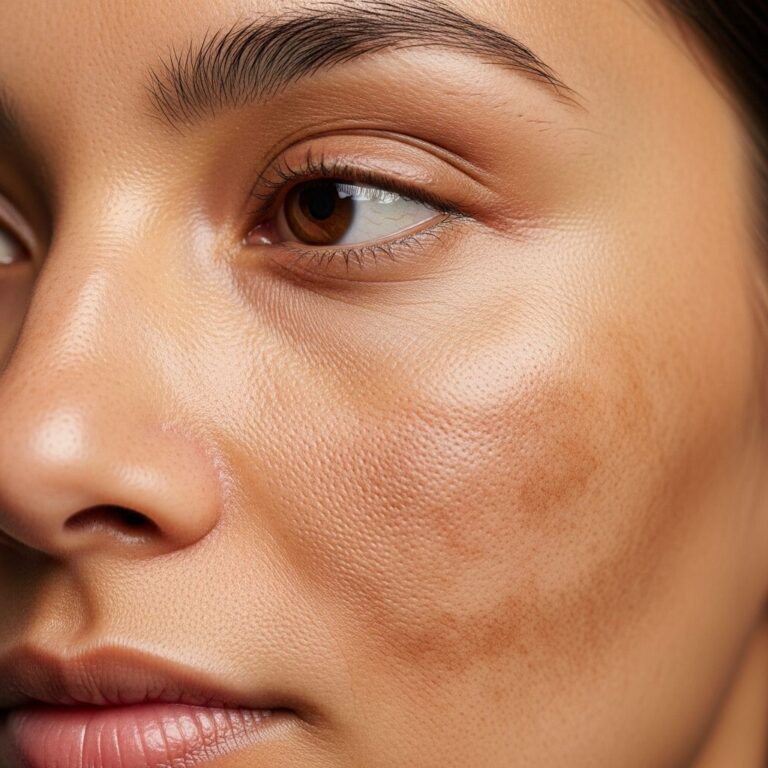
Sun spots, or solar lentigines, are flat, pigmented lesions appearing as brown, tan, or black patches on sun-exposed skin. They result from melanin overproduction triggered by cumulative ultraviolet (UV) radiation, typically emerging after age 40 in areas like the face, hands, shoulders, and arms. Unlike freckles, which are smaller and often clustered, sun spots are larger (usually under 1 cm) and solitary or scattered.
These spots are harmless and primarily cosmetic concerns, but their presence indicates chronic sun damage. Fair-skinned individuals, those with sunburn histories, or tanning bed users are more prone. While not cancerous, they underscore the need for sun protection to prevent progression to more serious conditions.
What Is Skin Cancer?
Skin cancer arises when UV-damaged DNA in skin cells leads to uncontrolled proliferation, forming tumors in the epidermis. It is the most common cancer worldwide, with over 5 million U.S. cases annually. The three main types are basal cell carcinoma (BCC), squamous cell carcinoma (SCC), and melanoma.
- Basal Cell Carcinoma (BCC): Most common, appearing as pearly or shiny bumps, often flesh-colored or pink with visible blood vessels, on sun-exposed areas like the face and neck. Rarely metastasizes but can invade locally if untreated.
- Squamous Cell Carcinoma (SCC): Forms scaly, red patches or nodules that may crust, bleed, or ulcerate. More aggressive than BCC, it can spread if ignored, especially in darker skin on less-exposed sites like legs or torso.
- Melanoma: Deadliest form, originating in melanocytes. Presents as asymmetrical moles with irregular borders, varied colors, and diameters over 6 mm. Can appear anywhere, including soles, palms, or nails.
Early detection yields high survival rates: 99% for localized melanoma, near 100% for BCC and SCC.
Key Differences: Sun Spots vs. Skin Cancer
Visually similar at first glance, sun spots and skin cancer differ in borders, size, texture, growth, and symptoms. Use these traits for self-examination:
| Feature | Sun Spots | Skin Cancer |
|---|---|---|
| Appearance | Uniform color (brown/black), oval/round, flat | Irregular shape/color, may be raised, sore, or bleeding |
| Borders | Smooth, well-defined | Jagged, blurred, notched |
| Size | <1 cm, stable | >6 mm, growing |
| Texture | Smooth, painless | Rough, crusty, itchy, tender |
| Growth/Change | Stable over time | Evolving in size, shape, color |
| Location | Sun-exposed (face, hands) | Anywhere, including hidden areas |
The ABCDE rule aids melanoma detection: Asymmetry, irregular Borders, varied Color, Diameter >6 mm, Evolving traits.
Related Stories



Risk Factors for Sun Spots and Skin Cancer
Both stem from UV exposure, but skin cancer has broader risks:
- Light/fair skin that burns easily
- History of severe sunburns (doubles melanoma risk after five)
- Many/atypical moles
- Family/personal cancer history
- Tanning bed use, weakened immunity
- Precancerous lesions like actinic keratosis
Sun spots flag high-risk skin; multiple spots elevate cancer odds further.
Can Sun Spots Turn Into Skin Cancer?
Sun spots themselves are benign and do not directly transform into cancer. However, the underlying UV damage can cause nearby cells to mutate, leading to skin cancer development. Estimates suggest 10-15% of untreated atypical sun spots (e.g., actinic keratoses) may progress to SCC. They serve as red flags: monitor skin rigorously and protect against further damage.
Sun Protection: Prevention Is Key
Prevent both by minimizing UV exposure:
- Apply broad-spectrum SPF 30+ sunscreen daily, reapplying every 2 hours
- Wear protective clothing, hats, sunglasses
- Seek shade 10 a.m.-4 p.m.
- Avoid tanning beds
- Perform monthly self-exams; get annual dermatologist checks
These habits reduce skin cancer risk by up to 50% and fade existing sun spots over time.
Treatments for Sun Spots
For cosmetic removal:
- Topical creams: Hydroquinone, retinoids, or vitamin C to lighten
- Laser therapy: Intense pulsed light (IPL) or fractional lasers target pigment
- Cryotherapy: Freezing small spots
- Chemical peels: Exfoliate pigmented layers
Consult a dermatologist; results vary, and sun protection post-treatment is essential.
Treatments for Skin Cancer
Depends on type/stage:
- BCC/SCC: Excision, Mohs surgery (precise removal), cryotherapy, topical chemotherapies like 5-FU
- Melanoma: Wide excision, sentinel lymph node biopsy, immunotherapy (e.g., checkpoint inhibitors), targeted therapy, or radiation for advanced cases
Early treatment cures most non-melanoma cancers; melanoma requires prompt action.
When to See a Dermatologist
Seek evaluation for:
- New/changing spots post-30
- ABCDE rule violations
- Non-healing sores, bleeding/itching spots
- Multiple sun spots or family history
Biopsy confirms diagnosis; don’t delay—early detection is 99% curable.
Frequently Asked Questions (FAQs)
Are sun spots always harmless?
Typically yes, but some (like actinic keratoses) are precancerous and require monitoring or removal.
Can skin cancer appear on non-sun-exposed areas?
Yes, especially melanoma on palms, soles, or mucous membranes.
How often should I check my skin?
Monthly self-exams plus annual professional screenings, more if high-risk.
Does sunscreen prevent sun spots?
It reduces new formation and fades existing ones with consistent use.
Is melanoma only in fair skin?
No, though rarer, it affects all tones, often later-diagnosed in darker skin.
References
- Skin Cancer Facts & Statistics — Skin Cancer Foundation. 2024-01-15. https://www.skincancer.org/skin-cancer-information/skin-cancer-facts/
- Melanoma/Skin Cancer — Centers for Disease Control and Prevention (CDC). 2025-06-10. https://www.cdc.gov/cancer/skin/basic_info/index.htm
- Sunspots (Liver Spots) and Skin Cancer — American Academy of Dermatology (AAD). 2024-03-22. https://www.aad.org/public/diseases/a-z/sunspots-overview
- ABCDEs of Melanoma — National Cancer Institute (NCI). 2025-02-14. https://www.cancer.gov/types/skin/moles-fact-sheet
- UV Radiation — World Health Organization (WHO). 2023-11-08. https://www.who.int/news-room/fact-sheets/detail/ultraviolet-radiation
Similar Articles








Read full bio of Sneha Tete