Sunbeds and Solaria
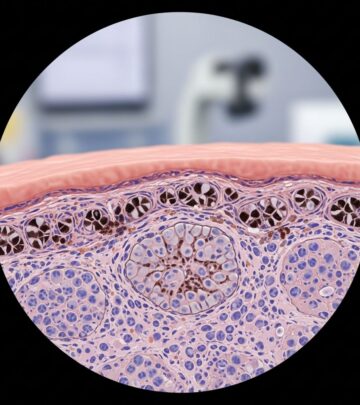
Discover the risks of sunbeds, from skin cancer to premature aging, and global regulations on artificial tanning.
Introduction
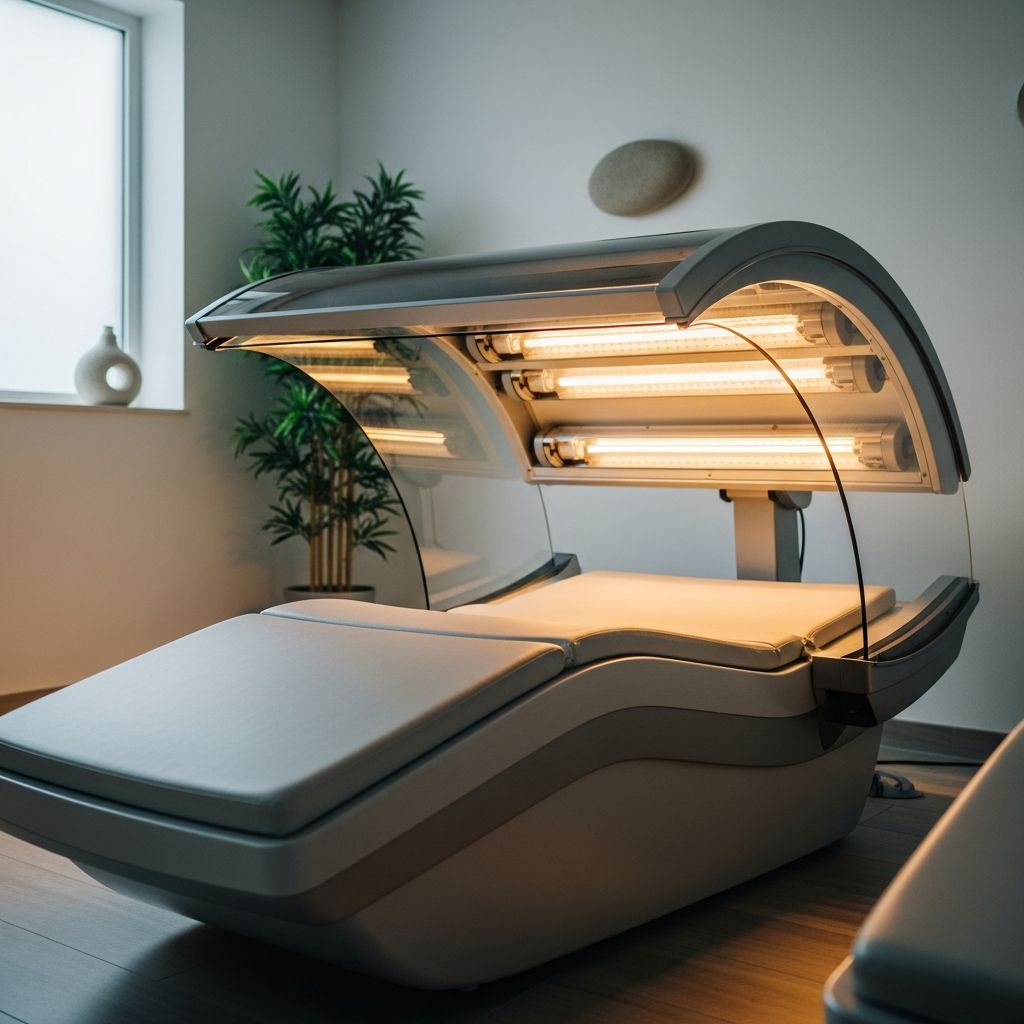
Sunbeds, also known as tanning beds or solaria, are artificial devices designed to darken or tan the skin through ultraviolet (UV) radiation exposure. These machines come in two primary forms: horizontal lie-down beds where users recline under UV lamps, or vertical upright cubicles where individuals stand enclosed by the lamps. The term “solarium” often refers to commercial facilities offering sunbed sessions, though it can sometimes describe the equipment itself.
While marketed as a quick way to achieve a bronzed glow without sun exposure, sunbeds emit concentrated UV radiation that poses significant health risks. The International Agency for Research on Cancer (IARC) classifies both natural sunlight and artificial UV sources like sunbeds as Group 1 carcinogens, meaning they definitively cause cancer in humans. Extensive epidemiological evidence links sunbed use to higher incidences of melanoma, basal cell carcinoma (BCC), and squamous cell carcinoma (cSCC), with risks escalating based on frequency and age of first use.
This article delves into the mechanics of sunbeds, their safety concerns, regulatory frameworks, and persistent myths, empowering readers to make informed choices about artificial tanning.
How it Works
Sunbeds utilize fluorescent lamps coated with phosphors that emit UV radiation mimicking aspects of sunlight. These lamps contain gases under pressure, with inner coatings influencing the UV spectrum output. Most sunbeds predominantly emit ultraviolet A (UVA) rays, which penetrate deeper into the skin than ultraviolet B (UVB) rays, though newer models may include higher UVB proportions to accelerate tanning.
The UV intensity from sunbeds far exceeds natural sunlight—often 3 to 8 times stronger than midday summer sun—leading to rapid skin damage. UVA causes tanning by stimulating melanin production but also induces DNA damage, premature aging, and immune suppression without the immediate burn of UVB. Sessions typically last 5–20 minutes, depending on skin type, but even brief exposures accumulate harm over time.
- UVA Dominance: Penetrates to lower skin layers, promoting wrinkles, leatheriness, and cancer risk.
- UVB Addition: In some beds, mimics sunburn spectrum for faster tan but heightens acute damage.
- Spectral Variation: Bulb manufacturing determines exact ratios, unregulated in many areas.
Unlike gradual sun exposure, sunbeds deliver intense, uniform radiation to nearly 100% of the body surface, amplifying risks compared to partial outdoor exposure.
Sunbed Safety
No level of sunbed use is safe for cosmetic tanning. The World Health Organization (WHO) states that even one session raises melanoma risk by 20%, surging to 59% for first use before age 35. Frequent users face dose-dependent increases in melanoma, BCC, and cSCC. A Norwegian cohort study confirmed earlier melanoma diagnosis in women starting sunbeds young.
Key health dangers include:
| Risk | Description | Evidence |
|---|---|---|
| Melanoma | Aggressive skin cancer with high metastasis potential | 75% higher risk for >10 sessions lifetime |
| BCC & cSCC | Non-melanoma skin cancers, often on sun-exposed areas | Statistically significant elevation with use |
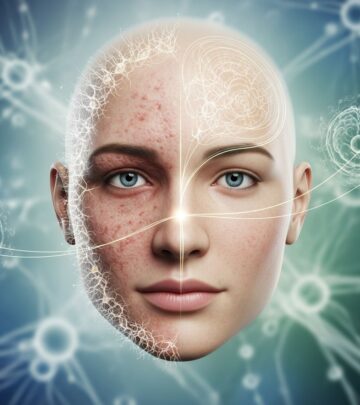
| Premature Aging | Wrinkles, blotchiness, loss of elasticity | UVA penetrates dermis, breaks collagen |
| Eye Damage | Cataracts, photokeratitis | Requires protective eyewear |
| Immune Suppression | Reduced skin defenses against infections/cancer | UVA effect documented in studies |
High-risk groups include fair-skinned individuals, children/teens, those with moles/freckles, prior sunburns, or using photosensitizing medications/cosmetics. Tanning signals DNA injury, not health.
Tanning Addiction
Beyond physical risks, sunbed use can lead to psychological dependence akin to addiction. Users report cravings for the relaxing endorphin release during sessions, the confidence boost from a tan, and ritualistic behavior despite known dangers. Studies describe “tanorexia,” where individuals chase deeper tans, ignoring skin damage.
This behavioral pattern mirrors substance addiction: tolerance (needing more sessions for same effect), withdrawal (irritability without tanning), and continued use despite harm. Young women are particularly susceptible, influenced by beauty standards promoting tanned skin. Interventions include counseling, emphasizing risks, and promoting self-tanner alternatives.
Guidelines and Standards
Safety standards aim to mitigate—but not eliminate—risks. The Australian/New Zealand Standard AS/NZS 2635:2008 “Solaria for cosmetic purposes” outlines operational procedures, equipment specs, and user protections. Key recommendations:
- Pre-session skin type assessment using Fitzpatrick scale.
- Maximum session limits based on skin type (e.g., Type I: no exposure).
- 24-hour gap between sessions; annual UV dose caps.
- Protective eyewear mandatory; no cosmetics/medications increasing sensitivity.
- Warning signs on cancer, aging risks; under-18 prohibition (mandated in NZ since 2017).
- Operator training, equipment maintenance, clean facilities.
The International Electrotechnical Commission (IEC) 60335-2-27 standard addresses electrical safety for UV appliances, covering commercial/home units with features like timers, emergency stops, and UV emission limits. New Zealand Ministry of Health guidelines support compliance, with public health audits revealing variable adherence.
Regulations
Global approaches vary: bans, age restrictions, voluntary standards. Australia prohibited commercial sunbeds in 2016. New Zealand bans under-18 use since 2017, with fines up to $10,000 for operators; Auckland mandates standards via bylaws.
WHO tracks legislation: over 40 countries restrict access, prioritizing youth protection. Effective measures include:
- Bans: Brazil, Australia fully; many EU nations for minors.
- Age Limits: 18+ in US states, Canada.
- Requirements: Training, warnings, session logs.
In unregulated areas, compliance lags, underscoring need for stricter enforcement.
Myths Surrounding Use
Misconceptions perpetuate sunbed popularity:
- “Sunbeds are safer than sun”: False—higher UVA intensity damages faster.
- “Vitamin D boost”: Unnecessary; diet/sun suffices. Consensus against sunbeds for this.
- “Tan protects like SPF 15”: Only SPF 2 equivalent; still burns.
- “No burn, no harm”: UVA silently ages/carcinogenic without redness.
- “Modern beds safer”: Still emit carcinogenic UV; no safe tan.
Frequently Asked Questions (FAQs)
Q: Are sunbeds safe if I don’t burn?
A: No. UVA penetrates without burning but causes deep damage, cancer, and aging.
Q: Can sunbeds help with vitamin D?
A: Not recommended. Risks outweigh benefits; get vitamin D from food/sun safely.
Q: What’s the safe frequency?
A: None for cosmetics. Even occasional use elevates cancer risk.
Q: Are home sunbeds safer?
A: No regulation often means higher risks without oversight.
Q: Do spray tans work as safe alternative?
A: Yes—dihydroxyacetone colors skin surface without UV.
References
- Sunbeds and solaria — DermNet NZ. 2023. https://dermnetnz.org/topics/sunbeds-and-solaria
- The problem with sunbeds — Science Learning Hub, University of Waikato. 2022-05-12. https://www.sciencelearn.org.nz/resources/1333-the-problem-with-sunbeds
- An Epidemiological Update on Indoor Tanning and the Risk of Skin Cancer — PMC/NCBI (Int J Environ Res Public Health). 2022-12-15. https://pmc.ncbi.nlm.nih.gov/articles/PMC9689757/
- The association of indoor tanning and melanoma in adults — ASPE/HHS. 2015. https://aspe.hhs.gov/sites/default/files/private/pdf/261256/67a%2520Attachment%2520Colantonio.pdf
- Solaria compliance in an unregulated environment — Semantic Scholar. 2010. https://www.semanticscholar.org/paper/Solaria-compliance-in-an-unregulated-environment:-Paul-Stacey/b24dfe70fb9868dd2fe319dcc0e1d15769ea20ab
Similar Articles



Read full bio of Sneha Tete