Sunburn: Complete Guide To Symptoms, Relief, And Prevention
Understand sunburn causes, recognize symptoms, learn effective treatments, and master prevention strategies to protect your skin from UV damage.
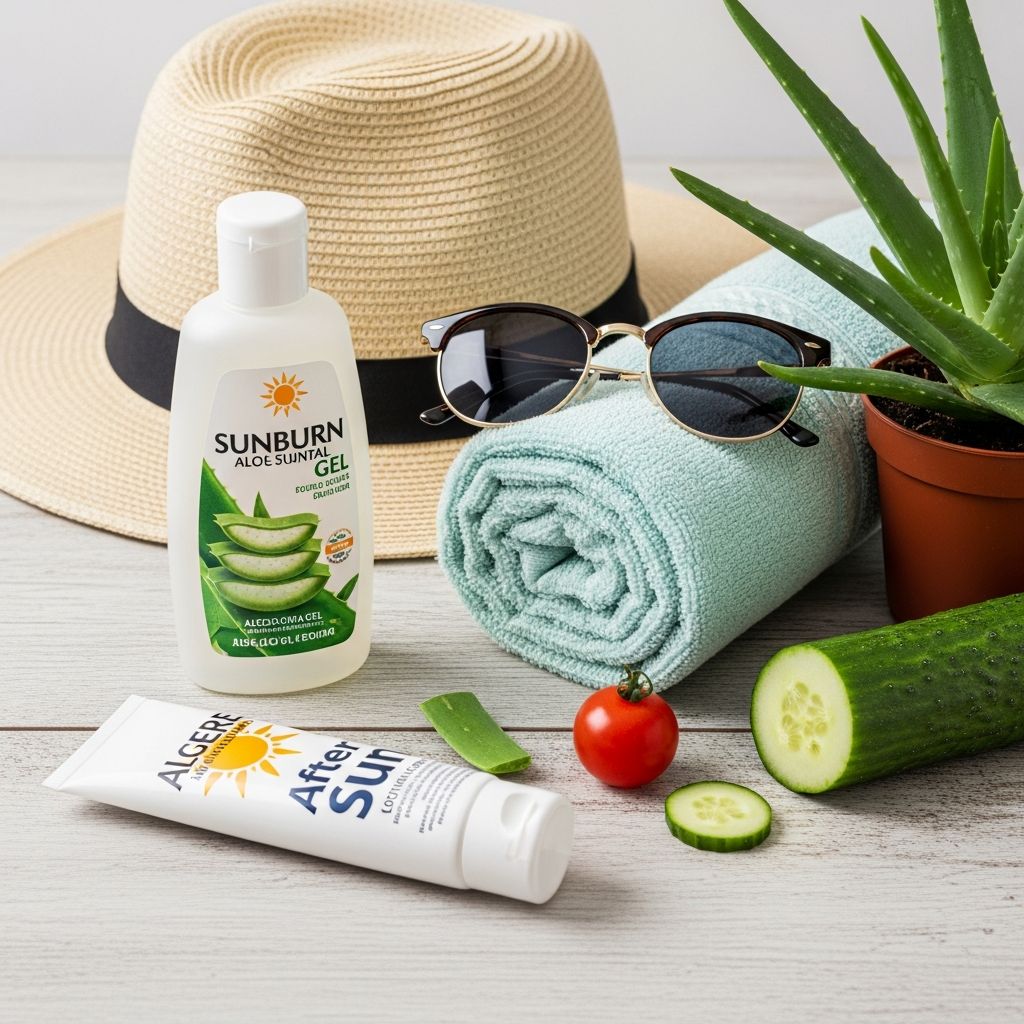
Sunburn represents a common yet potentially serious skin condition triggered by excessive ultraviolet (UV) radiation exposure, leading to inflammation, pain, and increased health risks over time. This guide explores its mechanisms, identification, care strategies, and protective measures to safeguard skin health effectively.
The Science Behind Sunburn
At its core, sunburn arises from overexposure to UV rays, which are divided into UVA and UVB types. UVB rays primarily cause the acute burning sensation by damaging the outer skin layers, while UVA penetrates deeper, contributing to long-term aging and damage. When skin encounters these rays without sufficient protection, cells undergo DNA damage, prompting an inflammatory response that manifests as redness and heat.
Factors influencing sunburn severity include exposure duration, intensity (peaking between 10 a.m. and 4 p.m.), skin type, altitude, and reflective surfaces like water or snow. Individuals with fair skin produce less melanin—a natural pigment that absorbs UV rays—making them more susceptible. Genetics play a key role, as those with lighter complexions often burn rather than tan.
- UVA rays: Penetrate deeply, promoting premature aging and wrinkles.
- UVB rays: Target surface layers, causing burns and blisters.
- Genetic skin types: Fair-skinned people burn fastest, per phototype classifications.
Recognizing Sunburn Symptoms Across Stages
Symptoms typically emerge hours after exposure, progressing through phases. Initially, skin reddens and warms, followed by tenderness. Mild cases involve pink hues and slight discomfort, resolving in days. Moderate sunburns bring swelling, intense pain, and possible headaches or fatigue.
Severe instances feature large blisters, fever above 39.4°C, chills, nausea, or confusion—signals of systemic involvement requiring urgent care. Peeling occurs as healing advances, shedding damaged outer layers. Eyes may feel gritty from UV reflection, emphasizing full-body protection.
| Severity Level | Key Symptoms | Duration |
|---|---|---|
| Mild | Redness, warmth, mild pain | 3-5 days |
| Moderate | Swelling, tenderness, headache | 5-7 days |
| Severe | Blisters, fever, nausea, dehydration | 7+ days, medical intervention |
Risk Factors That Heighten Vulnerability
Certain conditions amplify sunburn likelihood. Fair skin and red hair correlate with lower melanin levels, burning in as little as 15 minutes under peak sun. Past sunburns weaken skin resilience, creating a cycle of vulnerability. Outdoor occupations, high-altitude living, or sunny vacations intensify exposure.
Photosensitizing medications—like antibiotics (tetracyclines, fluoroquinolones), NSAIDs, diuretics, or retinoids—react with UV, escalating burn risk. Alcohol consumption dilates blood vessels, worsening inflammation. Wet skin from swimming burns faster due to reduced barrier function, and tanning beds emit concentrated UVA, mimicking natural sun harm.
- Medications increasing sensitivity.
- Alcohol and water exposure.
- Tanning bed use.
- High-risk locations or jobs.
Immediate Home Care for Sunburn Relief
Most sunburns heal with supportive care. Start with cool showers or compresses to constrict vessels and soothe heat—avoid ice directly on skin to prevent further damage. Moisturize using aloe vera or fragrance-free lotions containing soy or antioxidants to hydrate and calm inflammation.
Over-the-counter NSAIDs like ibuprofen reduce pain and swelling. Drink ample fluids to combat dehydration, especially if blisters form. Loose clothing prevents friction. For blisters, leave intact to avoid infection; drain only if large via sterile needle if advised.
Related Stories



- Cool the skin gently.
- Apply moisturizers post-cooling.
- Use pain relievers as directed.
- Stay hydrated and rest.
When to Seek Professional Medical Help
Consult a doctor for extensive blistering on face, hands, or genitals; pus indicating infection; severe swelling; or symptoms like high fever, vomiting, dizziness, or vision changes. Third-degree burns—rare, with white or leathery skin—demand emergency treatment. Phototesting may assess sensitivity in recurrent cases.
Hospital care for severe sunburn includes IV fluids, prescription steroids, and wound management. Children, elderly, or those with comorbidities warrant prompt evaluation due to complication risks.
Long-Term Consequences of Repeated Sunburns
Beyond immediate pain, sunburn accelerates photoaging: wrinkles, leathery texture, and spots from collagen breakdown. Crucially, each episode elevates melanoma and non-melanoma skin cancer risk—over a third of people sunburn yearly, correlating with higher malignancy odds. Early burns in youth compound lifetime damage.
Cumulative UV exposure mutates DNA, impairing repair mechanisms. Prevention curbs these outcomes, preserving skin integrity and reducing cancer incidence.
Proven Strategies for Sunburn Prevention
Prevention trumps treatment. Seek shade during peak hours (10 a.m.-4 p.m.). Wear broad-brimmed hats, UV-blocking sunglasses, and long sleeves. Opt for UPF-rated clothing for extra defense.
Apply broad-spectrum SPF 30+ sunscreen generously—2 mg/cm², roughly a shot glass for adults—reapplying every 2 hours, post-swim, or sweat. Water-resistant formulas help, but no sunscreen blocks 100% UV. Lip balm with SPF protects vulnerable areas. Avoid tanning beds entirely.
- Shade and timing avoidance.
- Protective apparel and gear.
- Daily sunscreen ritual.
- No artificial tanning.
Sun Safety for Children and Special Groups
Infants under 6 months need full coverage—no sunscreen. Older kids require vigilant application, as their skin is thinner. High-risk groups like fair-skinned individuals or medication users should layer protections. Educate on gradual exposure to build tolerance safely.
FAQs
Can sunburn occur on cloudy days?
Yes, up to 80% of UV rays penetrate clouds, so daily protection is essential.
Does tanning protect against sunburn?
No, tanning indicates damage and offers minimal future protection.
How long after sun exposure do symptoms appear?
Usually 2-6 hours, peaking at 12-24 hours.
Is coconut oil a good sunburn remedy?
No, it traps heat; use cool water and proper moisturizers instead.
What’s the best sunscreen type?
Broad-spectrum SPF 30+, water-resistant, reapplied frequently.
References
- Sunburn – Skin Disorders – Merck Manual Consumer Version — Merck Manuals. 2023. https://www.merckmanuals.com/home/skin-disorders/sunlight-and-skin-damage/sunburn
- Sunburn – StatPearls – NCBI Bookshelf — NCBI. 2023-07-17. https://www.ncbi.nlm.nih.gov/books/NBK534837/
- Sunburn – Symptoms and causes – Mayo Clinic — Mayo Clinic. 2023-11-01. https://www.mayoclinic.org/diseases-conditions/sunburn/symptoms-causes/syc-20355922
- Sunburn: Symptoms & Treatment – Cleveland Clinic — Cleveland Clinic. 2023. https://my.clevelandclinic.org/health/diseases/21858-sunburn
- Sunburn: Symptoms, Treatment and Prevention – MedPark Hospital — MedPark Hospital. 2023. https://www.medparkhospital.com/en-US/disease-and-treatment/sunburn
- Sunburn – The Skin Cancer Foundation — Skin Cancer Foundation. 2023. https://www.skincancer.org/risk-factors/sunburn/
- Sunburn: MedlinePlus Medical Encyclopedia — MedlinePlus. 2023. https://medlineplus.gov/ency/article/003227.htm
Similar Articles








Read full bio of medha deb