Sunburn Peeling: Causes, Timeline, And Expert Treatment Tips
Understand why sunburn causes skin peeling, how to treat it safely, and steps to prevent future burns and reduce skin cancer risk.
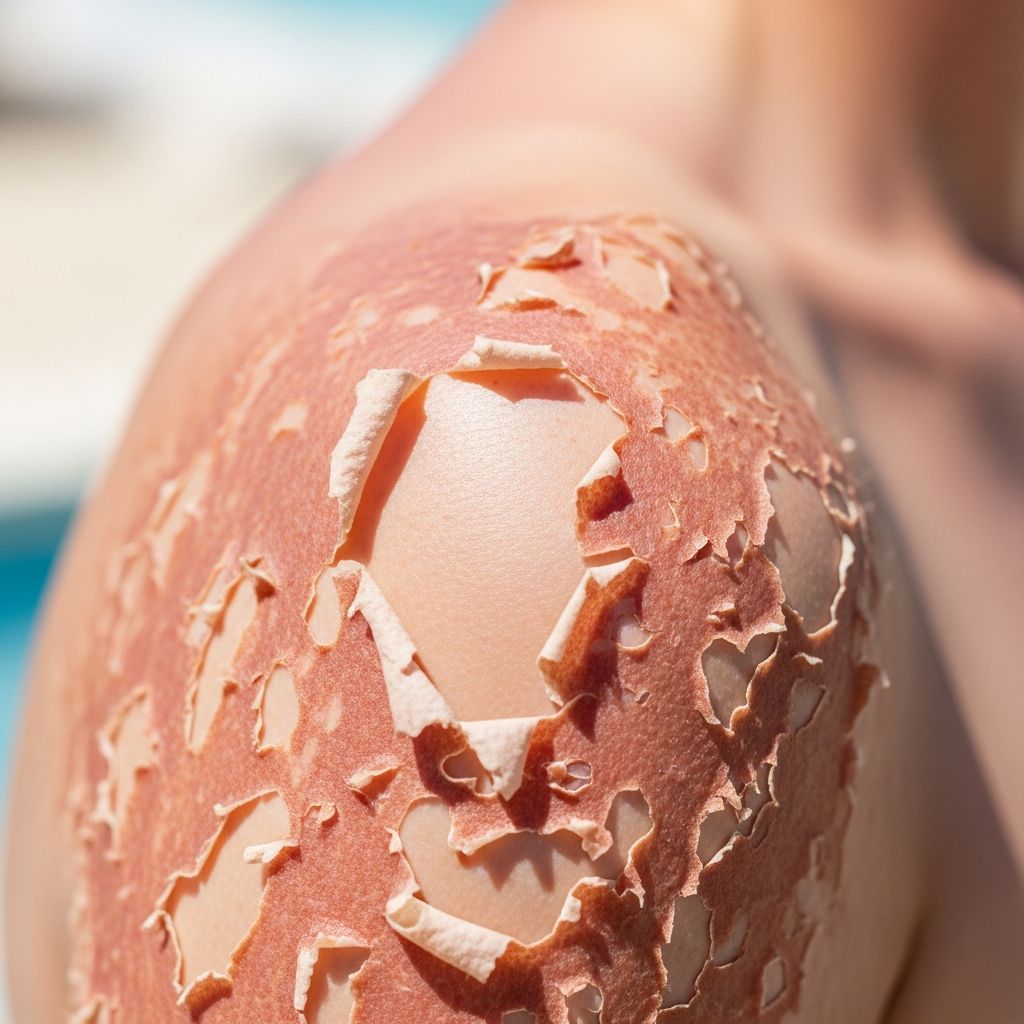
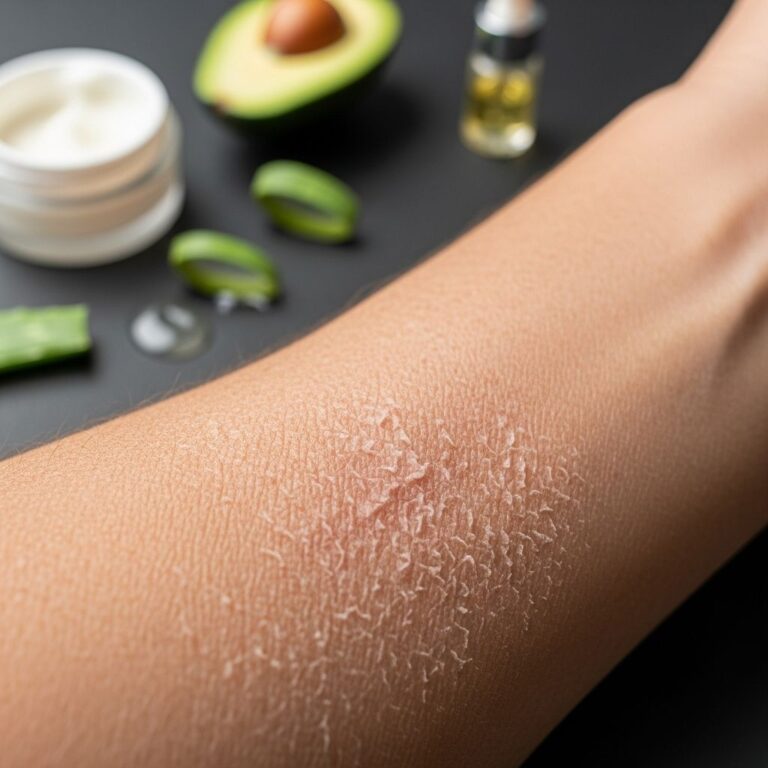
Skin peeling after a sunburn is a natural healing process where the body sheds damaged cells to promote recovery, typically occurring 7-10 days post-exposure as inflammation subsides.
What Causes Sunburn Peeling?
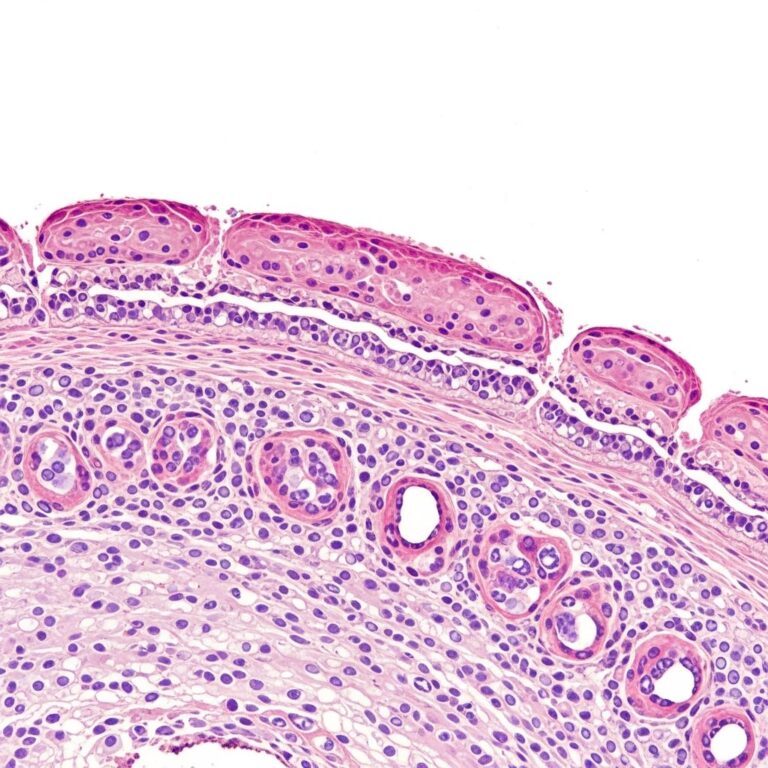
Sunburn results from excessive ultraviolet (UV) radiation exposure overwhelming the skin’s melanin pigment, leading to DNA damage in skin cells. This triggers inflammation, characterized by redness, pain, and swelling. As the body repairs itself, damaged epidermal cells die via apoptosis and are shed, causing peeling. This process affects all skin layers, with notable loss of Langerhans cells and keratinocyte vacuolation in the epidermis, alongside dermal vascular changes and edema from mast cell degranulation starting within 30 minutes of exposure.
Peeling signifies the body ridding itself of irreparably harmed cells. Fair-skinned individuals are more susceptible due to lower melanin levels, experiencing burns faster—sometimes in under 15 minutes of midday sun—while darker skin tolerates longer exposure but still sustains damage. Repeated exposure accelerates this without adequate protection, heightening risks beyond immediate discomfort.
Sunburn Stages and Timeline
Sunburn progresses through distinct stages:
- Erythema onset: Redness appears 3-5 hours post-exposure, peaking at 12-24 hours.
- Peak symptoms: Pain intensifies 6-48 hours later, with warmth, tenderness, and possible edema.
- Blistering (severe cases): Indicates second-degree burns, developing hours to days later.
- Peeling phase: Begins as erythema fades (3-7 days), continuing 7-10 days; fair skin may leave solar lentigines (pale brown macules).
Symptoms like nausea, fever, chills signal severe ‘sun poisoning,’ requiring medical attention. Damage is permanent by symptom onset, contributing to long-term issues like premature aging and skin cancer.
Risks of Sunburn Peeling and Skin Cancer
While peeling aids healing, it underscores underlying cellular damage. UV rays form cyclobutane pyrimidine dimers, prompting repair responses that release inflammatory mediators like prostaglandins and reactive oxygen species, causing vasodilation and pain. Repeated sunburns substantially elevate skin cancer risk: basal cell carcinoma, squamous cell carcinoma, and melanoma. For fair-skinned people with genetic predispositions, UV alters tumor-suppressor genes, hindering repair and promoting cancer progression.
Sunburn accelerates photoaging, manifesting as wrinkles, solar lentigines, and loss of elasticity. Tanning, often pursued for aesthetics, is cellular damage and increases these risks. Inadequate prevention—like infrequent low-SPF sunscreen or no protective clothing—exacerbates outcomes.
How to Treat Sunburn Peeling
Treatment focuses on symptom relief and supporting natural healing; no intervention reverses DNA damage. Key steps include:
- Cool the skin: Apply cool compresses, aloe vera gel, or calamine lotion. Colloidal oatmeal baths soothe inflammation.
- Hydrate internally: Drink ample water, as the body diverts fluids to burned areas.
- Moisturize: Use gentle, fragrance-free lotions on damp skin (avoid petroleum-based products that trap heat).
- Manage pain: Take over-the-counter NSAIDs like ibuprofen to reduce inflammation and discomfort.
- Protect blisters: If present, wash with soap/water, cover ruptured ones with moist gauze; never pop or peel intact blisters to prevent infection.
Related Stories



Avoid topical anesthetics, butter, oils, or corticosteroids, as they offer no benefit and may worsen issues. Let peeling occur naturally—picking risks scarring and infection.
| Sunburn Severity | Symptoms | Treatment Focus |
|---|---|---|
| Mild | Redness, pain | Cool compresses, moisturizer, NSAIDs |
| Moderate | Swelling, tenderness | Hydration, anti-inflammatories, aloe |
| Severe (Blistering) | Blisters, fever, nausea | Medical eval, blister care, fluids |
Sunburn Prevention Tips
Prevention is paramount, as even one severe burn doubles melanoma risk. Adopt these evidence-based strategies:
- Seek shade: Especially 10 a.m.-4 p.m. when UV is strongest.
- Wear protection: Broad-brim hats, long sleeves, UV-blocking sunglasses.
- Use sunscreen: SPF 30+ broad-spectrum, apply generously 15-30 minutes pre-exposure, reapply every 2 hours or after swimming/sweating.
- Avoid tanning beds: They emit concentrated UVA, mimicking worst sun exposure.
- Monitor UV index: Use apps for daily forecasts.
Counseling on these measures reduces skin cancer incidence and improves quality of life.
Frequently Asked Questions (FAQs)
Is peeling skin after sunburn normal?
Yes, peeling 7-10 days post-burn is the body’s way of shedding damaged cells for renewal. Do not accelerate it to avoid infection.
Should I pop sunburn blisters?
No—popping risks infection and delays healing. Cover ruptured blisters loosely.
How long does sunburn peeling last?
Typically 7-10 days after exposure, though full recovery varies by severity.
Does peeling mean the burn is healing?
Yes, it indicates repair, but underlying damage persists, raising cancer risk with repeats.
Can moisturizer stop peeling?
No, but it prevents dryness/cracking during the process. Apply to damp skin.
Is sunburn only from the sun?
No, tanning beds and UV lamps cause similar damage.
When to see a doctor for sunburn?
If large blisters, severe pain, fever, chills, nausea, or confusion occur—seek care promptly.
Long-Term Effects and Skin Health
Beyond acute symptoms, sunburns contribute to chronic photoaging: collagen breakdown leads to wrinkles, hyperpigmentation, and fragility. Fair skin develops persistent solar lentigines. Cumulative UV exposure is the primary modifiable skin cancer risk factor. Public health data shows consistent sun protection halves melanoma incidence. Early education on avoidance empowers lifelong habits, mitigating morbidity.
For high-risk groups (history of burns, family cancer history, fair skin), regular dermatologist screenings detect precancers early. Self-exams monthly complement this. Advances in photoprotection, like advanced sunscreens and wearables tracking UV, enhance prevention efficacy.
Understanding sunburn as injury—not mere ‘tan precursor’—shifts behaviors. Tanning popularity persists despite evidence linking it to accelerated aging and cancers. Health campaigns emphasize: no safe tan exists; protection is key.
References
- Sunburn – StatPearls — NCBI Bookshelf. 2023. https://www.ncbi.nlm.nih.gov/books/NBK534837/
- Sunburn — Skin Cancer Foundation. 2024-01-15. https://www.skincancer.org/risk-factors/sunburn/
- The best ways to treat a sunburn — UCLA Health. 2023-06-20. https://www.uclahealth.org/news/article/the-best-ways-to-treat-a-sunburn
- Sunburn — MedlinePlus. 2024. https://medlineplus.gov/ency/article/003227.htm
Similar Articles








Read full bio of medha deb