Sunday Dinner Recipes for Weight Loss and Better Blood Sugar
Discover delicious Sunday dinner recipes designed to support weight loss and stable blood sugar levels.
Sunday dinner represents an ideal opportunity to set a positive nutritional tone for the week ahead. The meals you prepare on Sunday can significantly impact your weight loss goals and blood sugar management throughout the following days. By choosing recipes that balance protein, healthy fats, and complex carbohydrates, you create a foundation for sustained energy, improved metabolic health, and better appetite control.
Planning and preparing Sunday dinners strategically allows you to make mindful food choices when you have time to cook properly, rather than relying on convenient but often less nutritious options during busy weekdays. This article explores a collection of Sunday dinner recipes specifically designed to support weight loss and maintain stable blood sugar levels.
Why Sunday Dinners Matter for Weight Loss and Blood Sugar Control
The timing and composition of your Sunday meal can influence your metabolism and blood sugar response throughout the week. When you consume a balanced dinner on Sunday, you establish stable baseline blood glucose levels, which can reduce cravings and prevent energy crashes that often lead to poor food choices.
Key Benefits of Strategic Sunday Dinner Planning
- Metabolic Support: A well-balanced dinner triggers appropriate insulin responses and helps maintain steady glucose levels overnight and into Monday.
- Weight Management: Preparing satisfying meals at home gives you control over portion sizes and ingredient quality, essential for weight loss success.
- Meal Prep Foundation: Sunday dinners often provide leftovers that can be portioned for weekday lunches, reducing reliance on less healthy alternatives.
- Nutrient Density: Homemade meals allow you to maximize nutrient content while minimizing added sugars and unhealthy fats.
- Appetite Regulation: Balanced macronutrient ratios help you feel fuller longer, naturally reducing overall calorie intake.
Essential Components of Weight Loss and Blood Sugar-Friendly Dinners
Before diving into specific recipes, understanding the nutritional framework for optimal Sunday dinners ensures you can make informed choices. Each meal should incorporate specific elements that work synergistically to support your health goals.
Protein Sources
Protein forms the foundation of any weight loss-supportive meal. It increases satiety, preserves lean muscle mass during weight loss, and has a higher thermic effect than carbohydrates or fats. Ideal Sunday dinner protein options include:
- Lean poultry such as skinless chicken breast or turkey
- Fish and seafood rich in omega-3 fatty acids
- Lean beef cuts with minimal visible fat
- Plant-based proteins including legumes and tofu
- Eggs and egg-based dishes
Complex Carbohydrates
Rather than eliminating carbohydrates, strategic selection of complex carbs with high fiber content supports blood sugar stability. These foods digest slowly, providing sustained energy without causing rapid glucose spikes. Include options like:
- Whole grains such as brown rice, quinoa, and farro
- Sweet potatoes and regular potatoes with skin
- Legumes including lentils and beans
- Whole grain pasta and bread
Healthy Fats and Vegetables
Healthy fats slow digestion and enhance nutrient absorption, while non-starchy vegetables provide essential vitamins, minerals, and fiber with minimal caloric impact. Incorporate:
- Olive oil and avocado oil for cooking
- Nuts and seeds for texture and nutrition
- Leafy greens, cruciferous vegetables, and colorful produce
- Avocados for creamy texture and heart-healthy fats
Related Stories



Featured Sunday Dinner Recipes
Herb-Roasted Salmon with Roasted Vegetables
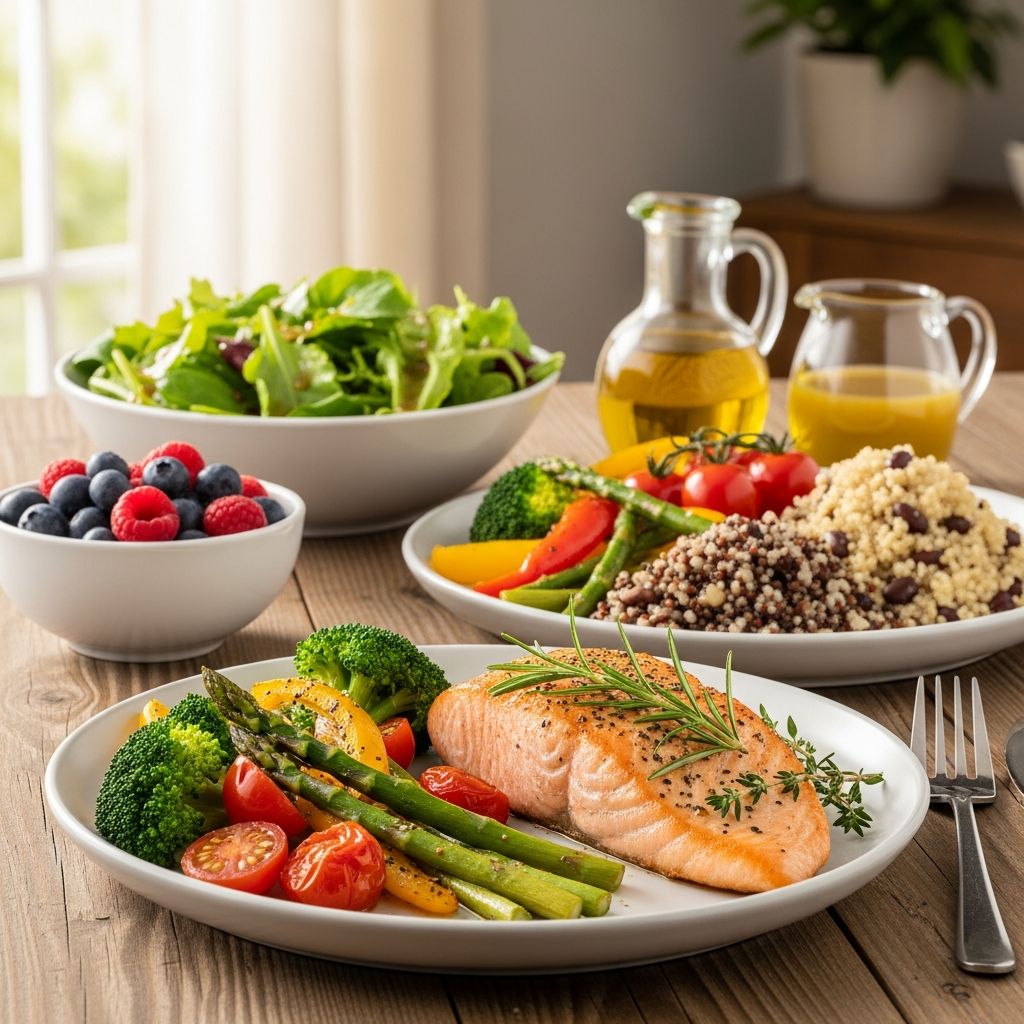
This elegant yet simple dinner combines omega-3 rich salmon with colorful roasted vegetables. Salmon provides excellent protein and healthy fats, while roasting vegetables at high heat concentrates their natural flavors without added calories. The combination creates a visually appealing, nutrient-dense meal that supports cardiovascular health and sustained satiety.
Nutritional Benefits: High in protein, omega-3 fatty acids, vitamins A, C, and K, fiber, and minerals. The meal supports anti-inflammatory responses and provides sustained energy without blood sugar spikes.
Grilled Chicken with Quinoa and Roasted Brussels Sprouts
Lean grilled chicken breast serves as the protein centerpiece, paired with complete-protein quinoa and nutrient-dense Brussels sprouts. This combination provides all essential amino acids, fiber for digestive health, and compounds that support metabolic function. The balanced macronutrient ratio promotes steady glucose levels and prolonged satiety.
Nutritional Benefits: Complete protein source, high in fiber, rich in antioxidants and phytonutrients, supports muscle maintenance during weight loss, and provides sustained energy.
Vegetable-Loaded Lentil Stew
This plant-forward meal demonstrates that weight loss dinners need not be boring. Lentils provide substantial plant-based protein and soluble fiber that helps manage blood sugar responses. Combined with multiple vegetables, this hearty stew delivers exceptional nutritional density with minimal caloric load.
Nutritional Benefits: Excellent plant-based protein, high in fiber for digestive health, rich in polyphenols and antioxidants, naturally satisfying without excess calories.
Turkey Meatballs with Zucchini Noodles and Marinara
This creative recipe substitutes traditional pasta with zucchini noodles, dramatically reducing carbohydrate and caloric content while maintaining satisfaction. Lean ground turkey delivers protein without excess saturated fat, and homemade marinara avoids added sugars present in many commercial versions.
Nutritional Benefits: Lower carbohydrate option, high in protein, reduced calorie density, supports satiety, provides lycopene from tomato sauce.
Baked White Fish with Sweet Potato and Steamed Broccoli
White fish like cod or tilapia provides lean protein with minimal fat, paired with the natural sweetness of roasted sweet potato and nutrient-dense broccoli. This classic combination offers excellent satiety and blood sugar stability due to balanced macronutrients and high fiber content.
Nutritional Benefits: Very lean protein, complex carbohydrates with resistant starch, high in vitamins C and K, supports metabolic health.
Stir-Fried Tofu with Brown Rice and Mixed Vegetables
This vegetarian option showcases how plant-based proteins can create equally satisfying Sunday dinners. Tofu absorbs flavorful seasonings while maintaining low caloric density, brown rice provides sustained energy through resistant starch, and diverse vegetables ensure micronutrient completeness.
Nutritional Benefits: Complete plant-based protein, whole grain carbohydrates, exceptional nutrient variety, naturally lower in calories than many alternatives.
Meal Prep Strategies for Sunday Dinners
Maximizing the benefits of your Sunday dinner preparation requires strategic planning that extends the value throughout the week. Implement these strategies to enhance results:
Batch Cooking Techniques
Prepare larger quantities than needed for Sunday dinner, portioning extras into containers for Monday and Tuesday lunches. This approach maintains nutritional consistency while reducing weekday temptations to choose less healthy options due to convenience.
Component Preparation
Cook proteins, grains, and vegetables separately, storing them in separate containers. This flexibility allows you to create varied combinations throughout the week while maintaining control over portions and flavor combinations.
Proper Storage Practices
Store cooked meals in airtight glass containers on the refrigerator’s upper shelf for optimal food safety. Most properly cooked Sunday dinners maintain quality for three to four days, supporting meals through Wednesday.
Hydration and Timing Considerations
Beyond the meal itself, timing and hydration significantly influence blood sugar management and weight loss success. Consuming adequate water throughout Sunday and in the hours before dinner supports metabolic function and helps prevent overeating by distinguishing true hunger from thirst signals.
Sunday dinners consumed two to three hours before bedtime allow sufficient time for digestion without interfering with sleep quality. This timing supports stable overnight glucose levels and proper circadian rhythm function, both essential for weight loss and metabolic health.
Flavor Enhancement Without Added Sugars and Unhealthy Fats
Many people associate weight loss dinners with bland, unsatisfying meals. Strategic use of herbs, spices, and acidic components transforms simple ingredients into restaurant-quality dishes without compromising nutritional goals.
Herbs and Spices
- Fresh herbs like basil, cilantro, and parsley add freshness and antioxidants
- Warm spices including cinnamon, turmeric, and cumin enhance flavors without calories
- Garlic and ginger provide pungent, complex flavors that reduce salt dependence
- Red pepper flakes add heat that increases satiety perception
Acidic Components
Lemon juice, lime juice, and vinegar brighten dishes and slow gastric emptying, enhancing satiety and moderating blood sugar responses. These additions require no additional calories while significantly improving enjoyment.
Addressing Common Challenges
Successfully maintaining Sunday dinner habits requires addressing realistic obstacles that undermine consistency. Understanding common challenges and developing solutions ensures sustained adherence to nutritional goals.
Time Constraints
Busy schedules often derail meal preparation plans. Address this by selecting recipes requiring 30 minutes or less, using pre-cut vegetables when necessary, or preparing components on Saturday evening to streamline Sunday cooking.
Family Preferences
If cooking for others with different nutritional goals, prepare base components allowing individuals to customize portions and additions. A simple grilled chicken with various vegetable and grain options accommodates diverse preferences while maintaining your nutritional focus.
Budget Considerations
Weight loss and blood sugar-friendly ingredients need not strain budgets. Seasonal vegetables, frozen fish, and bulk dried legumes provide exceptional nutrition at minimal cost while supporting economic sustainability.
Frequently Asked Questions
Q: How many calories should a weight loss dinner contain?
A: Caloric needs vary by individual, but most weight loss dinners should provide 400-600 calories while maintaining balanced macronutrient ratios. Focus on satiety and nutrient density rather than strict calorie counting for sustainable results.
Q: Can I eat Sunday dinner early in the day instead?
A: Absolutely. The timing flexibility allows you to prepare whenever convenient, though having your substantial meal earlier provides energy for afternoon activities while still allowing proper digestion before sleep.
Q: How does meal prep from Sunday dinner affect blood sugar on other days?
A: Consistent, balanced meals maintain stable blood glucose throughout the week. Your Sunday dinner establishes momentum, and eating similar balanced meals from your preparations supports sustained glucose stability and prevents energy crashes.
Q: Are these recipes suitable for family meals?
A: Yes, these recipes work well for families. Simply allow individuals to customize portions based on their needs, and children may enjoy smaller portions of the same components.
Q: Can I modify recipes for dietary restrictions?
A: Most recipes offer flexibility. Substitute proteins based on preferences, swap vegetables for alternatives you enjoy, and use gluten-free grains if needed while maintaining the balanced nutritional framework.
Q: How do I know if a recipe supports my blood sugar goals?
A: Look for meals with substantial protein, high-fiber carbohydrates, and healthy fats. Avoid recipes with added sugars, refined grains, or excessive unhealthy fats, and monitor how you feel energy-wise after eating.
Q: What beverages pair well with these Sunday dinners?
A: Water remains the ideal choice for blood sugar management. Unsweetened tea, sparkling water, or wine in moderation are acceptable options that support your nutritional goals.
References
- Dietary Guidelines for Americans 2020-2025 — U.S. Department of Agriculture and U.S. Department of Health and Human Services. 2020. https://www.dietaryguidelines.gov/
- The Effect of Protein on Satiety and Weight Loss — National Institutes of Health, National Center for Biotechnology Information. PubMed. https://pubmed.ncbi.nlm.nih.gov/
- Glycemic Index and Glycemic Load in Type 2 Diabetes Management — American Diabetes Association. 2023. https://www.diabetes.org/
- Mediterranean Diet and Cardiovascular Health — Mayo Clinic. 2024. https://www.mayoclinic.org/
- Plant-Based Proteins and Metabolic Health — Harvard School of Public Health. https://www.hsph.harvard.edu/
Similar Articles








Read full bio of Sneha Tete